


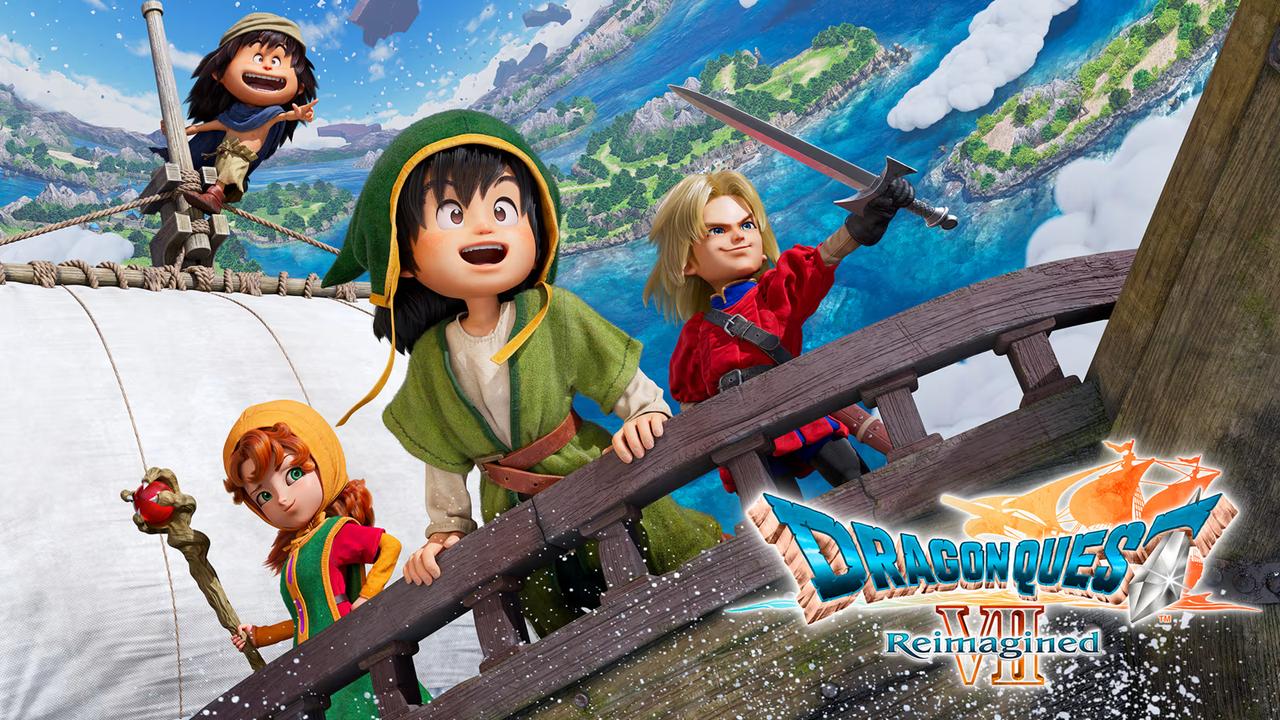
Dragon Quest 7 has a lot of history behind it. It’s known for settling in at its own pace and giving you room to explore before things really open up. Dragon Quest 7 Reimagined doesn’t try to change that identity, but it makes the journey feel far more manageable than before.
You start small, on Estard Island, where life moves slowly and adventure feels more like an idea than a calling. There’s no rush to save the world right away. Instead, the early hours are about poking at the edges of what’s familiar, seeing what’s out there, and gradually realising that the world is much bigger than it first appears. That opening still takes its time, but it’s clearer about where things are headed, and it gets you there with fewer roadblocks.



From there, Dragon Quest 7 Reimagined settles into its core gameplay. You restore lost islands, step into the past to deal with problems that were never properly resolved, and watch how those choices reshape the present. Each stop along the way feels like its own short story, with its own cast and tone, before the larger picture starts to come together.
It’s still a long RPG by any standard. What’s different is how much easier it is to dip in and out without losing your place. Dragon Quest 7 Reimagined respects your time more than earlier versions did, while still delivering the slow, deliberate adventure the game has always been known for.
A World Restored Through Small, Connected Stories
Dragon Quest 7 Reimagined tells its story in pieces, and it commits to that approach from start to finish. Instead of pushing a single, urgent plot forward, the story focuses on individual places and the people living there. Each island you restore stands on its own, with its own problems, values, and outcomes, before slowly feeding into something larger.
You spend much of the game travelling into the past to help communities on the edge of collapse. Sometimes that means dealing with monsters or curses. Other times it’s about social breakdowns, fear, or choices that were never properly addressed. These stories are often simple on the surface, but they linger because the focus stays on consequences instead of dramatic payoff.
What makes this approach work is how the present-day world responds. As you restore islands in the past, the map fills in, and the world around you changes in small but meaningful ways. People remember what was lost. Others benefit from decisions made generations earlier. The game rarely spells this out, but the cause-and-effect becomes clear as patterns start to form.

The episodic structure does mean the story takes time to fully come together. Early on, the connections between islands can feel loose. Dragon Quest 7 Reimagined improves the flow compared to the original, trimming excess and making it easier to move from one arc to the next, even if it still takes its time. Over time, recurring ideas and characters begin to link those smaller stories into a more cohesive whole.
Rather than driving everything toward a single dramatic endpoint, the story is about accumulation. By the time the larger picture comes into focus, you’ve already spent dozens of hours living in this world, and that makes the final stretch feel earned rather than rushed.
Gameplay That’s Easy to Settle Into
Gameplay in Dragon Quest 7 Reimagined settles into a familiar loop. You explore, battle, and move the story along, then do it again in a new place. It stays consistent, but not in a way that feels draining over time.
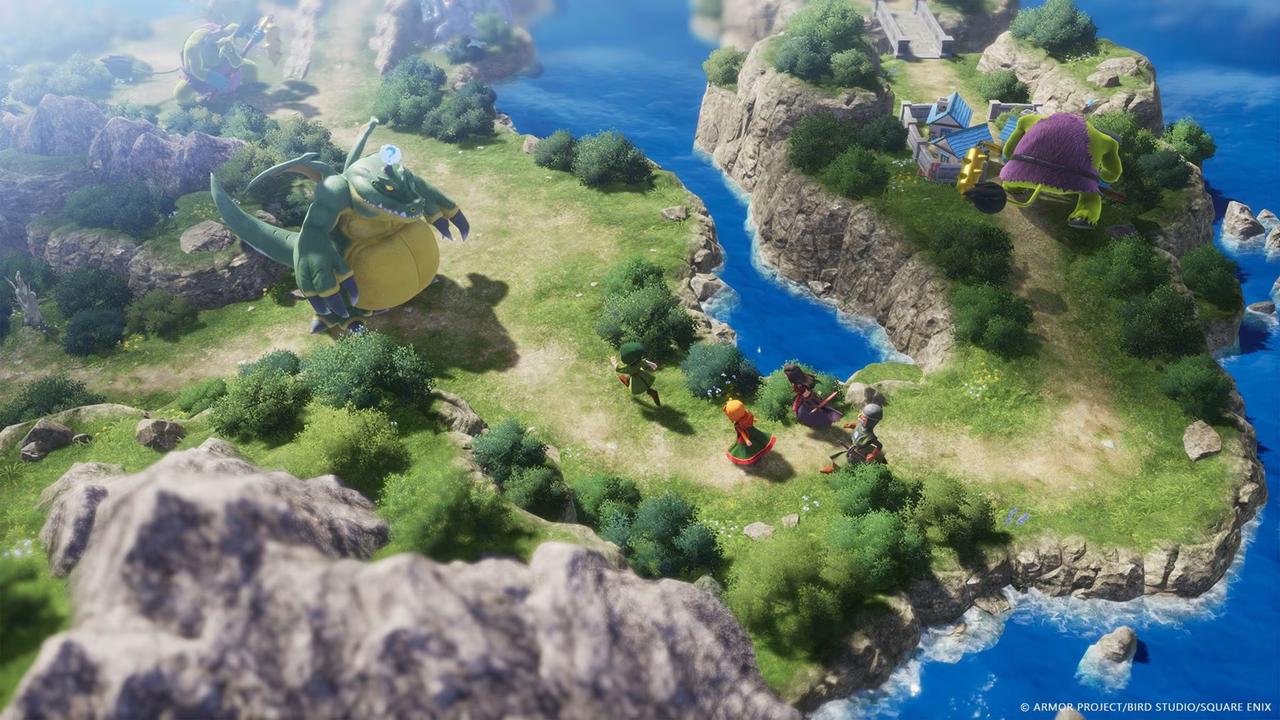
Exploration is built around islands that open up as the world comes back together. Each one is easy to read, with clear paths and enemies you can spot before jumping into a fight. Once your party gets stronger, weaker enemies don’t slow you down anymore, which makes revisiting areas feel painless instead of repetitive. When tougher encounters show up, they still make you slow down and think about how you approach them.
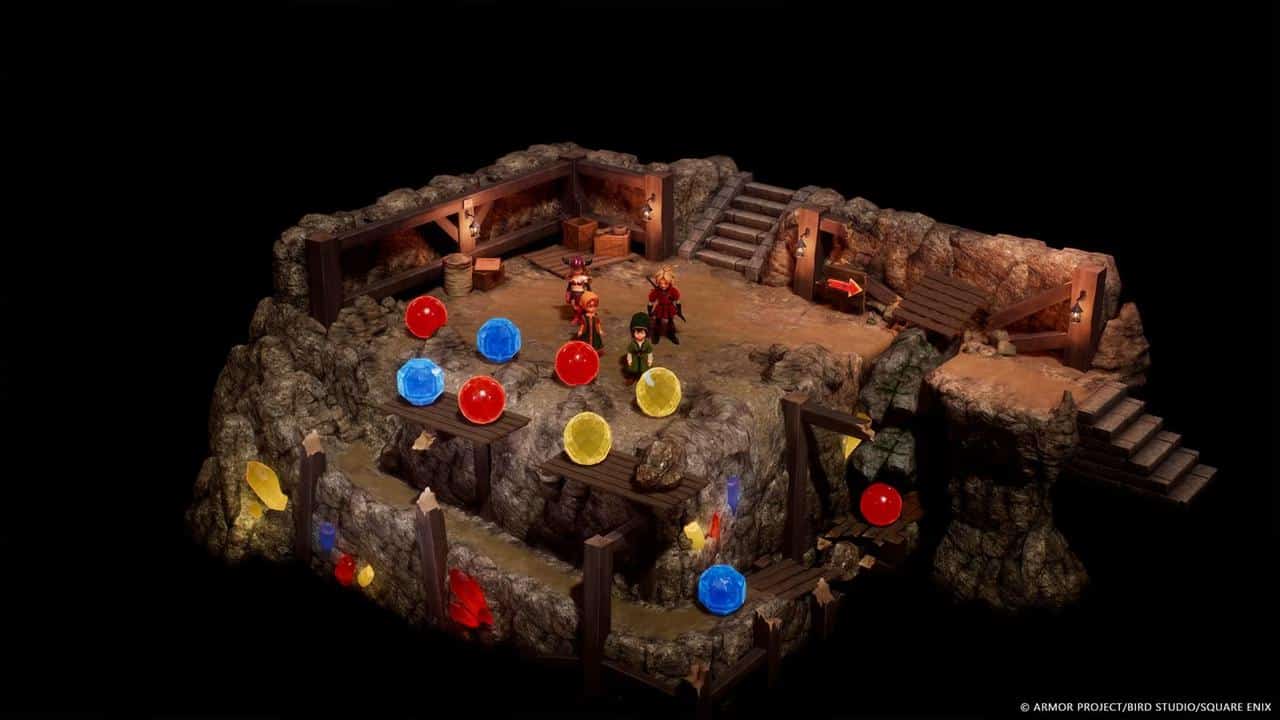
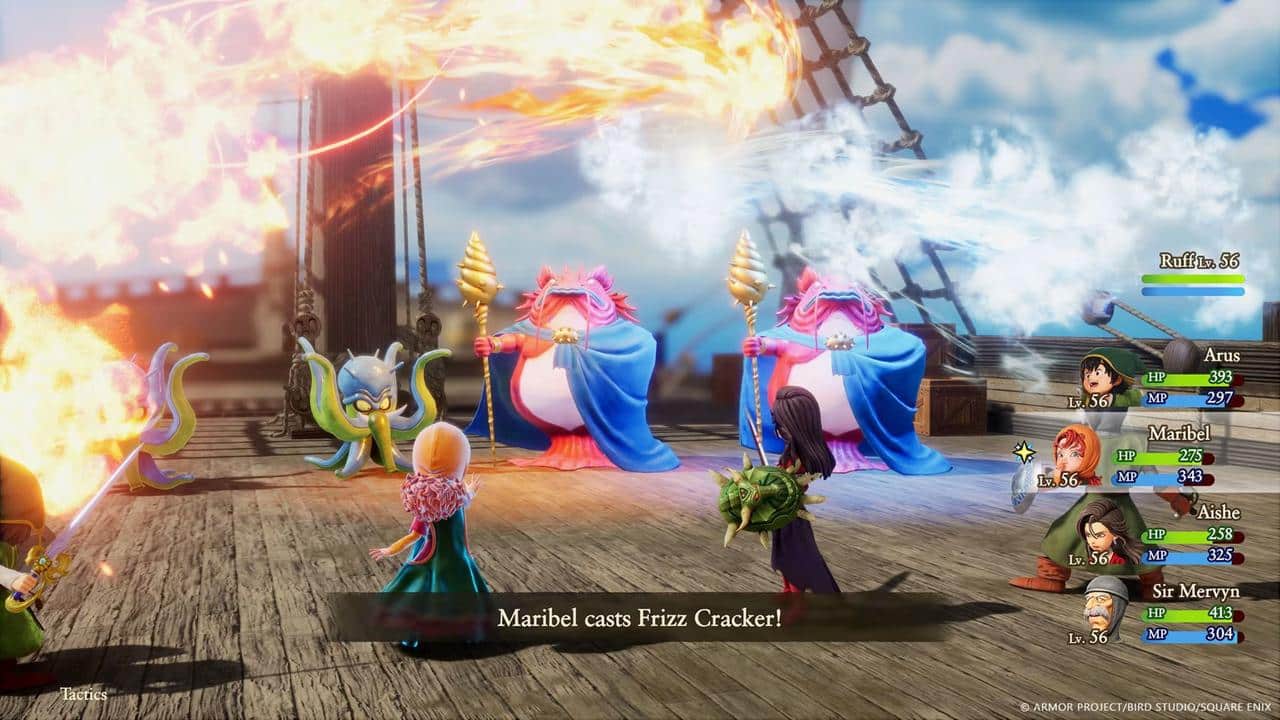
Combat sticks to a traditional turn-based setup, but it feels more responsive than earlier versions. Turns move along cleanly, and you spend less time buried in menus deciding what to do next. Enemies can punish sloppy decisions, but the game gives you enough tools to recover through skills, items, and party composition instead of demanding perfect play.
Vocations are where the gameplay really starts to open up. Characters gain access to multiple roles over time, letting you mix abilities and adjust how each party member contributes. Some combinations push damage, others focus on support or control, and trying out different setups becomes part of the fun as encounters change.
What really helps is how easy it is to play on your own schedule. You can knock out an island in one longer stretch, or make a bit of progress and come back later without feeling lost. The gameplay stays easy to follow, even deep into the game, which matters a lot when you’re this far in.

A Unique Handcrafted, Diorama-Style Look
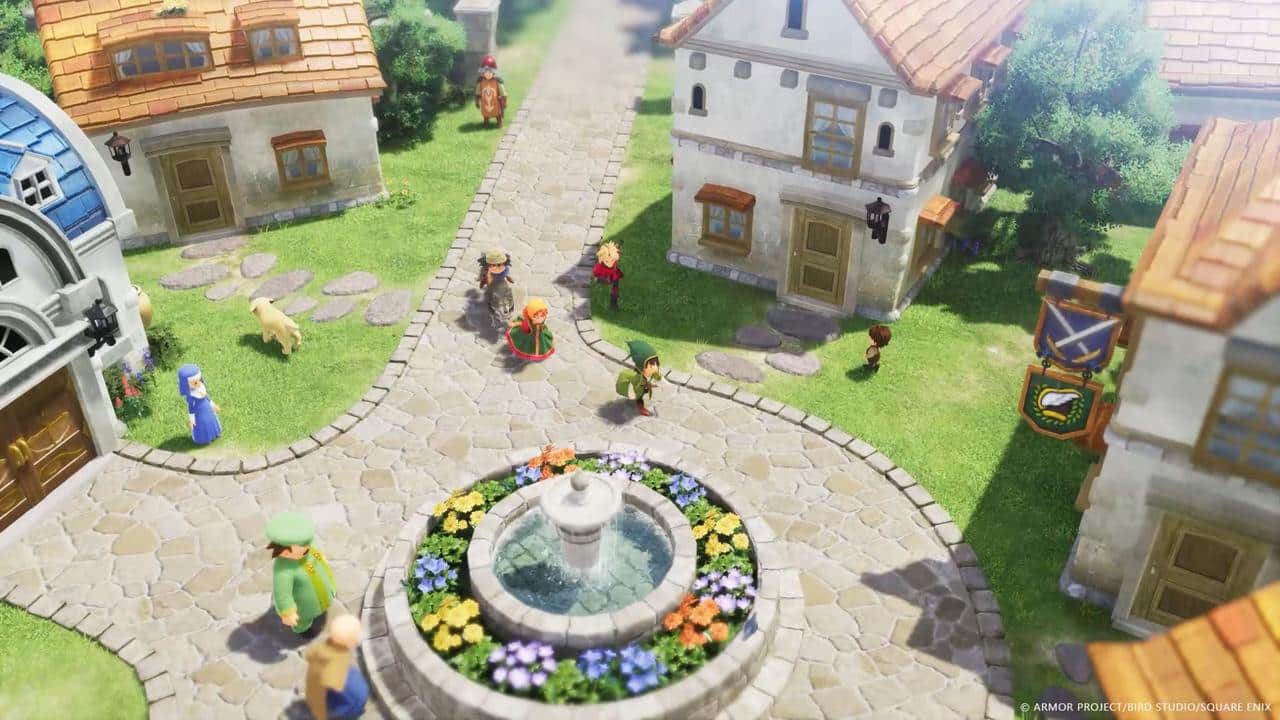
Dragon Quest 7 Reimagined has a look that immediately sets it apart. The handcrafted, diorama-style presentation gives the world a physical, almost toy-like feel, especially as you move through towns and overworld areas. Everything feels compact and intentional, which fits a game built around hopping between islands rather than roaming one massive map.
Characters follow a doll-like style rooted in Akira Toriyama’s designs. It’s not the usual look you see in modern RPGs, but it grows on you as you play. Battles stay easy to follow, and it’s simple to keep track of enemies even when things get busy.
The soundtrack fits the pace of the game and never feels like it’s fighting for attention. Familiar themes return with updated arrangements that match the slower pace of exploration. Town themes feel calm and reflective, while battle music keeps things moving without becoming distracting. It’s the kind of soundtrack that stays comfortable to listen to, even deep into the game.
Even so, everything stays visually consistent, which helps once you’re well into the game and moving between different areas. In practice, the visuals and sound help the world feel steady and readable. No matter where you are, it always feels like part of the same place.
Dragon Quest 7 Reimagined Feels Like the Right Way to Revisit a Classic
Dragon Quest 7 Reimagined doesn’t try to turn the game into something it was never meant to be. Instead, it focuses on making a very specific kind of RPG easier to live with. The slow build, episodic structure, and long road to seeing everything through are still here. But they’re presented in a way that fits modern play habits.
The story works because it gives you time to settle into each island. To get to know the people there before moving on. Gameplay stays interesting because everything remains easy to follow. Especially once vocations start to open up and give you more options. The presentation also gives the world its own personality. Helping it feel different from other modern RPGs without trying to impress through size or realism.
There are still moments where the game reminds you how big it is. Some parts repeat familiar patterns, and a few ideas take a while before they come into their own. Even so, those moments feel tied to how Dragon Quest 7 has always worked rather than something getting in the way.
What makes Dragon Quest 7 Reimagined work is how comfortable it feels to return to. However you approach it, the game usually makes good use of the time you put into it. For anyone curious about one of the series’ most ambitious entries, this version makes a strong case for being the easiest way to experience it yet.
DRAGON QUEST VII Reimagined



Summary
Dragon Quest 7 Reimagined takes a famously long adventure and makes it much easier to stick with. The island-by-island structure still drives the story, but the pacing feels smoother and easier to manage as you go. Combat stays easy to follow, vocations give you room to experiment, and exploration never turns into a slog. With its handcrafted, diorama-style look, Dragon Quest 7 Reimagined ends up being the most approachable way to finally see this journey through.
As always, remember to follow us on our social media platforms (e.g., Threads, X (Twitter), Bluesky, YouTube, and Facebook) to stay up-to-date with the latest news. This website contains affiliate links. We may receive a commission when you click on these links and make a purchase, at no extra cost to you. We are an independent site, and the opinions expressed here are our own.