


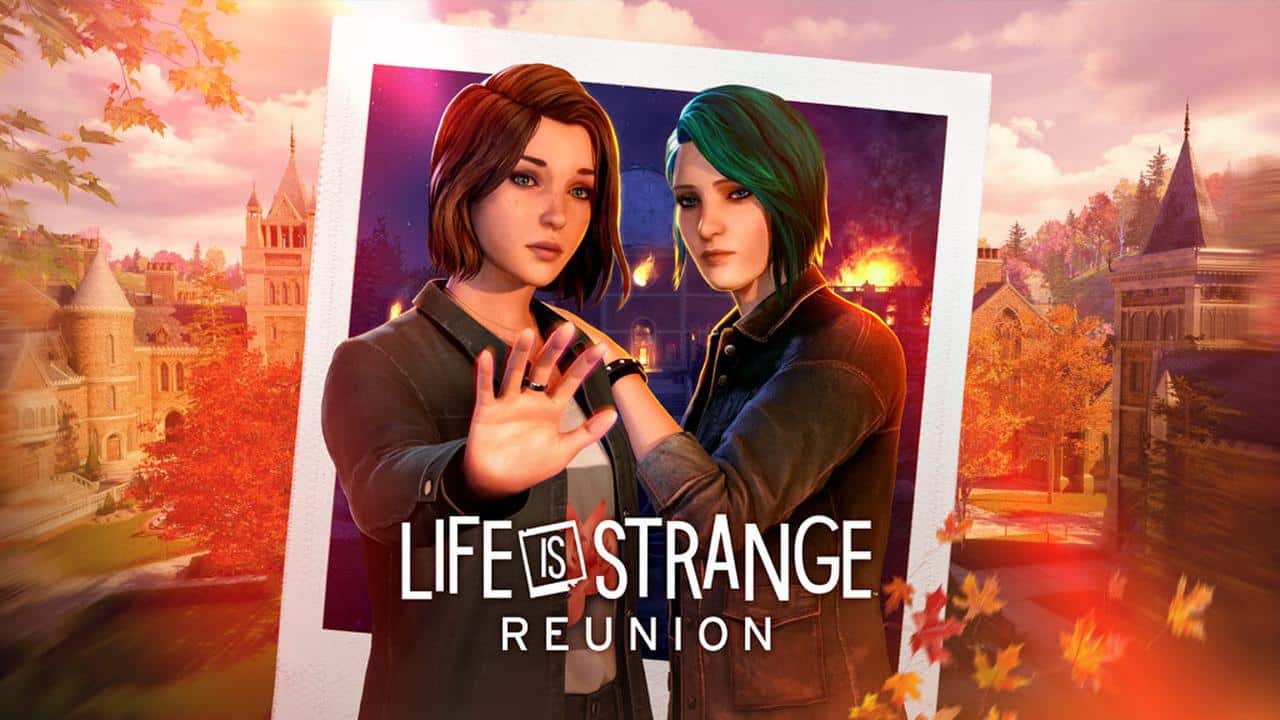
I still remember exactly where I was in 2015 when I first sat down with Max Caulfield at Blackwell Academy. It’s honestly wild to think that a little more than a decade has passed since that debut. Back then, I don’t think anyone truly grasped how much these two characters would end up defining what a narrative adventure could be. I still have vivid memories of that first play through. Wondering if my small choices were actually going to ripple through the plot the way the game promised.
The series has certainly branched out with different leads and new powers over the years. For me, the heart of this franchise always stayed with the original duo. Life is Strange: Reunion takes all that heavy history and finally gives these two the breathing room they actually deserve. It is a bit surreal to see them together after so much time has passed in our world, but it works.




This isn’t just a cheap trip down memory lane. It is about finding a sense of closure that has been missing for a little more than a decade. I’ve been waiting to see where their path would end. This latest entry honours that legacy while telling a high-stakes mystery that is urgent. Life is Strange: Reunion provides a meaningful goodbye to the two characters who started it all.
The Story Focused on a Walking Paradox
Caledon University is a complete mess when you first arrive. The story starts about a year after the events of Double Exposure, and Max is trying to make a life for herself as a faculty member. That peace gets shattered immediately by a massive fire that seems to have no logical cause. To stop the campus from burning down, Max uses a three-day-old selfie to jump back in time. This jump is what brings Chloe Price back into the mix. She is older now, working as a manager for a touring band called Drugstore Makeup. While the fire is the immediate threat you have to deal with, the real mystery involves a campus group known as the Abraxas cult. You’ll spend most of your ten-hour experience digging into their secrets. Trying to figure out why the universe is trying to erase Chloe from existence.
She is a walking paradox. And she keeps seeing Synaptic Echoes (flashes of her own death from a past that shouldn’t exist here). The game uses a clever narrative reset to explain why the world isn’t still in total shock after Max’s previous actions. You are constantly unravelling the cult’s secrets while trying to keep Chloe anchored to this timeline. It is a heavy setup, but the writing handles their complicated relationship with a lot of care. You can see how they have both aged, yet their bond stays intact through every conversation.
Two Leads are Better Than One
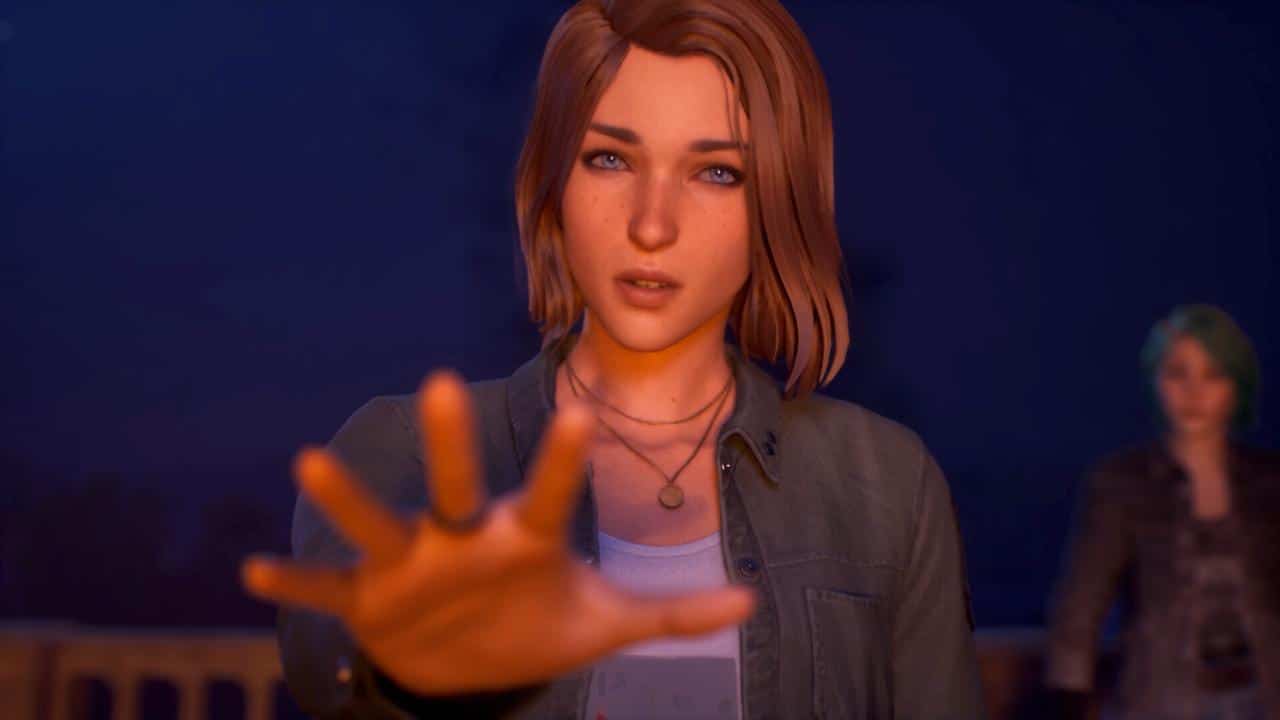
The biggest shift in how you play Life is Strange: Reunion is that you are actually juggling both Max and Chloe this time. You don’t just watch them interact, you actually control both of them to solve problems. This isn’t just a cosmetic swap. Each character brings a specific set of tools to the partnership. Max handles the timeline side of things. She uses her classic Rewind power (her ability to manipulate time) to gather info or replay conversations to catch people in their own lies. This feature is great because it lets you explore different dialogue paths to see how people react before you commit to a final choice. Since Max is a faculty member, she has access to university records, but she has to be careful not to raise suspicion while she snoops.
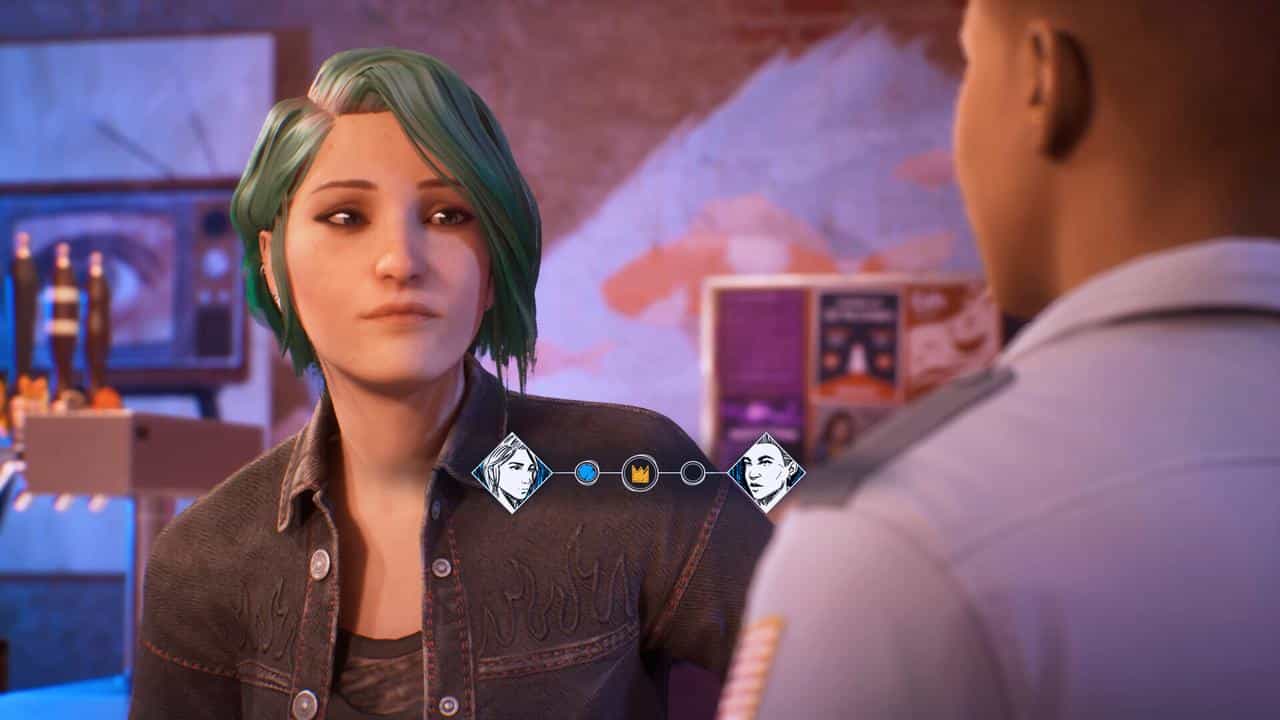
Chloe handles the more physical and aggressive side of the work. She uses a Backtalk option (a fast-paced way to converse) to push through barriers that Max’s more reserved position wouldn’t allow. Because Chloe isn’t tied to the university staff, she can reach areas and talk to people who would never open up to a teacher. You’ll find yourself swapping between them to manipulate the environment. I found myself having Max rewind time to position a specific object so that Chloe could use it to reach a high ledge in a restricted area. This dual-agency makes the partnership feel active rather than just a way to tell the story. You are always thinking about who has the right tools for the current problem, which adds a lot of variety to the chapters.

Technical Rough Spots on Campus
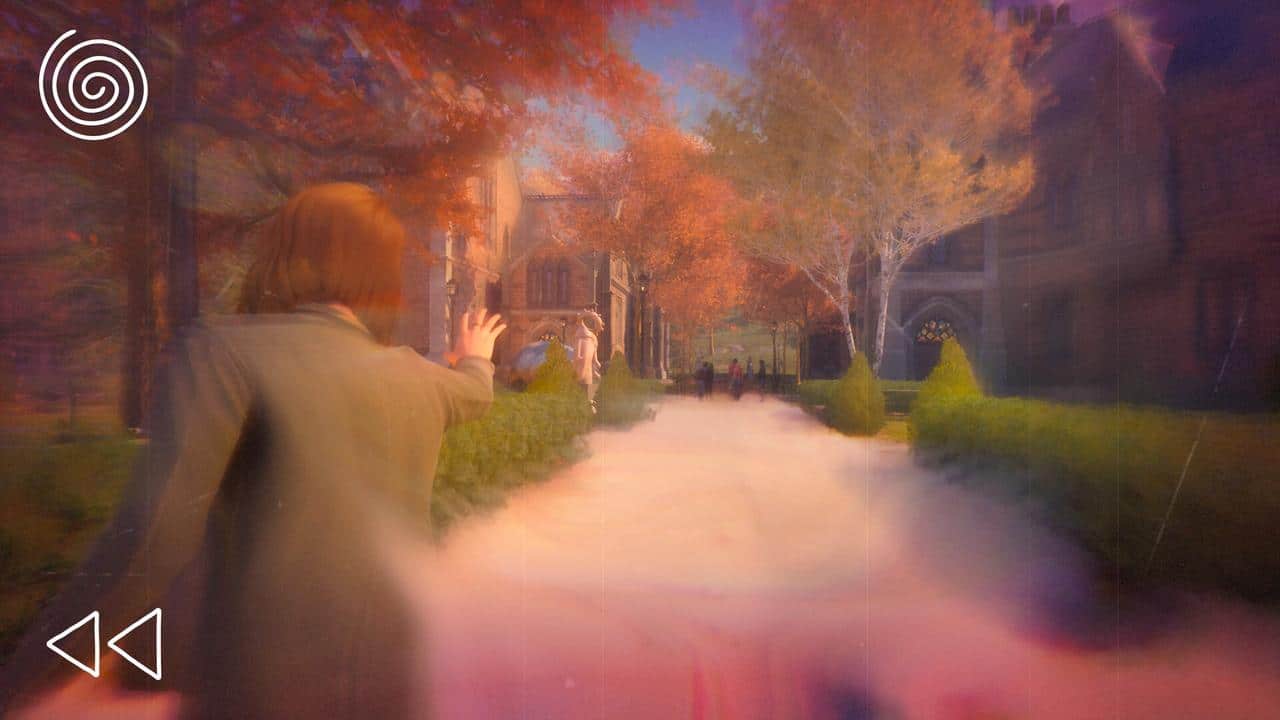
Visually, Life is Strange: Reunion sticks with that painterly art style we all know, and the lighting across the Caledon campus is often impressive. The character designs for an older Max and Chloe are packed with small details that show their age. The environments also feel lived-in, with posters on the walls and light hitting the trees in a way that makes the school feel real. However, you should definitely be prepared for some technical hiccups that haven’t been fixed yet. No matter what you’re doing, these hiccups are just going to happen, so you’ll have to just look past the technical issues when they pop up.
I noticed the facial animations got pretty stiff during those heavy emotional moments, and it’s a real shame for a game that hangs so much on how these characters look. It was a real drag when the writing was at its best and a character’s face wouldn’t match the emotion of the voice acting, which definitely pulled me out of the moment. I also ran into plenty of glitches. Like hair suddenly turning bright white or textures popping in while I was moving between areas. The PS5 handles things well for the most part. Though I did see the game struggle when there were too many lighting effects on the screen at once. Even though these problems were hard to miss, they didn’t ruin my time with the game. The writing and the voice acting were usually strong enough to pull my focus back to the story.
Life is Strange: Reunion Is the Final Goodbye Max and Chloe Deserved
Deck Nine didn’t have to bring these characters back, but I’m glad they did. The dual-agency features keep the gameplay from feeling passive. And the mystery of the Caledon fire is a solid hook that kept me moving through the chapters. It’s a character study that acknowledges how much Max and Chloe have changed over a little more than a decade. While keeping their core bond alive. The way the game handles the end of their story feels purposeful. It doesn’t feel like a simple nostalgia cash-in. You can feel the care that went into making sure this final ride hit the right emotional notes for fans who have been there since the beginning.
There are still some bugs to deal with. The facial tech needs work, but those are small complaints in a game this heartfelt. If you’ve been following this journey since 2015, this is the resolution you’ve been waiting to see. It closes the book on their story with a sense of purpose that the series has been lacking for a while. It is a short experience at roughly ten hours. But it is one that remained with me after the credits roll. I found myself sitting with the ending for a long time. Reflecting on where these characters started and where they finally ended up. Life is Strange: Reunion doesn’t just fix the heart of the series, it provides a meaningful goodbye to the two who started it all.
Life is Strange: Reunion
Summary

Life is Strange: Reunion provides the emotional closure fans have wanted since 2015. While technical bugs and stiff animations can be distracting, the dual-protagonist gameplay and strong writing make this a must play journey for anyone who loves Max and Chloe. It is a short but purposeful resolution to a decade-long story.
As always, remember to follow us on our social media platforms (e.g., Threads, X (Twitter), Bluesky, YouTube, and Facebook) to stay up-to-date with the latest news. This website contains affiliate links. We may receive a commission when you click on these links and make a purchase, at no extra cost to you. We are an independent site, and the opinions expressed here are our own.