

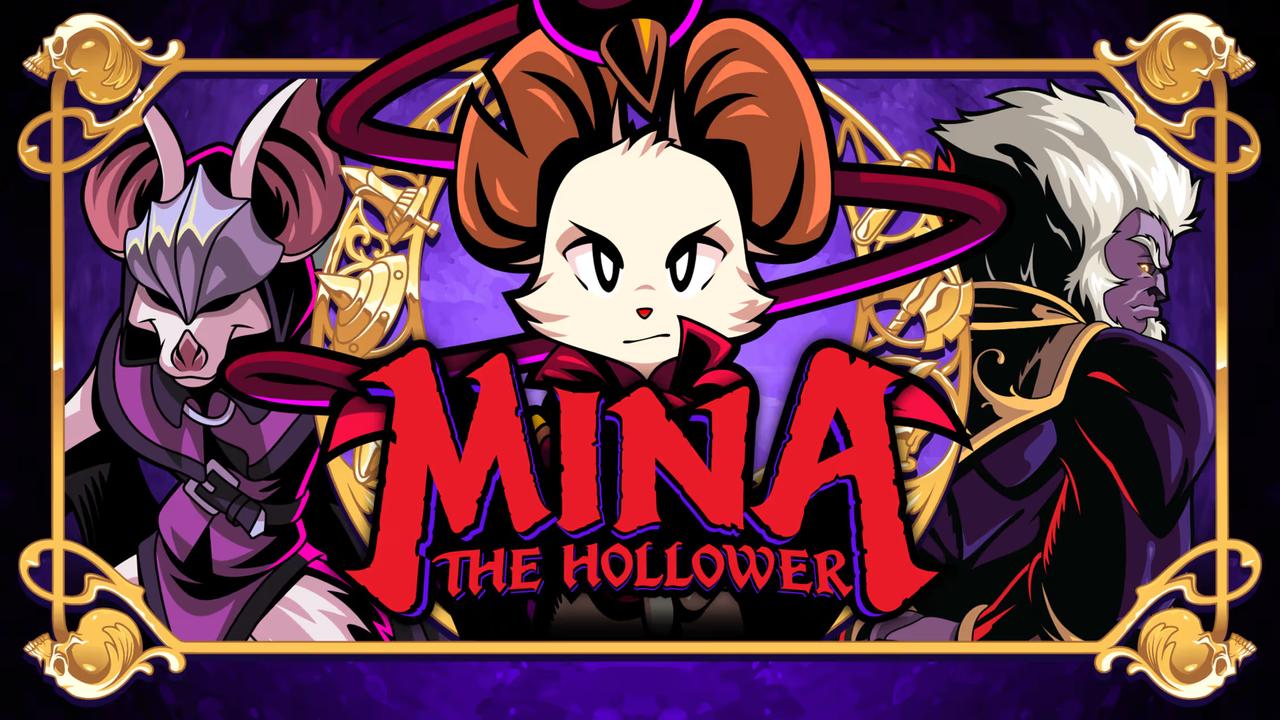
Mina the Hollower comes together quickly because movement, combat, and exploration all feed into each other from the start. Mina digs under danger, bursts back above ground, changes weapons at Hideouts, banks Bones, recovers Spark, and slowly learns Tenebrous Isle by reading the island itself. Everything feeds back into the same adventure.
That’s why Mina the Hollower lives up to Yacht Club Games’ reputation after Shovel Knight. It doesn’t coast on retro influence or nostalgia. It builds a tough top-down action-adventure where exploration, combat, and build choices all feed into how you understand Tenebrous Isle. Burrowing isn’t just a movement trick, and the no-map structure isn’t just an old-school nod. Both shape how you fight, search, and slowly learn the island. If you need a map and constant direction, though, Tenebrous Isle will probably frustrate you.
Tenebrous Isle Turns Direction Into Discovery
Tenebrous Isle is built around failing Spark Generators, and Mina is pulled back into the island’s trouble because she created them. Baron Lionel, an old friend, asks for her help after the generators stop supporting the local communities the way they should. Mina is also tied to the Hollowers, an earth-studying guild, which makes her burrowing skill part of who she is rather than a random traversal trick.
The island branches out from a central town hub into different regions, with six major generator objectives sitting at the heart of the adventure. After the opening stretch, you get room to choose your way forward. There’s still an intended order behind the challenge curve, but the game doesn’t push you down one straight path.
This is where Mina the Hollower may lose some people. There’s no traditional map, so you need to pay attention to what the world is telling you. Landmarks, NPC hints, the in-menu manual, and posted directions all become part of how you find your next objective. I like that approach because it turns exploration into real observation instead of icon chasing. You start remembering blocked passages, strange rooms, and suspicious corners because the game keeps giving you reasons to return.
The downside is that backtracking can drag when the next clue doesn’t connect right away. When the island’s clues line up, Tenebrous Isle has a clear identity. When they don’t, wandering between the hub and the surrounding regions can slow the pace more than the combat does.
Mina the Hollower Builds Combat Around Risk And Tools
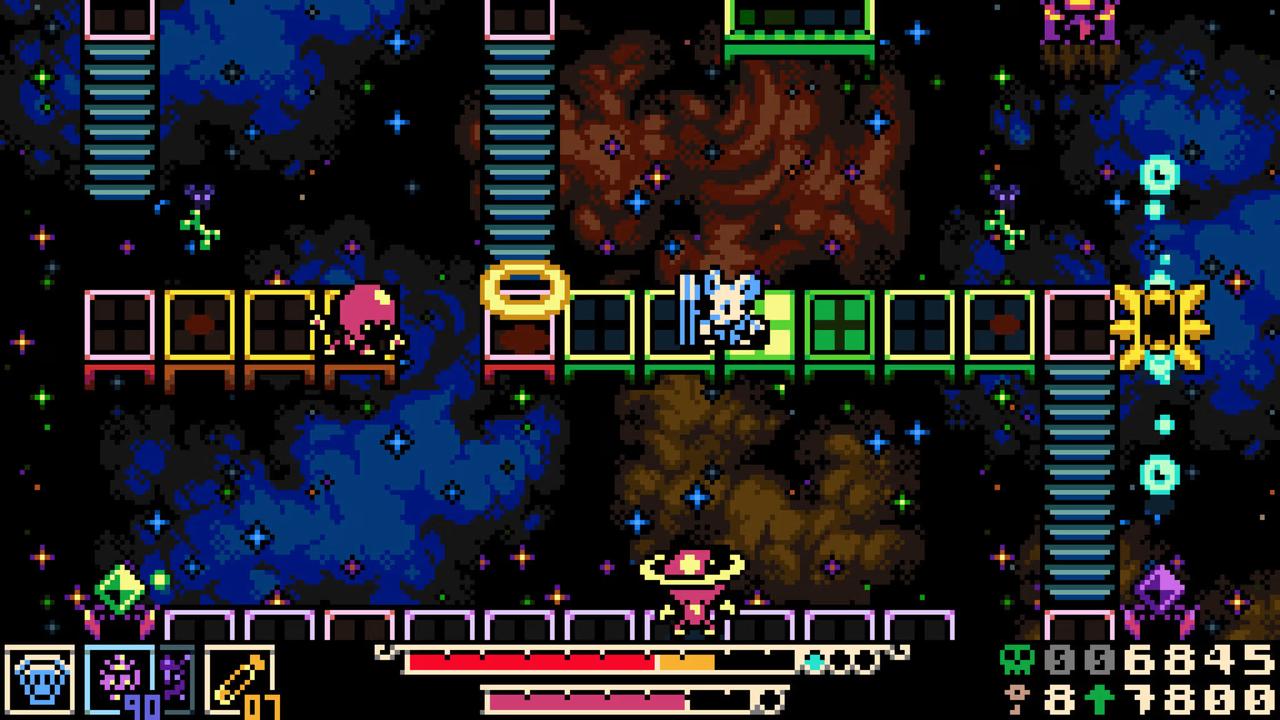
Burrowing is where Mina the Hollower finds its own identity. You can dig underground, avoid danger, slip beneath hazards, and burst upward to reach higher platforms or re-enter a fight. It isn’t just traversal. It changes how you deal with enemy patterns because Mina has to earn safe openings instead of simply trading hits.

The cause-and-effect design works well. An enemy closes in, you dig under the attack, then come back up with room to strike. A gap looks too wide, you burrow first, then launch out with extra reach. A secret sits beyond a normal jump, and the same tool becomes the answer. Combat and exploration keep crossing into each other because Mina’s movement tool supports both.
The risk comes from how death works. Spark lets Mina recover after failure, but losing it turns the next push into a real decision. You can try to reclaim Spark from the enemy that beat you, or you can retreat and spend Bones before taking another risk. If you die again before recovery, the Bones you were carrying can disappear. That rule makes every return trip after a death feel dangerous without forcing you to replay too much ground.
Mina the Hollower looks approachable at first, but the challenge ramps up fast. Aerial enemies, narrow jumps, and strict enemy timing can punish sloppy movement quickly. Checkpointing is fairer than the old-school look suggests, and in-game modifiers can adjust difficulty or quality-of-life rules. Options like super jump or faster walking can reduce the punishment, though enabling modifiers sacrifices the Feat challenge structure.
Weapons Sidearms And Trinkets Shape Mina’s Approach
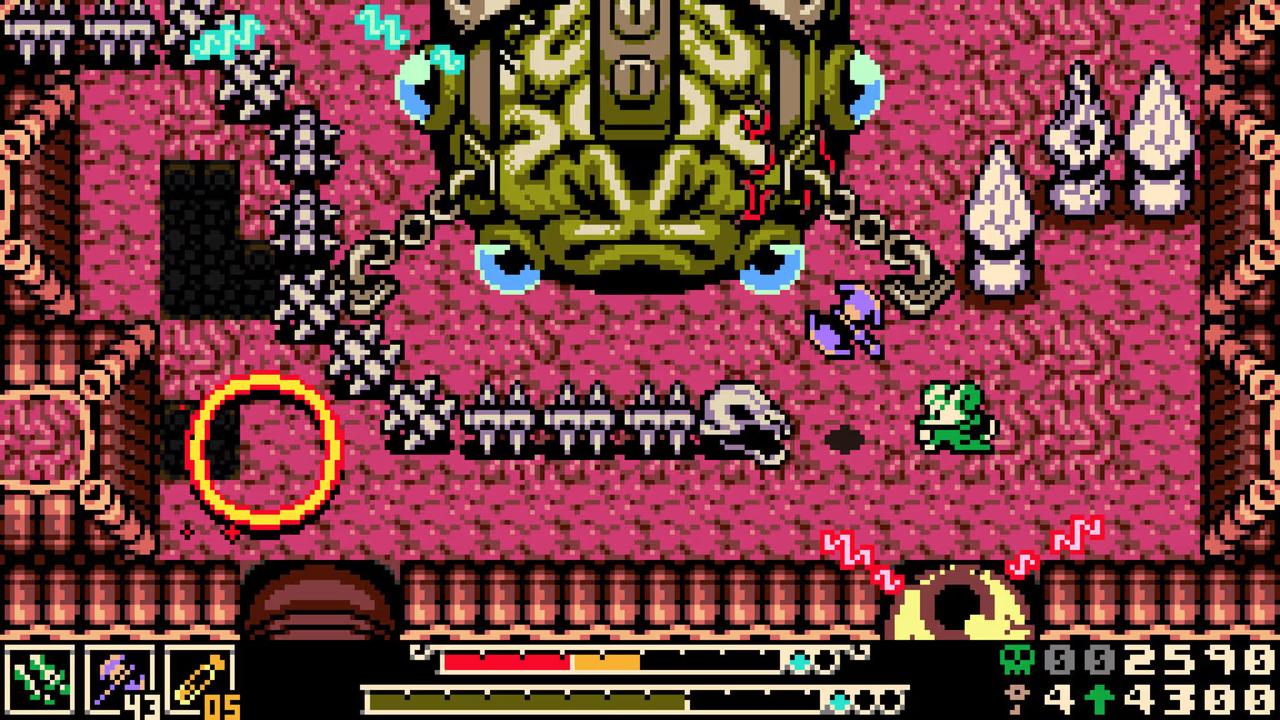
Mina’s weapons change how you place her in a fight. Guardian Casket supports a defensive approach. Battery Buster pushes you toward projectile-focused play. Blackstrike Maul rewards more commitment with slower, heavier attacks. Whisper and Vesper favour quick dagger attacks. Nightstar, the chain whip, gives Mina reliable reach and works as a steady anchor when you’re still learning enemy spacing.
You feel those differences in real fights because enemies don’t all reward the same habits. A slower weapon needs cleaner timing. A faster weapon keeps Mina closer to danger. A projectile option changes how you deal with groups or threats sitting across a hazard. Finding another weapon of the same type upgrades that weapon, so exploration feeds directly back into how well you survive later fights.
Sidearms add another decision without burying the action in menus. They use Joules, and Mina can only carry one Sidearm at a time. Some create safer attack angles. Others change movement or open different approaches to puzzles. Joules disappear when Mina dies, so there’s a practical reason to use Sidearms instead of saving them for some perfect moment that never arrives.
Trinkets round out the build choices. They can adjust Mina’s abilities, support navigation, or open access to items and areas. Combined with Bones as the main upgrade resource, they let you shape Mina around how you actually play. You’re constantly deciding whether survival, mobility, reach, or utility solves the problem in front of you.

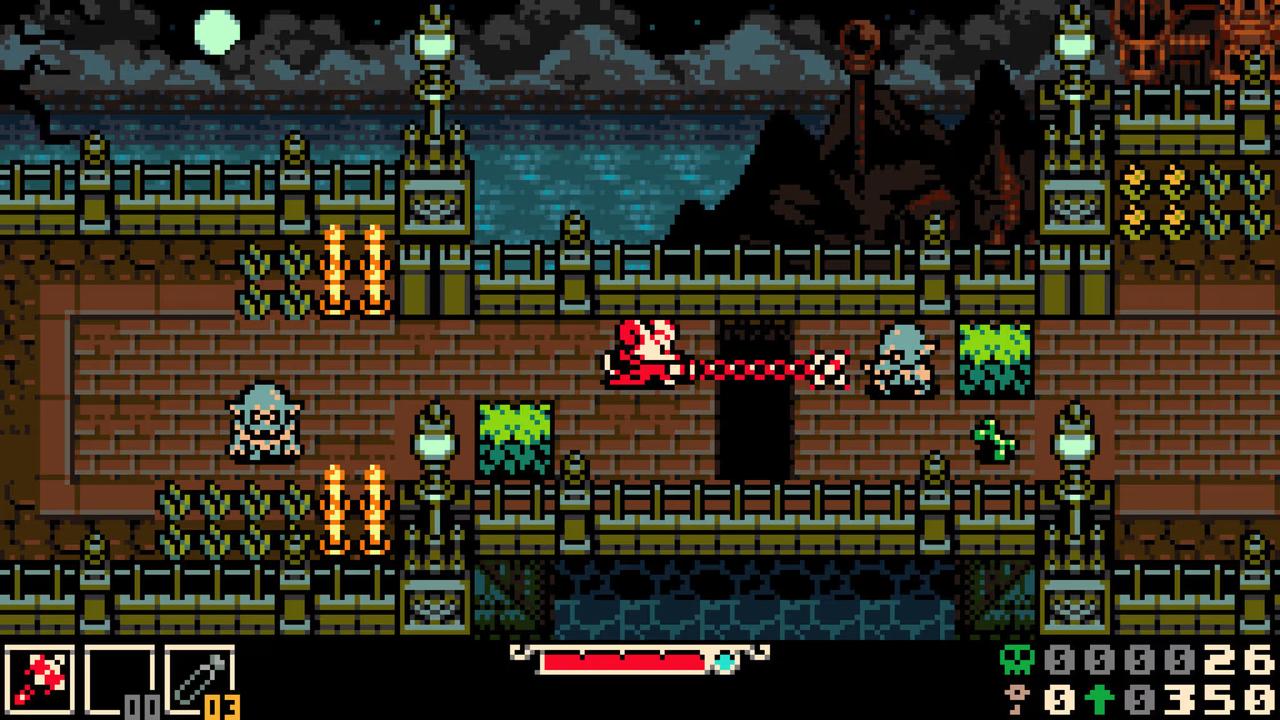
Tenebrous Isle Looks And Sounds Better Than A Simple Retro Throwback
On Nintendo Switch 2, Mina the Hollower supports 120fps and HDR. The higher refresh rate makes sense here because so much of the game depends on timing your jumps, burrows, and attacks while reading enemy movement.
The action holds up well during boss fights and hazard-heavy rooms. Mina relies on manual jumps, burrowing, and quick reads of enemy behaviour, so the screen needs to stay clear when everything starts moving at once. In handheld and docked play, the Nintendo Switch 2 version keeps pace with those demands.
The art supports the way you explore. Tenebrous Isle uses limited colours, chunky character shapes, and readable enemy movement to make the island easy to understand without a traditional map. The Game Boy-style influence is obvious, but the visuals aren’t just chasing nostalgia. You’re studying signs, blocked paths, enemy movement, and hidden openings, so the world needs to communicate clearly while you move through it.
The soundtrack gives the island a lot of personality too. Jake Kaufman and Yuzo Koshiro are credited on the music, and the gothic tone comes through without drowning out the action. Each region feels distinct enough that Tenebrous Isle never turns into one long stretch of similar rooms. The old-school style works because it supports exploration, combat, and mood at the same time.
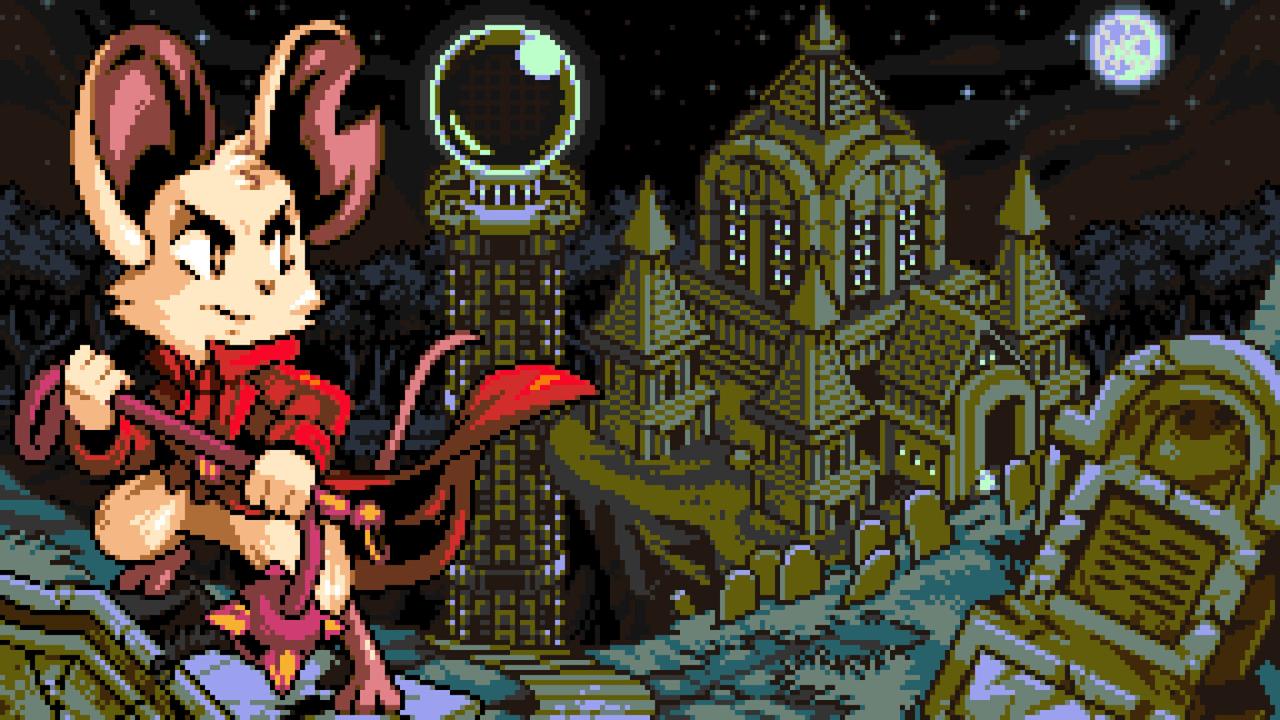
Mina the Hollower Makes You Earn The Way Forward
Mina the Hollower expects you to do some of the work yourself. It won’t mark every objective or explain every trick the moment you need it. It expects you to poke at the world, test Mina’s tools, remember blocked paths, and accept that getting lost is sometimes part of learning Tenebrous Isle.
That can be annoying. The no-map structure is the one design choice that will push some people away, especially when you’re circling the hub looking for the right path to the next Spark Generator. A little more guidance in those moments would’ve softened the frustration. The difficulty also bites hard when aerial enemies, narrow jumps, and enemy patterns all stack together.
Even with those issues, Mina the Hollower is an excellent action-adventure. Burrowing changes how you move and fight. Spark recovery makes death meaningful without wasting your time. Weapons, Sidearms, Trinkets, Bones, and Hideouts all connect cleanly to exploration. Tenebrous Isle is packed with secrets that reward careful observation.
This probably isn’t the right fit if you want an adventure that always points you forward. But if you enjoy top-down action with challenging combat, hidden paths, and a world that expects you to figure things out, Mina the Hollower is one of Yacht Club Games’ best releases yet.
Mina the Hollower


Summary
Mina the Hollower turns burrowing, weapons, Sidearms and hidden paths into a tough top-down adventure built around careful observation. The no-map structure can frustrate when clues don’t connect, but Spark recovery, and build choices keep Tenebrous Isle moving. It’s an excellent choice if you enjoy challenging exploration and don’t mind working out the path forward.
As always, remember to follow us on our social media platforms (e.g., Threads, X (Twitter), Bluesky, YouTube, and Facebook) to stay up-to-date with the latest news. This website contains affiliate links. We may receive a commission when you click on these links and make a purchase, at no extra cost to you. We are an independent site, and the opinions expressed here are our own.