


007 First Light is most interesting when a mission starts falling apart. A guard gets suspicious, your plan changes, and you have to decide whether to talk, distract, fight, or disappear. Those recovery moments turn mistakes into part of the mission instead of a reason to restart.
007 First Light isn’t IO Interactive simply dropping Bond into another replay-first stealth game. It’s a story-led single-player action-adventure about a younger James Bond trying to survive inside MI6 before he fully grows into 007. 007 First Light is aimed at Bond fans who want gadgets, social stealth, short brawls, and spy work where a bad decision can open a different path forward.

The one thing to know up front is that this is a campaign-first Bond game. The campaign takes around 15 to 20 hours depending on how much you explore, and Tactical Simulation mode adds separate challenge-focused content once the story is done. If you’re coming in for a full Bond adventure with personality, this hits the mark. If you mainly want wide-open stealth spaces or repeated mission mastery, this probably won’t be the version of Bond you had in mind.
MI6 Tests A Young Bond Before He Becomes 007
The younger Bond story works because MI6 is constantly testing him. 007 First Light catches James Bond before he earns 00 status. So the campaign can test his instincts instead of assuming every decision he makes is already correct.
The agency’s interest in Bond becomes the first real hook. The Double 0 program sits ahead of him, and the rogue-agent threat gives the campaign a larger danger to chase, but the better story material comes from watching Bond prove he belongs before he understands the cost. The destination is obvious because this is James Bond. The story has more to work with when Bond’s inexperience, MI6’s expectations, and John Greenway’s pushback all meet in the same place.
The Bond touchstones are here, but they don’t arrive as a checklist. Moneypenny and Q make MI6 feel active around Bond instead of leaving the agency as a room where objectives get handed out. Universal Exports adds classic intelligence-world texture without requiring a Bond history lesson. Newcomers get enough context to follow the story, and longtime fans still have the names and locations they expect.
The weaker side is the opposition. Some turns are predictable, and the villains never get the same attention as the people around Bond. That weakness is easier to accept because Greenway and the MI6 cast keep pushing Bond in ways that reveal character. As Bond’s mentor, Greenway challenges Bond’s instincts and stops the story from treating Bond’s self-belief as automatically correct. I liked that Bond isn’t treated as flawless just because the name is on the box. Patrick Gibson plays him with attitude, but there’s still an untested edge underneath it.
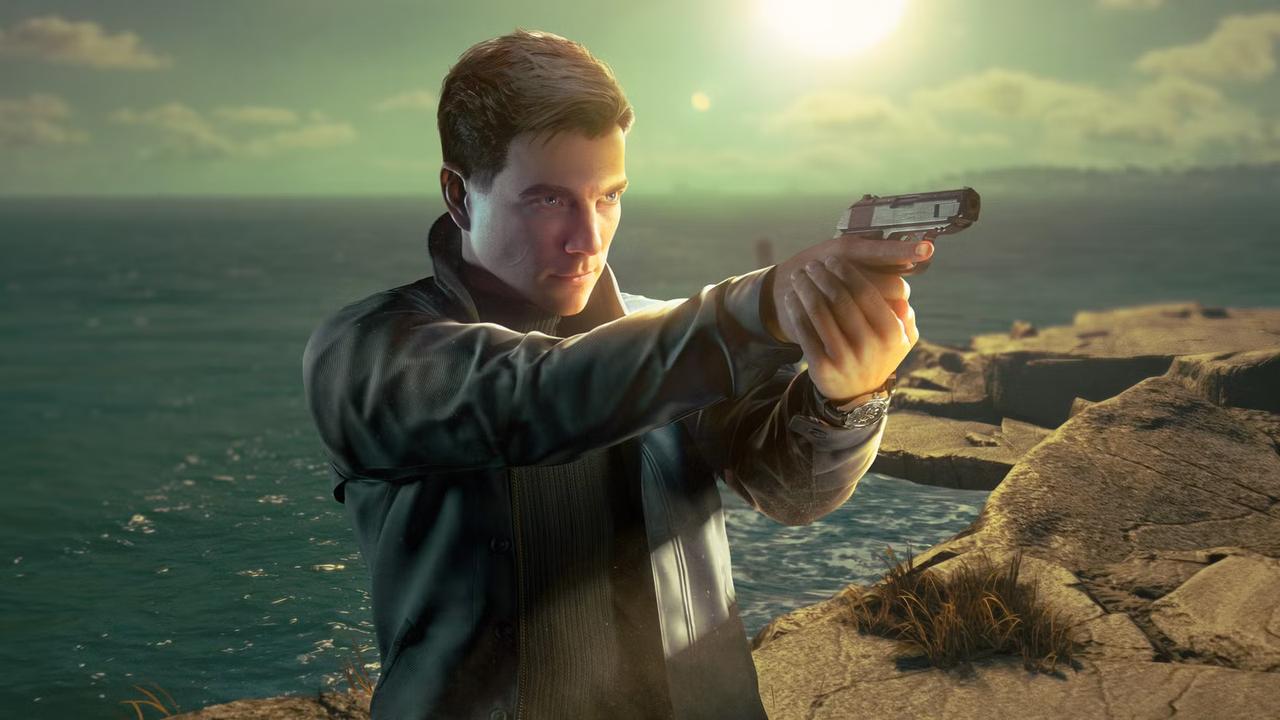
Spy Tools And Bluffing Make Missions More Than Sneaking
Bluffing changes the way suspicion works in 007 First Light. A guard noticing Bond doesn’t always mean the whole attempt is over. Sometimes the game gives you a narrow chance to sell the lie, recover your footing, and keep the mission alive.
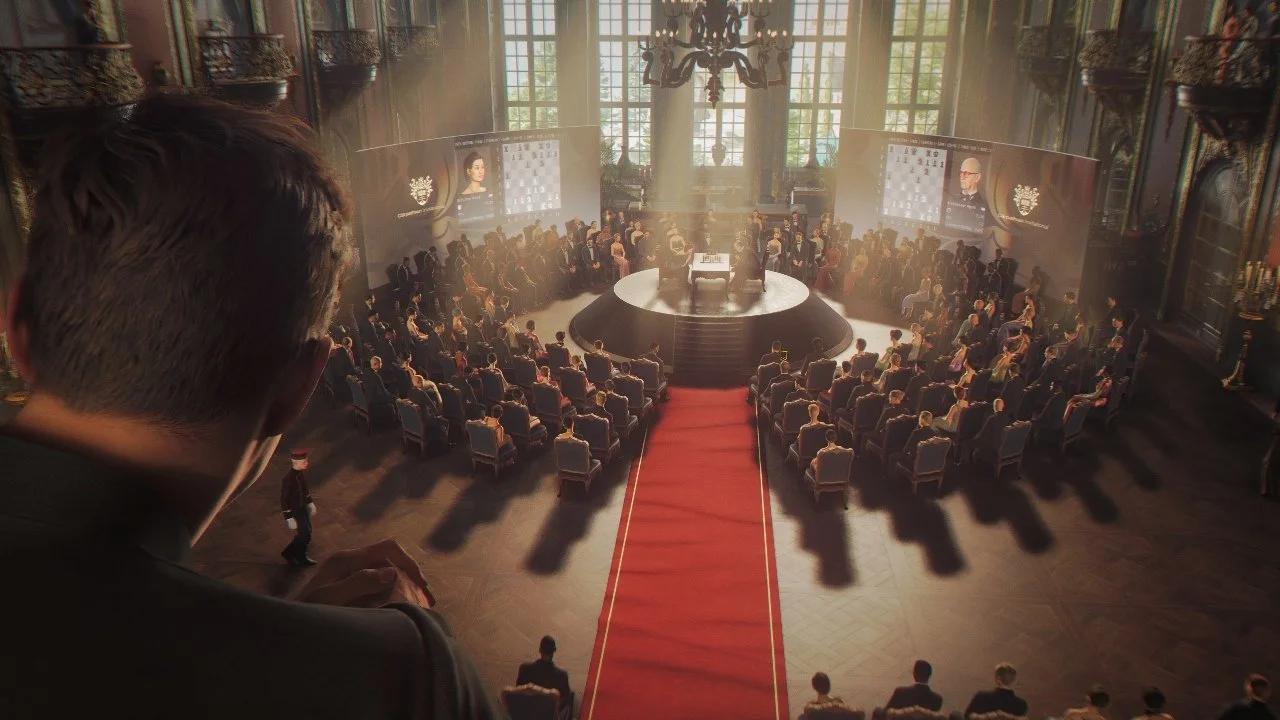
That changes how restricted areas play. Instead of treating every guard encounter like an automatic failure, you start thinking about exits, timing, and what Bond can use if someone starts asking questions. Observation remains part of the job. You need to understand who is nearby and where the safer opening might be. But the fun comes from knowing that one bad decision doesn’t always force a restart.
The gadgets add to that play style without taking over the missions. The Dart Phone is the best example because it lets Bond move attention away from a specific spot. The Q-Watch and Laser Strap work more like pressure tools, giving Bond ways to interfere with electronics or stop a risky situation before it becomes a fight. The Smoke Pod, Q-Lens, and Flash Mine round out the kit without turning every objective into gadget management.
That’s the key to why the spy work holds together. Gadgets usually change the next few seconds of a mission in a way you can understand right away. Bond gets room to move, a guard looks somewhere else, or a risky space becomes easier to cross. The campaign still has a clear path forward. It’s those small choices inside each mission that help it play like Bond is managing a live situation instead of moving from one obvious objective to the next.
Brawling Keeps 007 First Light Moving When Shooting Slows It Down
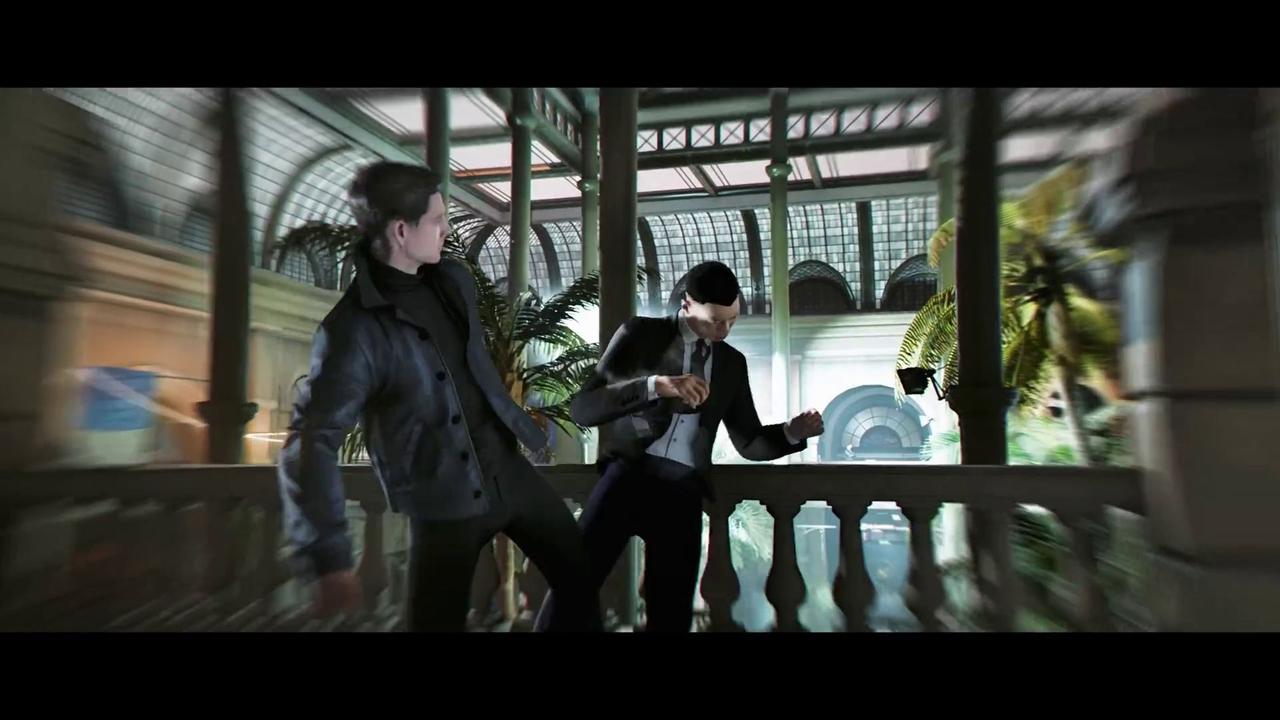
The physical fights suit 007 First Light better than the longer shooting stretches. When a plan breaks down, Bond doesn’t just back away and wait for a safer lane. He gets pulled into close-range scraps where the room itself becomes part of how he survives.
That makes the action feel better when the pace changes fast. A mission can go from stealth to a fight in seconds, and the brawling gives those moments a clear Bond identity. It also suits this younger version of the character. He has the training to survive a bad situation, but he doesn’t come across like a perfect agent who always had the right answer ready.
The hand-to-hand action also carries more of the 007 personality than the gunplay. Shooting has its place when the campaign needs a larger action beat. Though, it doesn’t define this version of Bond the same way. Those sections mostly move the game into familiar cover-based territory before the better spy tools and brawls bring it back to what works.
The driving sections are better as short punctuation marks. They break up the stealth and fighting, then step aside before the better mission work loses focus. That balance helps because 007 First Light is much more convincing when Bond is inside a room trying to control a bad situation than when the game shifts into broader action.
Performance Mode Keeps Missions More Responsive
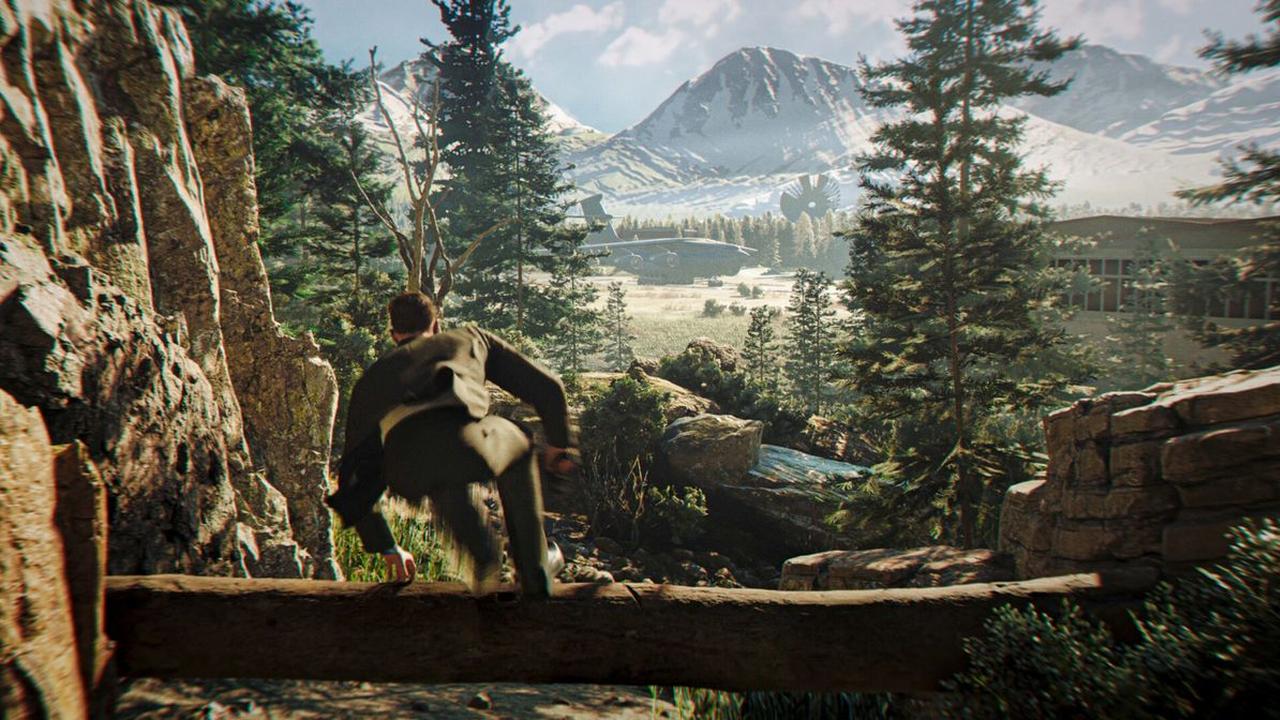
007 First Light looks its best when the environments help you plan your next move. The campaign’s social locations have enough clear detail that allow you to study entrances, exits, and suspicious movement. While the more hostile areas push you to slow down before you act. MI6 scenes also help the younger Bond story. You can see how much of his world is built around people watching and judging him.
There are two graphics modes to choose from, Performance mode is the one I played with. Resolution mode runs at 4K and 30 frames per second, while Performance mode targets 60 frames per second. The 60 frames per second target simply made the game feel better, especially when a mission changed from stealth to a fight.
Personally, I’d only play using Resolution mode if you care more about a sharper image than response time. For me, the faster feel of Performance mode suits this campaign better. Bond’s gadgets, movement, and brawling all benefit from the 60 frames per second target.
While playing, I did run into a few visual issues. Pop-in appeared in the distance during some missions. And background characters can look much plainer than the people in the main scenes. Neither issue pulled me out of the experience. Subtitles and ambient dialogue settings help with mission information, while menu narration supports navigation. Reduced light effects and flashbang dark effect settings also give you more control over intense visual moments.
007 First Light Is For Bond Fans With The Right Expectations
007 First Light works when Bond has to read and react inside the same mission. The campaign gives him gadgets, social stealth, close-range combat, and enough room inside each mission to keep the spy work active without turning the game into a giant sandbox.
007 First Light starts to feel more limited once the campaign is done. Tactical Simulation mode gives you more to do after the story. Though, it doesn’t turn the game into the kind of stealth game you’ll keep replaying again and again. The campaign is still the reason to play, especially if you want a Bond adventure built around MI6, Q-Branch, restricted areas, fights, and spy work.
The tradeoff is that the campaign carries more weight than the replay structure around it. Shooting and driving do their jobs, and the villain side has weak spots, but none of that changes the main appeal. 007 First Light is strongest when Bond is adapting under pressure and trying to keep a bad situation from completely falling apart.
By the end, 007 First Light makes its case through Bond’s ability to recover, not through sheer mission size. This is a younger 007 who is still learning, still reckless, and still fun to steer when a plan starts breaking apart. Replay-focused stealth fans may want more from Tactical Simulation mode, but the campaign has enough MI6 tension and Bond problem-solving to stand on its own.

007 First Light

Summary
007 First Light turns a young Bond campaign into a spy adventure built around bluffing, gadgets, and recovering when missions fall apart. MI6, Q-Branch tools, and close-range fights keep the campaign moving, but the shooting, driving, and limited replay value hold it back. It’s a good fit if you want a story-led Bond game focused more on spy work than giant stealth sandboxes.
As always, remember to follow us on our social media platforms (e.g., Threads, X (Twitter), Bluesky, YouTube, and Facebook) to stay up-to-date with the latest news. This website contains affiliate links. We may receive a commission when you click on these links and make a purchase, at no extra cost to you. We are an independent site, and the opinions expressed here are our own.