



Microsoft’s approach to cross-platform play, through Xbox Play Anywhere and Xbox Cloud Gaming, has changed the game for PC players. Play Anywhere allows ownership of a game on both Xbox and PC, but Xbox Cloud Gaming seems to be a simpler option for developers wanting to avoid the costs of a dedicated PC port. For PC gamers, this means easy access to console exclusives without needing new hardware.
To port, or not to port…
Xbox Play Anywhere, by its very nature, demands a developer to fully commit to two distinct versions of their game: console, and PC. This involves optimizing, bug-testing, and maintaining a separate PC build, which can be a significant undertaking, especially for smaller studios or highly demanding titles. This development overhead explains why the list of Play Anywhere titles, while notable, is not extensive. Enter Xbox Cloud Gaming. By simply hosting the console version of a game on their Series X|S server blades, Microsoft can instantly make that title playable on a vast range of devices, including any PC with a modern browser and a decent internet connection. For a studio, this is a massive reduction in effort, effectively providing a PC launch with little to no dedicated PC development.
The benefit for PC gamers is clear: console exclusives are now available on their preferred platform, even without an Xbox console. Games that might not get a PC port due to development issues can be played via the cloud. This system provides a great alternative to purchasing a game twice or waiting for a port that may not come, creating a “Play Anywhere” experience where only the Xbox ecosystem is important. It is instant and easy. I recently began playing a game on my PC via the cloud just minutes after it launched on consoles, a convenience that a usual PC port can’t offer. This ease is a strong advantage for gaining and keeping customers, but it has an important downside.
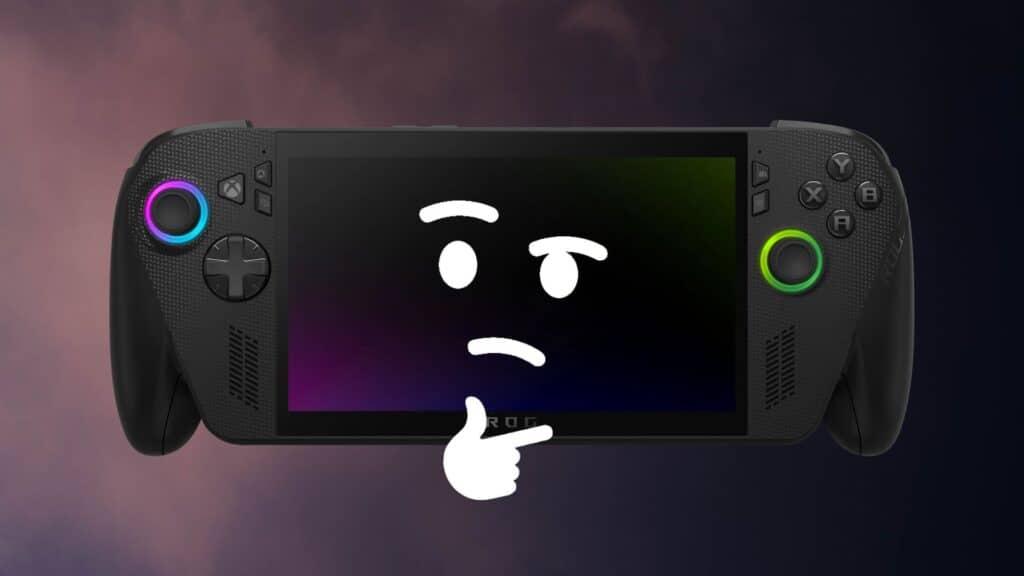
Cloud Gaming VS. Native Support
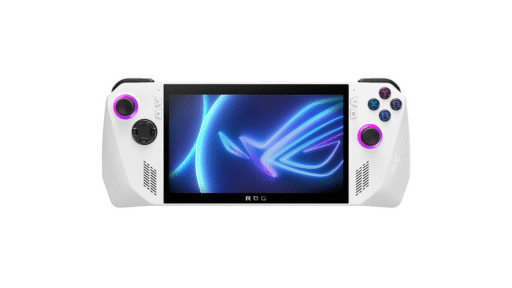
The main downside of this model is its reliance on a strong internet connection. For players who game offline, experience unreliable service, or have limited data, Cloud Gaming is not a suitable choice. Since it is streamed, quality depends on network stability, which can cause input lag or lower resolution. Additionally, console versions restrict PC players from enjoying customizations and improved performance found in native ports, such as uncapped framerates, ultra-wide support, and detailed graphics settings. We should encourage developers to see Cloud Gaming as a helpful addition to, not a poor replacement for, a proper, native PC version. Ideal Xbox Play Anywhere titles should always set the standard for full fidelity and offline play. The release of the ROG Xbox Ally systems should contribute to this decision, and hopefully Xbox will capitalize on it.
An Unified Ecosystem
The final exciting aspect of the cloud-based “Play Anywhere” is content flow. If console games can stream to PCs, the opposite should be possible too. This opens the door for exclusive PC games, especially smaller indie titles that avoid console certification, to be hosted in the cloud and streamed to Xbox consoles. This would create a unified ecosystem where a subscription gives access to the whole Xbox library, no matter the game’s original platform. This embodies the vision of “Play Anywhere,” allowing all games to flow freely across all devices, benefiting both PC and console players. The cloud’s convenience should serve everyone, not just a few.
Xbox Cloud Gaming is quickly becoming a popular option for PC users who want to play console games, offering instant access to a cloud library. This is great for players and developers, but it may lead to a reliance on cloud gaming instead of creating quality PC versions with offline support. While it’s a convenient platform, it shouldn’t replace native software permanently.



Interesting commentary Adria. I think Microsoft is going forward in a big way on both of these models, though.
Xbox Console and Xbox PC builds are not two separate entities that require double the work to target both. For the most part, the Xbox has always been just a fixed PC design point with some extra APIs (achievements, friends etc.) for an “Xbox” experience. The console has always been a stripped down Windows PC – which is likely to become even more evident in the next generation. And, those extra “Xbox” APIs now support PC builds of games that run on any system, not just the console.
If you are releasing a game on PC (which pretty much everyone does these days) it isn’t a lot of work to swap out Steam APIs for Xbox APIs and release on both PC and console.
It’s actually quite likely Xcloud will be based on the PC builds of games in the future. That way, they can more easily leverage existing Azure instances.