


Her reflections after the conference captured something bigger. Gaming isn’t a side hobby anymore. It’s where audiences actually spend their time, and advertisers are finally catching up. You could feel a sense of urgency in how people talked about it. The energy around the summit showed that brands now see gaming as a serious channel for connection, right alongside streaming and social platforms.
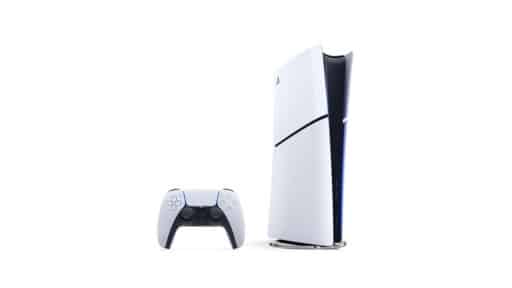
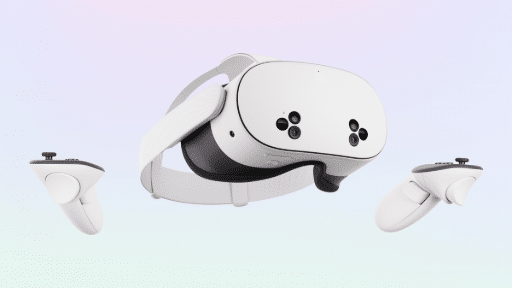
That focus on reach and accessibility is exactly where PHȲND comes in. The platform, developed by Nuuvem, centres on ad-supported play directly through smart TVs. No subscriptions, no extra hardware. PHȲND’s beta will roll out later this year in the United States, with more regions following in 2026. Back in the summer, PHȲND announced a global partnership with Samsung, which will bring its cloud gaming service to millions of smart TVs through the Samsung Gaming Hub.
Gaming Takes Center Stage at Adweek NY 2025
At this year’s event, gaming moved from the sidelines to the spotlight. The new Gaming Summit drew agencies and marketers eager to understand where gaming fits in today’s advertising mix. In Melody Yazdanyar’s reflections from the event, she talked about how gaming’s accessibility and scale are reshaping how brands connect with people. Her main point matched the wider story: gaming has become part of mainstream brand storytelling.
That’s quite a shift. For years, the industry treated gaming like a novelty, fun to mention, rarely a priority. Not anymore. Advertisers now recognize it as one of the best ways to reach communities that traditional media often misses. The enthusiasm described during the summit showed gaming isn’t just entertainment. It’s culture, sitting beside streaming and social media in both reach and influence.
For the PHȲND team, that timing couldn’t be better. The sessions at the conference mirrored exactly what the service aims to deliver: ad-supported gaming that anyone can jump into instantly. Marketers are searching for new spaces beyond familiar platforms, and gaming fits that need perfectly. Seeing gaming finally treated as a legitimate part of modern media feels long overdue. Nice to see the rest of the industry catching up.
Reaching New Audiences Through Accessibility
One of the strongest takeaways from Yazdanyar’s reflections was how marketers are rethinking audience reach. Traditional channels keep losing traction, and gaming has become one of the few reliable places for sustained engagement. The Gaming Summit revealed just how curious media buyers are about connecting with people who have moved beyond television and even social platforms.
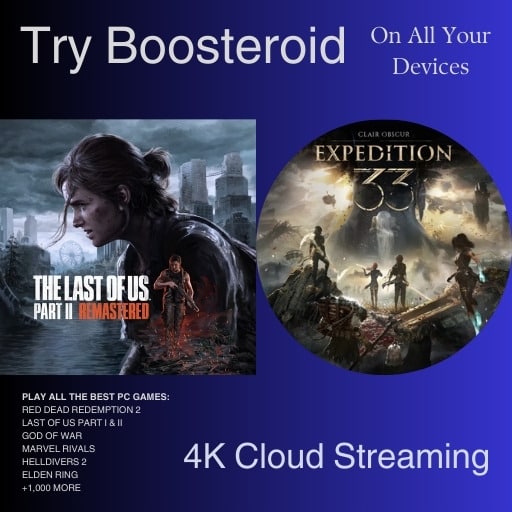
She pointed out that the excitement wasn’t about esports or high-end hardware. It was about accessible, ad-supported experiences that remove barriers. This direction shows how gaming can be inclusive and measurable at the same time, giving advertisers real ways to build lasting engagement. It’s less about splashy sponsorships and more about meeting people where they already spend their time.
The company’s model fits that vision. Its focus on free access through smart TVs reflects what brands want most: frictionless reach that mixes entertainment with visibility. It’s similar to how ad-supported video reshaped streaming. As Yazdanyar noted, the demand for accessibility shows something simple. People want ease, and advertisers are finally listening. Honestly, it’s refreshing to see the focus shift away from hardware bragging and back to actual access.
The Rise of Ad-Supported Gaming on Connected TVs
Another key theme from Yazdanyar’s notes was the growing overlap between gaming and streaming. Many discussions centered on the living room, where connected TVs are becoming a new gateway for entertainment. Ad-supported gaming is now finding a home in the same space that used to belong only to video and music streaming.
That change is a big one. As audiences move away from cable, connected TVs have turned into all-in-one hubs. Advertisers already view them as the next major screen for interaction, offering engagement that feels both measurable and familiar. Instead of browsing through apps, people can switch from a show to a game in seconds. It’s convenient, and it opens creative doors for advertising built around play rather than passive watching.
Yazdanyar’s takeaway was straightforward. Ad-supported gaming has outgrown mobile. The living room has become the main stage for attention, with smart TVs right at the center. For PHȲND, which joins other ad-supported platforms exploring Smart TV gaming, the trend confirms its direction. But the real story is bigger than one platform. Ad-supported gaming on TV isn’t a someday idea, it’s happening now, and brands are starting to see the potential. I still find it a little surreal how natural gaming feels on a TV again. Full circle, really.
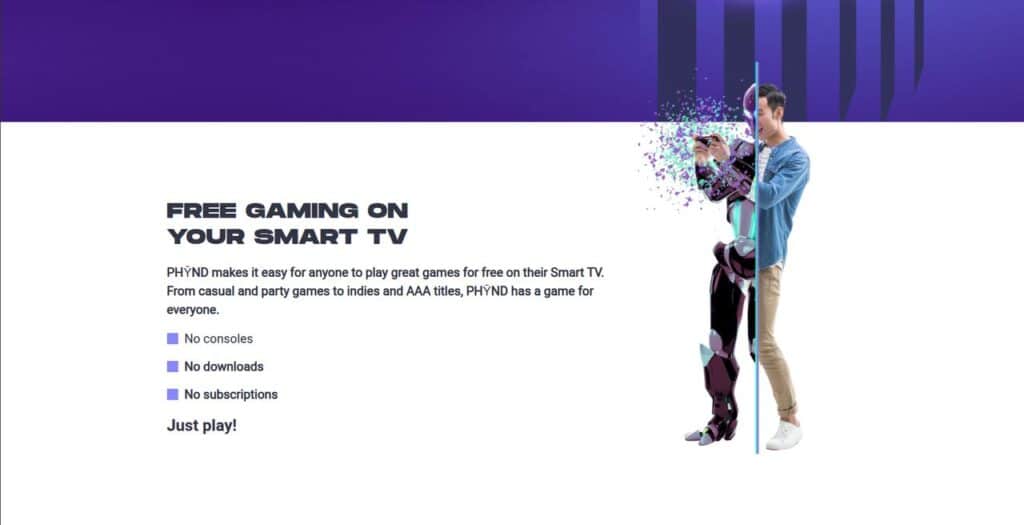
The Future of Ad-Supported Gaming
Adweek NY 2025 made one thing obvious: gaming has moved into the center of modern media. It’s not treated as a side topic anymore. The Gaming Summit showed that brands, agencies, and publishers now see gaming as part of how people experience stories and connect with content. That change was overdue, but it finally feels permanent.
For PHȲND, it’s validation. Its focus on accessible, ad-supported play matches what advertisers are searching for: reach, measurement, and connection without extra hardware. As the industry leans into gaming as a mainstream platform, PHȲND’s focus on Smart TV access feels right for where the industry is headed. It’s not about stuffing ads inside games. It’s about making gaming accessible enough to blend naturally into everyday entertainment.
One question always comes up when ad-supported gaming enters the conversation: will ads interrupt gameplay? In PHȲND’s case, the answer is no. The company has said its model uses short 15- or 30-second ads that appear during natural pauses, like when a game is loading and not during gameplay. It’s a small but important distinction. Ad-supported doesn’t have to mean intrusive, and if done right, it could make gaming more accessible without hurting the experience.
Outside the event, PHȲND is preparing for its beta rollout later this year in the United States, with more regions following in 2026 as the company scales globally.
Honestly, it’s exciting to see this shift happen in real time. Not too long ago, cloud gaming felt experimental. Now it’s sitting comfortably inside the broader media conversation where it’s always belonged.
As always, remember to follow us on our social media platforms (e.g., Threads, X (Twitter), Bluesky, YouTube, and Facebook) to stay up-to-date with the latest news. This website contains affiliate links. We may receive a commission when you click on these links and make a purchase, at no extra cost to you. We are an independent site, and the opinions expressed here are our own.