


I didn’t think a walking adventure could make me sweat. But swinging across a frozen canyon as my oxygen alarm blared into my headset changed my mind. DON’T NOD’s Aphelion drops you onto a brutal alien rock and ditches combat completely. Answering the big question right away. Yes, this unforgiving story-driven adventure is absolutely worth your time if you love heavy environmental pressure. Forget about blasting waves of monsters or grinding out arbitrary levels here. You’re just trying to stay alive on an uncharted rock as your own gear actively fights against you.
When you actually get your hands on the controls, the game wastes no time showing its true colours. You’re instantly white-knuckling your way up frozen vertical walls. Panicking over tangled suit lines, and figuring out how to override locked doors just to reach a tiny pocket of safety. It balances a slow-burn mystery with physical button inputs that demand complete focus.

If you want a game that forces you to plan your route rather than flash your reflexes, Aphelion keeps you completely hooked. It doesn’t rely on cheap jump scares. It relies on the quiet terror of deep space. Every leap feels dangerous. Every climbing grip feels temporary. And, that continuous worry kept me on the edge of my seat from start to finish.
Hope-01 space mission leaves two astronauts separated across a dead planetary landscape
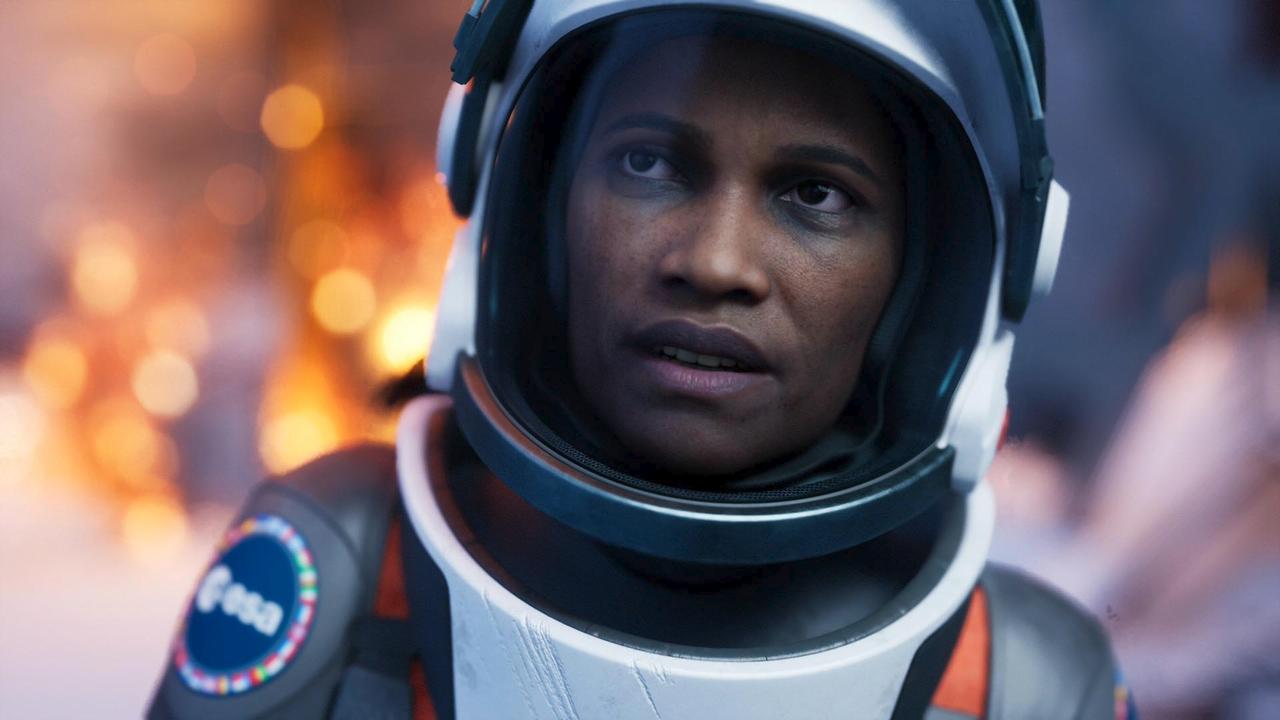
Ditching the usual over-the-top sci-fi heroics, the story kicks off like a blunt punch to the gut. The year is 2060, and the European Space Agency launched the Hope-01 mission to explore Persephone, an uncharted frozen tundra planet based on the mysterious Planet Nine. You experience this story through an 11-chapter linear timeline. One that alternates between two distinct viewpoints: Ariane Montclair, an agile astronaut pushing through the frost, and Thomas Cross, her injured companion dealing with a broken leg and a damaged suit. You start off with a violent escape pod ejection that leaves the duo separated across a dead landscape. It forces you to use former expedition research bases and abandoned outposts to piece together what went wrong.
Early on, I really liked how the game handled its environmental history. Instead of relying on long cutscenes or generic info dumps, you uncover the mystery by picking up scattered audio logs and checking left-behind research notes. The local history unfolds naturally as you track your route toward target structures called Nexuses. And, you chase a central power location known simply as The Source. A massive planetary electromagnetic pulse has fried the local equipment. And it also activates strange position-tracking projections that show flickering images of past events.
These ghostly apparitions guide your path and add immense emotional gravity to the journey as Ariane and Thomas try to find each other. When Ariane and Thomas talk back and forth, they don’t sound like flawless cinematic heroes trading perfect one-liners. They sound like two terrified utility workers just trying to make it home. You feel the isolation through every radio transmission, making their desperate push toward safety feel incredibly personal. It’s a blunt look at what happens when a planet wants you dead, and the game skips predictable space clichés entirely.
Navigating sheer drops and air lines turns basic movement into a puzzle
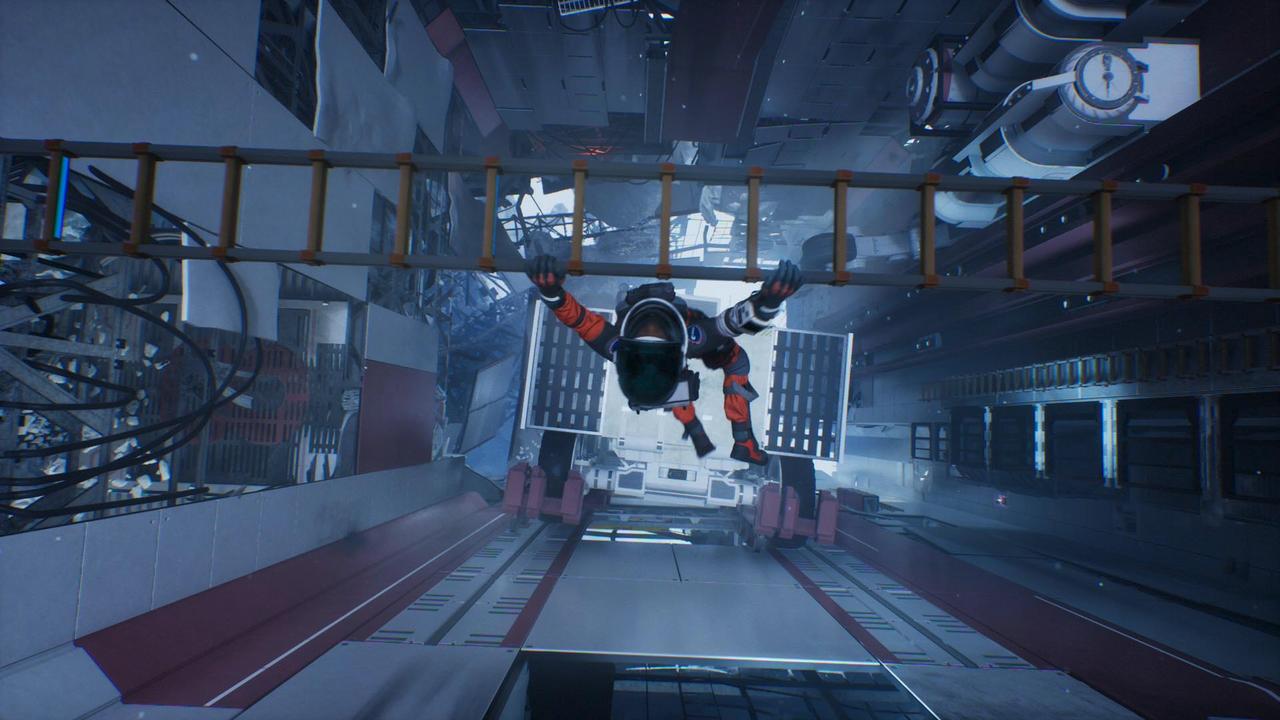
Getting from point A to point B is where the game really hooks you, and it’ll completely punish you if you let your guard down for a second. Most of your movement comes down to firing off a grappling hook to swing over giant chasms, wall-running across frozen ridges, and rappelling straight down into pitch-black holes. Climbing isn’t automated; you must manually monitor handholds, slide down icy chutes, and execute tightly timed ledge grabs. Walking along narrow icy pathways requires you to use the analog sticks to maintain your balance on slippery surfaces. If you slip, a quick recovery routine lets you tap a button to recover your grip before plummeting into the abyss.

Sprinting sequences mix up exploration, forcing you to make split-second button presses to dodge hazards like ground spikes and collapsing ice floors. Constantly babysitting your oxygen tanks is where the environment really starts to choke you out. Ariane’s suit is damaged, meaning your air supply drains constantly during exploration. You must hook up to research station charging points, drag oxygen hoses through corridors, and manage physical tethers.
Rushing drains your air reserves at double speed and exposes you to ice crystals that can puncture your suit. It forces a brutal choice: sprint to survive the frost, or slow down so you don’t instantly suffocate in your helmet. Locking your primary suit tether into an active wall node instantly refills your tanks and anchors your body against planetary high winds.
Silent frost blizzards and physical puzzles sell the terror of isolation
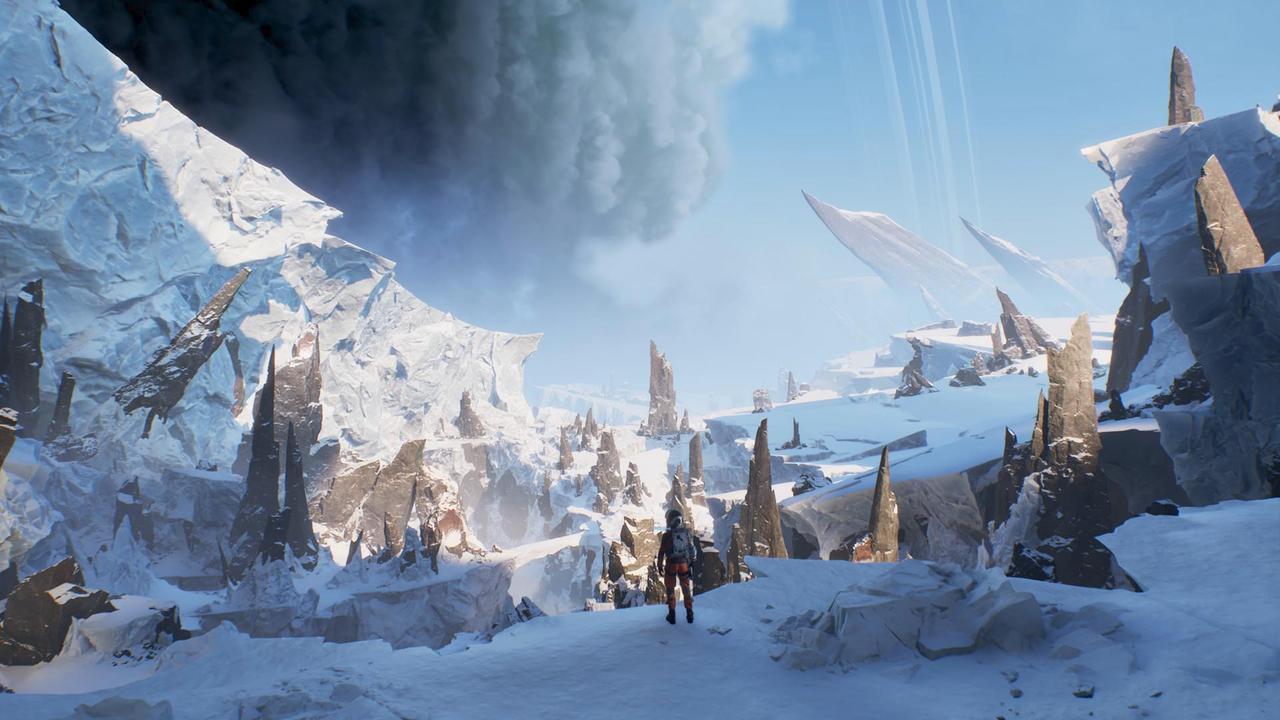
The second you step out onto the ice, Persephone slams a fist into your face. The screen is nothing but freezing deep blues and blinding sheets of frost, and the audio pulls you straight into the vacuum. Haunting violins and heavy pipe organs echo in your ears, making you feel completely cut off from the rest of the galaxy. The DualSense controller makes the cold feel tangible. You feel the physical click when your grappling hook bites into a wall, the sudden crunch of fracturing ice under your boots, and the frantic thumping of Ariane’s heartbeat vibrating through the plastic whenever your air drops below fifteen percent. Even tapping away at the door code puzzle panels feels manual and raw.
The environment matches the brutal gameplay. Walking into an abandoned European Space Agency facility feels completely hollow because the layout shows you exactly how fast the Hope-01 crew had to haul out of there. I got caught on a high ridge during a total whiteout blizzard where I couldn’t see an inch in front of my visor, forcing me to map out my route entirely by listening to where the wind whistled against the rock faces.
There are no magical map markers or neon waypoints guiding your path. You survive by reading the stone and tracking audio cues. Hearing a suit seam rip open or an oxygen valve hiss through the quiet ice hits like a shotgun blast, reminding you that deep space doesn’t give you a second chance.
Aphelion proves that stripping out traditional combat can carry a science-fiction journey
DON’T NOD took a massive gamble by stripping out traditional action elements, but that creative decision completely pays off. Aphelion doesn’t rely on big explosions or typical shooter gimmicks to hook you. It relies on the constant, suffocating dread of dragging yourself across a dead world. Managing your oxygen tethers as you navigate sheer ice cliffs with a grappling hook provides more genuine excitement than an inventory full of laser rifles ever could.
The 11-chapter trek wraps up before the climbing patterns feel like they’re spinning their wheels. Making sure you don’t get bored of the frost. Getting instantly wiped by the central eye of The Nemesis during stealth sections can feel rough. But that hostility is exactly what makes the planet feel dangerous. This mess of floating black strands zeros in on your noise. It, turns every single step into a game of hide-and-seek where slipping up means an instant restart.

You’ve got to use your visor gear to survive the dark. Firing off the EM scanner lets you trace energy waves and throw out audio decoys to drag the thing away from your hiding spot. Your other tracker, the Pathfinder, cuts right through the confusion. It paints a line straight to your destination so you don’t get lost in the ruins. Fooling that giant central eye by popping a fake signal and watching the strands chase it is pure adrenaline. DON’T NOD completely ditches standard horror tricks here, leaving you alone with nothing but the echo of your own breathing in a freezing wasteland.
Aphelion
Summary
DON’T NOD took a massive gamble by ditching combat, and it completely pays off. Aphelion hooks you through the raw panic of climbing frozen walls, babysitting your oxygen tanks, and tricking a blind, sound-tracking creature using your visor gear. The instant-fail stealth sequences against the giant tracking eye of The Nemesis is a bit punishing, but the incredible audio design and DualSense feedback turn this brutal trek into a memorable ride.
As always, remember to follow us on our social media platforms (e.g., Threads, X (Twitter), Bluesky, YouTube, and Facebook) to stay up-to-date with the latest news. This website contains affiliate links. We may receive a commission when you click on these links and make a purchase, at no extra cost to you. We are an independent site, and the opinions expressed here are our own.