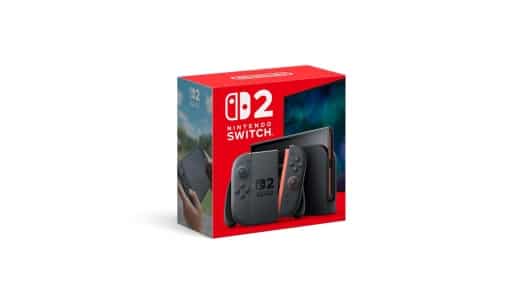



Ball x Pit drops you into a strange world built around ricochets, falling enemies, and quick decisions. At first glance it looks simple, almost like something you would have played in an old arcade. Those first few minutes do a good job of pulling you in as balls bounce through tight spaces and enemies slide down from above. It does not take long before the screen fills with motion and you start paying closer attention to where each hit lands.
Runs move fast. You grab upgrades, stack new ball types, and try to keep a rhythm going as waves push you toward the bottom of the pit. The random upgrade pool keeps each attempt from feeling the same, and the fusion system gives you a reason to experiment even when things get messy. There is a steady loop here that mixes reflexes with quick choices, and it all unfolds at a pace that stays interesting without dragging.




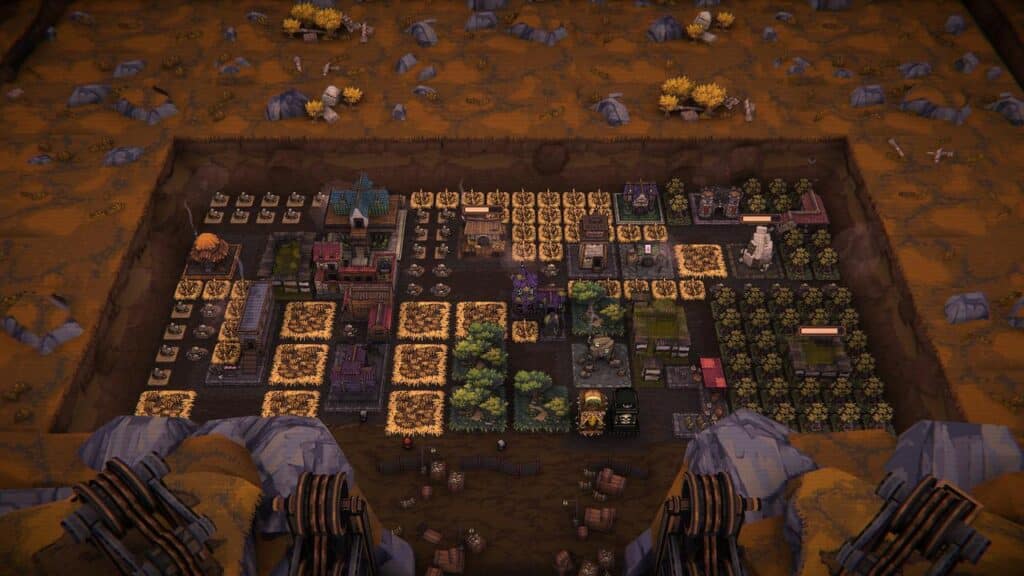
Outside the pit, the game adds a small settlement where you set up fields, build houses, and prepare for the next descent. It creates a nice contrast to the non-stop action inside the pit. You get a moment to breathe while still making progress that matters. Ball x Pit finds a solid groove between chaos and structure. It is the kind of game where one more run feels reasonable, and that feeling sticks around long after you start playing.
Layers Beneath Ballbylon
Ball x Pit builds its world around a ruined place called Ballbylon. Most of the city has been swallowed by a giant pit, leaving only scraps of structures around the rim and a small camp where treasure hunters gather. The game keeps the setup simple, but the pieces fit together well enough to give each run a sense of direction. You arrive as another adventurer looking to see how far the descent can go, and the story stays focused on that idea.
The pit itself acts like a layered map of the city. Each level represents a different part of what used to sit above ground, now buried and scattered. Collecting cogs pushes the elevator deeper, and you start to see how the remnants line up. It creates a feeling that each new stage connects to something older. The game never pushes long explanations, which helps the pacing. You get just enough detail to follow along without slowing down the action.
Up top, the camp grows as you unlock new characters and structures. Houses, fields, and strange buildings fill out the space, and the light humour in the item names gives the place a personality of its own. I found it easy to follow the small lore fragments tucked around the edges because they show up naturally while you manage your upgrades.
There is also a small push to see what waits deeper in the pit. Opening new layers feels like finding another part of a puzzle, even if the puzzle is not complicated. It works well with the short stage format. You drop in, take on a wave of threats, return to camp, and try again. That loop keeps the story present without turning it into something heavier than it needs to be.

Ricochets That Never Slow Down
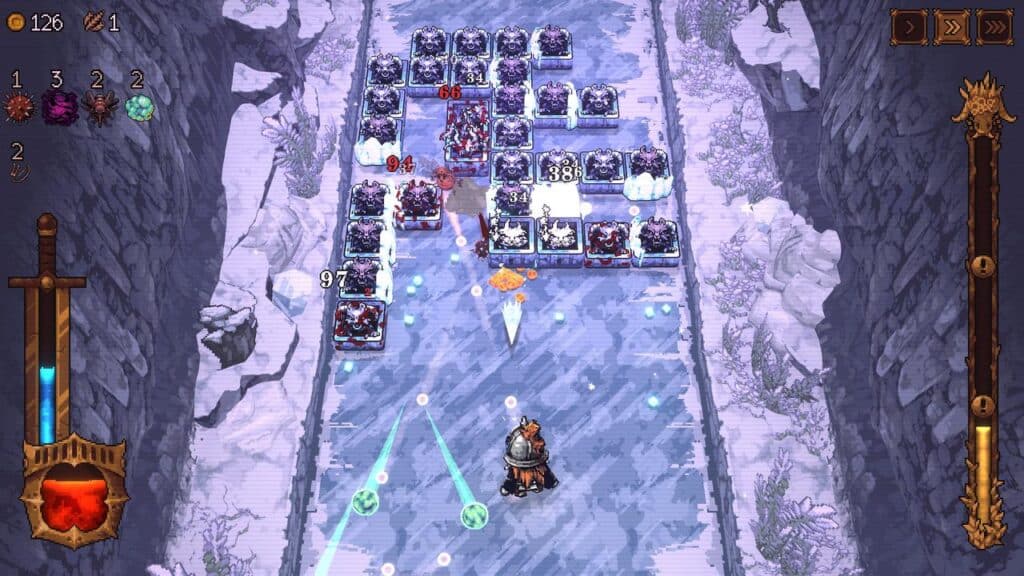
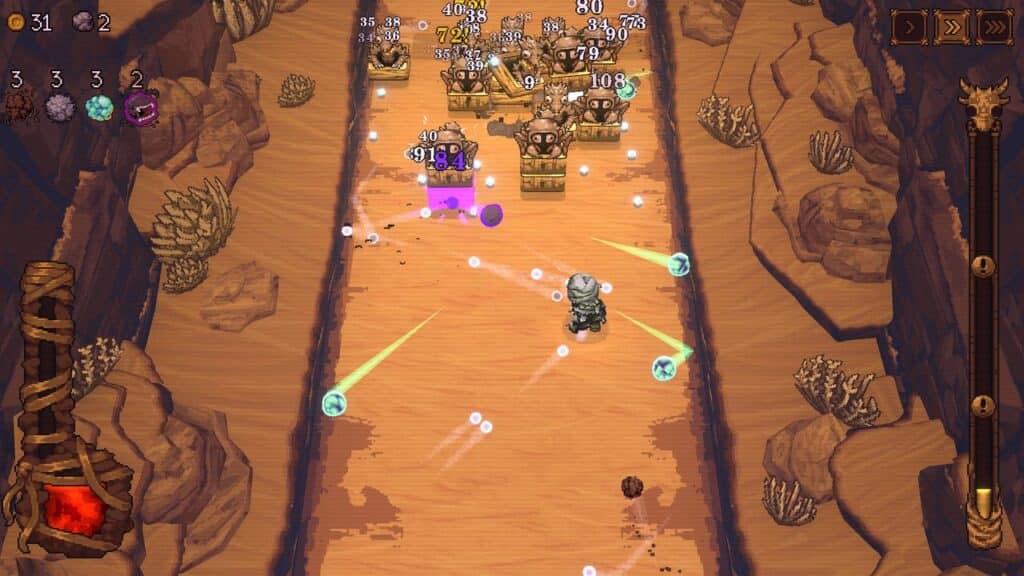
Ball x Pit moves fast from the moment you step into the arena. Enemies slide down the screen in tight formations, and your first instinct is to throw balls straight into the crowd. That works for a bit. Then the ricochets start stacking. The screen gets busy, and you start paying attention to angles more than anything. A quick shot to the side wall can bounce upward and hit several targets at once. It feels good when it works. It feels even better when you watch a ball whip around the field and clean up a whole row.
The upgrade loop builds momentum quickly. Each level up gives you a set of choices that push your run in a new direction. Sometimes you lean into heavy shots. Other times you chase slow, freezing effects to keep waves from pressing too hard. The fusion and evolution systems take things even further by letting you combine ball types into strange hybrids. One of my early runs turned chaotic in a fun way when a fused lightning ball kept chaining between enemies. It was a rare moment where everything clicked, even if the next run went in a completely different direction.
Enemy waves stay aggressive. Some stages feel tight because you need to manage the pressure at the bottom of the screen while still trying to set up those high ricochet paths. You never know exactly what upgrade you will get next, which keeps every attempt flexible. It helps that stages remain short, so even failed runs feel like small steps forward.
Outside the pit, the base work feeds right back into each attempt. Unlocking characters, harvesting resources, and upgrading buildings gives you something to look forward to between dives. It keeps the rhythm steady.
A Style That Fits the Chaos
Ball x Pit uses a retro style that fits the constant movement on screen. Characters have chunky outlines, enemies break apart in clear bursts, and the pit’s layers have a worn look that gives each area a slightly different mood. Nothing is overly detailed, which helps once the action picks up. It keeps everything readable without making you stare too hard at any one spot. That matters because the game fills up fast.
The screen can get wild during longer runs. Balls bounce in every direction, effects overlap, and enemies pour in from the top. The first time the screen got too busy for me on Nintendo Switch 2, I felt a quick rush of confusion before settling into the rhythm. It passes once your eyes adjust to what really matters. Bigger projectiles stand out, and item pickups use clear shapes. You can still get surprised by sudden crowding, but the layout does a good job keeping the important pieces in view.
Performance stays smooth even when the field is packed. Fast ricochets rely on steady frame pacing, and the game handles that well. Movement feels consistent, and aiming never slips, even in moments where everything is bouncing at once. It helps the whole loop feel predictable in a good way.

Audio sits comfortably in the background. The electronic soundtrack pushes the pace without overwhelming the action, and the sound effects land cleanly. Pops, clicks, and crunches layer together to match the visual clutter. It creates a steady mix that supports the gameplay without taking attention away from the screen. Ball x Pit’s presentation works because it stays clear and steady in moments where lesser games might stumble. It keeps the action readable while still leaving room for chaos.
Ball x Pit Thrives on Momentum Rhythm and Small Wins
Ball x Pit leaves a strong impression once you understand the rhythm behind its chaos. Every run pushes you into fast decisions, quick upgrades, and moments where everything on screen moves at once. It can feel overwhelming early on, but that feeling fades as the patterns sink in. Runs start to blend into a comfortable pace where each bounce matters and every upgrade feels like a small push forward. The loop works because it keeps you curious about what the next attempt will bring.
The base building adds a different kind of break. It sits between the action and gives you something steady to manage. It never pulls focus away from the combat, but it does offer a reason to plan ahead with fields, houses, and odd buildings that support long-term progress. I had a moment after a tough run where I went back to the surface and bounced a character into a patch of fields just to grab one last resource. It was a small thing, but it helped settle the run and made the next descent feel easier to approach.
Not everything lands perfectly. Some early screens get busy enough to hide smaller threats, and certain builds take longer to get going. A few runs can stall if upgrades do not line up the way you hoped. Those bumps show up here and there, but they do not take away from the overall flow. You always have something to chase, even when a run slips away.
Ball x Pit finds a mix of short action bursts, light planning, and steady progress that fits well into quick sessions. It rewards persistence without asking too much, and that balance makes it easy to return for a few more dives into the pit.
Ball x Pit

Summary
Ball x Pit hits that sweet spot where quick ricochets, steady upgrades, and short runs come together in a way that just feels good. The camp work between dives gives you something chill to manage before jumping back into the mess. Some runs start slow and the screen can get crowded, but that comes with the territory. If you want a game you can pick up for a few minutes and still feel like you made progress, this one fits the bill.

As always, remember to follow us on our social media platforms (e.g., Threads, X (Twitter), Bluesky, YouTube, and Facebook) to stay up-to-date with the latest news. This website contains affiliate links. We may receive a commission when you click on these links and make a purchase, at no extra cost to you. We are an independent site, and the opinions expressed here are our own.