

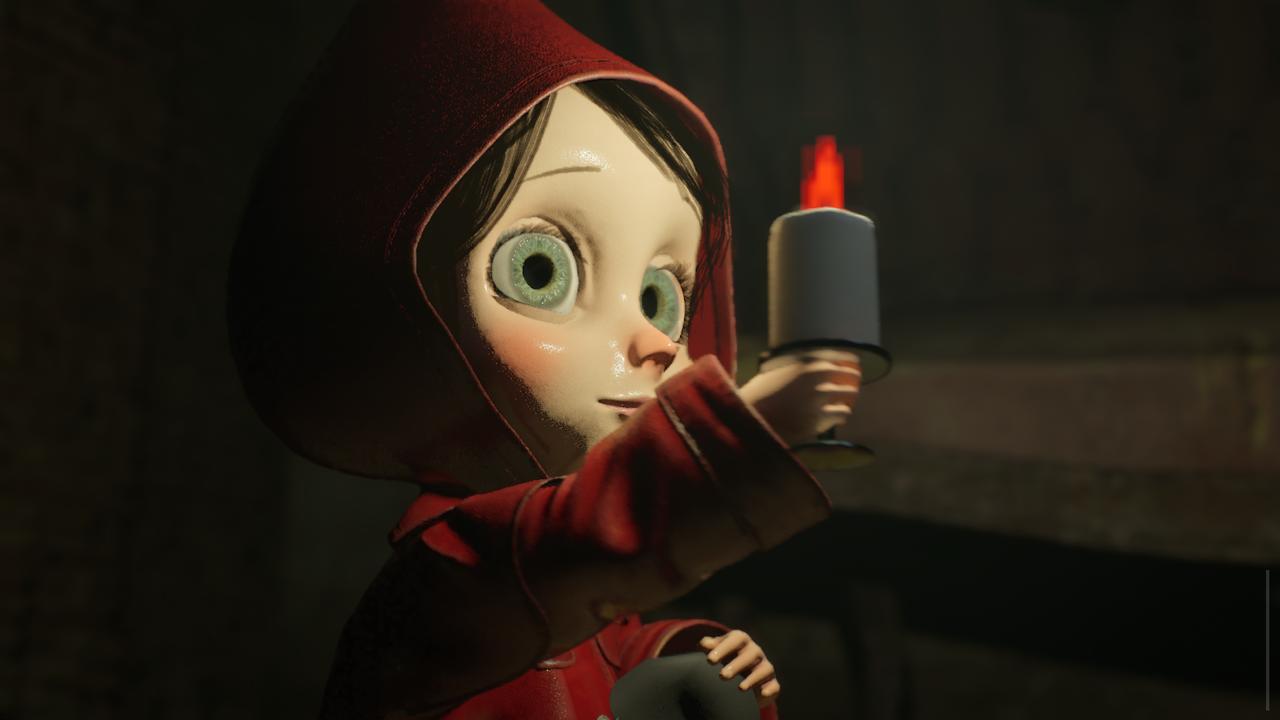
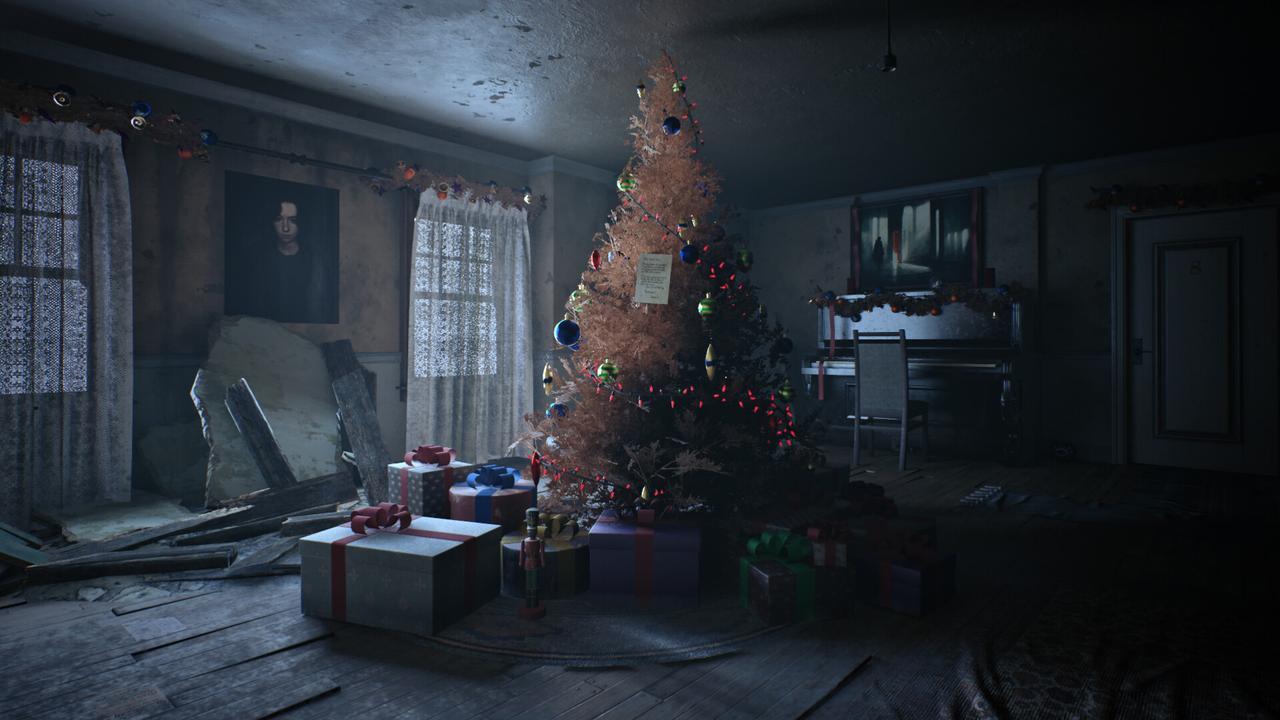
BrokenLore: FOLLOW scared me most when Anne’s house just felt wrong. Not because something jumped out, but because the spaces around her kept twisting into memories she couldn’t get away from. It’s a short psychological first-person horror game about Anne, her mother, and the memories that shaped how she sees herself. It doesn’t rely on constant jump scares. I was more invested when I was walking through familiar spaces, listening for the next audio cue, and watching the house turn Anne’s past against her.
That’s where I connected with it. Not every puzzle comes together cleanly, and the doll sections work better in concept than in practice, but I cared about Anne’s story and where BrokenLore: FOLLOW was taking it. It’s for you if you want a personal horror story first. If you’re looking for combat, a long campaign, or puzzles that really make you stop and think, this isn’t that game.


Anne’s Childhood Home Turns Memory Into Horror
BrokenLore: FOLLOW brings Anne back after BrokenLore: UNFOLLOW and puts the focus on her childhood, her self-worth, and her relationship with her mother. The story deals with bullying, body image, eating disorders, parental control, and the damage that comes from growing up in a home where criticism follows you everywhere.
That isn’t easy material to build a horror game around. BrokenLore: FOLLOW handles it better than I expected because it keeps the horror personal. Anne’s mother becomes the threat, but the game isn’t only about hiding from something scary. It’s about walking through places that should feel safe and realizing they’re tied to memories Anne can’t shake.
That’s the side of the game I connected with most. A hallway or childhood object can say more about Anne than another long speech. BrokenLore: FOLLOW doesn’t need a large cast or a complicated setup to make her situation clear. It keeps returning to her mother’s control, Anne’s self-image, and the way childhood can follow someone long after they leave the house.
Some of the symbolism is blunt. I could see where certain scenes were going before the game got there. Even so, I never felt like BrokenLore: FOLLOW was using Anne’s pain just to dress up the horror. When the house and memory spaces shift around her, that is when Anne’s story feels the most uncomfortable.
Exploration Works Until The Signposting Gets Too Vague
BrokenLore: FOLLOW is a first-person horror game with no combat. Most of the game has you working through chapters, checking cupboards, flipping switches, collecting items, reading clues, opening locked paths, and figuring out which part of Anne’s memory needs attention next.

I’m fine with that kind of horror. I don’t need a weapon in every game, and BrokenLore: FOLLOW is better off without one. With no combat to fall back on, you start treating every hallway like it might be hiding the next answer. Turning on a light can change how willing you are to search a space. A locked path sends you back through areas you thought were finished. A small object can become the missing piece that explains what Anne is reliving.
The issue isn’t that the puzzles are too hard. They usually aren’t. The problem is that the next step can be too easy to miss. When you’re looking for the right drawer, switch, clue, or item, the horror starts to drain out of the scene. You stop thinking about Anne and start thinking about what the game wants you to interact with.
That’s what pulled me out most. I like light puzzle solving in short horror games, and I don’t need every answer marked clearly. BrokenLore: FOLLOW just needed cleaner signposting in a few places. When you know where to go next, the exploration has a steady, uncomfortable pace. When you don’t, the game slows down fast, and every extra minute you lose hunting for one missed object stands out more because the game is so short.
Anne’s Doll Is Creepier In First Person
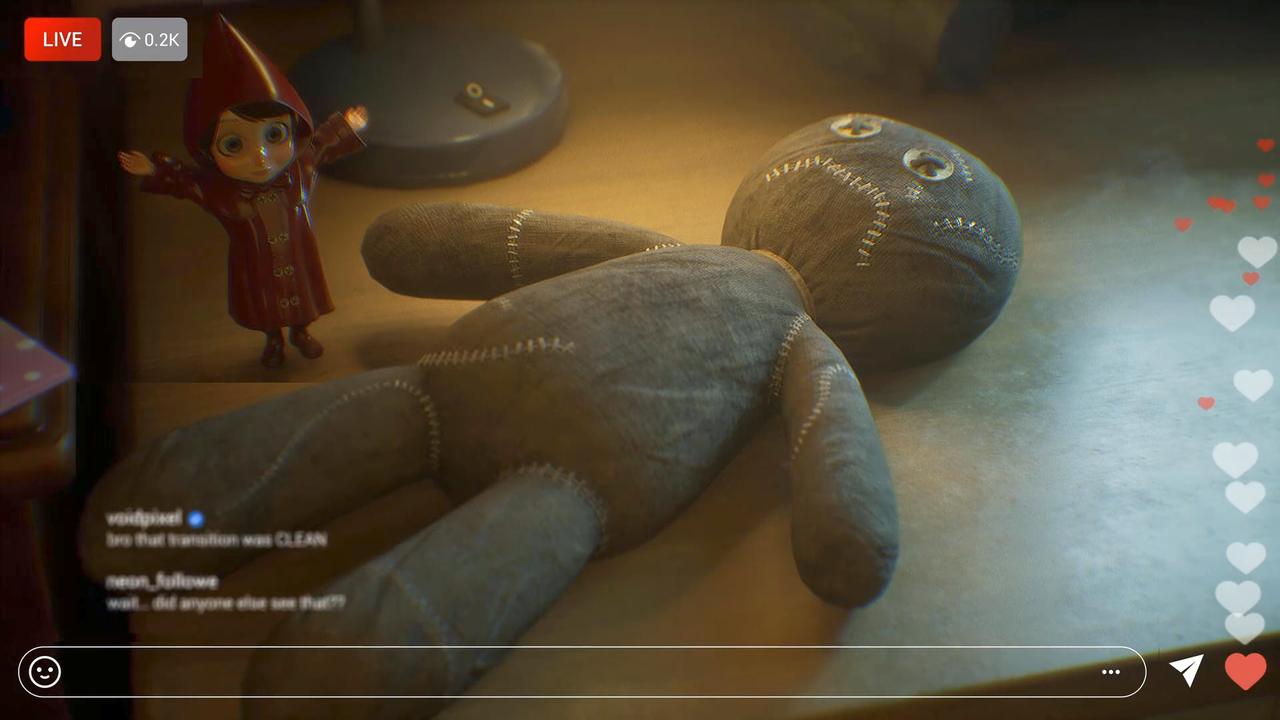
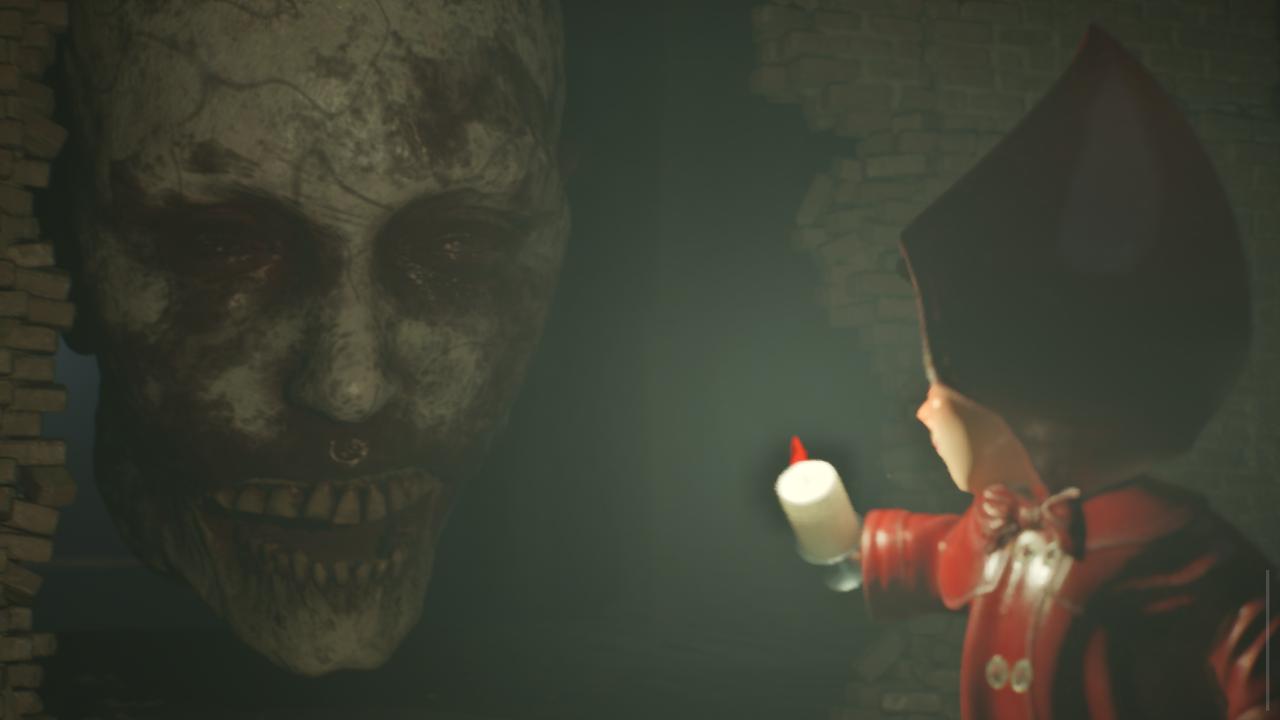
Anne’s doll is one of the stranger parts of BrokenLore: FOLLOW. It guides Anne, points her toward memories, and brings a childlike voice into a story that is already dealing with childhood pain. Even when the doll is trying to help, following it around the house never feels completely safe.
I liked the doll more inside the first-person chapters. Seeing it appear near Anne, tied to her younger self, fits the uncomfortable childhood feeling the game is going for. It can act like a guide, a marker, or a reminder without pulling the story away from the house.
The side-scrolling sections didn’t work as well for me. They put you in control of the doll and shift the game into short 2D platforming sequences. You dodge hazards, climb through small spaces, and move toward the end of each section. I understand the idea. I get why the game puts Anne’s childhood self directly in your hands.
I just didn’t enjoy those sections as much as the first-person horror. The platforming is simple, and the timing can become more annoying than scary. The option to skip these sections is a smart inclusion because it keeps them from blocking people who are here for Anne’s story. Given the choice, I’d rather stay in the house and keep digging through the memories.

Sound And Lighting Do The Scaring
BrokenLore: FOLLOW scared me more through sound than through what was actually on screen. The low hums, sharp sounds, whispers, and long quiet stretches make you slow down before opening a door or crossing a hallway. It doesn’t always need something standing in front of you. Sometimes hearing something nearby is enough to make you hesitate.
The voice acting makes Anne’s relationship with her mother easier to understand quickly. You hear the cruelty and control fast, which is important in a game this short. The doll’s voice adds to that discomfort because it sounds innocent, even when the doll itself doesn’t feel safe.
Lighting also carries a lot of the fear. Dark spaces slow you down. A lit area can make you feel safer for a moment, but BrokenLore: FOLLOW rarely lets you relax for long. The childhood home, outdoor areas, maze spaces, and altered interiors all use that contrast well. This isn’t a long game, so each area needs to set the tone quickly before the idea wears thin.
I didn’t run into any major technical issues while playing BrokenLore: FOLLOW. The only thing I’d call out is minor frame drops, and they didn’t get in the way. For this kind of horror, sound, lighting, and small environmental changes need to stay clean. Constant technical problems would pull you out of that quickly.
BrokenLore: FOLLOW Fits A Certain Kind Of Horror Fan
BrokenLore: FOLLOW won’t be for everyone. It has no combat, some objectives are too vague, and the doll’s side-scrolling sections aren’t as interesting as the first-person chapters. It’s also a short game, so you may come away wanting more if you expect a larger horror experience.
For me, the shorter length helped. BrokenLore: FOLLOW keeps its focus on Anne, her mother, and the damage tied to her childhood. It doesn’t try to become a horror sandbox or a puzzle-heavy adventure. It tells a direct psychological horror story, keeps you in Anne’s memories, and leaves before the idea wears thin.
I’d point this toward horror fans who care more about mood, personal themes, and compact storytelling than combat or complex puzzles. The game feels most focused when you’re inside Anne’s memories, following sound cues, and watching familiar spaces turn against her. It loses some of that pull when the next objective is unclear or when the doll sections move too far away from the first-person horror.
BrokenLore: FOLLOW left me thinking more about Anne’s story than its puzzles. That’s the right balance for this kind of short horror game. It has some frustrating moments where the next step isn’t clear, but the house, the sound design, and Anne’s story kept me with it to the end.
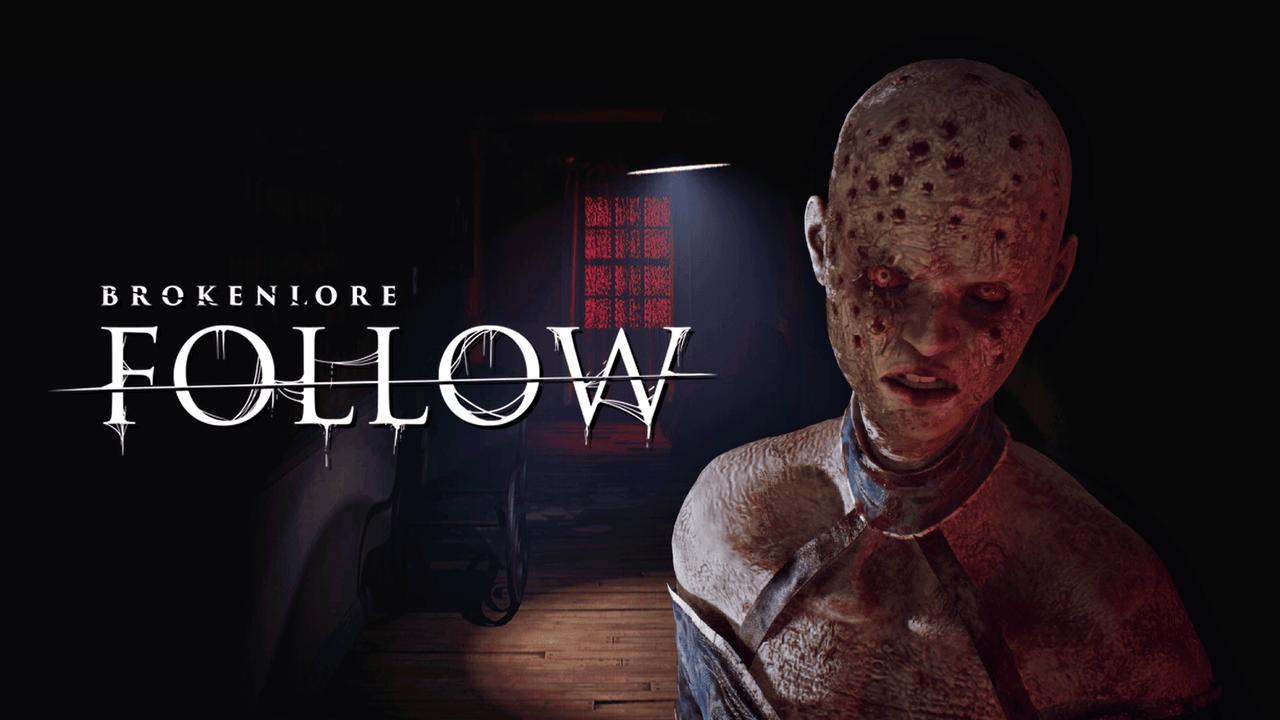
BrokenLore: FOLLOW

Summary
BrokenLore: FOLLOW is a short psychological first-person horror game about Anne, her mother, and the childhood memories she can’t shake. I connected with it most when the house, sound design, and lighting made familiar spaces feel unsafe without needing constant jump scares. The vague objectives and doll side-scrolling sections get in the way, especially when you’re stuck hunting for the next object instead of staying with Anne’s story. It fits horror fans who want a personal story built around mood and memory more than combat, deep puzzles, or a long campaign.
As always, remember to follow us on our social media platforms (e.g., Threads, X (Twitter), Bluesky, YouTube, and Facebook) to stay up-to-date with the latest news. This website contains affiliate links. We may receive a commission when you click on these links and make a purchase, at no extra cost to you. We are an independent site, and the opinions expressed here are our own.