


Cairn is the kind of game that teaches you how it works by letting you make mistakes first. Not in a harsh or showy way, but through small, deliberate moments where every decision matters. You begin with a sheer wall in front of you, a limited set of tools, and the understanding that progress only comes from paying attention. Each hand placement matters. Every pause gives you a second to think about what comes next. You end up reading the wall the same way you’d read an enemy pattern or a tricky platforming section, looking for the safest option before committing. Cairn doesn’t rush you, but it also doesn’t let you move carelessly. Once you make a choice, you’re living with it.
At its core, Cairn is a climbing game, but it never feels like a puzzle built around fixed solutions. You’re constantly reading the surface in front of you, reacting to how your character shifts under strain, and deciding whether to push forward or back off before things go wrong. The controls take some time to settle into, but once they do, the act of climbing becomes almost meditative. You aren’t racing upward. You’re managing risk, momentum, and exhaustion one decision at a time.




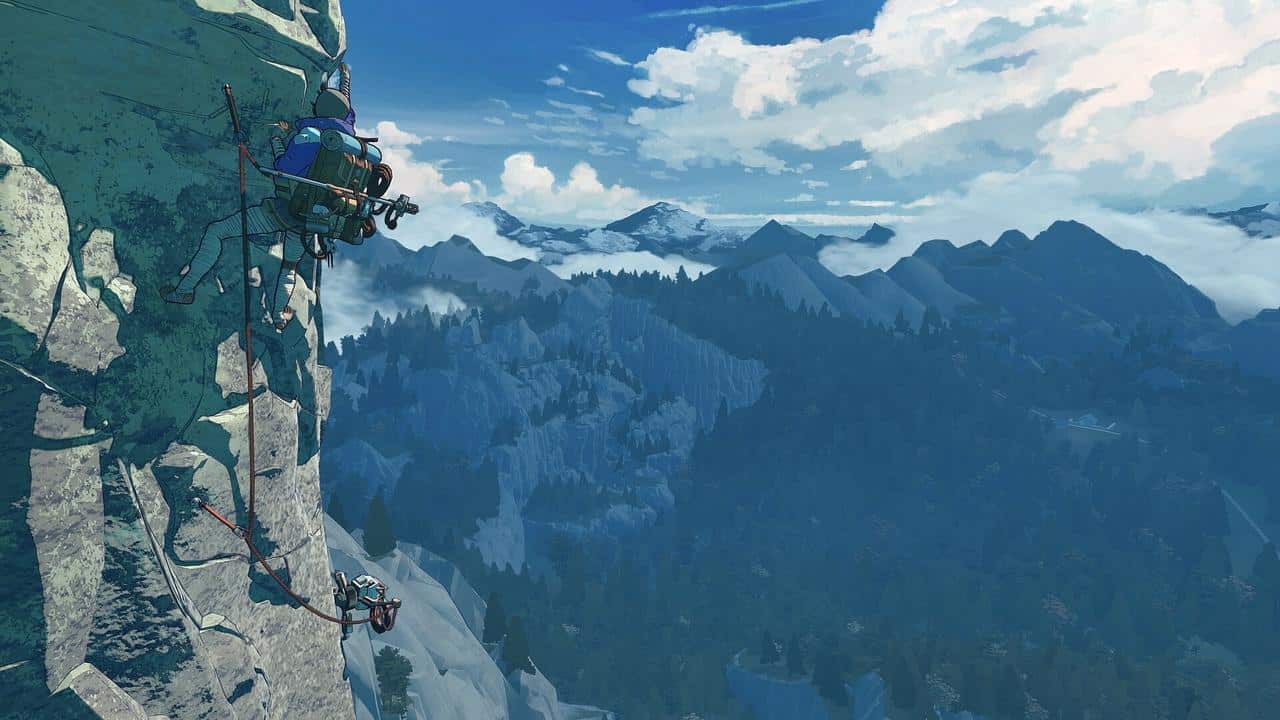
You play as Aava, a seasoned climber attempting a solo ascent of Mount Kami. The game doesn’t rush to explain who she is or why she’s there, and it doesn’t need to. The climb itself does most of the talking. Through movement, fatigue, and the quiet moments between progress, Cairn sets its tone naturally. It’s more focused on how it feels to keep going when the next safe hold isn’t guaranteed.
The Story Told Through the Climb
Cairn doesn’t rely on traditional storytelling. There are no long cutscenes explaining who Aava is or why she’s climbing Mount Kami. Instead, the game lets the climb itself do most of the work. What you learn about her comes through small moments, brief conversations, and the stretches in between where the mountain does all the talking.
Aava is introduced as a skilled climber taking on a route most people wouldn’t attempt. The game never frames her as a hero or a symbol. She’s capable, focused, and clearly driven, but also distant in a way that feels intentional. Messages from people in her life filter in as you progress, offering glimpses of the world she’s left behind. They don’t interrupt the flow or push a narrative agenda. They simply exist, much like the thoughts that creep in during long stretches of isolation.
What works especially well is how the story stays rooted in the act of climbing. There’s no sense that the game is building toward a dramatic reveal. Instead, meaning comes from repetition, exhaustion, and the steady push upward. You start to understand Aava through what she’s willing to endure and how she reacts when things go wrong. Her silence and persistence say more than any exposition could.
The mountain itself becomes part of the story rather than just a backdrop. You pass remnants of people who came before, traces of lives that tried and failed to make sense of this place. The game never tells you how to feel about that. It simply presents it and lets you sit with the result.

Cairn’s story works because it knows when to step aside. It trusts you to connect the dots and form your own understanding. By the time you’re deep into the climb, the narrative feels less like something being told to you and more like something you’re actively living through, one careful decision at a time.
Learning the Wall One Move at a Time
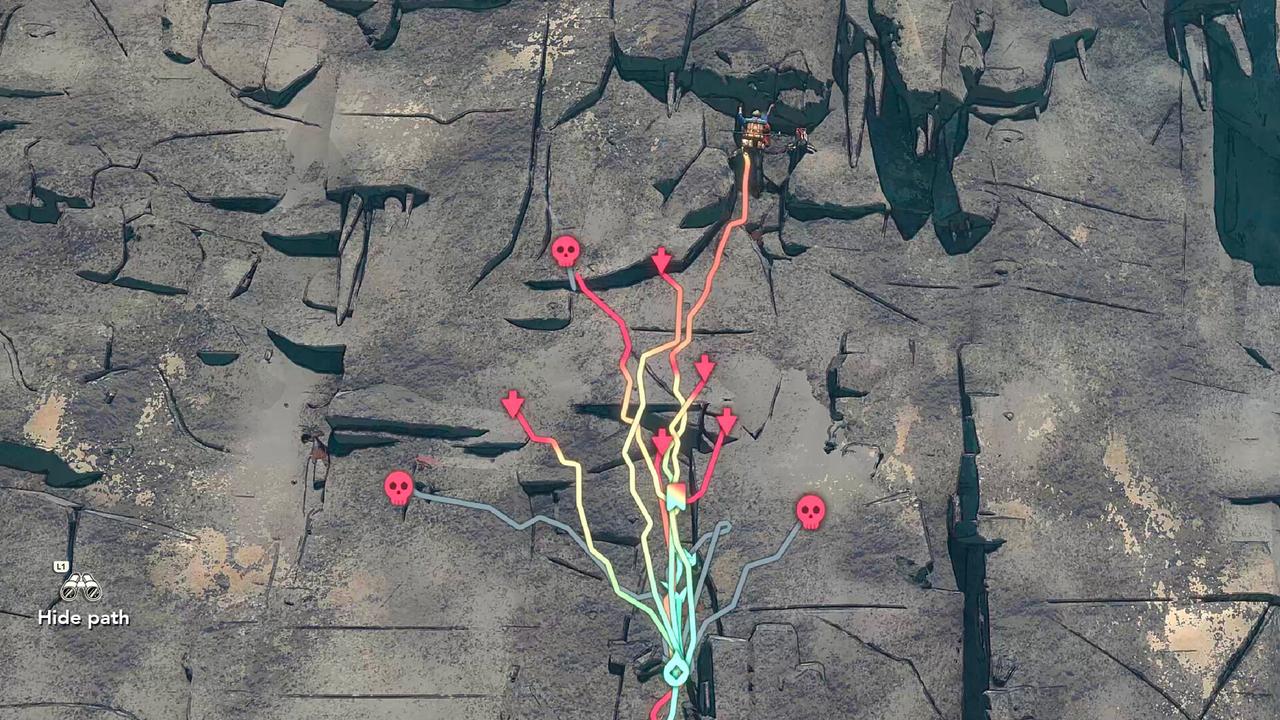
Cairn lives or dies by how its climbing feels, and thankfully, it gets that part right. Every movement is deliberate. You aren’t pressing a button to “climb,” you’re placing limbs one at a time, deciding where to reach next, and committing to that choice. The game asks you to think ahead constantly, because once you move, there’s no quick correction or easy reset.
Each limb is controlled individually, and the game decides which one you move next based on balance and positioning. At first, this can feel awkward. You might expect to reach with a hand and instead find a foot shifting instead. After a while, though, the logic becomes clear. You start reading the wall, planning your route, and adjusting your approach before the game even asks you to. When things go wrong, it’s usually because you rushed or misjudged the surface in front of you.
Stamina management plays a big role in how tense each climb feels. Aava’s condition is reflected through her breathing, her grip, and the way her body reacts under strain. Push too hard, and she starts to slip. Stay in one spot too long, and fatigue sets in. You’re constantly weighing whether to move quickly or take a moment to recover, knowing either choice can backfire.
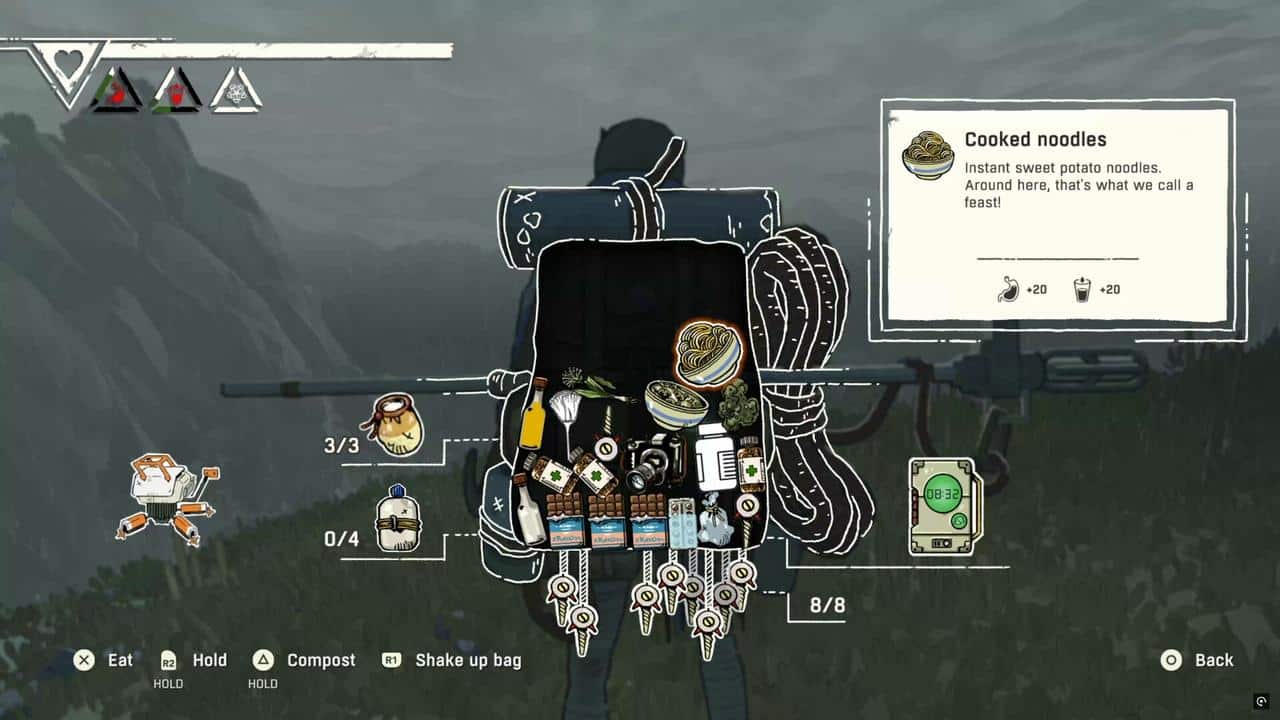
Pitons add another layer of decision-making. They offer safety, but they’re limited, and using one at the wrong time can leave you in trouble later. Finding stable ground, choosing when to secure yourself, and knowing when to take a risk becomes a steady rhythm as the climb continues.
What makes Cairn work is how natural this all begins to feel. There’s no single correct path, and the game never funnels you toward one. Progress comes from learning the terrain, trusting your judgment, and accepting that mistakes are part of the climb.
A Mountain That Feels Alive
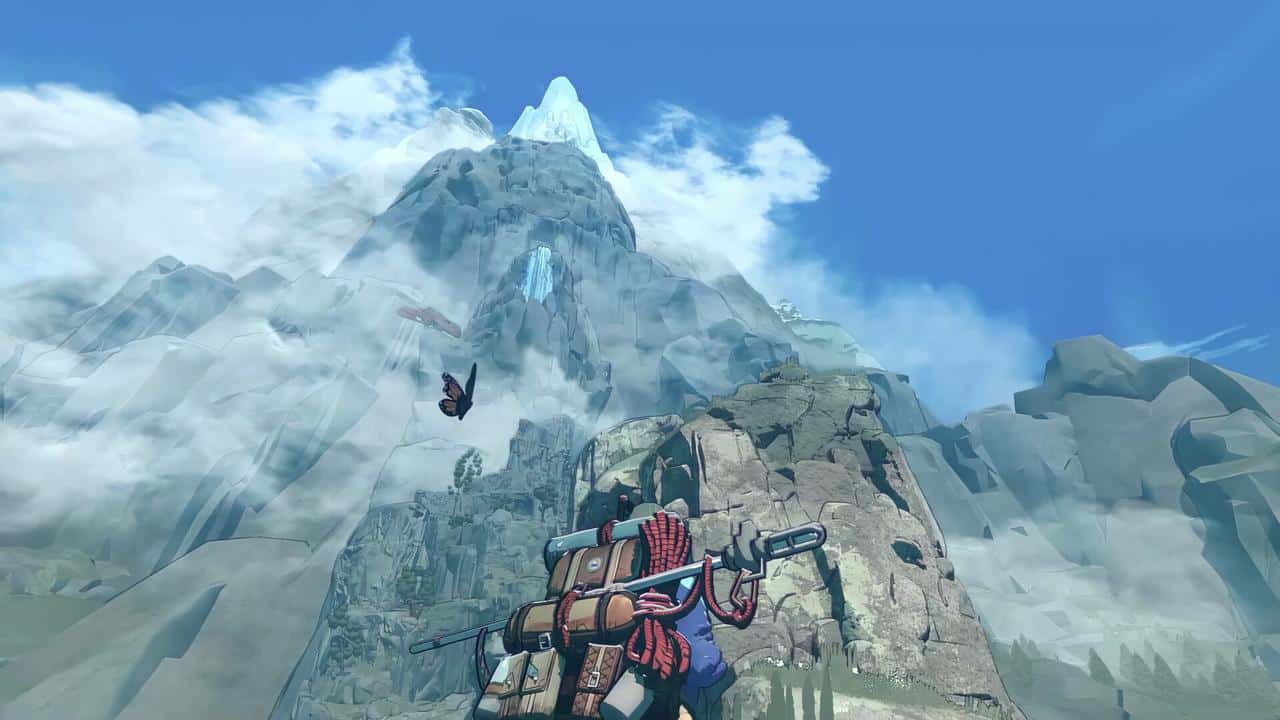
Cairn’s presentation works because it never gets in your way. Everything on screen is built around helping you read the climb and make decisions on the fly. Rock faces are easy to understand, ledges stand out just enough, and you can usually tell at a glance whether a surface is worth committing to or not. That matters a lot when one bad move can undo several minutes of progress.

As you move higher, the mountain starts to change how it feels to play. Weather rolls in, visibility drops, and the environment becomes less forgiving. You’re no longer just climbing, you’re reacting. Sometimes that means pushing forward before things get worse. Other times it means stopping, waiting it out, and hoping you’ve got enough left to make the next stretch.
The sound design does a great job selling that sense of strain. You hear every breath, every scrape of skin on stone, every moment where Aava is close to losing her grip. It keeps you tuned into how she’s holding up without needing meters or alerts on the screen. The music stays quiet most of the time, which makes the moments when it does come in feel earned rather than forced.
Performance is mostly solid, though there are a few moments where movement can feel awkward. Transitions onto flat ground don’t always behave as expected, and once in a while a limb won’t respond the way you want it to. It’s not something that happens often, but when it does, you notice it because of how precise the rest of the game feels.
Overall, the presentation does exactly what it needs to. It keeps you focused on the climb, supports the tension of each decision, and never distracts from the moment-to-moment experience of getting from one hold to the next.
Cairn Is About Learning the Climb, Not Beating It
Cairn rewards a steady, thoughtful approach, letting progress speak for itself. It doesn’t spell everything out or make things easy on you. You learn by trying, messing up, and slowly getting a feel for how the climb actually works.
What works so well is how everything comes together. The climbing feels deliberate, the pacing encourages restraint, and the world reacts to your choices in ways that feel consistent and believable. Even when things go wrong, it rarely feels unfair. More often, it feels like the result of pushing a little too far or moving a little too fast.
There are a few moments along the way that can trip you up. Every now and then a move won’t come out the way you expect, or a transition will throw you off. Still, those moments don’t stick with you, especially once you push through a tricky stretch and keep climbing.
This isn’t a game that tries to meet you halfway. It asks you to learn how it works and stick with it, and if you do, the climb starts to feel like something you earned rather than something handed to you.
Cairn




Summary
Cairn is a game that rewards taking your time and learning how the climb works instead of rushing through it. The moment-to-moment play feels deliberate, and progress comes from paying attention and adjusting as you go. There are a few small hiccups along the way, but they don’t take away from the overall experience. If you’re willing to meet it on its terms, Cairn delivers a climb that feels satisfying from start to finish.
As always, remember to follow us on our social media platforms (e.g., Threads, X (Twitter), Bluesky, YouTube, and Facebook) to stay up-to-date with the latest news. This website contains affiliate links. We may receive a commission when you click on these links and make a purchase, at no extra cost to you. We are an independent site, and the opinions expressed here are our own.