


Call of the Elder Gods kept me chasing answers, even when its puzzles made me question whether I had missed a clue or missed the logic entirely. The game makes its tradeoff clear early. This is a more character-driven sequel than Call of the Sea in some ways, but the puzzle logic can swing from smart deduction to stubborn clue hunting.
That push and pull follows the game from start to finish. Norah’s narration, Harry Everhart’s grief, and Evangeline Drayton’s strange dreams make this sequel easy to follow from one location to the next. The problem is that too many puzzle chains depend on spotting one number, journal entry, or environmental clue before the next step makes sense. If you enjoy first-person puzzle adventures and don’t mind using hints when the game stops moving, there’s a good mystery here. If you want every answer to come from clean observation, Call of the Elder Gods will test your patience.




Norah Keeps The Mystery Human
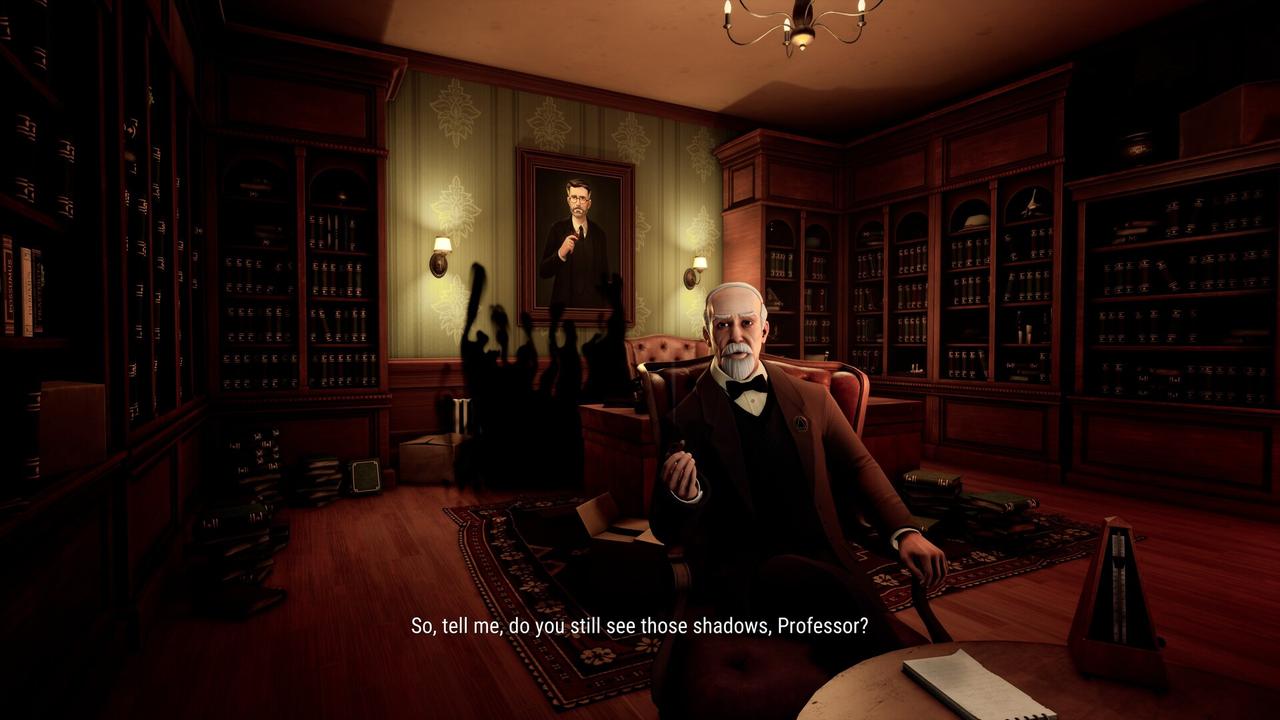
Call of the Elder Gods picks up after Call of the Sea and uses familiar names without turning the opening into a recap dump. Harry Everhart returns as an older professor, still tied to the events of the first game and still carrying the pain of Norah’s fate. Evangeline Drayton steps in as the new lead, a university student trying to understand vivid dreams of ancient places and forces she can’t explain.
Norah narrating the adventure is the smartest story choice here. Harry can be cold and worn down, which fits his history, but Norah’s voice keeps the journey from becoming too distant. Her presence softens the edges around Harry without erasing what happened to him. Evangeline also brings a cleaner entry point because she’s chasing answers at the same time you are. You learn about the mystery through her confusion, not through pages of background.
The 1950s setting also changes the tone from Call of the Sea. This sequel moves through old academic spaces, remote outdoor areas, and ruins that push the story further from the first game’s single-location structure. That makes the story feel broader. It also makes the game feel less intimate than the first one. I liked seeing the scope grow, but the constant movement means some places don’t stay long enough to sink in. The best scenes connect Harry and Evangeline to the mystery directly rather than just placing them in another strange room filled with clues.
Harry And Evangeline Need More To Do
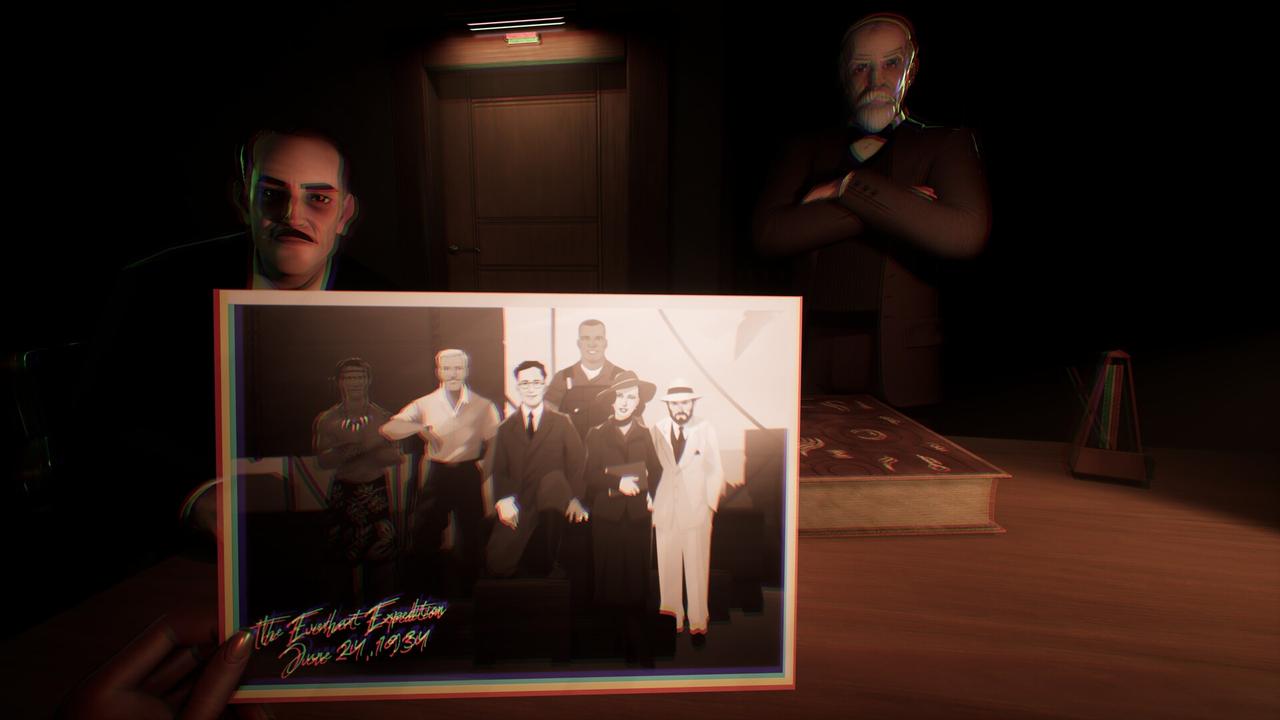
The two-character setup should be one of Call of the Elder Gods’ biggest strengths. Harry has history with the older mystery, Evangeline has a personal connection through her dreams and missing memory, and both characters bring different knowledge into the story. The game lets you play as both of them, and some puzzle sequences involve moving between their viewpoints to open paths or complete tasks.
Those moments add variety, but they don’t change the adventure as much as they should. The issue isn’t that switching between Harry and Evangeline is confusing. It’s that the game rarely makes you think differently when control changes hands. One character may open a path, activate a device, or find a clue that the other needs. That’s fine in the moment, but Harry’s archaeology background and Evangeline’s science background should shape more of the problem solving.

The missed opportunity is easy to feel because the story makes both characters important. Evangeline isn’t just following Harry around. Her dreams, family connection, and amnesia belong at the centre of the mystery. Harry has the history and baggage that link this sequel to Call of the Sea. When the game lets both of them contribute, the adventure has a stronger identity. When it reduces them to swapping rooms or passing access forward, the structure feels underused.
Puzzle Clues Become The Real Challenge
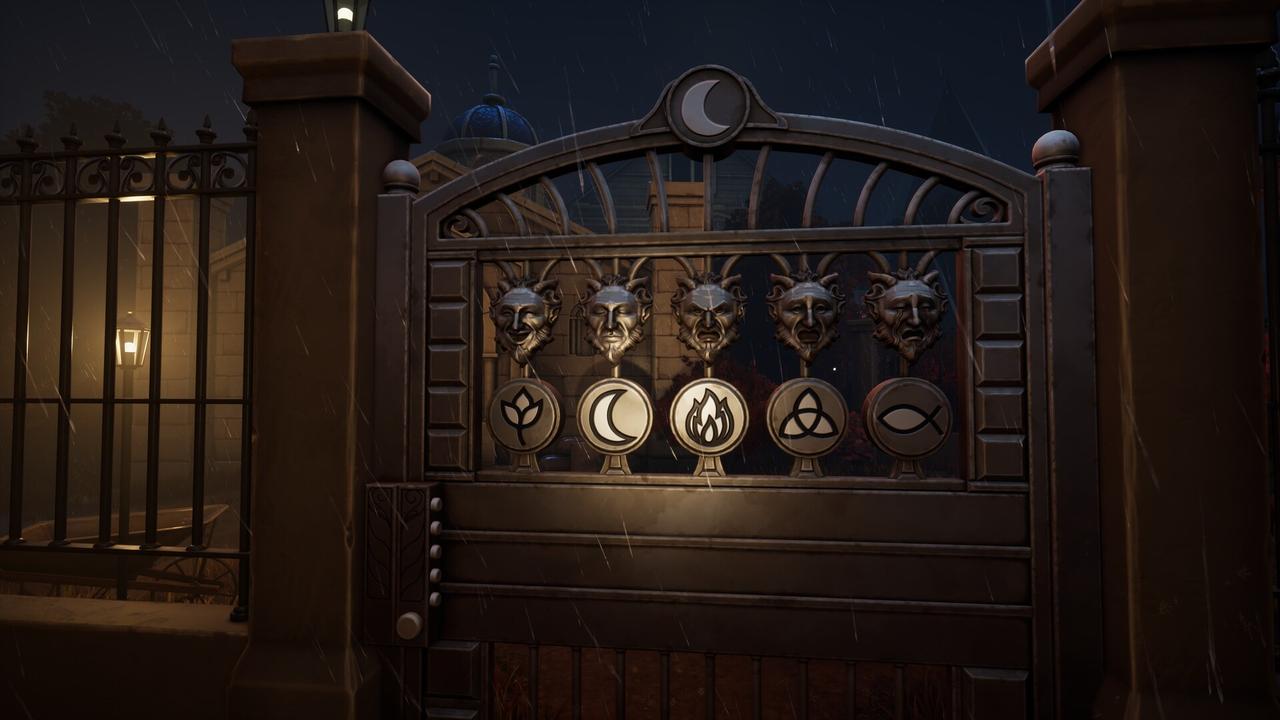
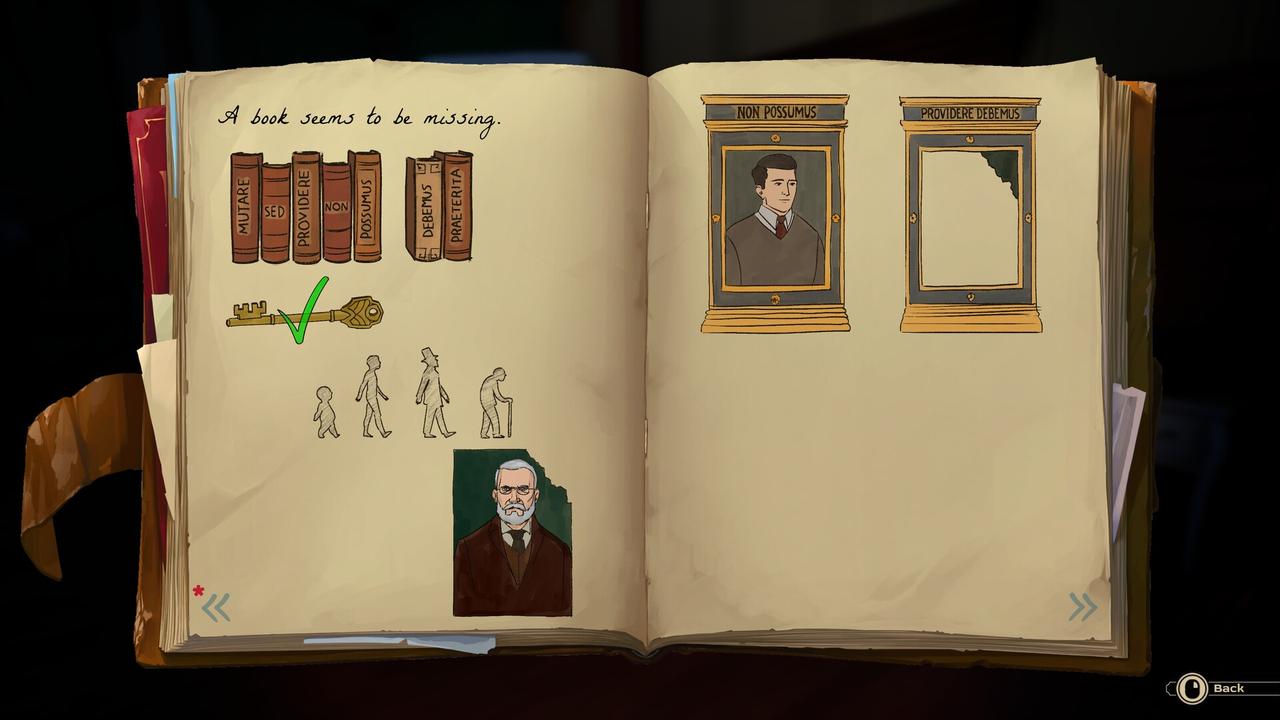
Call of the Elder Gods is at its most interesting when you’re piecing together a puzzle from room layouts, journal notes, environmental clues, and strange ancient devices. These are not quick lock-and-key challenges. Many stretch across several rooms and require you to collect information before you know where it belongs. That structure fits the subject well. A mystery about forgotten forces should make you read, inspect, and connect details.
The trouble is that the game doesn’t always separate fair difficulty from vague clue placement. Some puzzles build nicely because you can trace the answer back through what you saw. Others depend on small details that are too easy to miss. Once that happens, the problem stops being logic and becomes a search for the one piece of information the game didn’t surface clearly enough.
That can slow the whole adventure down. First-person puzzle games live or die by the feeling that the answer was hiding in plain sight. Call of the Elder Gods gets there in several places, especially when puzzle chains use space and observation together. But it also has moments where the solution feels disconnected from the clue path. After enough unclear puzzles, you stop trusting your read of the room and start checking everything just in case.
The Hint Menu Solves The Wrong Problem Sometimes
The hint menu is useful, and I’m glad it’s there. Some puzzles are vague enough that the game needs a safety net, especially when one missed clue blocks everything else. The hints start with broader nudges and can move toward direct answers if you keep going. That structure respects anyone who wants a little guidance before having the solution handed over.
The issue is that the hint menu sometimes jumps past the part you actually need. If the game knows exactly which clue you missed, the better hint is often the nudge that gets your eyes back to the right corner of the room. Too often, the guidance can move straight to the answer instead. That solves the immediate roadblock, but it also removes the small victory of figuring it out yourself.
That’s when I stopped blaming myself and started blaming the puzzle clues. The hint menu makes the game more approachable, especially for anyone who wants the story without getting trapped for too long. At the same time, needing it too often exposes the puzzle design’s weaker moments. A great hint tool should rescue you from frustration. Here, it becomes a workaround for clues that needed better signposting in the first place.

Exploration Needs Better Rewards
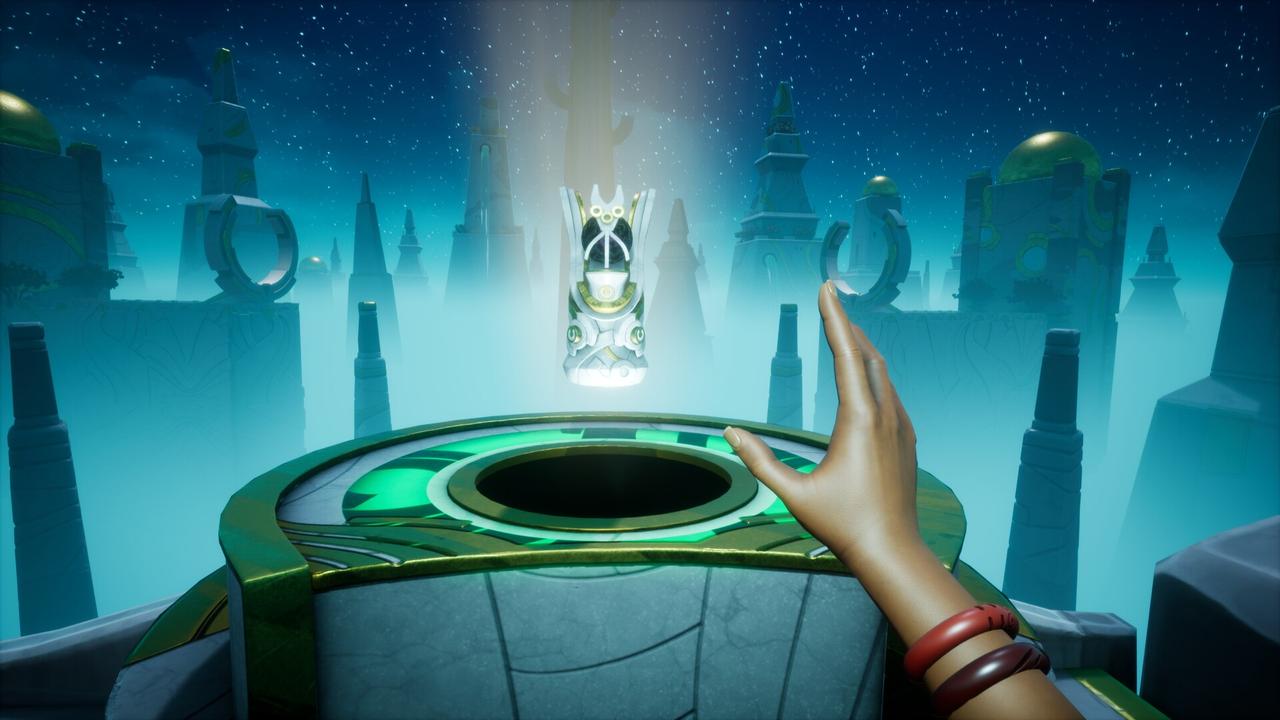
Out of the Blue Games knows how to build a place you want to inspect. Call of the Elder Gods has a strong eye for old rooms, strange ruins, desert spaces, and impossible architecture. The locations make you want to slow down and look around, especially when the story pulls ancient objects and unfamiliar technology into ordinary spaces.
The downside is that exploration doesn’t pay back your curiosity often enough. Many interactive objects are pieces of paper, notes, or clues for the next puzzle. That makes sense for the genre, but the world starts to feel less inviting when most optional interaction turns into reading rather than discovery. Collectibles also don’t add enough to make searching every corner feel necessary.
That’s a shame because the environments are doing more than basic background work. They sell the idea that Harry and Evangeline are moving through places shaped by older forces and hidden histories. I wanted more reasons to investigate beyond solving the next gate, panel, or device. The game has the look of an adventure that wants you to explore deeply. It doesn’t always have the payoffs to match that invitation.
Call of the Elder Gods Needs Patience More Than Perfect Logic
Call of the Elder Gods is a good follow-up to Call of the Sea, but it’s also a more uneven one. The sequel has a strong cast setup, a useful link between past and present, and enough strange locations to keep the mystery moving. Norah’s narration is a real asset, and Evangeline brings a perspective that should carry even more of the story.
The weaker pieces are easy to name. Some puzzles rely too heavily on hidden or unclear clues. The hint menu is useful, but it sometimes skips the satisfaction of finding the answer yourself. Exploration looks inviting, but too many payoffs come down to notes and collectibles that don’t make the spaces feel as rich as they first appear. Harry and Evangeline also needed more puzzles that used their different skills in a meaningful way.
That still leaves an adventure aimed at puzzle fans who like being slowed down, taking notes, and following a mystery through strange old places. If you liked Call of the Sea and want another story about strange forces, family connections, and rooms full of connected clues, Call of the Elder Gods has enough to recommend it. Just know that its challenge comes with some rough puzzle logic. The mystery pulled me through, but the game made me work harder than it always needed to.
Call of the Elder Gods
Summary
Call of the Elder Gods has a strong mystery, useful sequel connections, and memorable locations, but unclear clue paths, underused character switching, and limited exploration payoffs keep it from matching the promise of its mystery and character setup.
As always, remember to follow us on our social media platforms (e.g., Threads, X (Twitter), Bluesky, YouTube, and Facebook) to stay up-to-date with the latest news. This website contains affiliate links. We may receive a commission when you click on these links and make a purchase, at no extra cost to you. We are an independent site, and the opinions expressed here are our own.