



Slot machines are usually designed to blend into their surroundings. Flashing lights, overlapping sounds, and constant movement all compete for your attention. You’re not meant to focus on any single pull of the lever. You’re meant to keep going. CloverPit strips all of that away. One room. One slot machine. One growing number that decides whether you move forward or drop through the floor beneath your feet.
From Panik Arcade, CloverPit takes the familiar pull of gambling and turns it into a compact roguelike where every spin leads to another choice. Do you cash out now, or keep pushing while you’re ahead? Those decisions stack up fast, and once the deadlines start closing in, it doesn’t take long for a “just one more spin” moment to turn into a problem.



This is a game about watching numbers rise, watching them collapse, and deciding how long you’re willing to stay at the machine before it decides for you.
Where the Rules Are Simple and the Stakes Aren’t
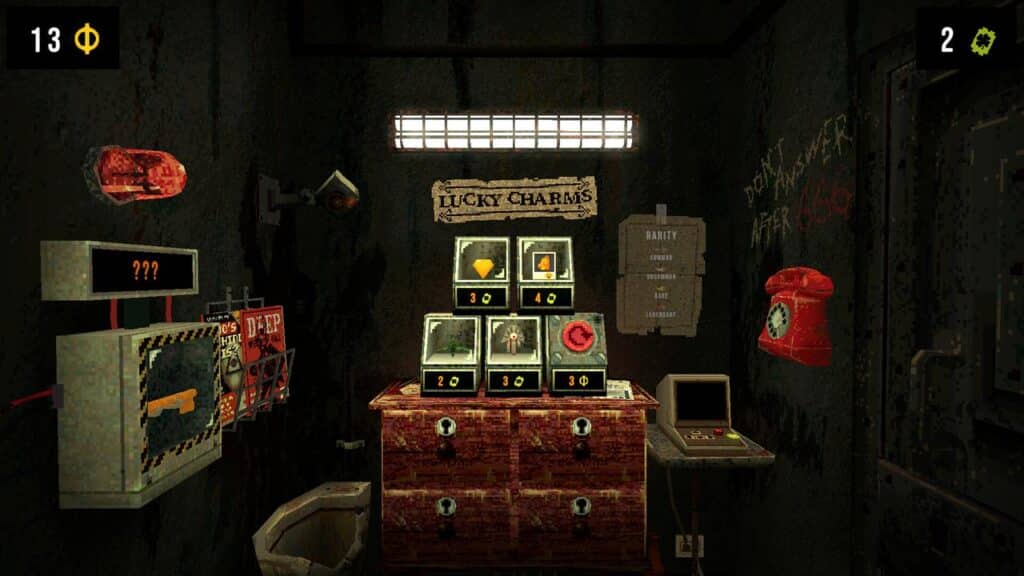
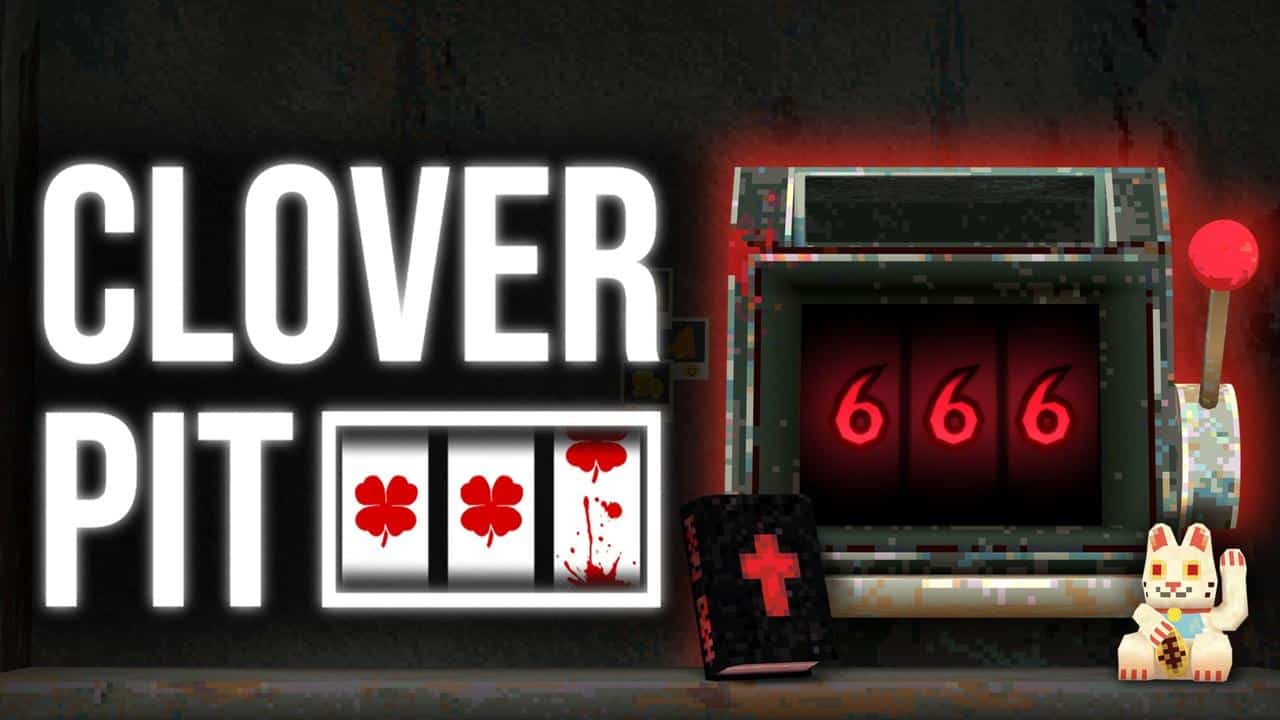
CloverPit doesn’t spend much time explaining why you’re here. It drops you into a small, grimy room and lets the situation speak for itself. There’s a slot machine front and centre, an ATM that tracks an ever-growing debt, a shop terminal, and a phone that rings between rounds. Each run is broken into short deadlines. Hit the cash goal in time and you move on. Miss it and the trapdoor beneath your feet opens without much warning.
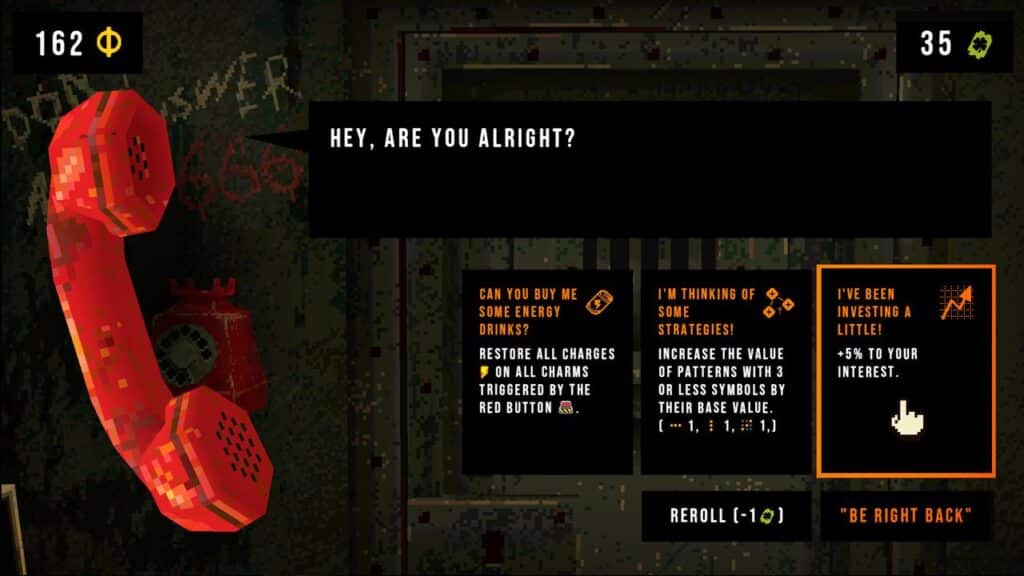
The voice on the phone offers deals that change how the machine behaves. Sometimes those offers feel helpful. Other times they feel like they’re setting you up for a fall. The game never tells you who’s on the other end or what their angle is, and it doesn’t need to. The uncertainty fits the setting.
CloverPit clearly has more going on in the background, but it never gets in the way of playing. Your focus always snaps back to the machine and the next deadline. The story mostly stays out of your way, letting the repeating room and the constant deadlines do most of the work. You’re not chasing answers. You’re focused on surviving the next round.
Learning When to Push Your Luck
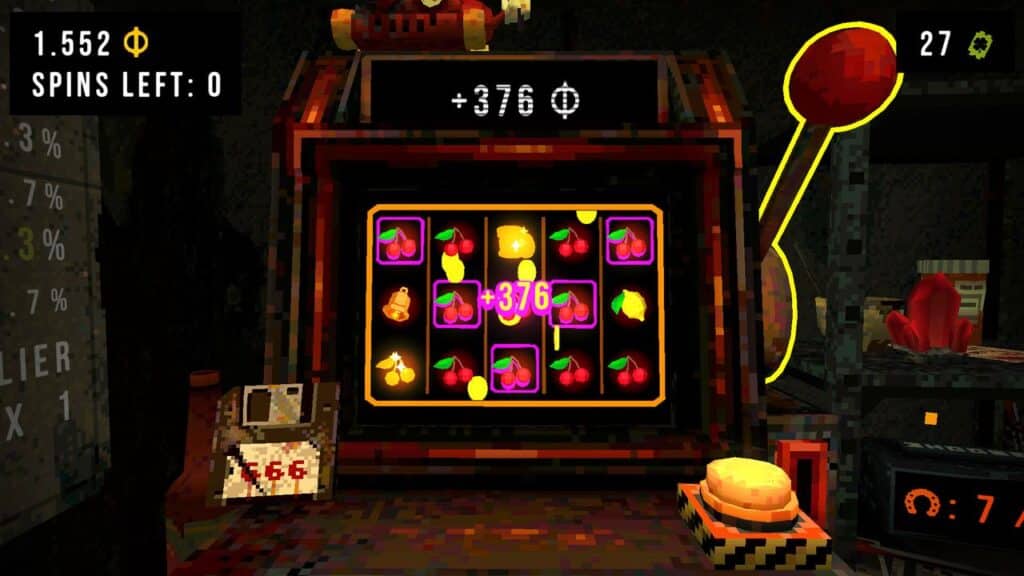
At its core, CloverPit is about meeting cash goals before you run out of spins. Each round gives you a limited number of pulls and a target you need to hit using whatever setup you’ve managed to build so far. Make the deposit in time and the run continues. Miss it and it’s over.

What keeps that loop interesting is how many small decisions sit between each spin. Early on, you’re choosing how many times to pull the lever versus how many tickets you want to earn for the shop. As the run goes on, those choices start stacking. Do you spend tickets now on something that might help immediately, or save them for a better option later? Do you deposit money early to build interest, or keep it liquid so you can react if things start going sideways?

Charms, Calls, and Compounding Decisions
Charms are where CloverPit starts to get interesting. They mess with how symbols show up, how payouts grow, how many spins you get, and sometimes how close you are to wiping out entirely. Some just do their thing in the background. Others ask you to hit a button at the right time. Most runs don’t fall apart or succeed because of one overpowered charm. They come together when a few of them start feeding off each other in the right way.
The phone calls between rounds add another layer of choice. Each offer tweaks the machine in some way, often with trade-offs attached. Some charms care about how often you accept or refuse these deals, which turns even a simple yes or no into part of a longer plan.
Luck is always part of it, but CloverPit never feels like you’re just sitting there waiting for something good to happen. Runs improve as you learn what different charms do, how interest builds over time, and when it’s worth pushing for a bigger payout instead of locking in a safe result. When a setup finally comes together and the machine starts paying out run after run, it feels like something you worked out yourself, even if it took a bunch of rough attempts to get there.
Uncomfortable on Purpose
CloverPit keeps its presentation simple, but nothing about it feels accidental. The room is small, grimy, and uncomfortable to sit in, even after a good run. The low-poly visuals and rough textures give everything a worn, slightly hostile look. The slot machine stands out as the brightest object in the space, which naturally keeps your eyes where the game wants them.
The sound design is straightforward but effective. Every spin has a clear audio hit when something good happens and a dull thud when it doesn’t. There isn’t much music, so most of what you hear is the machine itself, along with the hums and clanks around the room. After a while, those sounds start to sink in, especially as you keep playing.
CloverPit doesn’t really change how it presents itself over time. The room stays cramped, the lighting stays harsh, and nothing opens up to give you a break. That consistency works in its favour. Whether you’re barely holding on or feeling good about your setup, the space around you never changes, which keeps your attention on the machine and the decisions right in front of you.

CloverPit Rewards Experimenting More Than Playing It Safe
CloverPit knows exactly what it’s doing and sticks to it. It takes a very small set of ideas and commits fully, building a gameplay loop that’s easy to understand but hard to walk away from once you’ve settled in.
What I noticed pretty quickly was how much decision-making the game puts in your hands without ever making things feel easy. You’re always choosing how far to push, when to lock things in, and when to take another risk before the next deadline hits. Even when a run falls apart, it usually feels like there was something to take away from it, whether that’s a charm interaction you missed or a risk you pushed a bit too far.
There are some rough edges. Some charm descriptions aren’t very clear at first, especially early on. It can take a bit of time before you really understand how everything fits together. Once that understanding starts to settle in, the game becomes harder to put down, not because it overwhelms you, but because it keeps offering small moments where things almost go your way.
CloverPit knows what kind of game it wants to be and doesn’t mess around with anything extra. You mess up, you learn something, and you go again with a slightly better idea of what might work. If you like games where experimenting, pushing your luck, and figuring things out run by run is the whole appeal, this one has a way of pulling you back in, even when the machine isn’t playing nice.
CloverPit
Summary
CloverPit takes one slot machine and builds an entire roguelike around it. Each run pushes you to learn from mistakes, try different setups, and decide how far you want to push before things fall apart. The rules stay simple, the room never changes, and the gameplay loop makes it easy to jump back in with a slightly better idea of what might work. If experimenting, pushing your luck, and going again is your thing, CloverPit has a way of pulling you back.
As always, remember to follow us on our social media platforms (e.g., Threads, X (Twitter), Bluesky, YouTube, and Facebook) to stay up-to-date with the latest news. This website contains affiliate links. We may receive a commission when you click on these links and make a purchase, at no extra cost to you. We are an independent site, and the opinions expressed here are our own.