

Code Vein II surprised me in ways I did not expect. I went in assuming I knew the shape of the experience, especially after spending so much time with the first game. That one wore its influences clearly and never tried to hide where it came from. This sequel starts in familiar territory, but it does not stay there for long.
Early on, it feels like a continuation of the same ideas. You wake up in a damaged world, learn the rules of survival, and begin pushing outward into hostile spaces filled with enemies and unanswered questions. The difference this time is how much room the game gives you to settle in. It does not rush you forward or rely on difficulty to create momentum. Instead, it lets the world unfold at its own pace, trusting you to engage with it on your terms.



What stood out most to me was how comfortable Code Vein II feels with what it wants to be. The world is larger and more open, but it never feels overwhelming. Systems that once felt rigid are now more flexible, and the game gives you the freedom to experiment without constantly punishing you for doing so. It still asks for attention and care, but it no longer feels like it is trying to test your patience.
There is also a clear shift in focus. Code Vein II places more weight on exploration, character growth, and narrative flow. Those elements work together in a way that feels deliberate rather than forced. By the time the game begins opening up, it becomes clear that this is not just a sequel built to repeat what worked before. It is a game that understands its identity and is willing to build on it in a more thoughtful way.
A Story Built Around Choice and Consequence
Code Vein II places its story front and centre, and it does so with more clarity than the first game. This time, the focus is on time, memory, and the cost of trying to change what has already happened. The setup is ambitious, but it rarely feels confusing once you settle into how the world works.
You play as a Revenant brought back from death by Lou, a quiet but determined figure with the ability to move through time. The world you return to is already falling apart. Revenants are turning into monsters, regions have collapsed, and the past holds answers that still shape the present. Your role is not just to fight, but to move between eras, meet the figures tied to these events, and decide how much you are willing to change.
The Weight of Choice Over Time
What makes the story work is how closely it connects to exploration. Moving through time is not just a narrative hook. It affects where you can go, who you meet, and how events unfold. Seeing locations in different states gives weight to even small moments, especially when the contrast between past and present becomes clear.

The game trusts you to piece things together as you go. Conversations, small environmental details, and brief character moments carry more weight than long explanations, and that uncertainty fits the themes well. You are not meant to feel in control of the timeline. You are meant to feel responsible for it.
The supporting cast plays a large role in grounding the story. Characters are given space to breathe, and their motivations feel clear without being overexplained. Returning to the present after spending time with them in the past often carries real emotional weight, especially as you begin to understand what was lost along the way.
By the time the larger picture comes into focus, Code Vein II delivers a story that feels more confident and more focused than its predecessor. It still leans into drama, but with more restraint, allowing its themes and characters to carry the experience forward.
Combat That Rewards Experimentation
Combat is where Code Vein II begins to separate itself from expectations. While it still carries the bones of a soulslike, the moment-to-moment experience feels more flexible and less rigid than before. Success is not tied to perfect timing alone, but to how well you understand the tools the game gives you.
Instead of locking you into a narrow build path, the game encourages constant adjustment. Your loadout plays a much larger role than raw levels, and the way weapons, Formae, Blood Codes, and Jails interact gives you a surprising amount of control over how encounters play out. You can shift between faster, evasive setups and heavier, more deliberate ones without feeling punished for experimenting.
How Combat Opens Up Over Time
What stood out most to me was how often changing a single element of my build altered the flow of combat. Swapping a Jail, adjusting a Formae ability, or leaning into a different weapon type could completely change how a fight felt. Some setups favoured aggression, others rewarded patience, and the game does a good job of letting you discover those differences naturally rather than explaining them through menus.
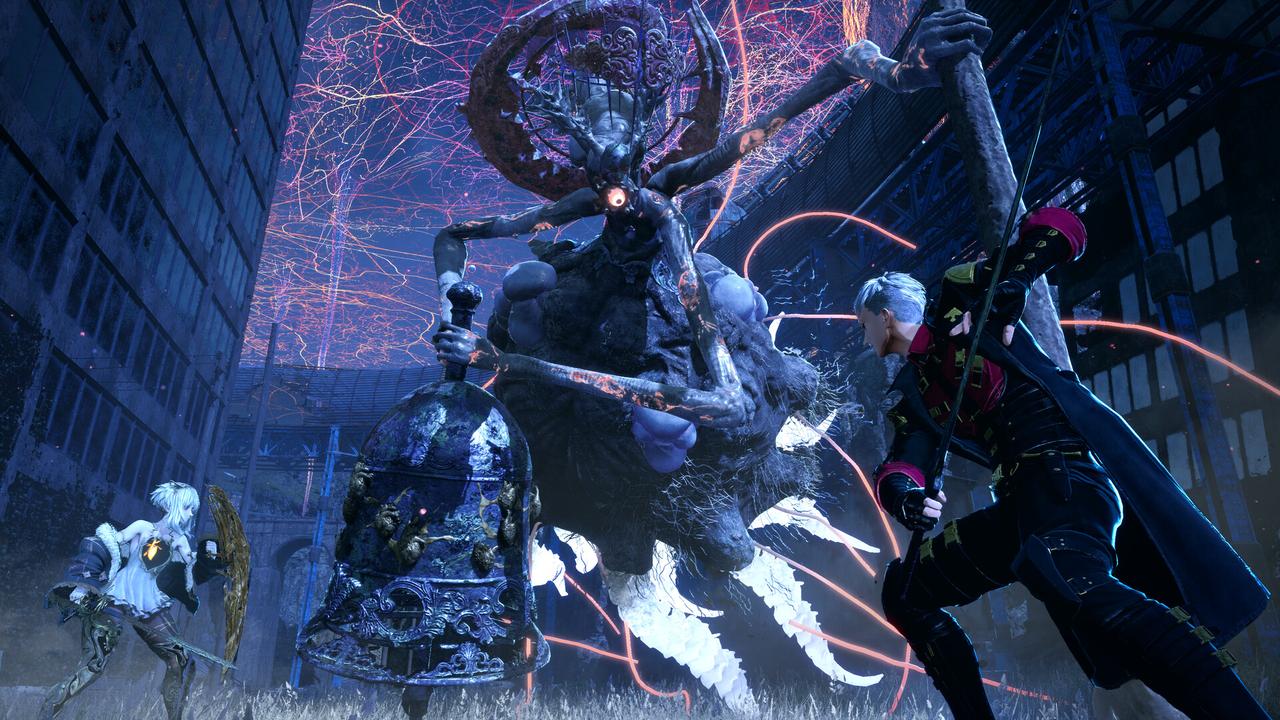
Enemy design supports this approach. Regular encounters are readable without being trivial, while bosses demand attention to timing, spacing, and resource use. Not every fight feels perfectly tuned, but there is a clear intention behind how enemies pressure you and force adjustments. When something is not working, the solution is often found in your build rather than raw skill.
Partners also play a meaningful role in combat. They are more than passive support, offering buffs, extra damage, and even a second chance if you fall. Choosing when to fight alongside them and when to rely on your own setup adds another layer of decision-making that fits naturally into the flow of battle.
Overall, combat in Code Vein II feels more open and adaptable than before. It doesn’t try to be brutally hard, but it does reward you for experimenting and learning how your setup really works.
Style That Carries the Experience
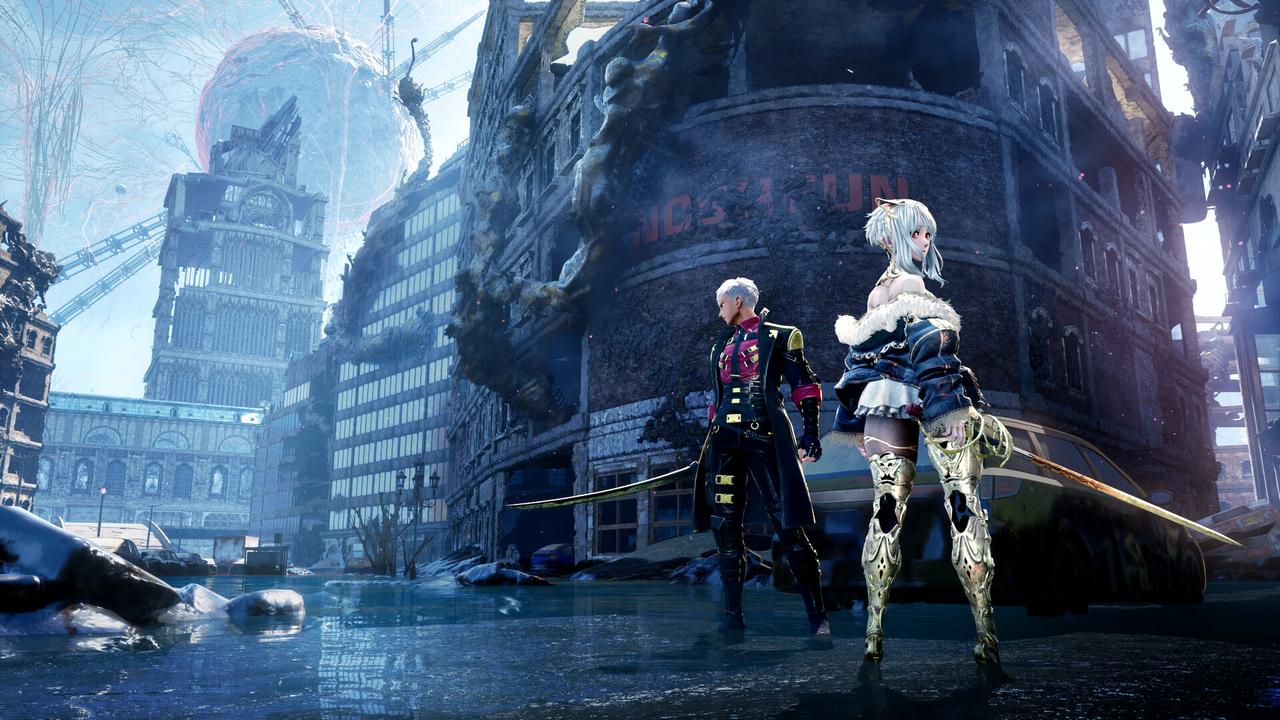
Code Vein II fully embraces its anime style, and for the most part, it works. The world is built around ruined cities, empty highways, and wide open spaces that feel worn down and abandoned, but still carefully designed. It’s not aiming for realism, and it doesn’t need to. The consistent visual direction helps everything hold together, even when environments start to feel strange or exaggerated.
Character models look good across the board, and enemies are easy to read in motion, which matters a lot once fights start getting busy. Attacks are clear, animations are readable, and the screen never feels like it’s working against you. The character creator is also one of the stronger parts of the experience. You get a lot of freedom without it turning into a time sink, and it’s easy to lose track of time tweaking small details before heading back out. Being able to change your look later on is a nice bonus, especially if you like experimenting as you go.
Where the Cracks Start to Show
The technical side is where a few rough spots start to creep in. Performance dips show up in larger areas, especially when effects start piling up during fights. It never made the game unplayable for me, but it was noticeable enough to pull me out of the moment at times. Pop-in also shows up more than it should, particularly when moving quickly through open spaces or loading into new sections.
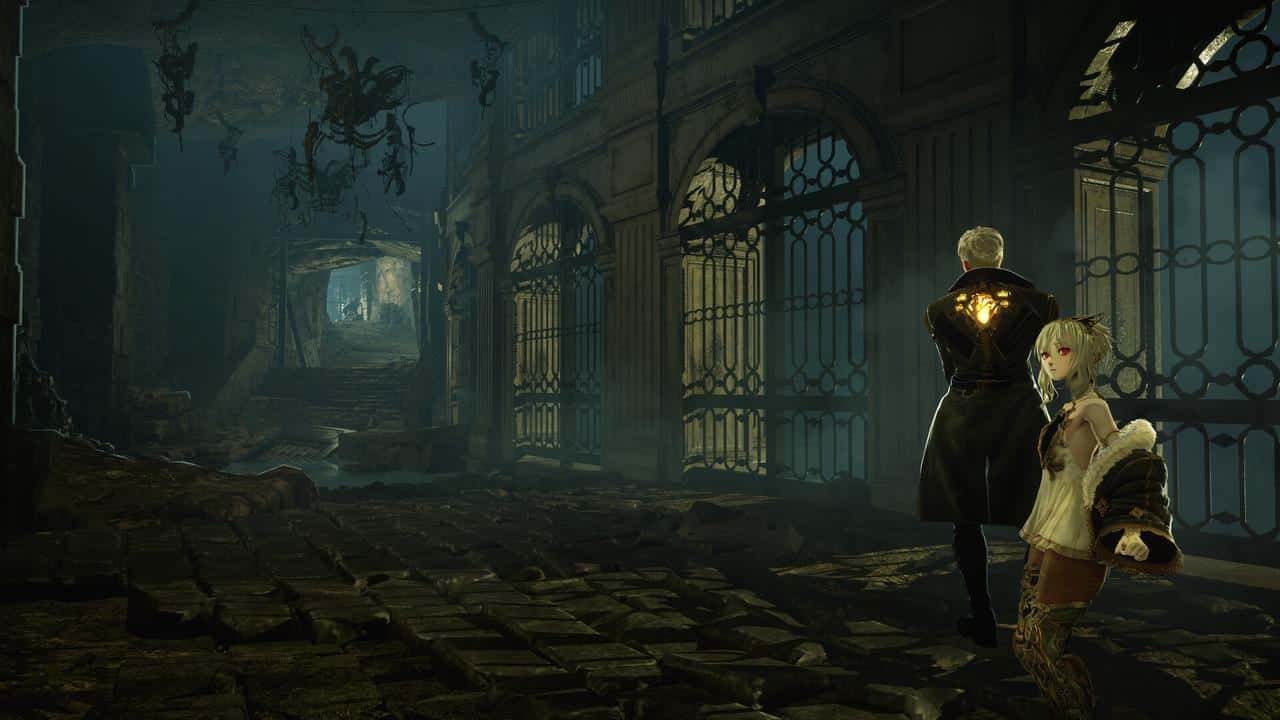
The audio side of things holds up better. Weapons have enough weight to make hits feel satisfying, and the soundtrack does a good job setting the mood without constantly drawing attention to itself. Boss music, in particular, helps sell the scale of bigger encounters when the visuals alone are not quite enough. Voice acting is solid across the cast and fits the tone of the game without going over the top.
Even with the technical rough spots, Code Vein II still holds together well enough that it’s easy to stay immersed. It is not the cleanest or smoothest experience, but the art direction carries a lot of weight, and the world remains engaging enough that those issues never completely derail the experience.
Code Vein II Is a Bigger, More Focused Follow-Up That Still Has Rough Spots
Code Vein II stuck with me more than I expected it to. It starts off feeling familiar, but the longer you play, the more it settles into its own space. Instead of pushing for bigger moments or tougher fights, the game lets things breathe and allows you to ease into its world at your own pace.
The game’s biggest strength is how everything connects. Combat, progression, and story all work together in a way that feels intentional. Even when certain pieces aren’t perfect, the overall experience still holds together. Trying out different builds and tweaking how you handle fights keeps things feeling fresh. Seeing the world shift as you progress adds to that forward push. It rewards curiosity more than perfection, which makes it easier to stay invested.
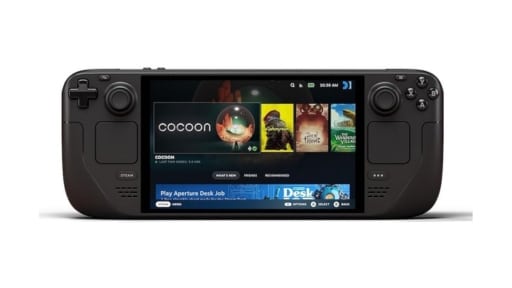
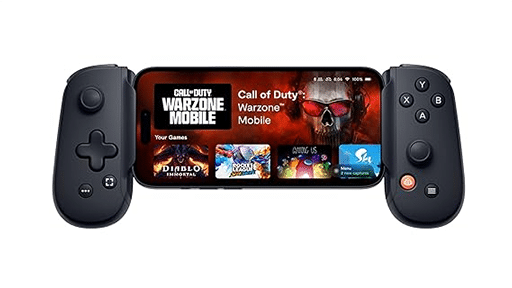
That said, it is not without its issues. Performance dips and visual hiccups do show up from time to time, particularly in larger areas. They tend to be most noticeable when the screen gets busy. A few areas feel like they could have used more refinement. The missing co-op will likely be noticeable for anyone who liked playing the original with a friend. None of this ruins the experience, but it does keep the game from fully reaching what it feels capable of.
Even with those shortcomings, Code Vein II succeeds where it matters most. It tells a story worth sticking with and gives you the space to tackle challenges on your own terms. The world itself is engaging enough that spending time in it never feels like a chore. It may not be perfect, but the freedom it gives you in how you play and approach the story makes a real difference. By the end, it left more of an impact on me than I thought it would.
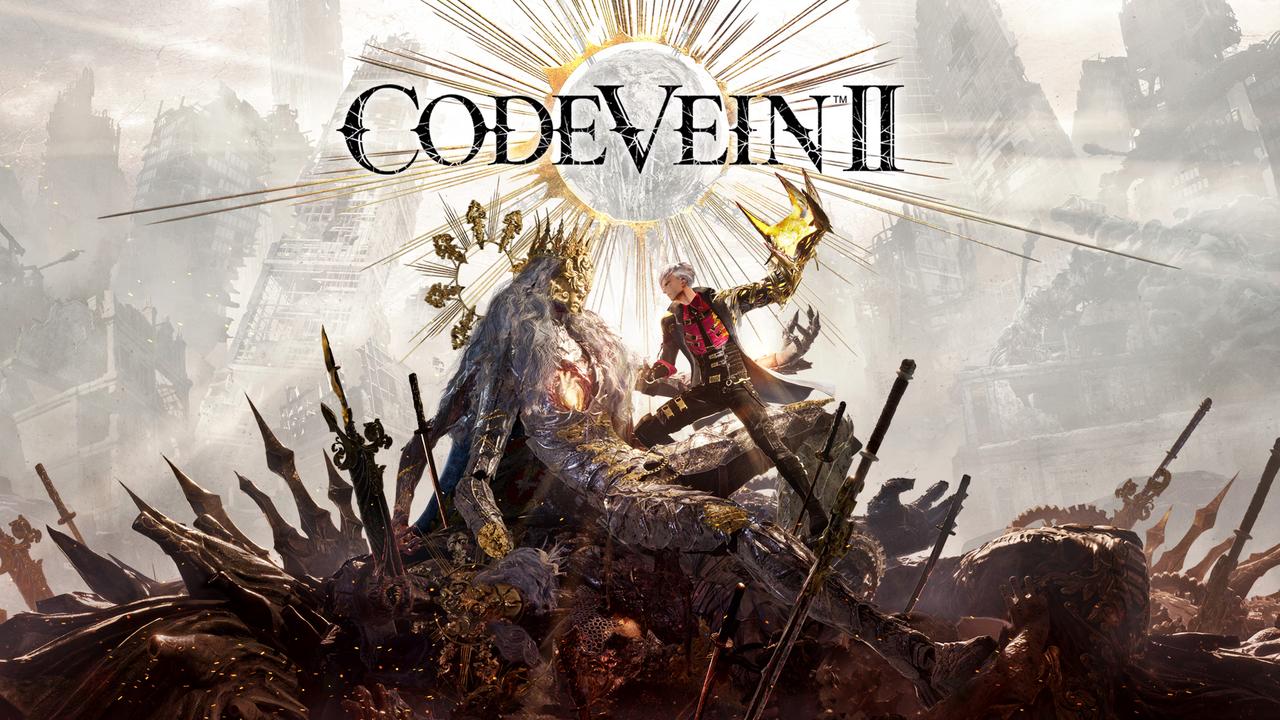
Code Vein II
Summary
Code Vein II builds on the first game in smart ways, with more flexible combat, a stronger focus on story, and a world that’s fun to spend time in. Technical issues and the lack of co-op hold it back a bit, but the core experience stays engaging thanks to how well everything comes together. It’s the kind of game that keeps you playing because there’s always another build to try or another path worth exploring.
As always, remember to follow us on our social media platforms (e.g., Threads, X (Twitter), Bluesky, YouTube, and Facebook) to stay up-to-date with the latest news. This website contains affiliate links. We may receive a commission when you click on these links and make a purchase, at no extra cost to you. We are an independent site, and the opinions expressed here are our own.