



After a few nights in Coffee Talk Tokyo, I stopped treating each order like a recipe test and started treating it like part of the conversation. This is a good late-night café story that works best when every drink request becomes a small conversation puzzle. It isn’t trying to reinvent the visual novel. It’s more interested in whether you’re listening closely enough to understand what a regular actually needs before you start pouring ingredients.
That works for most of the game. Coffee Talk Tokyo gives you a new city, a new café, and a cast built around humans and yōkai-inspired visitors. The Tokyo setting gives the series a different flavour without making things hard for newcomers. You don’t need to have played the earlier Coffee Talk games to get comfortable here. The tradeoff is that the café side doesn’t grow as much as the character writing does. When drink clues connect cleanly, the order you serve has some bite. When they don’t, the night starts to become a little too boxed in.



Coffee Talk Tokyo Opens A New Café With Familiar Rules
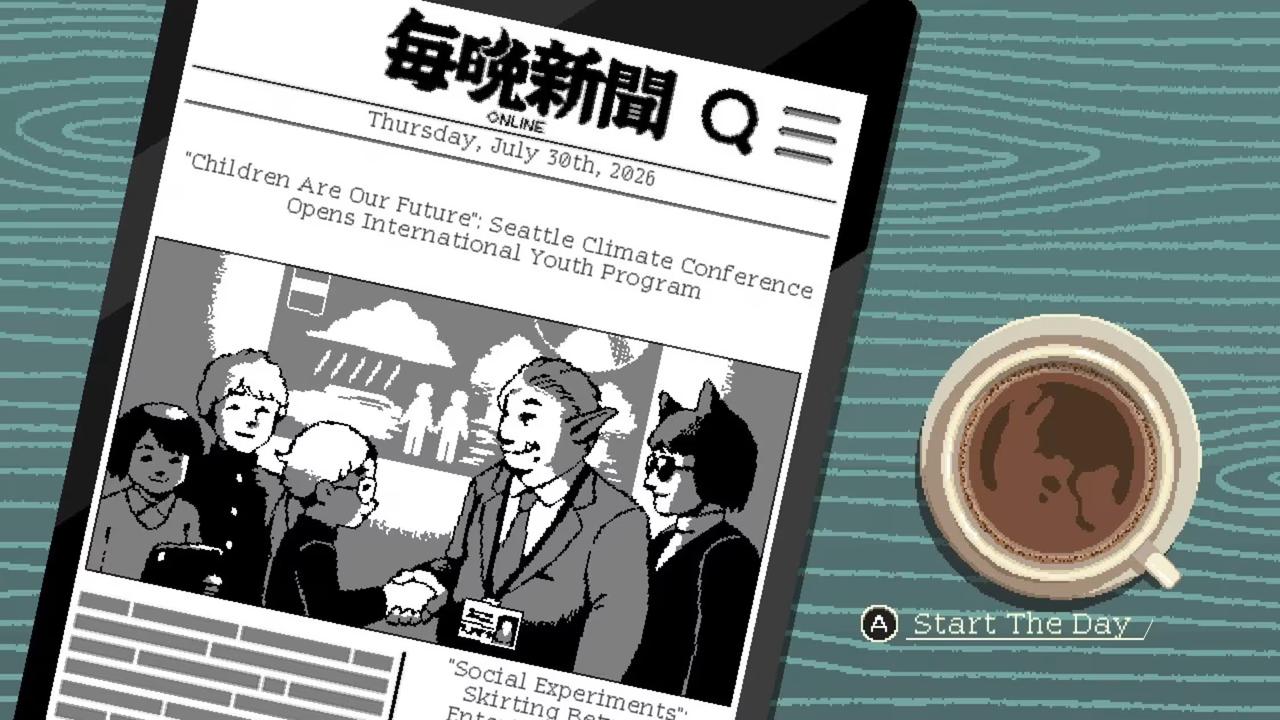
Coffee Talk Tokyo moves the series away from Seattle and into a late-night café in Tokyo. You play as the barista, serving regulars across 15 in-game days as their problems, relationships, and secrets come out one drink at a time. The cast mixes everyday café regulars with visitors inspired by Japanese folklore, but the writing doesn’t treat them like novelty guests. The better conversations are about the concerns they bring through the door.
Someone comes in, orders a drink, talks through what’s on their mind, and leaves you with a little more information than they gave you at the start. I liked that every conversation doesn’t arrive as a full confession. Some regulars are direct. Others avoid the point until the drink or the right question pulls something out of them. That gives the café a steady late-night pace without turning every visit into a dramatic reveal.
It also works as a standalone story. There are callbacks and series connections, but Coffee Talk Tokyo doesn’t punish you for starting here.
The tradeoff is that the café itself stays fairly static. You’re not decorating the shop, changing the business, or managing a larger daily schedule. You’re reading, listening, making drinks, and checking your phone. That fits the relaxed structure, but it also puts pressure on the writing. A good conversation carries the night. A weaker one has less support around it.
Drink Requests Turn Listening Into The Real Test
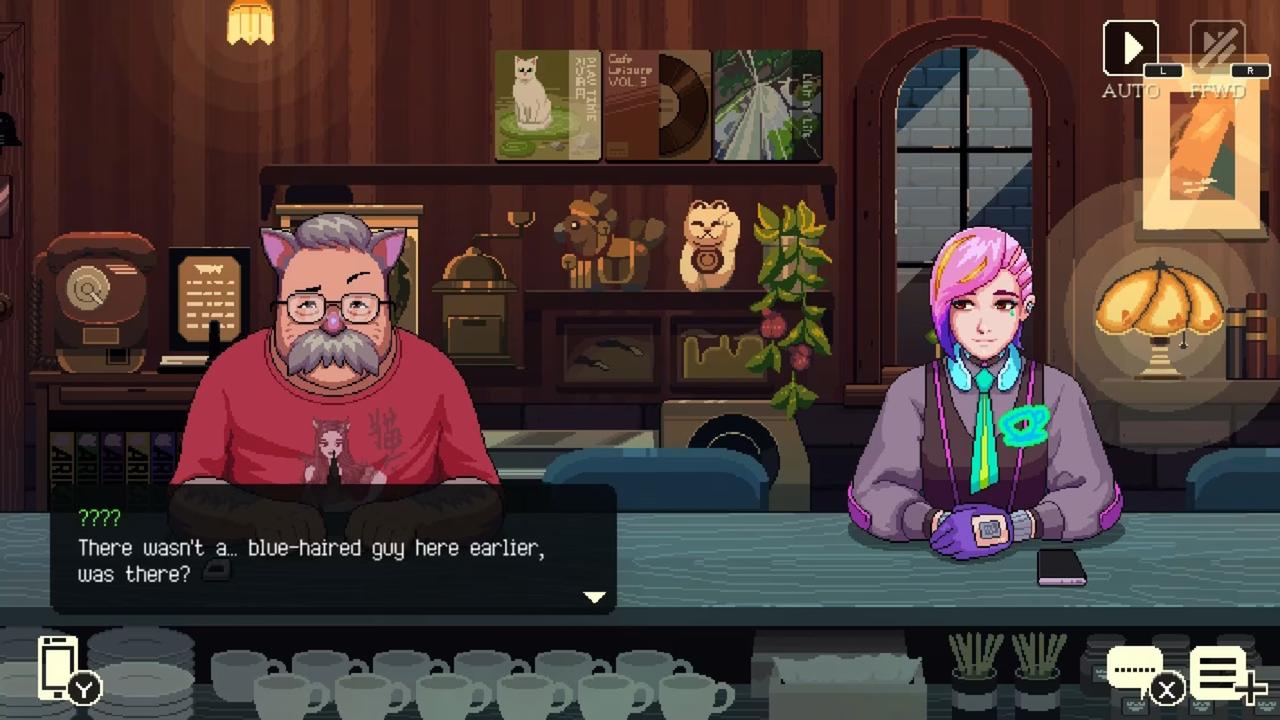
Coffee Talk Tokyo’s drink-making is built around four choices: hot or iced, then three ingredients in order. Some customers tell you exactly what they want. Others give you hints based on flavour, mood, memory, or something they mentioned earlier. That is where the game is at its best. You’re not just picking from a menu. You’re connecting a line of dialogue to a recipe.

I found myself slowing down before serving certain orders because one missed clue could change the result. The game gives you five mistakes per night, so it doesn’t punish you too harshly, but it does make you think before committing. If you serve the wrong drink, the customer reacts. Serve the right one, and you move their friendship forward. Over time, those drink choices affect which outcomes you see.
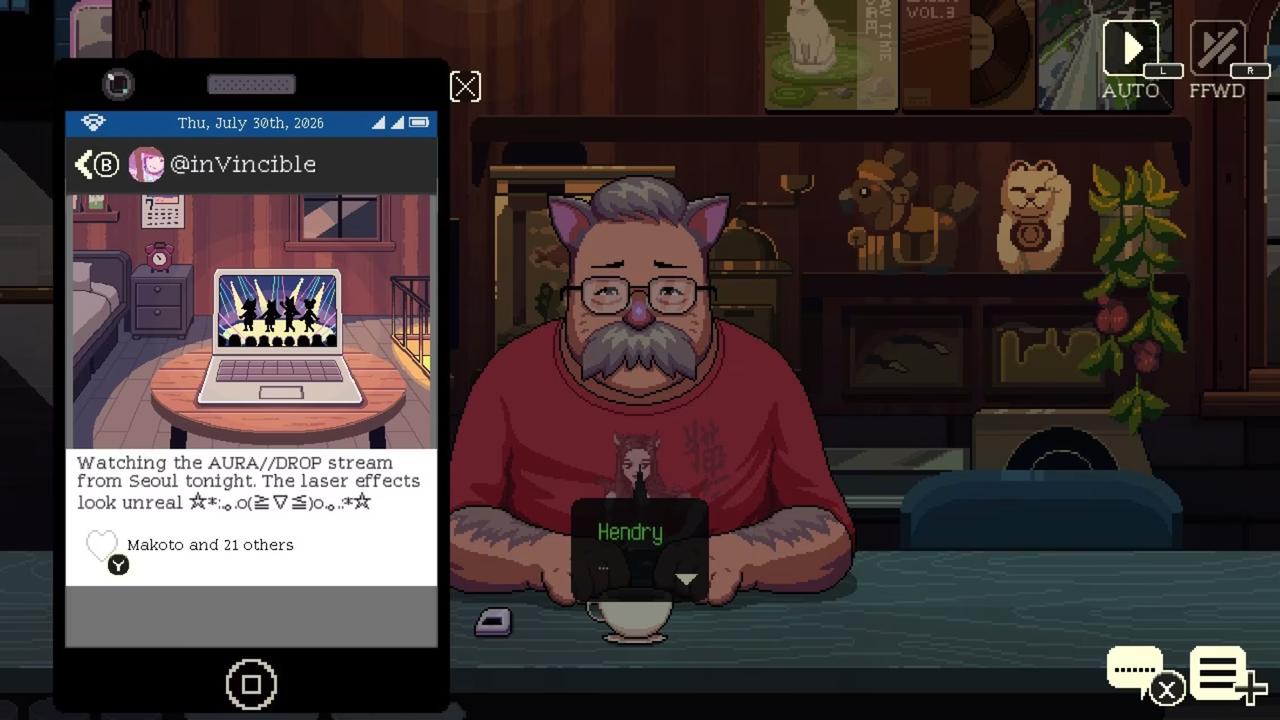
The in-game phone helps, but not always as much as it should. Your recipes, friends, music, and Tomodachill posts are all handled there. Tomodachill, the in-game social feed, is useful because characters sometimes share details that point toward future drink combinations. The problem is that liked posts don’t become a clean saved recipe reference. If you see something useful and move on, you may end up relying on memory later. I started treating Tomodachill like a clue board instead of a throwaway social feed.
Endless Mode gives you two extra ways to experiment outside the story. Free Brew has no time limits, so you can test ingredients and build out your recipe list without worrying about customer outcomes. Challenge Mode puts you into a timed sequence where you craft specific customer requests and earn bonus time for successful combinations. Both are useful because the main story doesn’t give you room to try every drink.
The Phone Helps But The Café Needed More Interaction
Most of Coffee Talk Tokyo’s helpful information lives on your phone. It holds your recipe list, tracks your regulars, lets you change music, and gives you access to Tomodachill. I checked it constantly once drink requests became less direct. When someone gave me a vague order, I’d usually check the recipe list first, look at recent posts, then go back to the chat log before making the drink. That habit gave each order more purpose.
The chat log is useful in a game built around memory and context. If you miss a line or tap through a detail too quickly, you can go back and reread the current conversation. The calendar also helps with replaying days or restarting a night if you want another shot. The fast-forward function makes repeat playthroughs less of a grind, especially when you’re chasing different outcomes.
The café could have used more hands-on variety. The core structure rarely moves beyond reading, checking clues, and making drinks. Latte art is there, but it doesn’t meaningfully change your choices. Music selection gives the café some personality, but it’s more of a background touch than a real part of the night. Coffee Talk Tokyo has the right pieces for a more active café. It just doesn’t let you interact with enough of them.
Drink-making, character tracking, and Tomodachill all feed into the same idea: listen carefully, make the right drink, and nudge each regular toward a better outcome. The wider café life never grows around those tools. For a story-led visual novel, that may be enough. For anyone hoping the Tokyo setting would bring more to manage behind the counter, it’s a clear ceiling.
Pixel Art And Lo-Fi Music Give The Café Its Mood
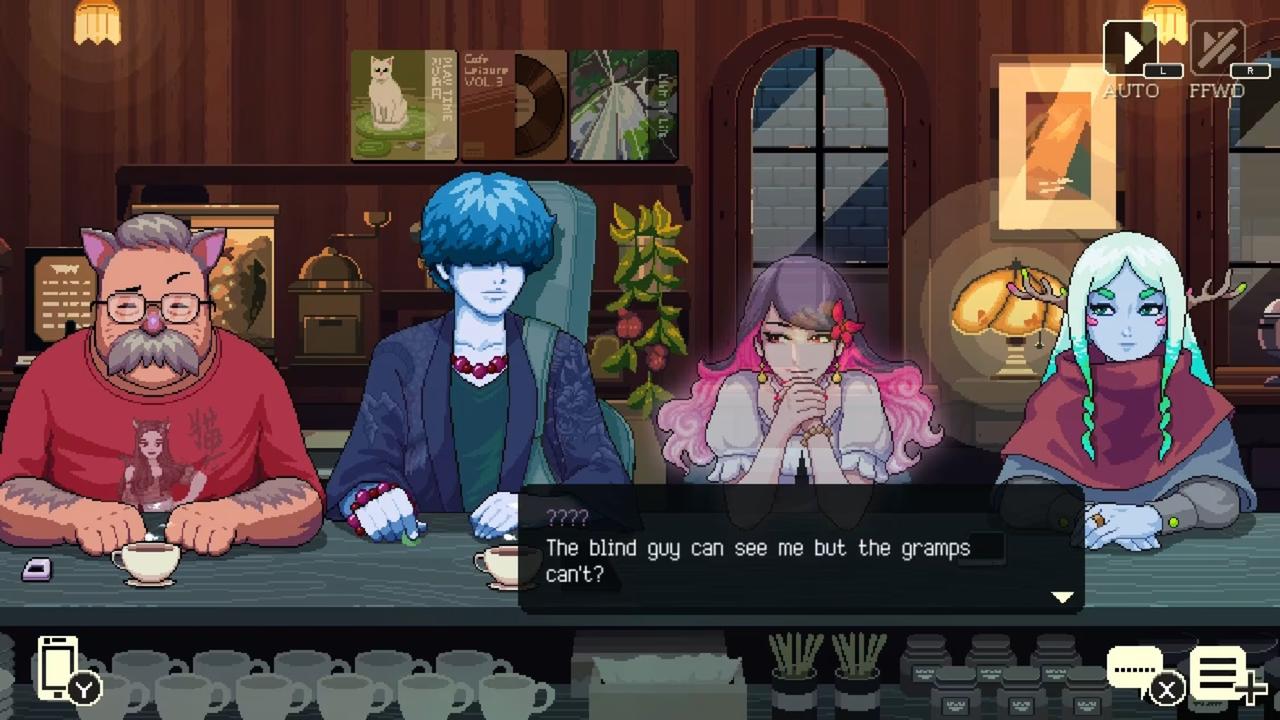
Coffee Talk Tokyo keeps the pixel art style that defined the earlier games, and the new setting gives it enough visual change to avoid looking like a simple repeat. The café has a late-night look, with Tokyo outside and the counter acting as the place where everything slows down. Character portraits do a lot of the work here. Since you spend so much time watching people talk across the bar, small expressions and visual details have to carry personality.
The supernatural designs are handled with restraint. The yōkai-inspired cast fits into the café without turning the game into a checklist of folklore references. That helps the story stay focused on who these characters are instead of what they represent. I appreciated that. It would have been easy for the Tokyo setting to become a parade of familiar imagery.
The soundtrack from Andrew “AJ” Jeremy sits underneath the conversations without fighting the dialogue. I changed tracks through the phone more than I expected, partly because the music becomes part of how each night plays. It needs to make the café seem like a place worth sitting in, and it does that well.
In my time with Coffee Talk Tokyo, I didn’t run into anything that interrupted the café routine. Text moved cleanly, menus responded quickly, and the phone never became a hassle to use. It’s whether the presentation has enough movement and variety to support 15 nights of reading. For me, it mostly does, even if some scenes start to blend together near the end.
Coffee Talk Tokyo Is Best When You Want Conversation Over Café Management
Coffee Talk Tokyo isn’t a game I’d hand to someone looking for deep shop management or constant hands-on control. This is for the person who wants to sit behind the counter, read the room, serve the right drink, and slowly learn why each regular keeps coming back. The Tokyo café works as a new home for the series, and the drink-making gives your role more purpose than simply clicking through dialogue.
The best parts come from listening closely. A drink request may sound simple until you remember a post on Tomodachill or a line from an earlier conversation. Getting that order right gives the story a small personal payoff because you had to connect the clue yourself. I like games where small decisions actually feel worth thinking about, and Coffee Talk Tokyo gets a lot of mileage out of that.
It also has clear limits. The café doesn’t expand enough, liked Tomodachill posts should be easier to revisit, and the story outcomes don’t seem to branch in a way that radically changes the experience. Replay value exists, especially if you want better endings, more recipes, or Challenge Mode attempts, but this is still a narrow game built around conversation and drink clues.
Coffee Talk Tokyo is a good sequel with a clear audience. It has strong character writing, a comfortable late-night mood, and a setting that gives the series a different identity. Come in for a thoughtful café story with light drink puzzles, and you’ll probably enjoy your time behind the counter. Come in expecting deeper shop management or more active control over the space, and the café may seem small before the last cup is served.
Coffee Talk Tokyo



Summary
Coffee Talk Tokyo is a good sequel for anyone who wants a late-night café story built around careful listening and drink clues. The Tokyo setting gives the series a new identity, Tomodachill adds useful context, and the drink-making gives your barista role real purpose. The café itself doesn’t grow enough, and liked posts should be easier to revisit, but the character writing makes the 15-night story worth seeing through if you want a thoughtful visual novel with light recipe puzzles.
As always, remember to follow us on our social media platforms (e.g., Threads, X (Twitter), Bluesky, YouTube, and Facebook) to stay up-to-date with the latest news. This website contains affiliate links. We may receive a commission when you click on these links and make a purchase, at no extra cost to you. We are an independent site, and the opinions expressed here are our own.