


Metroidvanias are not hard to find right now, which makes it tougher for a new one to grab your attention right away. Constance does not try to do that with big moments or long explanations. It opens quietly and lets its movement, pacing, and visual style speak for themselves. Within the first hour, it becomes clear this is a game that puts feel first and trusts you to settle into it at your own pace.
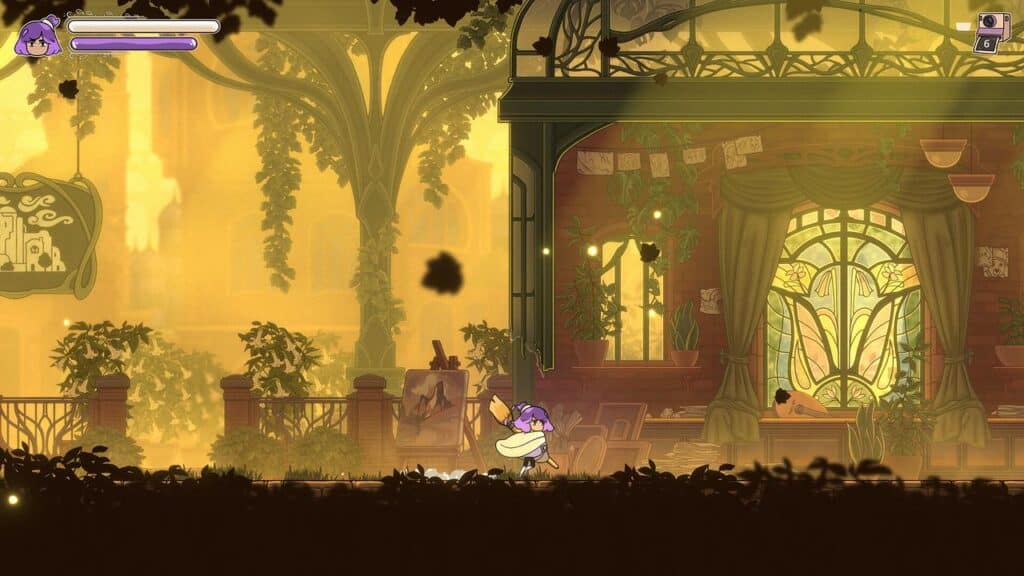
Constance is a 2D, hand-drawn Metroidvania where you control an artist exploring a painted world shaped by creativity and pressure. You fight and move using an oversized paintbrush that acts as both a weapon and a way to get around. Dashes, wall movement, and combat all tie back to that brush, which gives the game a clear identity early on. If you have experience with the genre, the structure will feel familiar, but it never feels careless or rushed.

What I noticed early on was how patient the game is with new ideas. Abilities arrive steadily, and each one has time to sink in before the next is introduced. Combat, platforming, and exploration stay closely linked, and nothing feels piled on just to increase difficulty. I settled into its rhythm faster than I expected, especially once movement began to open up.
Across its roughly 10 to 12 hour runtime, Constance focuses on control, consistency, and visual cohesion rather than sheer size. That steady approach carries through the rest of the experience and sets the tone for everything that follows.
Fragments on the Canvas
Constance tells its story in small pieces rather than long scenes. You spend most of your time exploring a painted world filled with strange locations and characters, but moments from Constance’s everyday life appear at key points along the way. These scenes are short and focused, usually unlocked after major encounters, and they provide context without pulling you away from play for long stretches.
The setup is simple. Constance is an artist who finds herself trapped inside a colourful world shaped by her creativity and frustration. As you move through different areas, you uncover fragments of her past through collected Tears. Each one reveals a memory tied to school, work, or personal pressure. None of these moments overstay their welcome. They arrive, say what they need to say, and then hand control back to you.
Memories That Surface Over Time
I appreciated how restrained the storytelling feels. The game never pauses to explain how you should feel about what you are seeing. Instead, it presents situations plainly and lets you connect the dots on your own. Some memories are uncomfortable to watch, especially those involving authority figures or moments where Constance feels dismissed or overlooked. They are presented without exaggeration, which makes them land more naturally.

Storytelling is also woven into the world itself. NPCs you meet often reflect parts of Constance’s experiences, whether through dialogue, side requests, or how they react to the space around them. These interactions are brief, but they help the world feel cohesive rather than purely abstract.
That said, the story elements are spaced far apart. There were stretches where I went a long time without seeing a new memory, and I found myself wishing those moments appeared a bit more often. What is here works well, but it sometimes feels like the game is holding back.
Overall, Constance delivers its narrative with a light touch. It supports the experience without taking it over, which fits the game’s steady pace.
Flow Through Motion
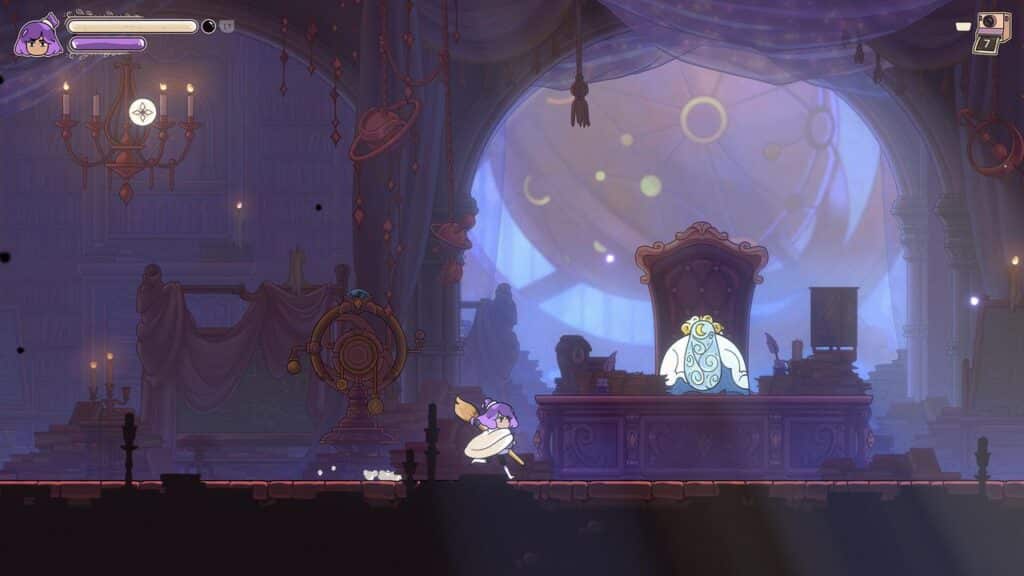
Constance is at its best when everything is moving. Combat, platforming, and traversal are built around the same core actions, which makes the game feel cohesive once you get comfortable with its pace. The oversized paintbrush is central to almost everything you do. It is used to attack enemies, clear obstacles, and move through the environment, often within the same sequence of inputs.
Early on, movement is fairly straightforward. You dash, jump, and strike with limited options, which makes the opening areas easy to read. As new abilities are introduced, the game gradually asks more of you. Air dashes, wall interactions, and brush-based techniques start to stack, and areas that once felt restrictive begin to open up. I liked how each ability had time to breathe before the next one arrived. Nothing felt rushed or thrown at you all at once.
Movement Comes First
Combat focuses on timing and positioning rather than raw speed. Enemies telegraph their attacks clearly, and most encounters reward patience over button mashing. The paint-based dash is especially important, letting you pass through enemies or hazards when used correctly. Because that dash draws from a limited paint resource, you are often deciding whether to play it safe or push your luck. I had several moments where I burned through paint too quickly and had to adjust on the fly.
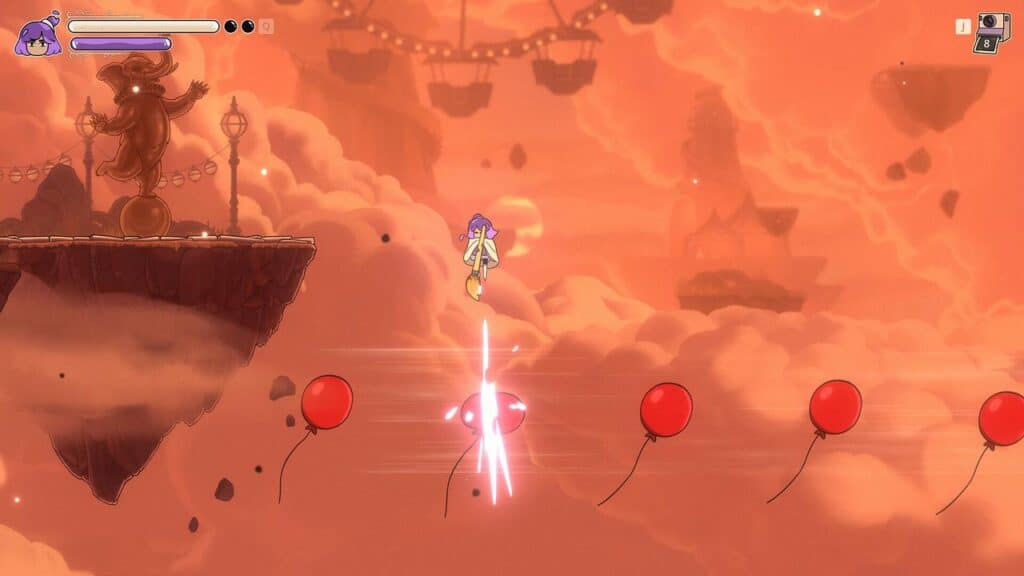
Platforming sections are frequent and often tied directly into combat spaces. Spikes, moving hazards, and vertical climbs appear regularly, and later areas mix these challenges together in tighter layouts. Once your full movement kit is available, navigating these spaces feels smooth and controlled. I found myself moving through rooms more confidently as the game went on, especially when chaining abilities together without stopping.

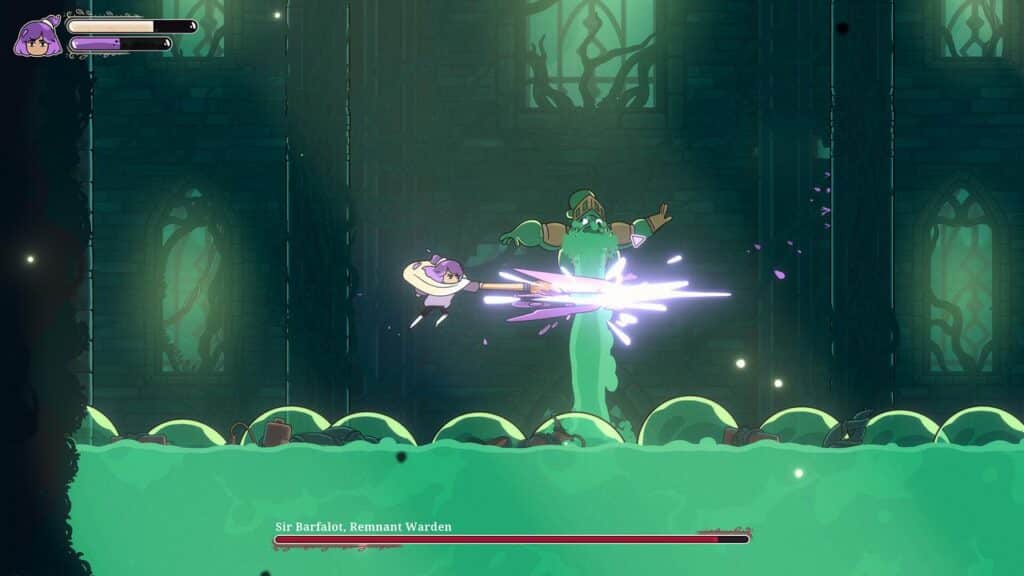
Boss fights are where Constance pulls these ideas together. Most encounters are built around patterns that test both movement and awareness, not just damage output. Some bosses require you to use new abilities in specific ways, often mixing platforming into the fight itself. While difficulty varies from fight to fight, checkpoints are placed generously enough that retries never felt like a chore.
One small touch I appreciated was the choice offered after death. You can respawn normally at the last shrine, or continue from the same room with enemies becoming stronger. It is an optional risk that works well during platforming-heavy sections, especially when you are close to progress and do not want to repeat a long stretch.
Overall, Constance’s gameplay values control and consistency over flashier moments. It does not chase constant escalation. Instead, it focuses on giving you a set of tools and asking you to learn how they fit together.
Painted With Purpose
Constance looks good the moment you start playing, but not in a way that feels busy or overdone. The game uses a hand-drawn, painterly style that feels consistent from start to finish. Characters, environments, and animations all share the same visual language, which helps the world feel cohesive even as locations change.
Each area has a clear identity. You move from tight indoor spaces to wider, more open environments, and the shift is always easy to read. Colours are used carefully to guide your attention, whether that means highlighting hazards, showing climbable surfaces, or framing points of interest. I rarely felt confused about where I could or could not go based on visuals alone.
Animation plays a big role in how the game feels moment to moment. Constance’s movements are smooth, and actions flow naturally into one another. Dashes leave brief paint trails, attacks carry weight without feeling heavy, and transitions between abilities look clean rather than flashy. That clarity helps during tougher sections where quick reactions matter.
The interface stays out of the way. Menus are simple, readable, and quick to navigate. I also appreciated smaller touches, like being able to bring up the map without fully pausing the action. It keeps the pace moving and avoids breaking focus during exploration.
The sound design does its job without ever getting in the way. Music shifts depending on location and situation, but it never overwhelms what is happening on screen. Sounds tied to movement and combat are easy to read and help with timing without getting noisy.
Technically, the game ran without issues for me. Load times were quick, and I never ran into anything that broke my focus. Everything stays clear and consistent all the way through.



Constance Does the Basics Right and Builds From There
Spending time with Constance made its priorities clear pretty quickly. It does not chase scale or constant surprises. Instead, it focuses on control, clarity, and a steady sense of flow that carries through the entire experience. That consistency goes a long way, especially in a genre where uneven pacing can wear you down.
What kept me invested was how well everything fit together. Movement feels good once your full set of abilities is in place, and the game trusts you to learn through play rather than long explanations. Combat and platforming stay closely linked, and even when sections became more demanding, retries never felt punishing. I found myself willing to experiment, knowing the game respected my time.
The story keeps things low-key. Moments from Constance’s life show up here and there, usually at natural breaks, and they never stop the game in its tracks. I did find myself wanting to see those scenes a little more often, but the ones that are there stay with you. They add context without taking over the experience.
Visually, Constance stays consistent from beginning to end. Every area feels intentional, and nothing looks or feels out of place. That cohesion helps the world feel believable, even as locations shift and new mechanics come into play. It also makes longer play sessions easy to settle into.
Constance may feel familiar if you spend a lot of time with Metroidvanias, but it is put together with care. It understands the basics, executes them well, and avoids unnecessary friction. For anyone looking for a focused, well-paced entry in the genre, Constance delivers a solid and thoughtful experience.
Constance

Summary
Constance is a tight, well-paced Metroidvania that feels good to play once its movement and abilities come together. The paintbrush-based combat and traversal stay fun without getting overly complicated, even if the structure will feel familiar to genre fans. Story moments are spaced out, but they add useful context without slowing things down. It is a focused experience that respects your time and keeps things consistent from start to finish.
As always, remember to follow us on our social media platforms (e.g., Threads, X (Twitter), Bluesky, YouTube, and Facebook) to stay up-to-date with the latest news. This website contains affiliate links. We may receive a commission when you click on these links and make a purchase, at no extra cost to you. We are an independent site, and the opinions expressed here are our own.