


Survival horror is at its best when it makes you feel vulnerable, and Cronos: The New Dawn wastes no time doing exactly that. You step into the role of the Traveler, working for a group called the Collective, and are thrown into Poland after an event known as the Change. The world is in ruins, time itself is fractured, and nothing feels stable for long.
The game doesn’t let you coast. From the beginning, you’re rationing ammo, making tough choices about what to carry, and worrying about what waits around the corner. Every encounter is designed to test whether you can scrape by with the little you have. That constant push for survival is what makes the experience click.



Where Cronos stands apart is in how it uses time rifts and memory fragments. These shifts let you move between ruined streets and broken memories of the past, turning exploration into a mix of puzzle-solving and storytelling. Instead of long cutscenes, you piece things together through scraps of dialogue, notes, and the environments themselves.
In this review, I’ll go over how the game builds its story, how the combat and resource management shape the survival horror, and how it looks and feels on Nintendo Switch 2. There are rough edges, but there are also moments that stuck with me long after I stopped playing.
Fragments of the Past
At the heart of Cronos: The New Dawn is the Traveler, an operative of the Collective. Your mission is to move through ruined areas of Poland after an event called the Change, uncovering what remains of humanity while stepping into rifts that connect different points in time. These journeys into the past are where you encounter essences, fragments of people that influence both abilities and outcomes.
Storytelling here is far from direct. Instead of long cutscenes spelling everything out, you collect scraps of information. Notes, audio logs, and scattered dialogue create a fractured view of the world. Survivors you encounter often speak in guarded tones, leaving you to piece together what has happened and what the Collective’s true goals may be. This fragmented style works well when it clicks, giving you the feeling of slowly reconstructing a mystery from incomplete memories.
Essences add another layer, shaping not only your abilities but also small changes in dialogue or encounters. Carrying one into the right place might trigger a sudden memory or a shift in how events play out. It’s not a huge change to the overall story, but it makes the world feel less rigid.
The story does hit a few bumps along the way. Some dialogue comes off awkward, and a few story beats feel abrupt or confusing. Still, I found myself hooked on the process of digging through ruins and following small threads to bigger revelations. It felt like exploring a box of broken photographs, each piece adding just enough to keep me searching for the next.

Every Bullet Counts
Combat in Cronos: The New Dawn is all about pressure and restraint. Ammo is limited, healing items are rare, and even torch fuel feels as valuable as bullets. The game forces you to think about every move, because dead enemies can merge with nearby corpses unless you burn them. Choosing when to use fire becomes just as important as deciding when to pull the trigger.
Enemies come in many shapes, from wall-crawlers that keep ceilings unsafe to heavy brutes that demand careful planning. Each fight pushes you to make the most of your surroundings. Explosive barrels, fuel tanks, and oddities that alter the environment often tip the scales. Workstations scattered throughout act as safe zones, letting you save progress and spend Energy and Cores to upgrade weapons, suits, or inventory space.
Inventory limits add more weight to decisions. Do you carry an extra medkit or bring more ammo? Early on I chose to prioritize carrying capacity, and later that paid off when a tough boss fight left me clinging to survival with only a few bullets. That moment of pulling through with just enough resources felt earned in a way few games manage.
The variety helps, but not everything hits the mark. The merging mechanic, while interesting in theory, rarely feels as threatening as intended. Boss encounters also lean toward repetition, with fewer twists than the regular fights offer. Checkpoints can feel punishing too, sometimes rolling back progress much further than expected.
Even with these frustrations, the core loop is satisfying. I was always counting bullets, and surviving a fight with just enough left felt like a real payoff. When combat, upgrades, and planning align, Cronos delivers the kind of survival horror challenge that sticks with you.
A World of Ruin and Echoes
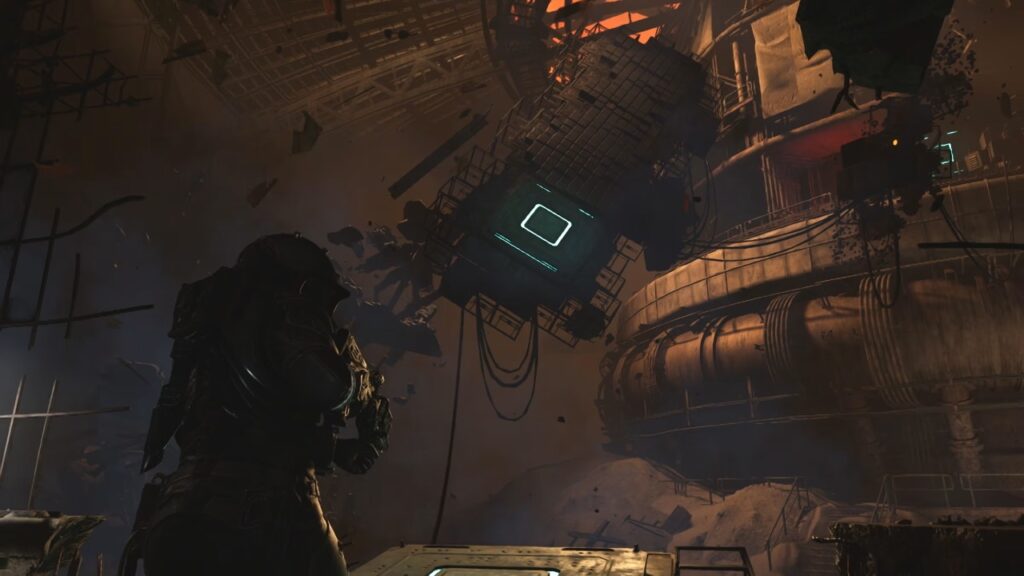
I played on Nintendo Switch 2, and while it doesn’t deliver the same level of detail as other consoles, Cronos: The New Dawn still hooked me with the way its world looks and feels. Shattered streets, dim interiors, and retrofuturistic designs make each location stand out. Even with simpler shadows and textures, the world feels convincingly decayed.

Most of the creature designs land well, especially the bigger ones that give the fights their bite. Some smaller enemies repeat too often, and a few animations look rough, but it didn’t ruin the mood. Even when hallways felt a bit samey, the setting stayed heavy.
The audio design in Cronos is one of the game’s highlights. Playing with headphones, I caught subtle noises that instantly put me on edge, like distant creaks, squelching echoes, and whispers tied to collected essences. The soundtrack adds weight without overpowering the moment, though the music itself isn’t very memorable. The voice work isn’t always great. The Traveler’s robotic filter dragged after a while, but the audio overall kept me engaged.
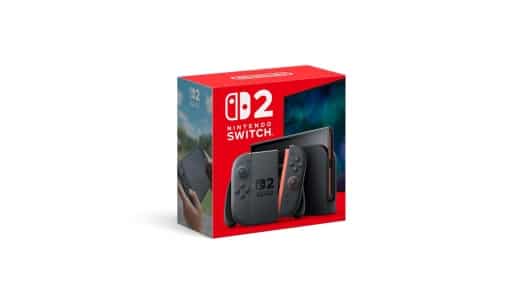
Performance was solid on Nintendo Switch 2, holding steady at 30 frames per second without giving me issues. What sets this version apart is the control feel. The haptics on both the Pro controller and Joy-Con 2s add a nice kick to fights. I do wish there were more control options that used the hardware in interesting ways, but even without extras like motion aiming, I still found the standard setup solid.

Cronos: The New Dawn Strengths Outweigh the Flaws
Cronos: The New Dawn left me with mixed feelings, but mostly in a good way. It captures the spirit of survival horror with its focus on scarce resources, drawn-out suspense, and a world that feels broken beyond repair. The atmosphere on Nintendo Switch 2 pulled me in right away, and even with scaled-back visuals, I never lost that sense of dread when moving through its ruined streets.
The strongest parts of Cronos come from its survival loop and visuals. Managing ammo, deciding when to burn bodies, and carefully weighing upgrades kept me thinking ahead. The sound design stood out too, with headphones amplifying every creak, echo, and whisper in ways that made me check over my shoulder more than once. Creature design, especially larger enemies, pushed encounters into uncomfortable territory where victory felt earned.
Still, the game has its rough edges. The merging mechanic doesn’t hit as hard as it could, boss fights often feel too simple, and checkpoints can test your patience. The story, while interesting in fragments, sometimes stumbles with awkward dialogue or abrupt moments that break the flow. None of these flaws ruined my time, but they do hold it back from standing alongside the very best in the genre.
When I put the controller down, what stayed with me wasn’t a single scene but the overall grind of survival. Cronos makes you feel like every step forward matters, and that stuck long after I was done. Fans of survival horror who prefer planning and world design to wall-to-wall action will find plenty to like here.
Cronos: The New Dawn


Summary
Cronos: The New Dawn nails the survival horror vibe with scarce resources, relentless enemies, and an oppressive setting. The audio design in Cronos is one of the game’s highlights, turning every step through ruined Poland into a nerve-wracking moment. Combat can get clunky, checkpoints are harsh, and the story doesn’t always flow well, but pulling through tough fights with just enough left is satisfying. If you’re into survival horror that rewards planning over nonstop action, Cronos is worth checking out.
As always, remember to follow us on our social media platforms (e.g., Threads, X (Twitter), Bluesky, YouTube, and Facebook) to stay up-to-date with the latest news. This website contains affiliate links. We may receive a commission when you click on these links and make a purchase, at no extra cost to you. We are an independent site, and the opinions expressed here are our own.