



Dead or Alive 6 Last Round is one of those games where I enjoyed the fights more than what this re-release adds around them. The combat still has plenty of life. Reading Holds, pushing someone toward a danger zone, and using the Break Gauge at the right time can turn a match fast. I just wanted Last Round to go a bit further as a new version of Dead or Alive 6.
The split is pretty clear. If you skipped Dead or Alive 6 in 2019, this is a decent way into its fast one-on-one fighting. If you already own Dead or Alive 6, your decision comes down to what you bought before. Photo Mode, cleaner visuals, and some former DLC fighters from Dead or Alive 6 are all welcome additions. If you already spent a lot of time and money with the original release, they may not be enough on their own.


Matches Keep Dead or Alive 6 Last Round Moving
The fighting is the reason Dead or Alive 6 Last Round is easy to keep playing. Once a round starts, the game quickly reminds you why Dead or Alive has its own place among 3D fighters.
The combat runs on how Strikes, Throws, and Holds keep each other in check. If your opponent keeps attacking, a Hold can stop that. If they start waiting for you to Hold, a Throw can catch them. It keeps you reading the other fighter instead of just throwing out attacks and hoping they connect.
I liked that back-and-forth. A round can change because you spotted a high attack, called out a grab, or pushed back with the right Hold. I had the most fun with Dead or Alive 6 Last Round when both fighters were trying to read each other instead of just trading attacks.
The Break Gauge adds a newer Dead or Alive 6 wrinkle to that style. Break Blow is the big offensive meter attack. Break Hold is the defensive answer that can stop different attack levels when meter is ready. That meter creates a broader safety net, especially when Break Hold can answer more than one type of incoming attack. It also changes the cleaner read-and-counter exchange that older Dead or Alive fans may prefer.
Last Round keeps that combat foundation intact. The fighting is lively, quick, and tactical. I just wanted the re-release around it to add more for returning owners, from a cheaper way in for people who already own the game to stronger online support and more new content beyond Photo Mode.

Holds, Throws, And Danger Zones Turn Positioning Into A Weapon
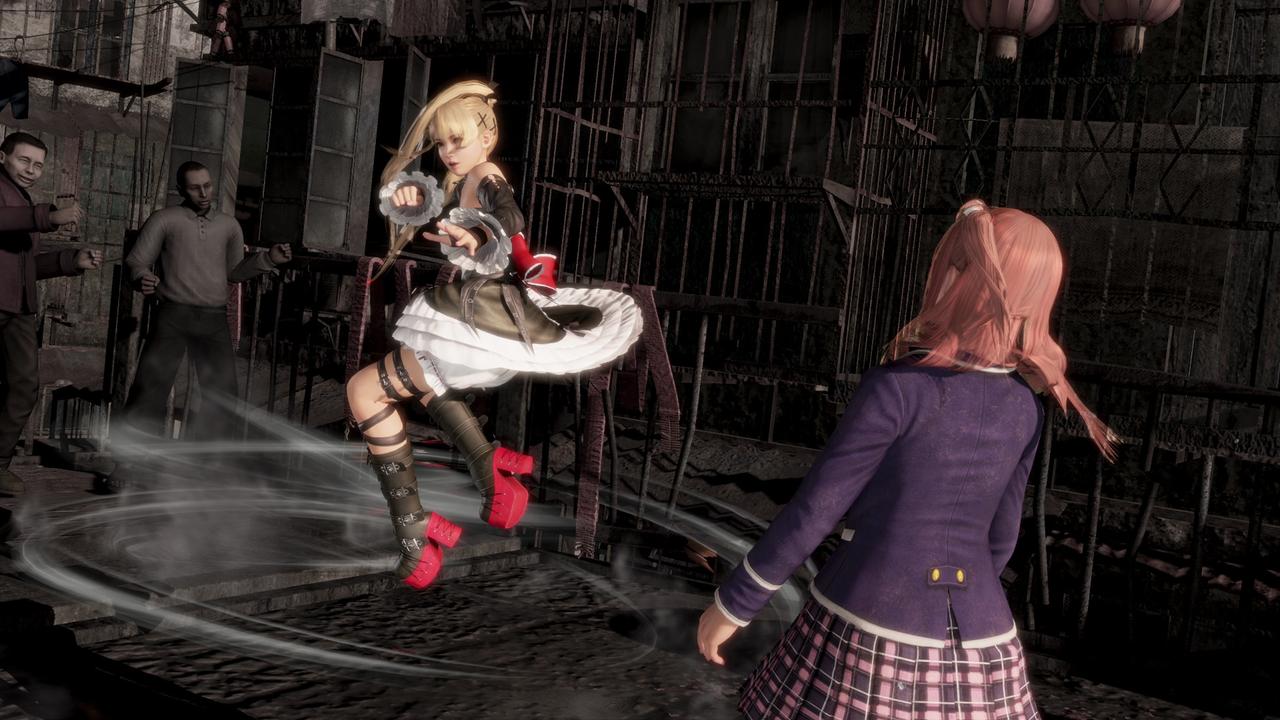
Dead or Alive stages aren’t just backdrops. Danger zones, hazards, and stage transitions turn positioning into a real part of each round because a bad step near the wrong part of an arena can change a fight fast.
Knocking someone into an electric fence, explosive object, or transition point changes your damage plan. The arena becomes part of your attack route, so spacing isn’t just about staying close or keeping distance. You’re also trying to push the other fighter toward the part of the stage that benefits you.
The stages are a big part of why Dead or Alive 6 Last Round keeps its own personality. A match can shift because someone lost control near a hazard or got sent through a transition point. The stage makes the fight flashier without taking control away from the person holding the controller.
The tutorial and Command Training do real work here. Dead or Alive 6 Last Round has a lot to explain, and those lessons teach the fight much better than Story Mode does. I’d start there before making Story Mode a focus, especially if Holds, attack heights, Break Gauge timing, and character-specific move lists are new to you.
The learning curve is real. If you’re new to Dead or Alive, you’ll probably take some rough rounds before Holds, attack heights, Break Gauge timing, and character-specific moves start to make sense. The tutorial tools are there, and the core fighting rewards practice once you start reading the match instead of just throwing out attacks.
Story Mode Splits Its Cast Too Thin
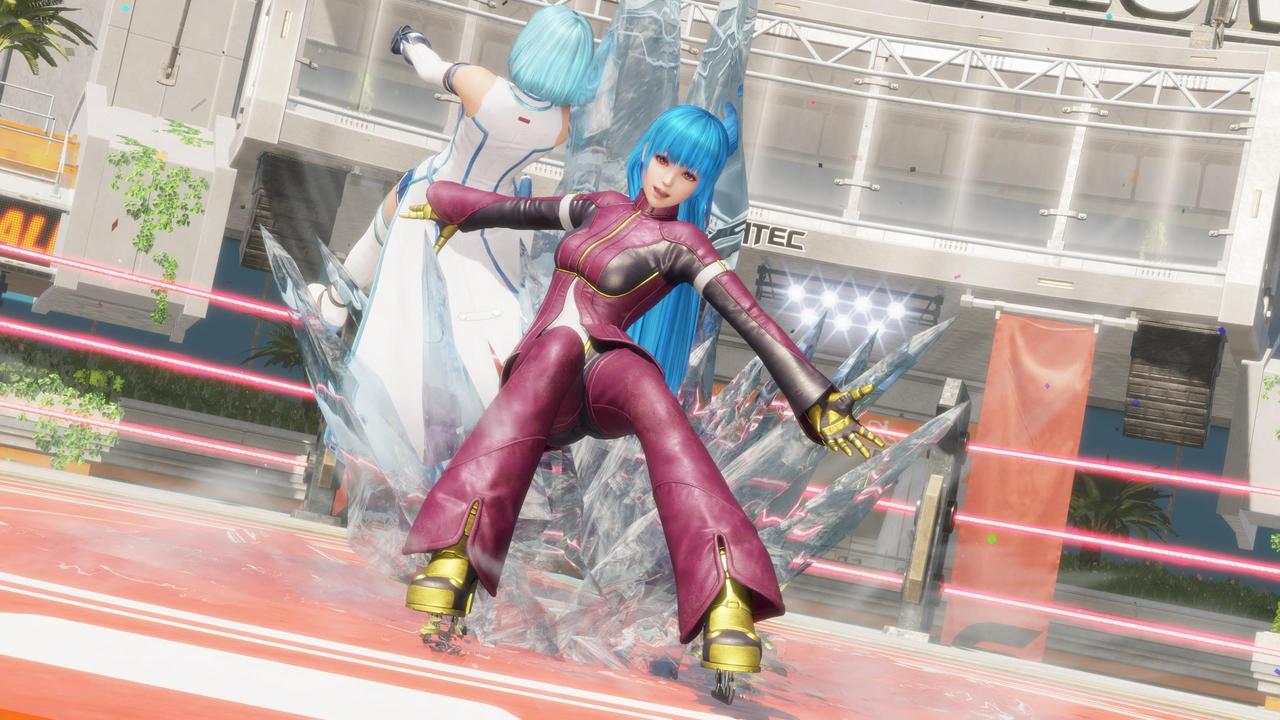
Story Mode is one of the areas where Dead or Alive 6 Last Round is harder to love. It has the names you expect, including Kasumi, Ayane, Hayate, Honoka, Helena Douglas, and MIST, but the structure keeps undercutting the setup.
The main plot has Honoka caught up in MIST’s plans, with the ninja side of the series tied into the larger conflict. That should be enough to keep the story focused. Instead, the game jumps across short chapters, shifting perspectives, and quick fights that keep sending you back to the story menu.
That constant stop-start structure hurts the pacing. A scene plays, a fight follows, and then the menu interrupts before the next piece. The result is a story with too many pauses and not enough connection between its cast.
Some fights have the fast, flashy Dead or Alive style you’d expect, especially when the ninja side of the series comes forward. Those scenes are buried inside a mode that keeps spreading attention across too many fighters and side paths. Honoka and MIST should create the central threat. Story Mode often drifts away from that focus.
The writing and English voice acting don’t do the mode many favours either. Some scenes come across awkward because the delivery doesn’t always match the threat the story wants to build. For me, Story Mode was something to sample rather than the reason to keep going.
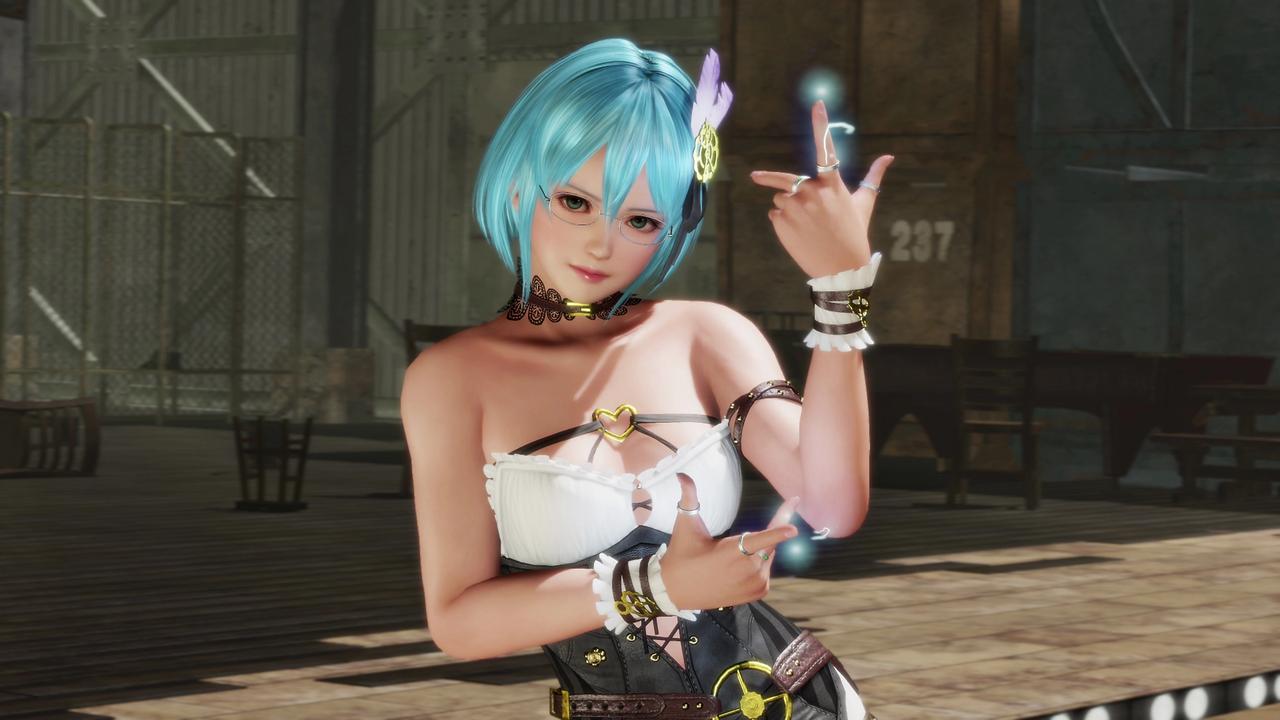
Cleaner Visuals And Photo Mode Add A Little Extra Polish
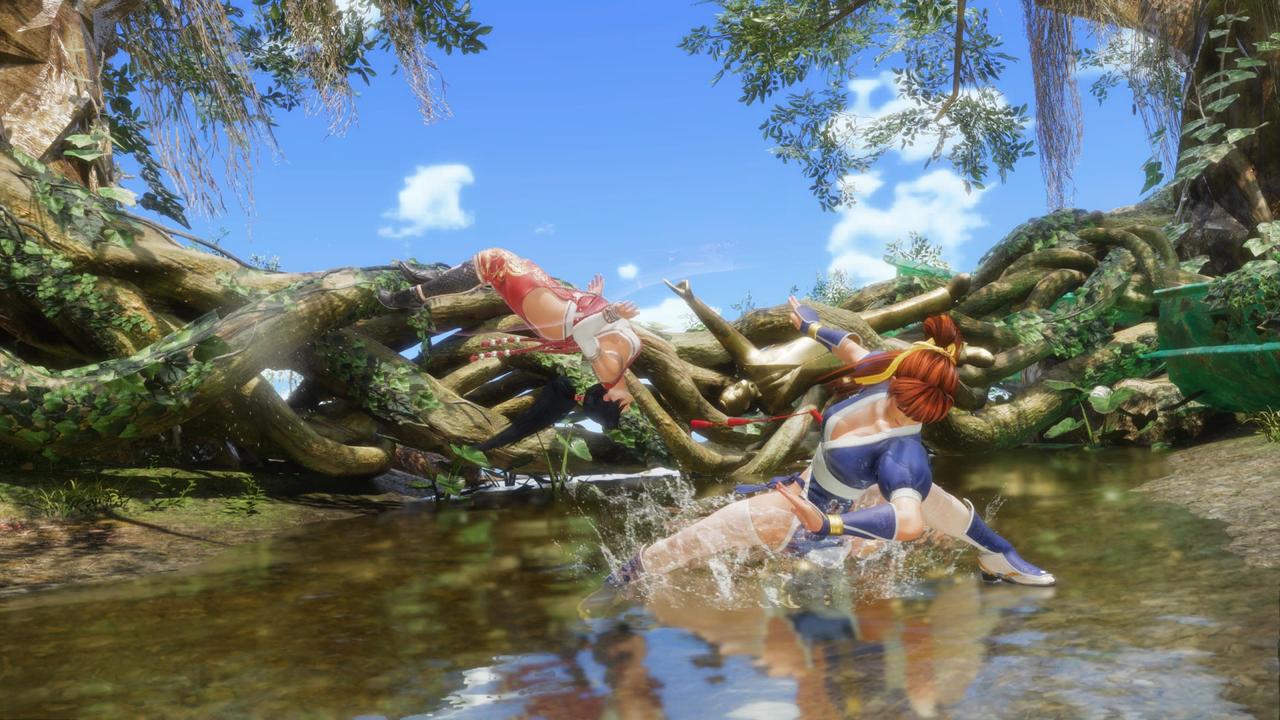
Dead or Alive 6 Last Round looks cleaner here than the original 2019 console release. Lighting and shading have more punch, and the presentation looks cleaner without changing how the game plays. On PS5, Prioritize graphics and Prioritize action modes let you choose between image quality and performance focus.
During matches, performance held up well. A frame-rate dip during a round would be easy to notice in a fighting game, and stage hazards, quick attacks, and camera movement didn’t get in the way of actually playing.
The OBORO version of Lost Paradise is the clearest place to see the upgraded lighting. The colour and contrast make that stage look newer than most of the game around it. The treatment is limited right now, so the whole game doesn’t look rebuilt. It does show the visual upgrade at its best.
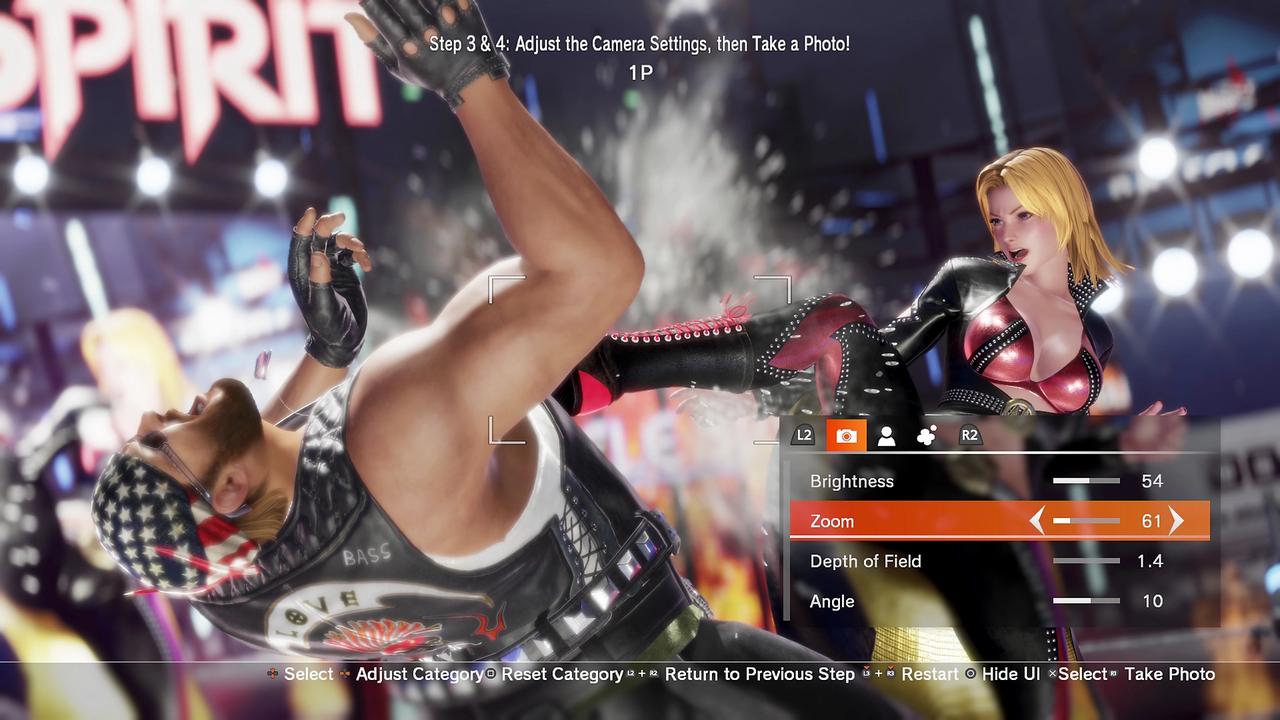
Photo Mode makes sense for Dead or Alive. You can set up fighters, poses, arena placement, and composition. It fits the game because Dead or Alive already has martial arts poses, costumes, big reactions, and dramatic stage shots. Photo Mode is a welcome extra. It fits the roster and arenas well, even if it doesn’t change the single-player modes, the story, the online side, or the way the combat plays.
No Rollback Or Crossplay Limits The Online Side
If you’re planning to play online often, the two omissions you need to know are rollback netcode and crossplay. Rollback netcode improves how online fighting games handle connection problems. Dead or Alive 6 Last Round still relies on delay-based netcode. That doesn’t mean every online match is doomed. It means you’re starting online play without one of the features fighting-game fans now expect.
No crossplay creates another limitation. Dead or Alive 6 Last Round doesn’t support cross-platform play, so the online audience is split by platform. It also doesn’t let Last Round users play against people on the original Dead or Alive 6 release. For a re-release trying to bring people back, that makes the online audience harder to judge.

The returning-owner value has its own questions too. If you already own Dead or Alive 6, Last Round doesn’t offer a cheaper way in for people who already have the game. Some DLC characters are included. Guest characters such as Mai Shiranui and Kula Diamond are still separate, so returning owners need to check what they already bought.
That’s where I wanted more from Last Round. It clearly wants to bring people back to Dead or Alive 6, and the core fighting is strong enough to deserve that attention. Better online support and a cheaper way in for existing owners would have made that return stronger.
Dead or Alive 6 Last Round Makes More Sense If You Missed The 2019 Release
If you’re coming to Dead or Alive 6 for the first time, Last Round makes a lot more sense. If you already bought the 2019 game, you’ll want to check what you own before jumping back in.
If you’re new to this entry, there’s a fun fighter here. The Triangle System keeps matches focused on reads and counters, Holds keep defense active, and danger zones make stages important. The visual upgrade is noticeable, performance is steady, and Photo Mode adds something fun outside the usual fight modes.
The issues are easy to name. Story Mode is still weak. DOA Quest, Arcade, Time Attack, and Survival add things to do, but they don’t fully solve the repeat-content problem. No rollback netcode and no crossplay also make the online side feel behind before the game has a chance to build a stronger audience.
This is for people who missed Dead or Alive 6 and want a way into its combat now. If you already own Dead or Alive 6, I’d check exactly what content you already have before buying again. I’m glad this version puts the fighting back in front of people. I just wish Last Round brought more new content, better online support, and a cleaner path for returning owners.
Dead or Alive 6 Last Round

Summary
Dead or Alive 6 Last Round brings Dead or Alive 6 back with cleaner visuals, Photo Mode, and some former DLC fighters, and the combat is what kept pulling me back. Matches stay quick and steady, with Holds, Throws, Break Gauge decisions, and danger zones keeping rounds active. The bigger friction comes from Story Mode’s stop-start pacing, missing rollback netcode, missing crossplay, and no cheaper path for returning owners. If you missed Dead or Alive 6 the first time, Last Round makes more sense than it does for anyone who already bought deep into the 2019 release.
As always, remember to follow us on our social media platforms (e.g., Threads, X (Twitter), Bluesky, YouTube, and Facebook) to stay up-to-date with the latest news. This website contains affiliate links. We may receive a commission when you click on these links and make a purchase, at no extra cost to you. We are an independent site, and the opinions expressed here are our own.