



Supermassive Games needed a hard reset, and they travelled 12 light-years to get it done. If you’re wondering whether adding full third-person stealth on top of their traditional formula actually works, the answer is a massive yes. Directive 8020 leaves the old formula behind, breaking away from the series format entirely to build a sci-fi horror game from the ground up on Unreal Engine 5. Adding full stealth control on top of the existing cinematic formula completely changes how you interact with the scares. It proves the studio can evolve.
I went in expecting the same quick time events I’ve been doing since 2019, but getting full control over the camera and the characters fundamentally alters the stakes. When a crew member dies now, it happens because I messed up my stealth approach, not just because I missed a random button prompt. That extra level of control makes the 8 to 10 hour campaign incredibly stressful.




Sitting through The Dark Pictures Anthology: The Devil in Me, I thought the formula had run its course. You could practically predict when the next jump scare was going to happen based on the camera angle alone. Giving us direct control over Brianna Young and the rest of the crew breaks that predictability entirely. Now, when I walk into a dark room on the Cassiopeia, I’m the one deciding where to shine the flashlight. I’m the one responsible for checking the corners. They swapped the heavy reliance on cheap jumps for a slow, creeping dread that gets under your skin. It takes a lot of guts to throw away a successful blueprint, but doing so here absolutely saved the game from being just another predictable interactive movie.
The Cassiopeia Is a Hostile Place to Work
The setup is pure classic sci-fi. Earth’s dying, and humanity needs a new home. You take control of five different crew members aboard the colony ship Cassiopeia, which has crash landed on the distant planet Tau Ceti f. Lashana Lynch stars as Brianna Young, the ship’s co-pilot, and she brings a ton of realistic personality to the role. She doesn’t sound like a generic action hero. She sounds like someone who’s tired and just wants to finish the job.
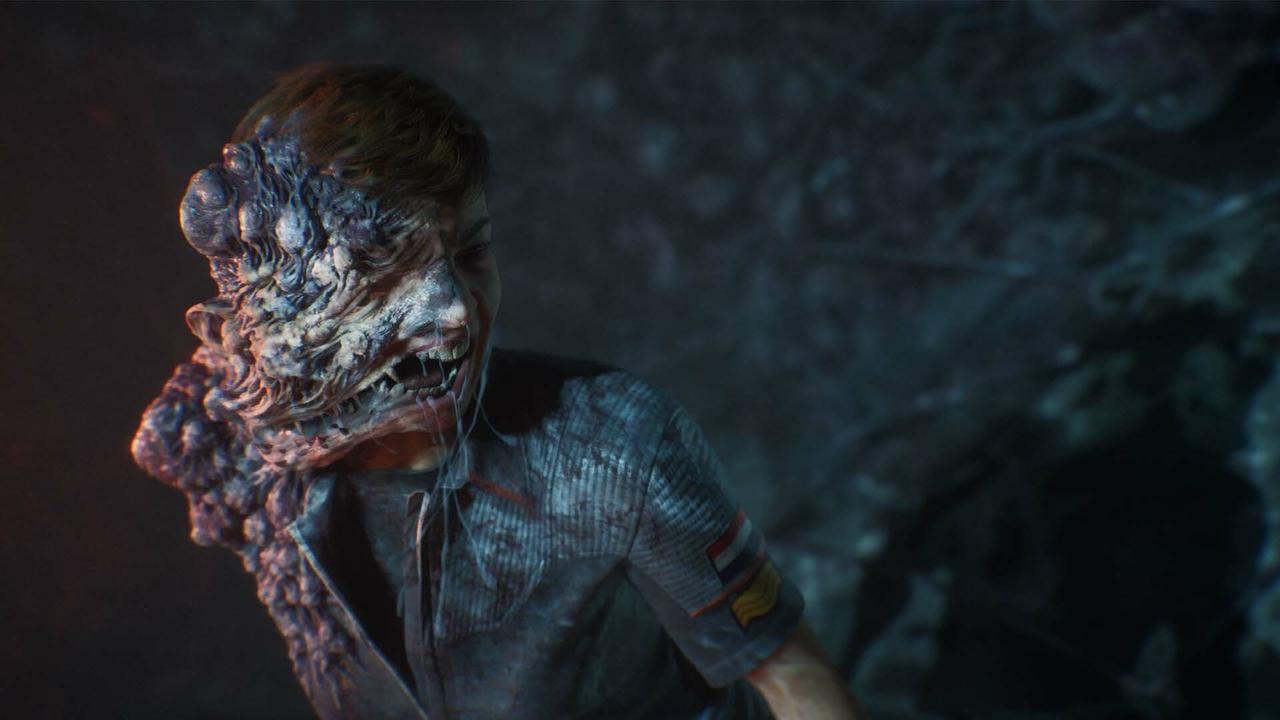
The real problem starts when an alien organism gets loose on the ship. These creatures are mimics, meaning they can take on the exact physical forms of your crewmates. That completely breaks how you approach the story. You’re constantly second-guessing every conversation and every radio call. I found myself hesitating before opening doors to let a supposedly safe character inside. Every time two characters get separated, you have to assume one of them is dead and replaced by the time you see them again. The writing handles this paranoia extremely well, avoiding cheap jumps. It forces you to scrutinize how people talk and act.
During one specific chapter, I had two characters communicating over the ship’s comms to bypass a locked security door. The person giving me directions started using slightly different phrasing than they had five minutes earlier. I had to decide right then if it was just bad writing or a deliberate clue that a mimic had taken over the control room. It turned out to be the latter, and acting on that suspicion saved my character’s life. That’s the kind of paranoia this game creates. It turns basic exploration into a psychological test. You end up analyzing every facial twitch, looking for the tiny imperfections that give the alien away.
Stealth and Sound Dictate Who Survives
Taking direct control of the characters means you have to rely on stealth to stay alive. The mimics hunt by sound and sight. Sprinting through a corridor with your flashlight on is how you get a crew member killed. You have to use cover, distract the aliens, and manage your noise levels constantly. I was absolutely certain the mimic would fall for my distraction in the medical bay, but it heard my footsteps as I tried to sneak past and wiped out my character instantly. Take a minute to learn the exact noise radius of your different movement speeds early on. It saves you from accidentally sprinting into a creature during a chase.

The best new feature by far is Turning Points. In Explorer mode, instead of forcing you to restart the entire game if you make a terrible choice or fail a stealth section, the game lets you rewind to specific key moments. Switch to Survival mode and that rewind is gone entirely. Your choices lock in permanently. You can reverse an unwanted death or adjust conditions to trigger new scenes without repeating hours of gameplay.
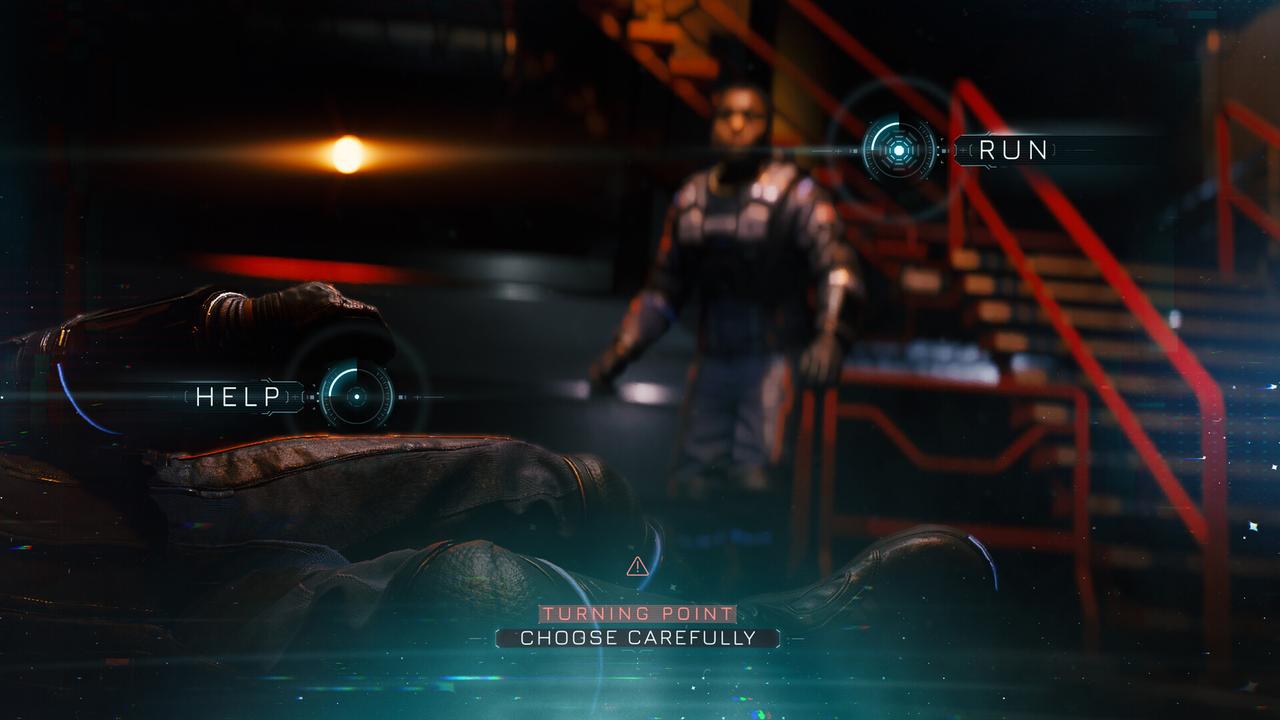
Turning Points completely eliminates that tedious repetition. You get to play with the branching narrative rather than feeling punished by it. I used the rewind feature heavily during a complicated encounter in the engineering bay, trying three different distraction methods before finding the one that worked.
Holding the scanner button pulses the environment and highlights cover, which buys you an extra few seconds to hide when a creature is prowling the room. Combining the scanner with the rewind ability makes the steep learning curve feel completely fair. It ensures you are actually learning how the aliens hunt instead of just memorizing a specific patrol route through painful trial and error.
Unreal Engine 5 Brings Deep Space to Life
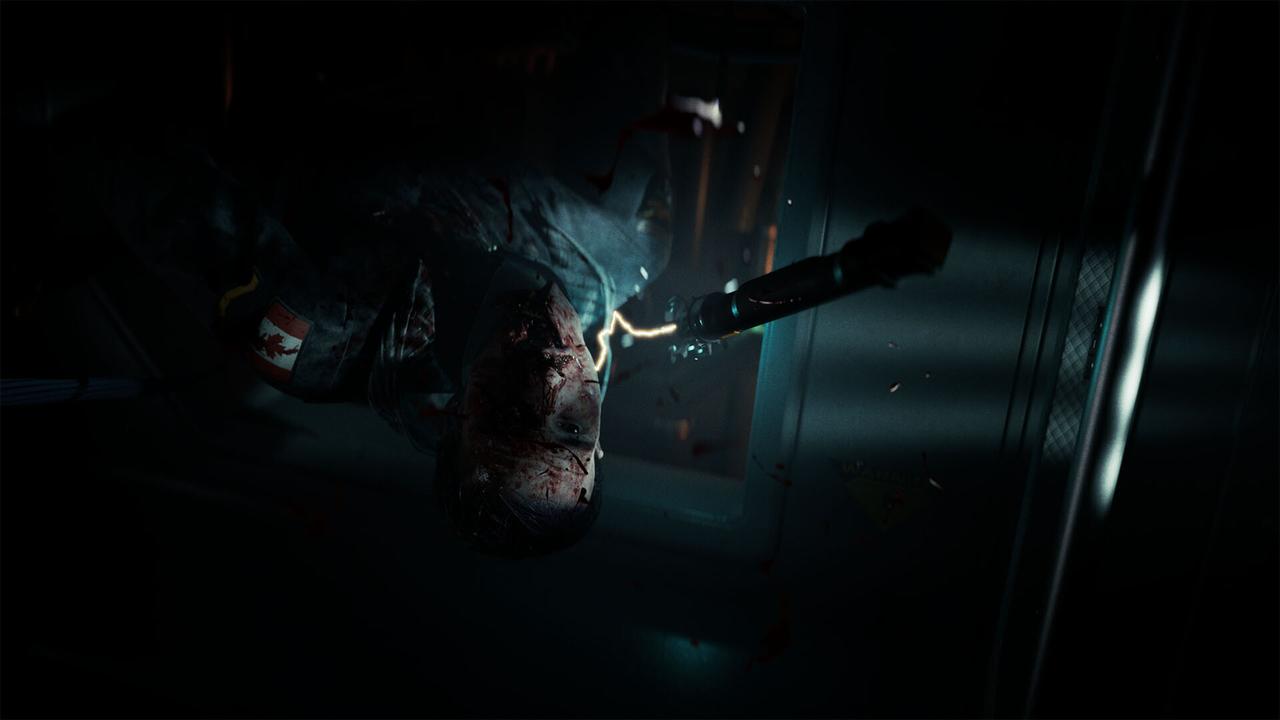
The visual jump to Unreal Engine 5 is massive. The Cassiopeia looks incredibly detailed, with industrial environments that capture the claustrophobia of deep space perfectly. The lighting plays a big role. Because the mimics hunt by sight and sound, the way shadows fall across the corridors directly impacts how you play. The character models look much more natural than they did in previous Supermassive games, which really helps sell the subtle facial twitches when you’re trying to figure out if you’re talking to a human or an alien.
Performance on PlayStation 5 isn’t perfect. I noticed some frame rate stutters when the screen gets busy, and I ran into a few minor graphical glitches during transitions. These issues didn’t ruin the experience, but they’re noticeable enough to pull you out of the moment occasionally. Despite the technical hiccups, switching to Unreal Engine 5 was clearly the right move for a game that relies so heavily on hiding in the dark.
In older games from this developer, the flashlights often illuminated rooms in a flat, artificial way. Here, the beam cuts through the fog and dust realistically, creating harsh shadows that obscure the monsters until they’re right on top of you. It makes the simple act of looking down a ventilation shaft genuinely scary. The audio mix reinforces that fear. Playing with a good headset is mandatory. You need to be able to pinpoint the exact direction of the alien footsteps scraping against the metal grating above your head.
Directive 8020 Proves Supermassive Games Still Has It
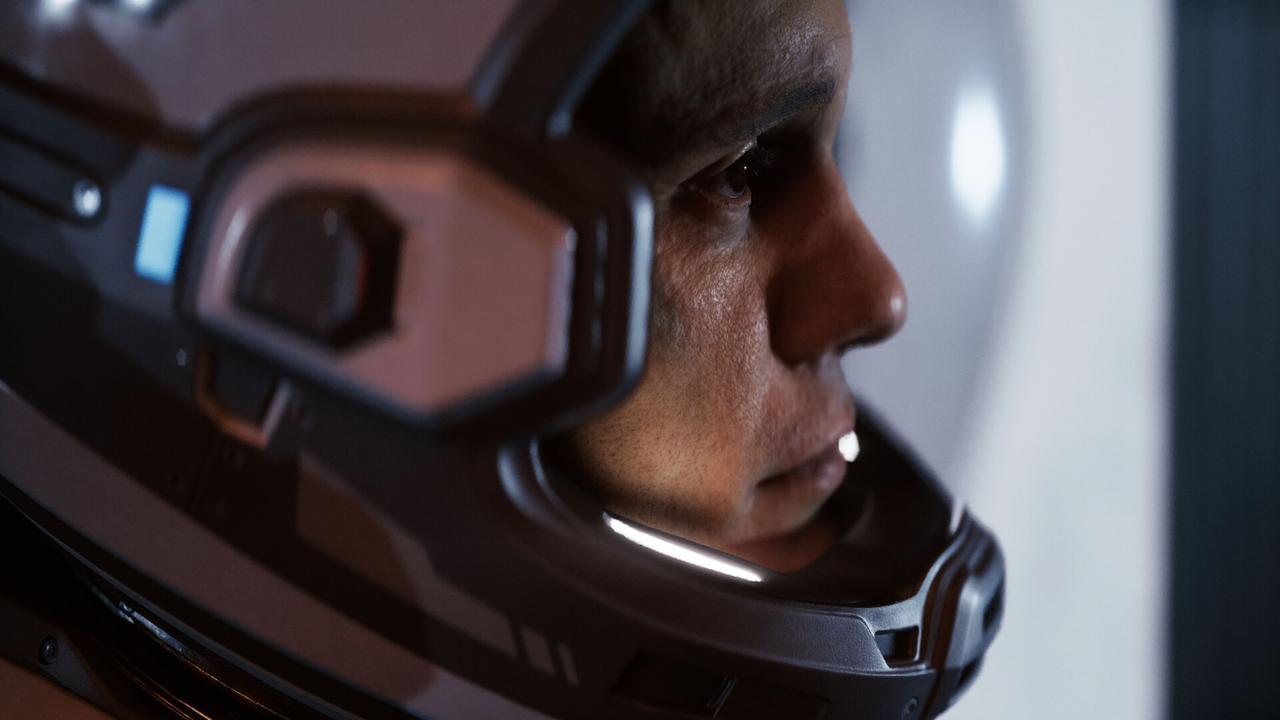
Directive 8020 is the most ambitious thing Supermassive Games has done with horror in years. By stepping back from the series format and committing to a single, fully realised story, they’ve made their best horror game to date. The addition of stealth and the Turning Points rewind feature completely fix the pacing issues that dragged down their older games. The mimics provide a smart, psychological threat that makes the 10-hour campaign highly replayable. The frame drops are a slight annoyance. However, the Unreal Engine 5 and the phenomenal acting from Lashana Lynch carry the experience.
The sheer variety in the branching paths means you’re going to want to jump back in immediately after the credits roll. I already have plans to go back and try to save the crew members I lost during the final chapter. The fact that I want to replay it, rather than just look up the alternate endings on YouTube, is the biggest compliment I can give it.
Moving away from the purely interactive movie format was a massive risk, but it paid off. You’re no longer just a passive observer making dialogue choices; you’re actively fighting to stay alive. The stealth tools require your complete focus, and the mimic encounters test your paranoia. If you’re looking for a deep space horror game that actually gives you control over your survival, Directive 8020 absolutely succeeds. It’s a fantastic start for this new era of the studio, and exactly the kind of bold, terrifying sci-fi horror that the genre needs right now. I can’t wait to see what they do with these new tools in whatever standalone nightmare they decide to build next.
Directive 8020
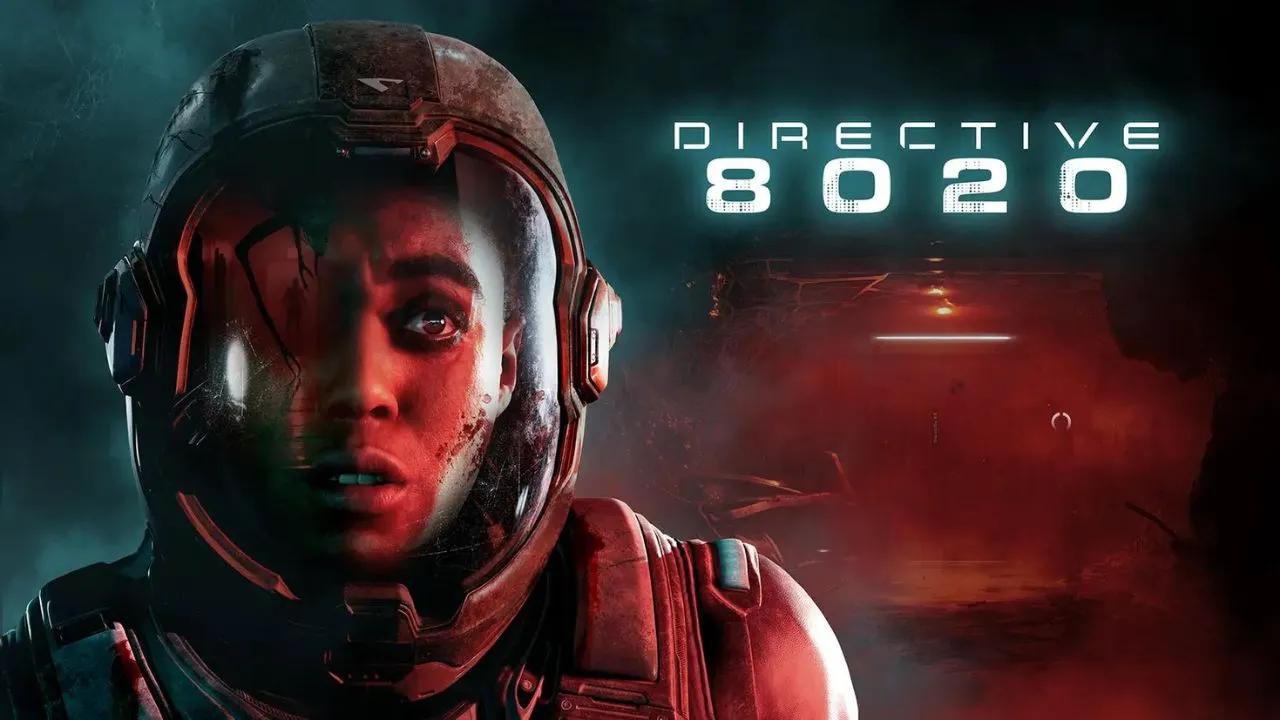
Summary
Directive 8020 successfully translates the paranoia of deep space into an active, stealth-driven nightmare backed by highly detailed Unreal Engine 5 environments. The shift to full character control is deliberate. This choice pays off by making every terrifying encounter, from hiding in lockers to outsmarting alien mimics, genuinely matter. If you’re looking for an intense sci-fi horror journey where your choices dictate who survives, this is an absolute must-play that perfectly captures the stress of being hunted.
As always, remember to follow us on our social media platforms (e.g., Threads, X (Twitter), Bluesky, YouTube, and Facebook) to stay up-to-date with the latest news. This website contains affiliate links. We may receive a commission when you click on these links and make a purchase, at no extra cost to you. We are an independent site, and the opinions expressed here are our own.