



Ebola Village is the kind of game that makes its influences clear the moment you start playing. It’s built around old-school survival horror ideas, where progress comes from moving carefully, managing what little you have, and paying attention to your surroundings instead of charging ahead. If you’ve spent time with classic horror games from the late 90s or early 2000s, a lot of this will feel immediately familiar.
You play as Maria, who heads back to her hometown after a late-night news report hints at a dangerous outbreak spreading through the area. What begins as a simple trip quickly turns into something much darker as the village reveals signs of infection, abandonment, and violence. The setup is straightforward, but it gives the game a clear reason to push you forward and explore what went wrong.




Early on, Ebola Village puts a lot of emphasis on atmosphere. Much of the game has you moving through empty areas and cramped rooms at a slow pace, often stopping to take in your surroundings before moving on. It pushes you to pay attention, check corners, and think carefully about how you’re using what little you have. When it works, the atmosphere does a solid job of pulling you in.
It doesn’t take long, though, to notice the rough edges. Some ideas land better than others, and the experience starts to feel inconsistent the deeper you go. Ebola Village shows flashes of promise, but it also makes it clear early on that it’s working within tight limits, both in design and structure.
A Village Full of Questions
Ebola Village sets itself up with a familiar survival horror premise. After a late-night news report hints at a dangerous outbreak, Maria heads back to her hometown to check on her family. It’s a simple setup, but it works well enough to get you moving and give context to the strange things waiting in the village. The story unfolds slowly, mostly through environmental details, short encounters, and small bits of information uncovered as you explore.
The village itself carries much of the experience. Abandoned homes, scattered belongings, and signs of panic give the setting a sense of history without spelling everything out. Moving through these areas creates constant pressure, especially with how slowly the game lets you move and react. When the game gives you room to explore without forcing combat, it’s at its strongest.
Where the story struggles is with its characters. Maria, in particular, feels more like someone you control than someone you truly get to know. Her reactions are muted, and the game rarely takes the time to build meaningful relationships or emotional weight. There are hints of something more beneath the surface, but they’re never explored far enough to leave a lasting impact.

If you’ve played older survival horror games like Resident Evil, you’ll recognize the approach right away, especially in how the world is revealed piece by piece. At the same time, Ebola Village rarely makes those ideas feel fully its own. The result is a story that holds your attention while you’re playing, but doesn’t linger once you step away.
Working With What the Game Gives You
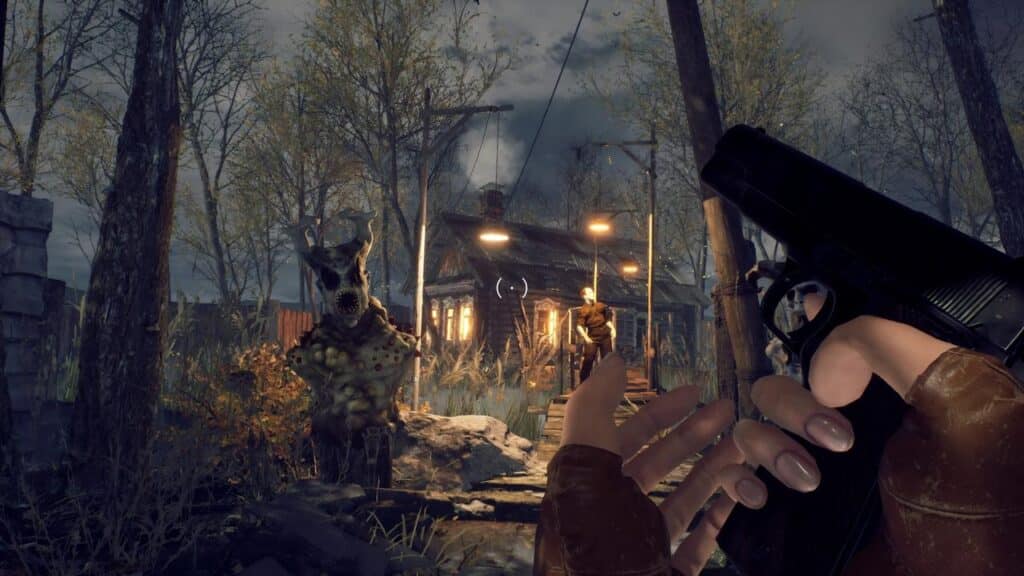
Ebola Village sticks closely to classic survival horror design. Movement is slow, resources are limited, and you’re expected to think carefully about when to fight and when to avoid danger. On paper, it follows a proven formula. In practice, how well it works depends on your tolerance for older design choices.
Combat is functional but rarely satisfying. Weapons have some weight to them, but aiming and movement can feel stiff, especially when enemies start closing in. Encounters often feel stressful more because of limited movement than because of smart enemy behavior. Close-range fights can quickly turn messy, and getting cornered is often more frustrating than tense.
Exploration is where the game works best. You spend a lot of time moving through connected spaces, unlocking doors, and figuring out how areas link together. Supplies are scarce, forcing you to make decisions about what to carry and what to leave behind. That restraint fits the survival horror style, though the limited inventory and frequent backtracking can start to feel more tedious than strategic.
Puzzles are simple and easy to read. They slow things down and break up combat, but few of them leave much of an impression. You’re rarely stuck, but you’re also unlikely to remember most of them once the credits roll.
Overall, the gameplay works, but it never quite comes together in a way that feels consistent. The pieces are there, but they don’t always come together cleanly.
The Rough Edges
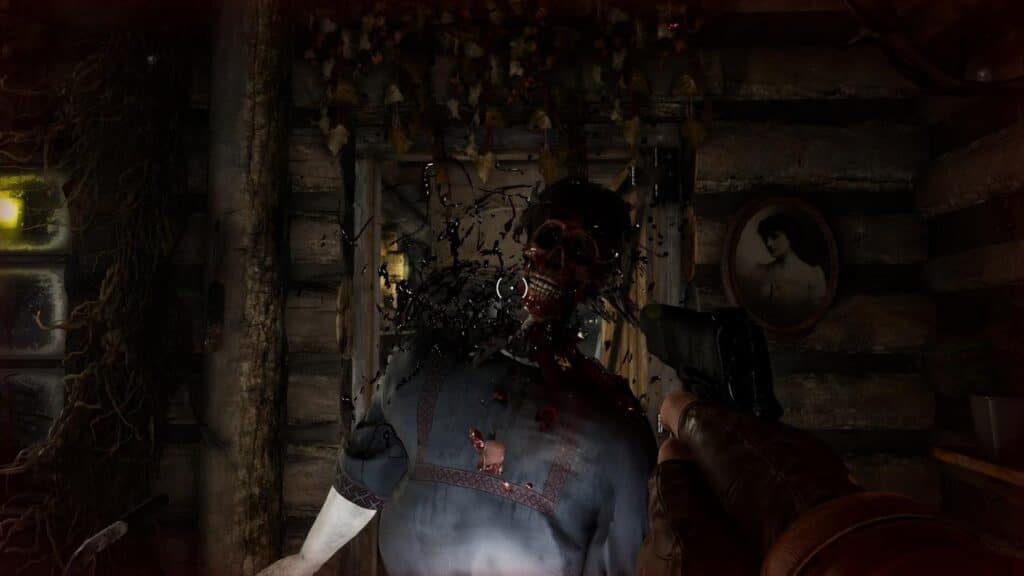
Visually, Ebola Village lands somewhere in the middle for indie horror. Some areas look effective, especially when lighting and shadow work together, while others feel sparse or oddly laid out. The difference can be noticeable as you move from one location to the next.
Character models and animations show their limits most clearly. Movement can feel stiff, and enemy animations don’t always sell the threat they’re meant to pose. It’s not enough to break the experience, but it does interrupt the flow, especially during combat.
Sound design is more consistent. Ambient noise, distant effects, and environmental audio help shape the mood and keep you alert as you explore. Footsteps, creaking floors, and background sounds do a lot of work during quieter moments. Music is used sparingly, which helps those sections breathe and keeps the focus on the environment.
Voice work is more uneven. Dialogue gets the point across, but rarely adds much emotional weight. Subtitles help, though some of the writing feels rough, which undercuts a few story moments.
Overall, Ebola Village looks and sounds like a smaller-scale project doing what it can with limited resources. When everything lines up, the presentation supports the experience well. When it doesn’t, those limits become harder to ignore.
Ebola Village Is an Indie Horror Experience That Has Its Moments
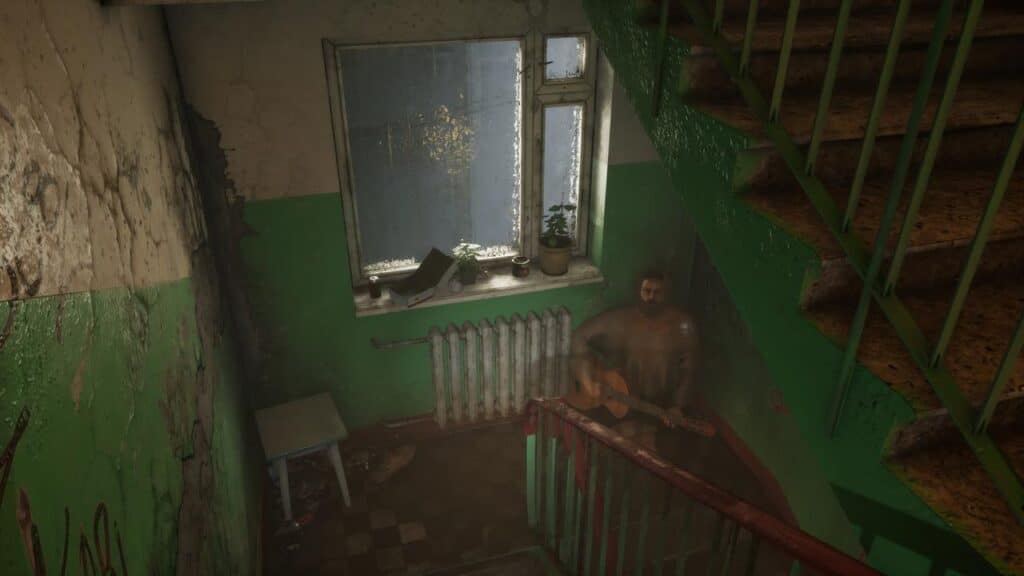
Ebola Village feels caught between what it wants to be and what it’s able to deliver. There’s a clear appreciation for classic survival horror, and at times that comes through in the pacing, exploration, and atmosphere. When those elements align, the game can be genuinely engaging.
At the same time, the limits holding it back are hard to ignore. The story never fully develops beyond its setup, the gameplay doesn’t always come together smoothly, and the presentation shows its constraints. You can see the direction the game is aiming for, even when it doesn’t quite get there.
If you enjoy smaller survival horror games and don’t mind working around rough edges, there’s enough here to make a short playthrough worthwhile. If you’re looking for something more refined or ambitious, this likely won’t hit that mark.
Ebola Village doesn’t redefine the genre, but its intentions are clear, even when the results fall short.
Ebola Village





Summary
Ebola Village works best when you slow down and take in its world. Exploring the village and piecing things together is when the game feels most engaging, even if some parts feel rough or underdeveloped. It’s not a game that does everything well, but there’s enough here to make a short playthrough worthwhile if you’re in the mood for a smaller survival horror experience.
As always, remember to follow us on our social media platforms (e.g., Threads, X (Twitter), Bluesky, YouTube, and Facebook) to stay up-to-date with the latest news. This website contains affiliate links. We may receive a commission when you click on these links and make a purchase, at no extra cost to you. We are an independent site, and the opinions expressed here are our own.