


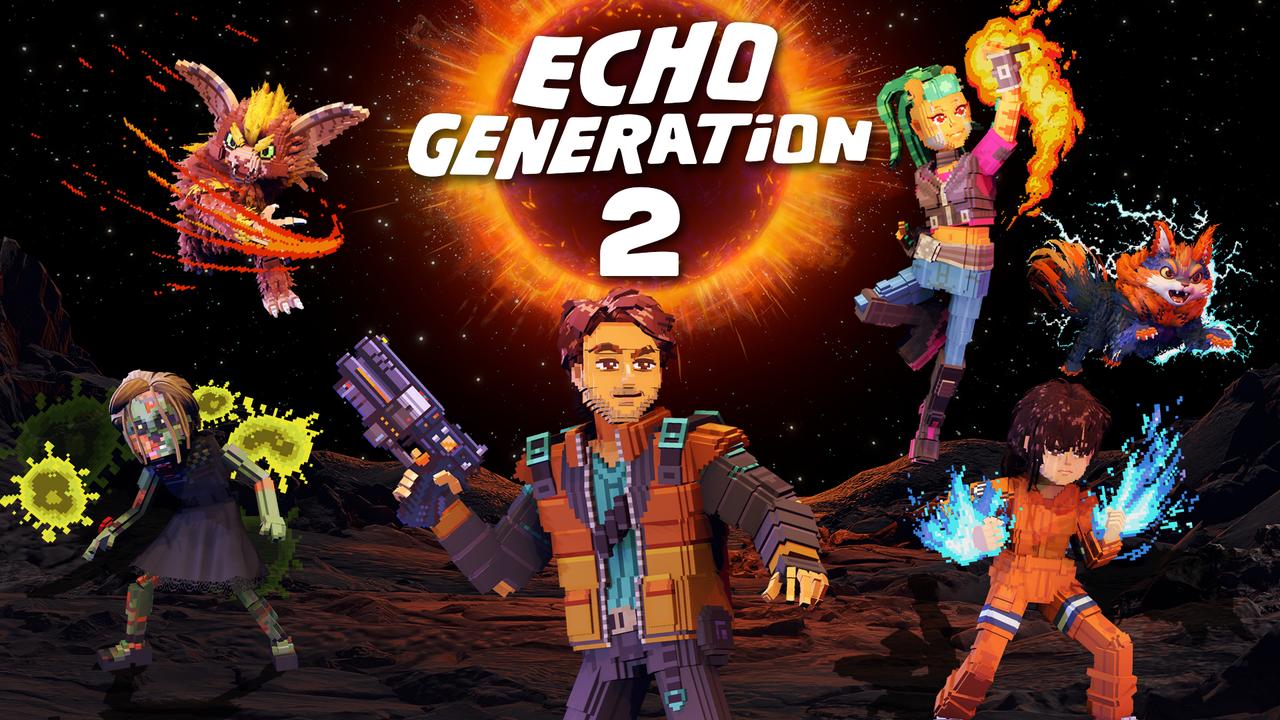
I like when a sequel changes its shape instead of repeating the same trick, and Echo Generation 2 takes that swing right away. Cococucumber keeps the voxel style and strange sci-fi personality of the first Echo Generation, then rebuilds the follow-up around character chapters and turn-based card combat.
That change mostly works. Echo Generation 2 is a more interesting RPG than the first game because each hero arrives with their own deck, status effects, and combat role. It also has a clearer sense of variety through Sister M, Jack, Annata Z, Bulder, Noliva, and Skriff. The catch is that the short chapters and late-game gauntlet don’t always let those ideas breathe. I enjoyed it most when each chapter played like its own compact RPG. I was less sold when the game started forcing everyone together near the end.

Character Chapters Build A Stranger Sci-Fi Mystery
Echo Generation 2 moves away from one straight small-town mystery and splits its story across several playable heroes. Instead of following one group for the whole campaign, you move between character chapters that each focus on a different part of the larger sci-fi problem.
Sister M opens the game with an escape from FST HQ. Her chapter introduces cards, skills, and badge progression without burying you in menus right away. Jack’s story keeps the series closer to Earth and connects back to family, Maple Town, and the events around the first Echo Generation. Annata Z brings a darker tone through her search for her missing child. Bulder, Noliva, and Skriff push the story further into Cococucumber’s stranger sci-fi spaces.
That split structure is smart because it keeps the campaign moving between different tones, locations, and combat roles. You aren’t just changing scenery. You’re changing what kind of character you’re controlling and what their deck is trying to do. The downside is that some chapters end before their best character moments have enough room to grow.
Echo Generation 2 plays more like separate character arcs feeding into one larger threat. That format is both its biggest strength and one of its limits. The story is strongest when it lets each hero carry their own strange corner of the universe. It’s less effective when the larger threat pulls everyone together and starts racing through explanations.
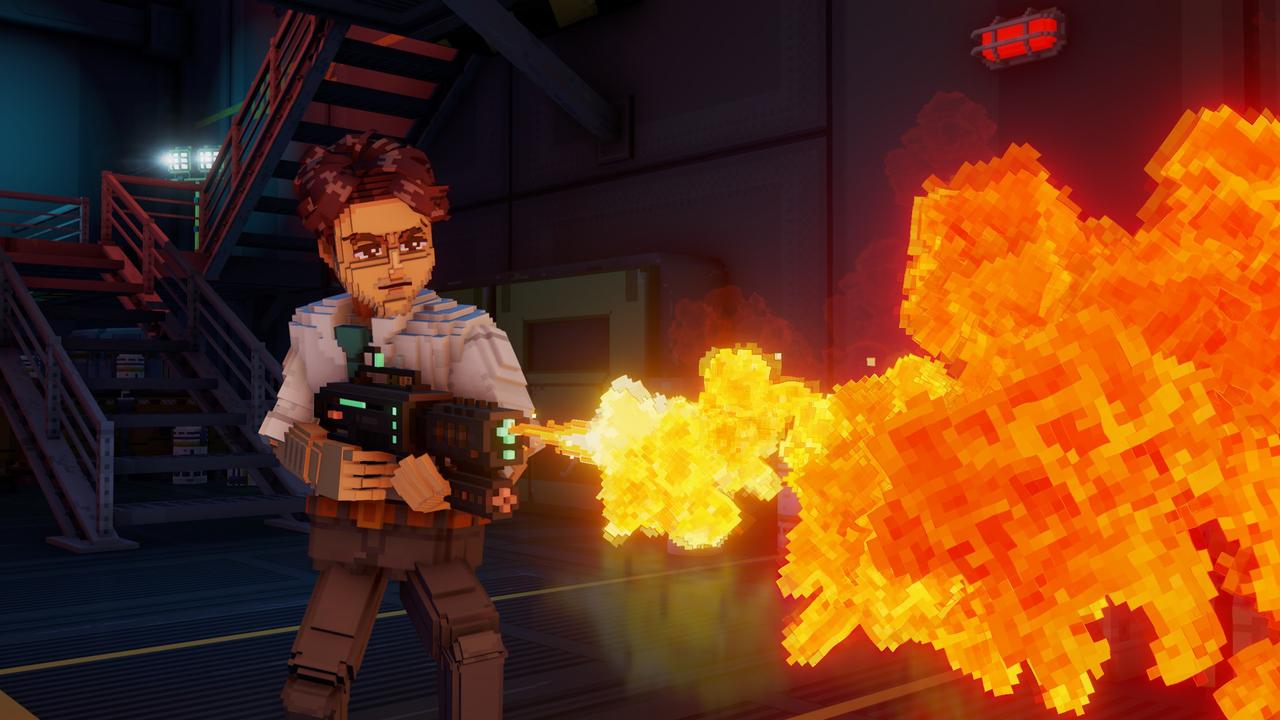
Card Combat Makes Each Hero Play Differently
Combat is the biggest improvement over the first Echo Generation. Cococucumber replaces the earlier turn-based RPG approach with a card-driven battle structure, and that change gives every hero a more specific role.

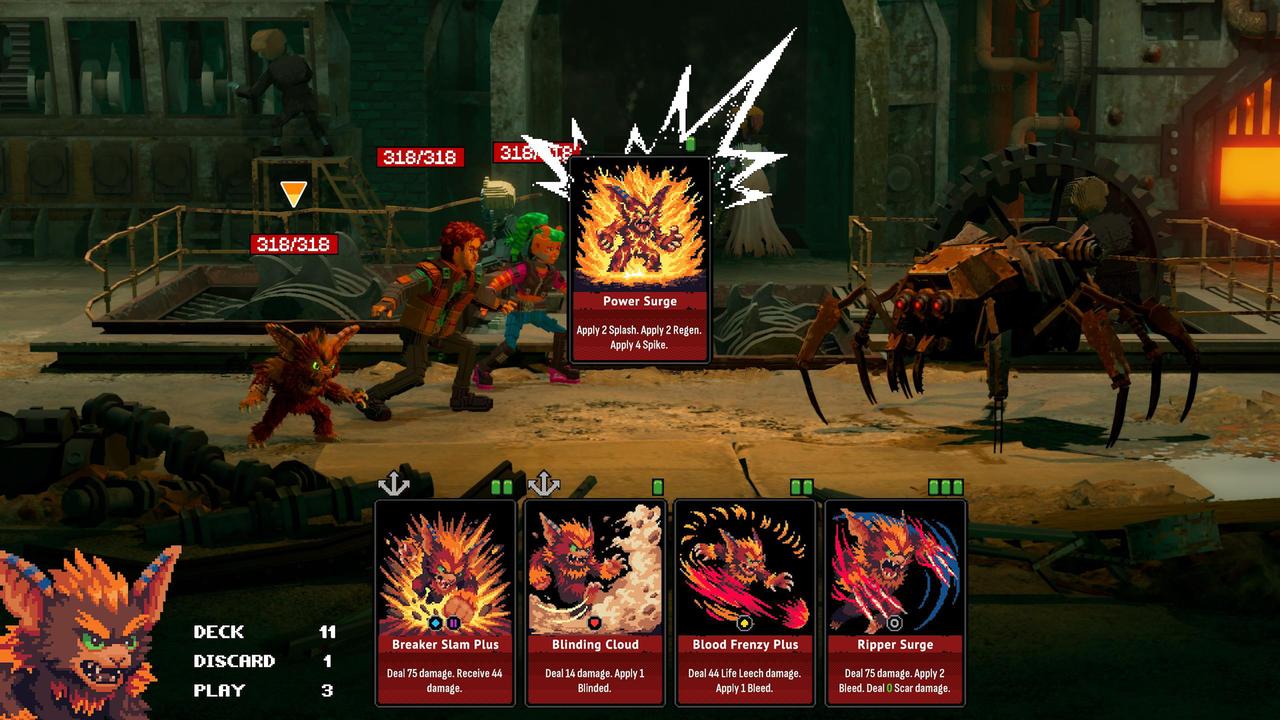
The smartest part is how each deck pushes a different kind of decision. Mark opens enemies up for extra effects. Burn, poison, virus, and shock shift fights toward status damage and recovery timing. Recoil and health-based cards create riskier turns where the strongest move isn’t always the safest one. Since every hero brings different tools, you have to read the deck in front of you instead of falling into one safe pattern for the whole campaign.
Enemy shields are the main wrinkle. Many enemies have shields marked with symbols, and matching those symbols with the right card breaks their defence. Once that happens, your attack hits harder and the fight opens up. That clear cause-and-effect rule makes deck choice matter without turning Echo Generation 2 into a heavy card game.
Card use is limited by energy, so you can’t repeat the same attack forever. Each character also works within a 10-card deck. Early on, you can only play one card per turn. As characters level up, you unlock more room to act, with later turns allowing more cards. That progression gives combat a clear sense of growth. It also means early battles start narrow until the decks open up.
Badges And Progression Expose The Late-Game Spike
Badges are the other major piece of Echo Generation 2’s progression. You can equip up to three, and they act as passive combat boosts or one-time advantages. Some can shield a hero. Others can strengthen a status effect. Since each chapter focuses on specific characters, badge choices often connect to that part of the campaign rather than one shared build that carries across everything.
That fits the chapter structure well. Sister M, Jack, Annata Z, Bulder, Noliva, and Skriff all need different support because their decks don’t solve fights the same way. If a character depends on burn, poison, shock, or Mark, the right badge can push that approach further. If a character struggles to stay alive, a defensive badge changes the decision you make before the fight even starts.
The limited 10-card deck also keeps choices meaningful. You’re not dragging a bloated pile of cards into battle and hoping the right one appears. You have to decide what belongs in the deck and what gets left out. A failed fight usually sends you back to the deck menu rather than pushing you toward grinding, which is where the card structure is at its most useful.
The issue is that Echo Generation 2 doesn’t always give you enough time with each character before moving on. A chapter can end just as a deck starts to become interesting. The finale tries to solve that by bringing everyone together, but it also creates the game’s hardest stretch. Once the late-game gauntlet starts moving through one-character, two-character, and three-character battles, deck preparation becomes more punishing. With no difficulty options to soften that spike, the last act hits harder than the rest of the campaign.

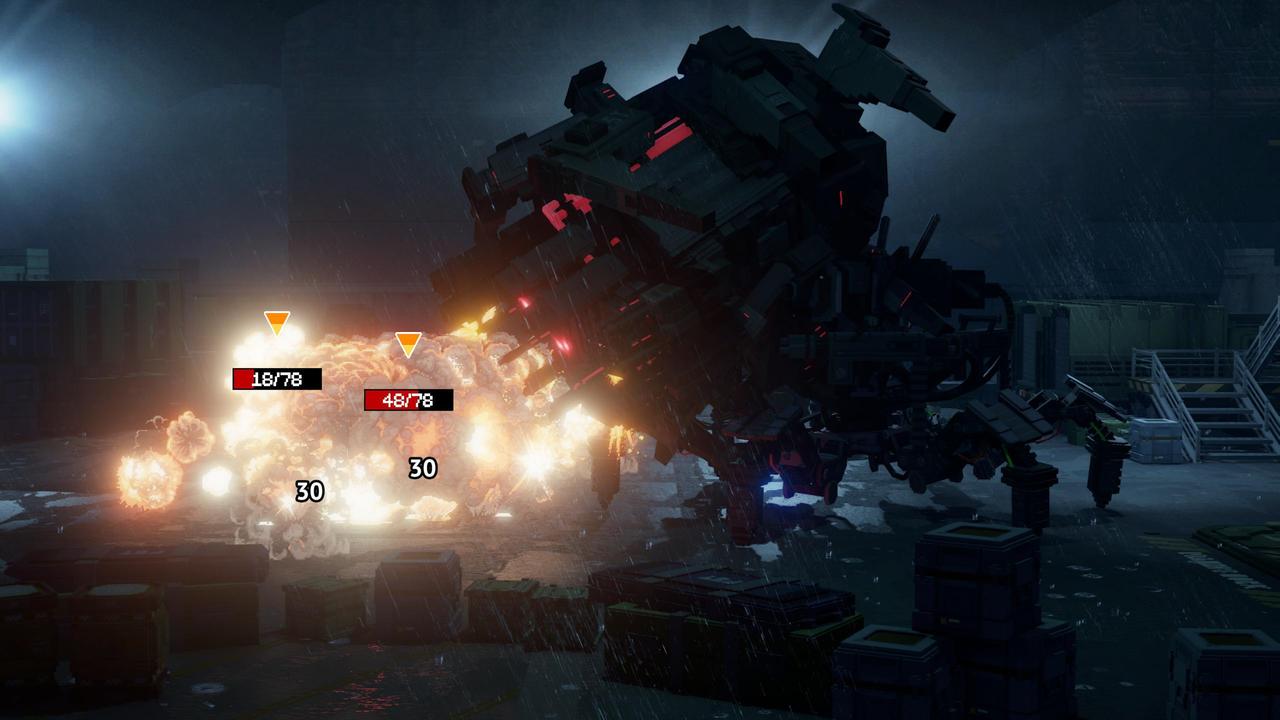
Exploration And Style Keep The World Strange
Echo Generation 2 is more of a compact RPG than a sprawling adventure. Exploration mostly means checking side paths, picking up money, finding cards, looking for badge rewards, and talking to characters before the next fight. That smaller scope works for the chapter format because each hero gets their own short arc, and the areas usually move before a location starts dragging.
Still, the game can feel thinner between fights. There’s no major map-driven journey here, and the side tasks are usually simple. You poke around, grab rewards, and move forward. That makes the pacing easy to follow, but it also limits how much each chapter can surprise you outside combat.
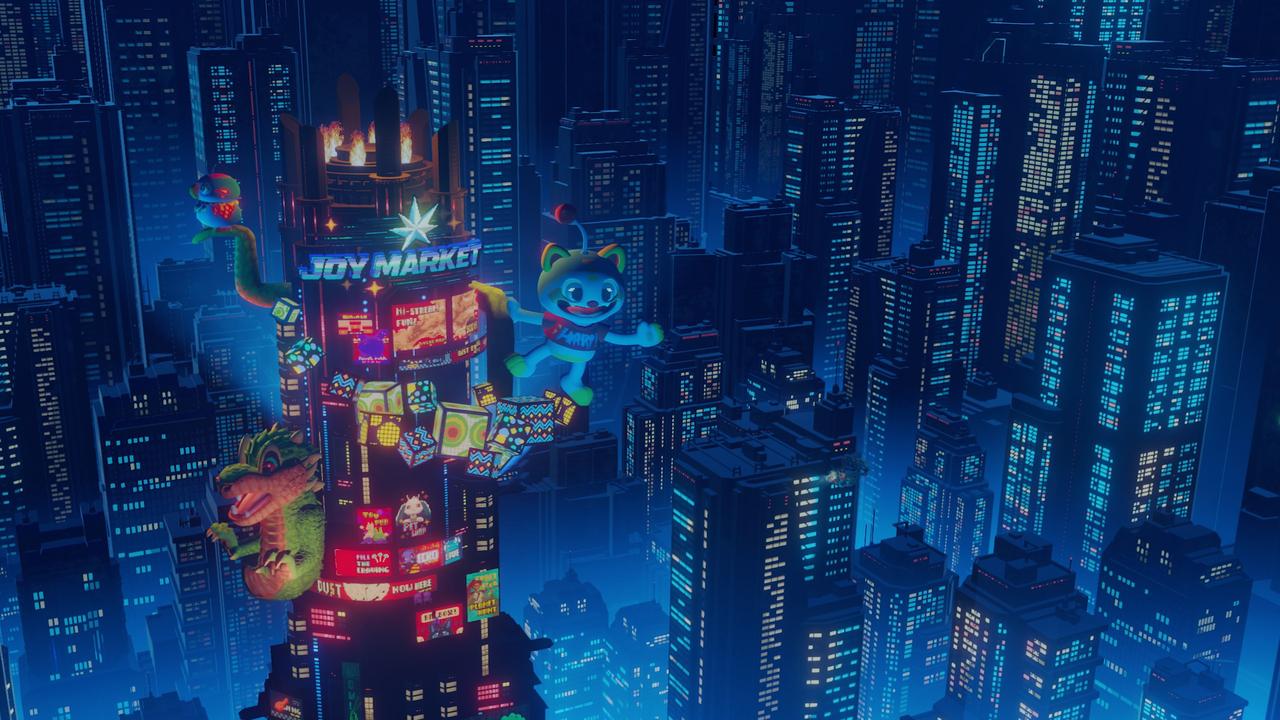
Cococucumber’s voxel art style is still the first thing that grabs your eye. Echo Generation 2 has that chunky toy-box look the studio does so well, but it pushes into a broader sci-fi space than the first game. The character models are expressive, the locations have a handmade quality, and the stranger areas let the art direction get weirder without losing the series identity.
Pusher’s 80s-inspired synth score fits the game’s personality well. Since Echo Generation 2 relies on written dialogue and combat grunts rather than full voice acting, the music carries more of the mood than it might in a fully voiced RPG. The turn-based battles, exploration, and chapter transitions all run cleanly, without major technical issues getting in the way. Outside combat, movement and interaction feel a bit rigid compared with how neatly the card battles work.
Echo Generation 2 Builds Clever Battles Before A Tough Finale
Echo Generation 2 is a better sequel when it trusts its characters. Sister M, Jack, Annata Z, Bulder, Noliva, and Skriff all bring something different to combat, and the card decks make that difference easy to understand. Matching enemy shield symbols, setting up status effects, and adjusting badges between fights gives the turn-based battles enough bite without turning the whole thing into a complicated card game.
The chapter structure is the right call for this universe. It lets Cococucumber jump between sci-fi tones, character problems, and strange locations without forcing every idea through one long campaign path. I just wish a few chapters had more room before handing control to the next hero. Some character arcs get cut short right when their deck and story start getting interesting.
The late-game gauntlet is the biggest problem. Pulling the cast together sounds strong in theory, and the one-character to full-party structure has a clear purpose. In practice, it can punish earlier deck choices in a way the rest of the game doesn’t prepare you for. With no difficulty options, that spike makes the final stretch more frustrating than it needs to be.
Echo Generation 2 is the better fit if you want a compact turn-based RPG with strange characters, clear card decisions, and a few late-game frustrations baked in. If you want deep exploration or a more forgiving finale, this may not be your kind of RPG. If you’re here for unusual heroes, clear deck decisions, and Cococucumber’s voxel style, there’s a lot to enjoy here.
Echo Generation 2
Summary
Echo Generation 2 is a compact turn-based RPG with strange character chapters, clear card decisions, and Cococucumber’s familiar voxel style. Its separate hero stories and deck-focused combat make it a more interesting sequel, but short chapters, light exploration, and a tougher late-game gauntlet make it better suited to RPG fans who don’t mind a demanding final stretch.
As always, remember to follow us on our social media platforms (e.g., Threads, X (Twitter), Bluesky, YouTube, and Facebook) to stay up-to-date with the latest news. This website contains affiliate links. We may receive a commission when you click on these links and make a purchase, at no extra cost to you. We are an independent site, and the opinions expressed here are our own.