



I had a good time with Echoes of Aincrad whenever a boss fight started, but getting from one to the next often dragged. Bosses stopped me from rushing through combat. I had to react to what they were doing, and when I got the timing right, my partner followed with a counter. I wasn’t nearly as interested when I was back in the story or moving through another field area. Too often, my character was just along for the ride while Kirito and the characters fans already know drove the story.
Seeing Aincrad through Iori and a new group added something different, but the story took too long to move. Fighting the same enemies, finding another blocked path, and heading back to town became far too common. Being a Sword Art Online fan got me through some of those stretches. Without that connection, I would have had a much harder time with the slow story and repeated quest work.




A New View Of Aincrad Leaves You On The Sidelines
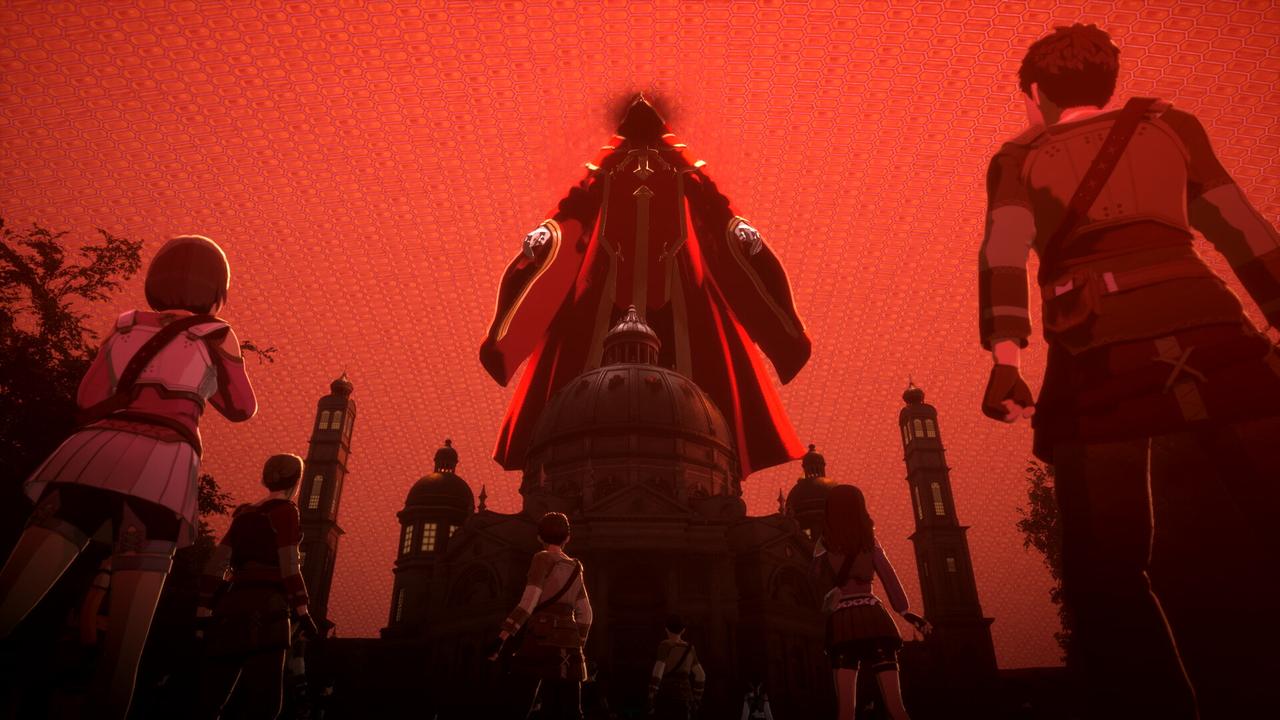
Echoes of Aincrad opens during the closed beta for the fictional Sword Art Online VRMMORPG. The beta chapter follows an early tester learning the game before it opens to the public. It ends with the character creator, where you build the person you’ll use after Sword Art Online launches.
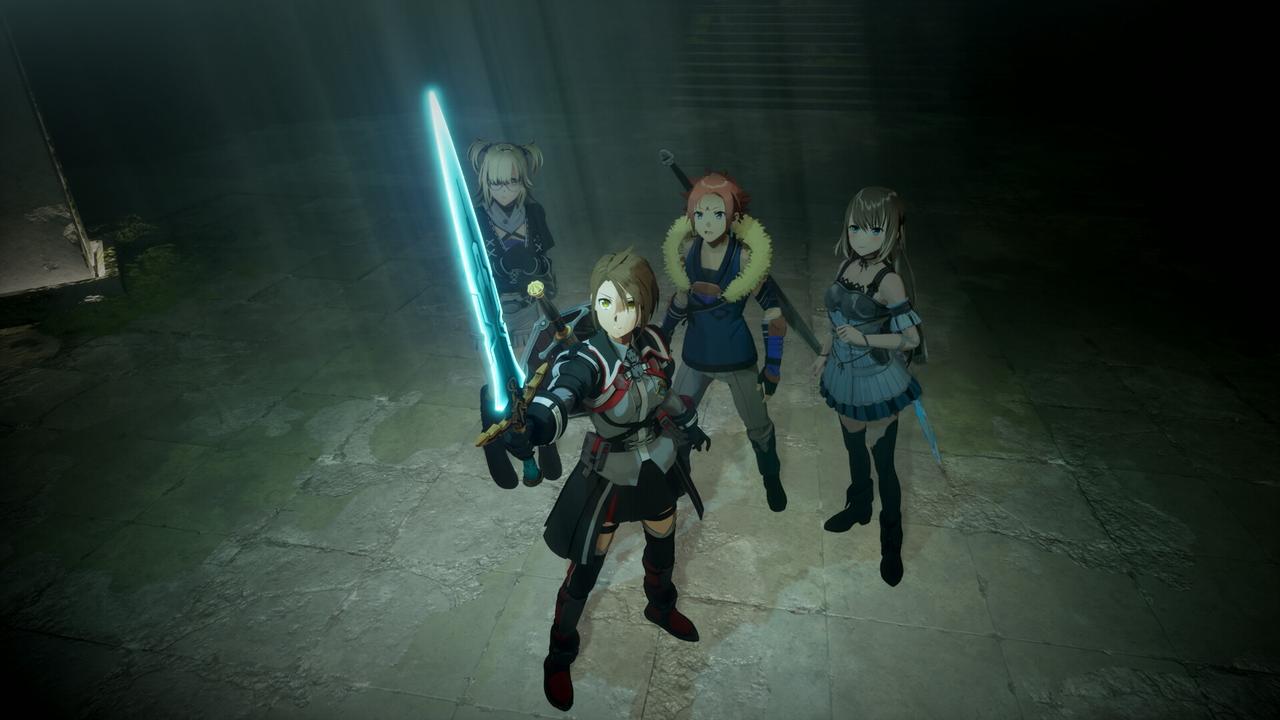
Everyone who logs in then discovers they’re trapped inside Aincrad, the floating castle that serves as Sword Art Online’s game world. Logging out is no longer possible, and dying inside the game means dying in real life. It’s still a great starting point, even after the series has returned to it so many times. Creating my own character should have turned this trip through Aincrad into a more personal story. Iori receives most of the attention, with Argo and Zash joining the group. Kirito and other characters fans already know also appear, tying the new story to events from the anime.
Seeing the early days of Aincrad through someone outside Kirito’s group was interesting. My character rarely changed where the story went. Important events continued around me, and I was usually another party member rather than the person at the centre of the story. The opening takes too long to get going. The beta chapter introduces the group and its goals, then some of that early ground returns after launch. Trips back to the Town of Beginnings start piling up before the story has done enough to keep them interesting.
Travelling with Iori worked better because field conversations let me hear Iori’s take on what was happening. The English dub also made the new group easier to connect with. Argo, Zash, and the others never received enough time for me to care about them in the same way.
The Combat Is Where I Had The Most Fun
Resting brings nearby enemies back, and that was the first place I noticed the Souls influence. I noticed it more in how each weapon handled defence. Some let me stay put and parry. Others pushed me to stay mobile and dodge. Most regular enemies fell too quickly for that choice to mean much. Bosses forced me to choose more carefully.
The more I used a weapon, the more Sword Skills I unlocked. Each one used SP, so I couldn’t rely on them constantly. I got more from learning when to use them alongside my preferred defensive style than chasing a slightly higher number.
Parries And Dodges Set Up Partner Counters
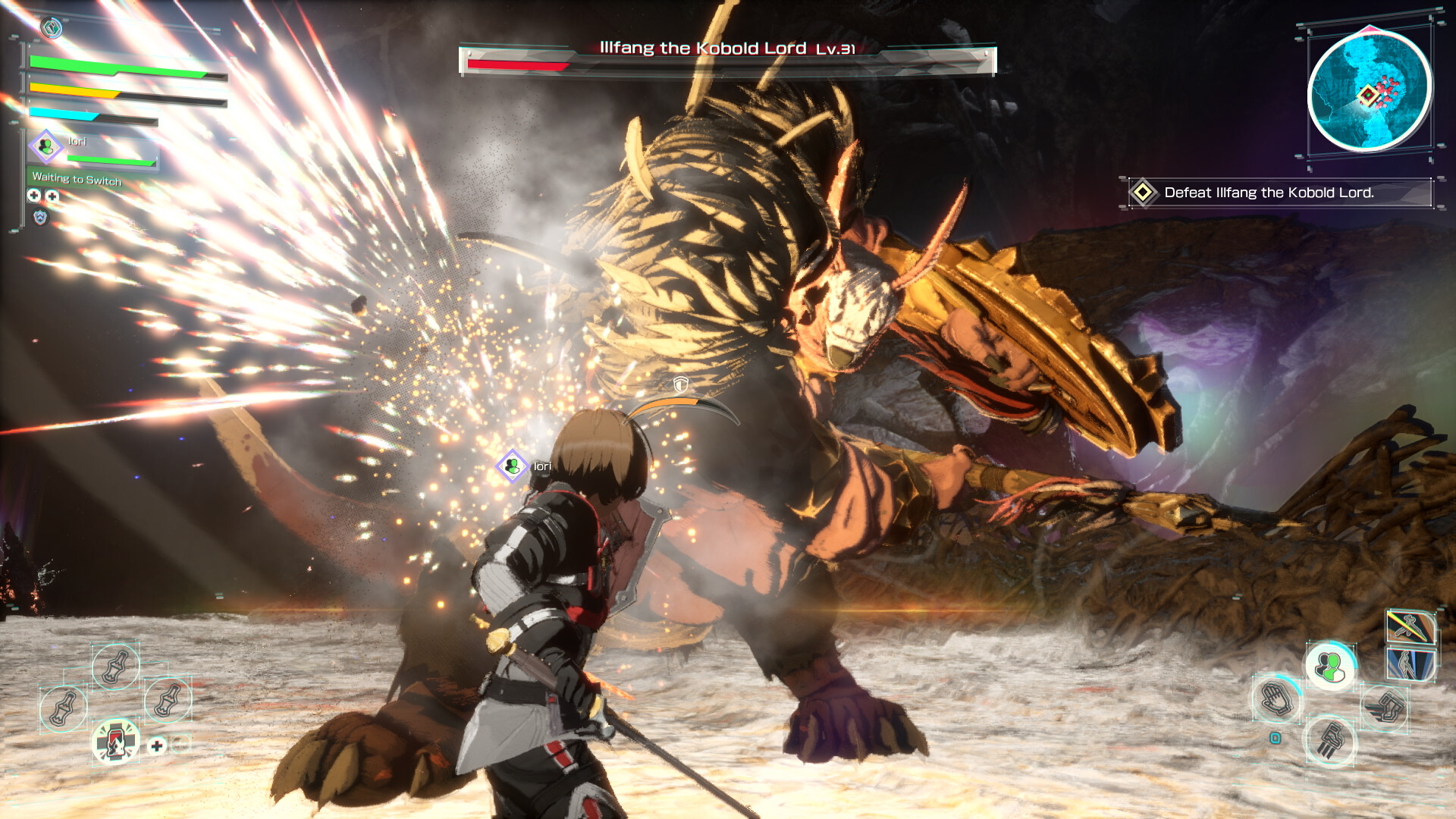
A successful parry or perfect dodge can open a counterattack from your selected companion. Regular enemies rarely made me think about partner counters. Boss fights were where they became useful.
Switch Mode was useful when I wanted my partner to pull an enemy away from me. Free Mode kept both of us attacking together. Having both options was nice, even if ordinary fights rarely lasted long enough for either one to change much. Your partner can also pull nearby enemies into combat when you’re trying to reach an objective. That became annoying because most of those fights ended quickly but still slowed down the trip.
Boss Fights Test Your Timing
Boss fights made me watch the enemy instead of repeating the same attack pattern. Their attacks changed as the battle continued, and breaking armour could open the next phase before a new pattern took over. Boss fights finally made every defensive choice count. Parries and dodges carried more risk, partner counters became useful, and where I stood affected whether an attack connected.
Regular enemies never reached that level. The same creature types appeared often, and elemental changes did little to change the fight. They fell quickly but chased me long enough to slow down travel.
Blocked Paths And Town Trips Interrupt Exploration
The active quest kept shutting down my curiosity. New parts of each floor opened as I finished objectives and moved the story forward, but paths that looked open could still be blocked. When the map didn’t make the way forward clear, I usually ended up turning back toward the quest marker instead of checking what was nearby.
Safety Areas and Warp Terminals filled in the map, which was useful when I was unsure where to go. Safety Areas also refilled the Healing Crystals used to recover health. Marking nearby treasure saved time, but it also removed some of the fun from finding it myself. New equipment often lost its excitement before I could use it. A chest might contain a blueprint, yet the finished weapon usually changed numbers rather than the way combat played. Moving an EX-MOD from a weapon I didn’t need onto one I actually used at the Smithy added some control, but most gathering still didn’t lead to anything exciting.

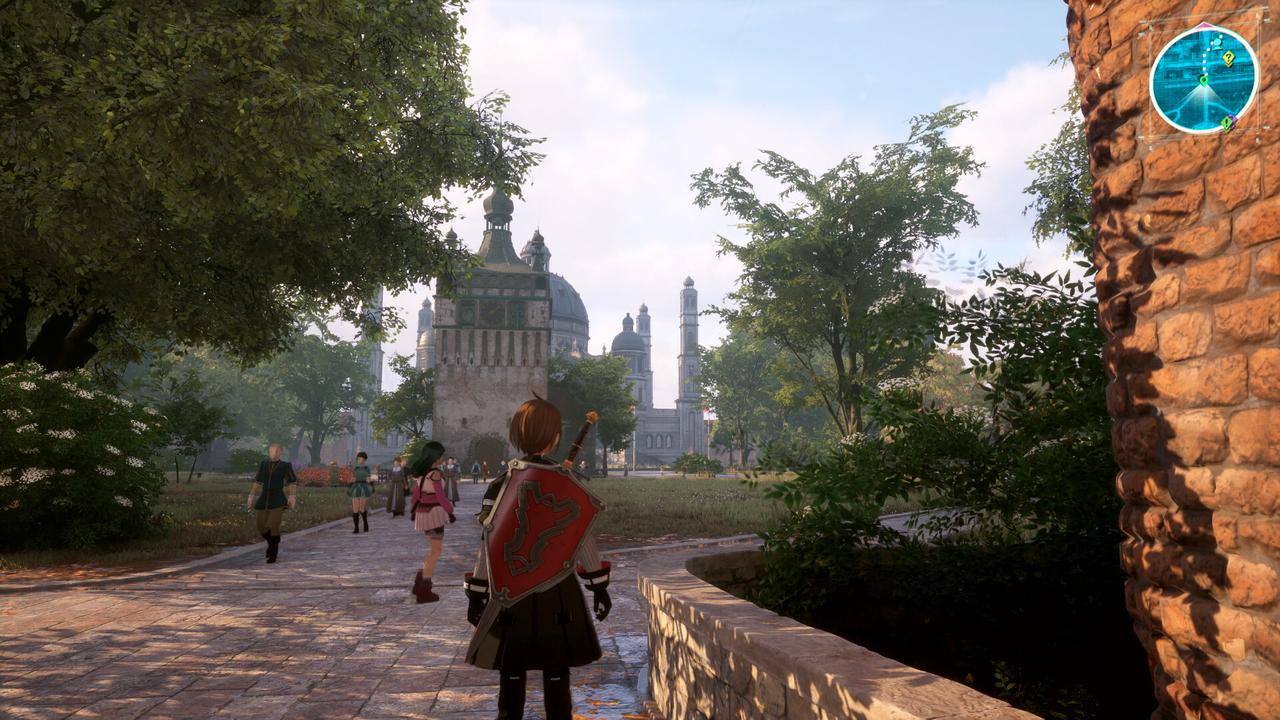
Weapons, armour, and attribute changes required a return to town or the inn room. By the time I got back, the new weapon I had found no longer felt like a discovery I was eager to test. Aincrad is supposed to be full of people trying to survive, but the towns rarely sold that idea. Once I had visited the Smithy or turned in a quest, there wasn’t much else to do.
Side Quests And Dungeons Repeat Too Much
Too many side quests sent me back through an area to defeat enemies I had already fought. Higher-level missions made me prepare more carefully and think about which companion I brought, but much of the optional content sent me through the same actions again.
Dungeons reused paths and chest placements, so later areas became predictable. The enemies or objective might change, but the layout underneath stayed too similar. All that routine quest work left my role in Aincrad feeling even smaller. After letting me build my own character, the game sent me through repeated tasks without letting me shape the larger events happening around the group.
Voice Work And Boss Music Lift The Major Scenes
The English dub helped me stay connected to the new group during scenes that otherwise moved too slowly. Iori came across as the most developed member, and I enjoyed hearing the smaller field conversations during long trips between objectives. Those exchanges didn’t fix the pacing, but they gave the journey a little more personality. When the story returned to information I already knew, hearing the cast react in their own voices made those scenes easier for me to stay invested in.
The soundtrack came alive during boss fights. The music arrived when I needed to study what the boss was doing, decide when to parry, and watch where I was standing. That extra energy matched the part of the game I enjoyed most. Outside those battles, the music faded into the background during long stretches of travel. Repeated quests already slowed things down, and the lack of memorable music made those trips feel even longer.
Entering a new outdoor area sometimes brought back the scale that makes the original Sword Art Online setting so appealing to me. Seeing Aincrad open up ahead was exciting at first. That feeling faded as similar-looking fields and repeated enemy types kept returning. I also wanted the towns to feel busier and more lived in. Everyone there is supposed to be trapped and trying to survive, but the streets rarely carried that sense of urgency. I played on PS5 and tried both Performance and Quality modes. I didn’t notice performance trouble in either mode. The slow pacing, repeated areas, and limited visual variety bothered me far more than anything technical.
Echoes Of Aincrad Is Mainly For Sword Art Online Fans
Boss fights were the closest Echoes of Aincrad came to the Sword Art Online game I wanted. Because they lasted longer and changed their attacks, I had to think about my timing and when to rely on my partner instead of rushing through another easy fight. Choosing a weapon around parrying or dodging also changed how I approached those battles. Those encounters were fun, and they made me wish regular enemies lasted long enough to make me slow down and read what they were doing.
Too much of the game between those fights wore me down. The story took a long time to move, and the character I created never became important enough to make this version of Aincrad feel like my own. Quest markers controlled too much of the exploration, regular enemies repeated constantly, and dungeons reused familiar paths. Returning to town before trying new equipment also drained some of the excitement from finding it.
As a Sword Art Online fan, I appreciated seeing Aincrad from another side and spending time with Iori. Kirito and the characters I already knew made the slower stretches easier to accept, but I still wanted the new group and my character to have more control over the story. That was the part I kept waiting for, and it never arrived in the way I hoped. Action RPG fans without that connection should expect a slow adventure with a lot of repeated work between its better boss fights. The combat was fun, but the repetition around it became impossible to ignore. Echoes of Aincrad is mainly for fans who are happy to return to the death game and can accept how often repeated quests stand between one good boss fight and the next.




Echoes Of Aincrad
Summary
Boss fights finally made me slow down in Echoes of Aincrad. Instead of cutting through another easy enemy, I had to react to what was happening and create an opening for my partner to counter. The story moved too slowly between those fights, and blocked paths kept exploration tied to the current quest. Repeated enemies made the trip to the next boss drag. This is mainly for dedicated Sword Art Online fans who want another trip through Aincrad and can accept how often repetition gets in the way.
As always, remember to follow us on our social media platforms (e.g., Threads, X (Twitter), Bluesky, YouTube, and Facebook) to stay up-to-date with the latest news. This website contains affiliate links. We may receive a commission when you click on these links and make a purchase, at no extra cost to you. We are an independent site, and the opinions expressed here are our own.