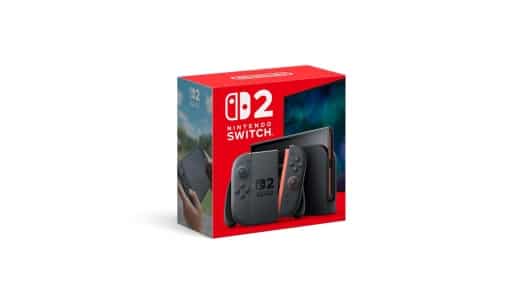


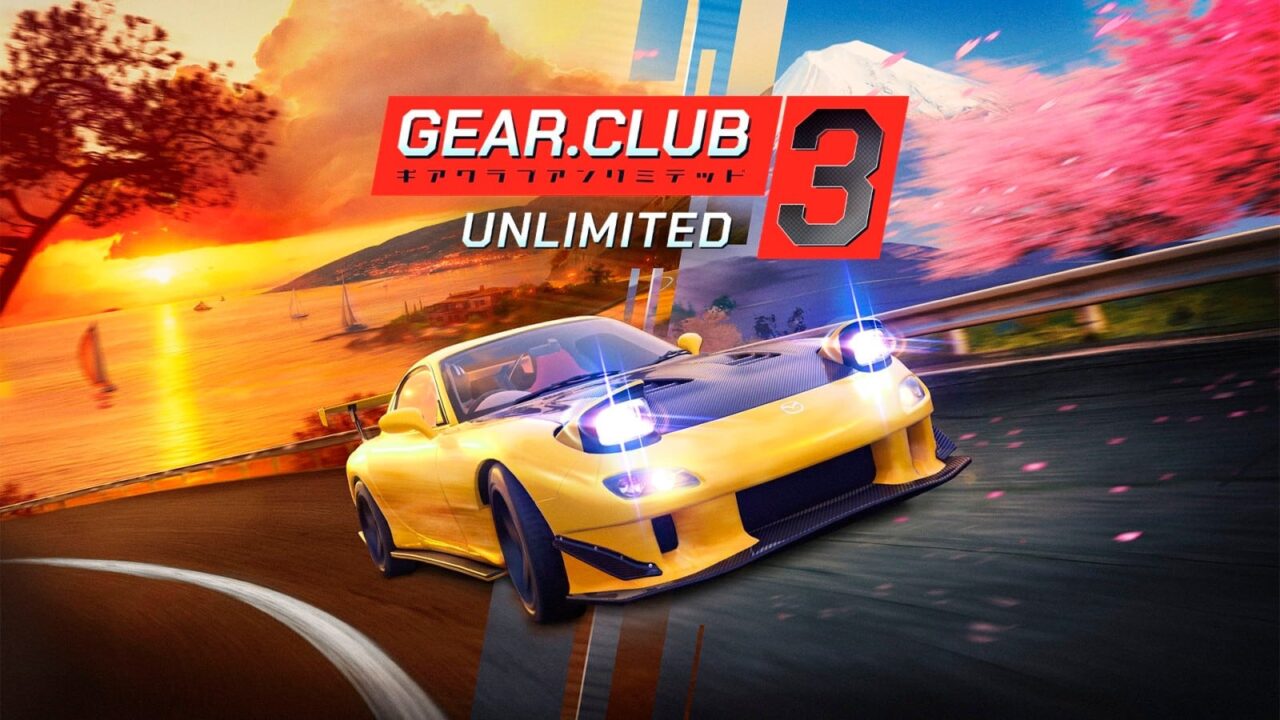
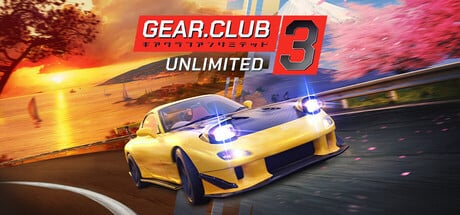
The Gear.Club franchise has always occupied a unique space in the racing world, bridging the gap between accessibility and depth. With the release of Gear.Club Unlimited 3, developer Eden Games and publisher Nacon have officially brought the series into a new generation, launching as a timed exclusive for the Nintendo Switch 2. While previous entries felt held back by hardware limitations, this third installment aims to capitalize on the Switch 2’s increased horsepower to deliver a more refined, visually impressive racing experience. Setting its sights on both the familiar Mediterranean vistas and the streets of Japan, Gear.Club Unlimited 3 seeks to be the definitive arcade racer for Nintendo’s new platform.
Rising Winds and Mediterranean Tides
The narrative elements of Gear.Club Unlimited 3 beats across two vastly different continents, marking the series’ first significant expansion beyond its European roots. You begin by establishing a brand-new racing hub in Japan. The story setup is relatively light but serves its purpose: you are a rising talent tasked with recruiting drivers, hiring mechanics, and expanding your influence through the street-racing scene. While it just serves its purpose, there is a genuine sense of progression.
The tone shifts as you unlock the ability to return to France, creating a contrast between the electric energy of Japan and the elegance of the Mediterranean coast. While the dialogue remains somewhat basic and the characters are mostly static, the progression feels more intentional than in previous games. My impression is that the Japanese setting provides a much-needed dose of adrenaline to the franchise. It is a linear journey, yet the branching side-events allow for enough agency to keep the grind from feeling repetitive.
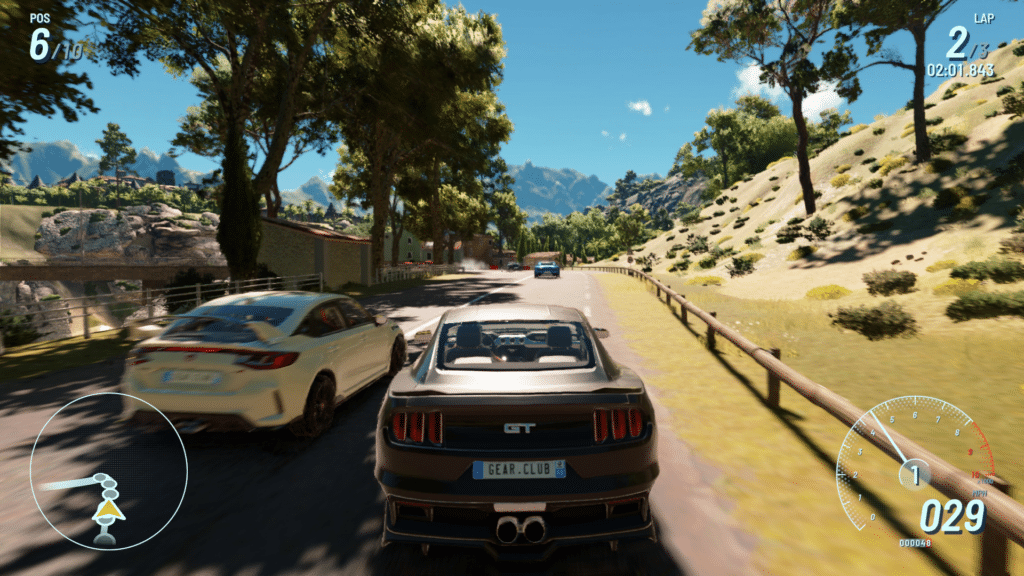
High-speed geometry
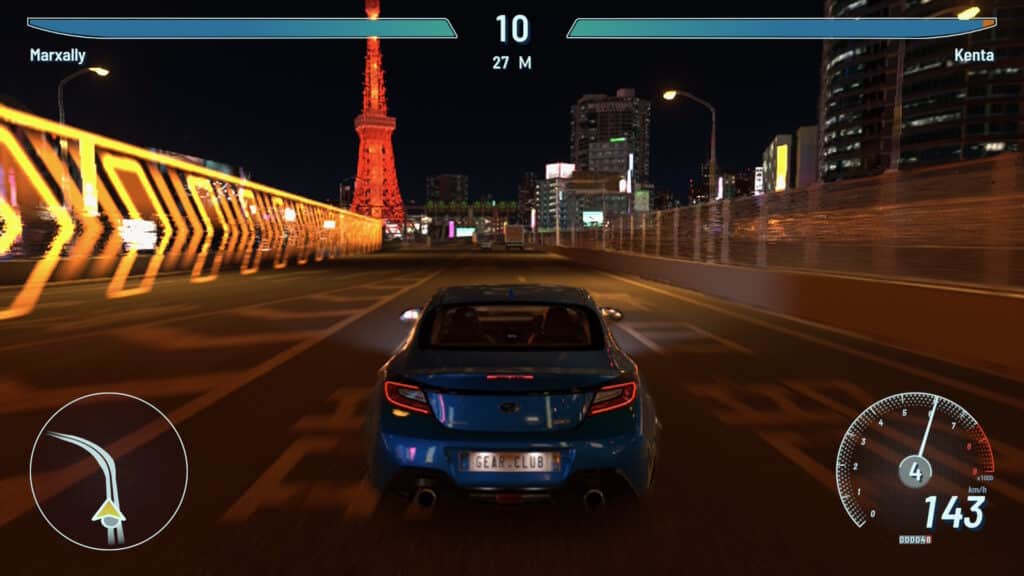
The core gameplay loop remains centered on accessible arcade racing, but the introduction of ‘Highway Mode’ is a solid addition. Unlike the standard circuit races, these events drop you into dense traffic where your primary goal is to maneuver between vehicles at high speeds. It feels like a modern take on classic arcade titles, rewarding you with score multipliers for threading the needle between a truck and a barrier.
Adding further variety to the highway experience is the new ‘Duel’ mode, which wears its Tokyo influences on its sleeve. In these 1v1 encounters, the goal is to outpace your rival and deplete their ‘health’ meter. It introduces a fighting dynamic where being the lead car causes the opponent’s bar to drain over time. However, hitting civilian traffic results in damage. While these matches are often brief, they provide some of the most focused and adrenaline-fueled moments in the campaign.
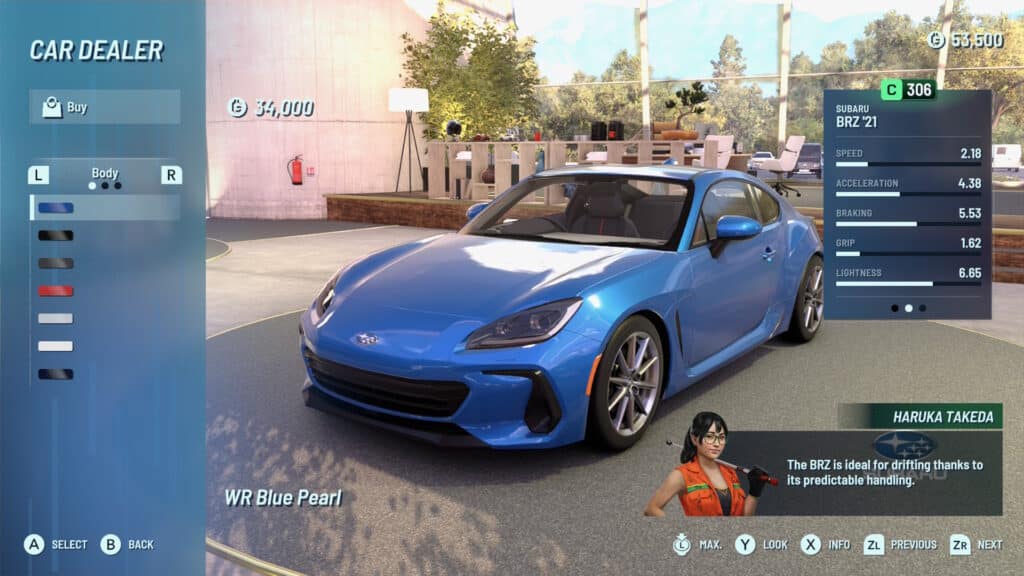
Outside the highways, the garage system remains the soul of the experience. The management of your cars is instinctive: you place your cars on lifts to upgrade turbos or move them into the paint booth for aesthetic tweaks. Driving occupies a comfortable middle ground. It is heavier and more grounded than a pure arcade game like Asphalt, yet far more forgiving than Gran Turismo. However, there is a noticeable rubber-banding effect regarding the rivals. While the mechanical tuning genuinely impacts how the car bites into corners, the lack of deep simulation physics might leave hardcore racing fans wanting more.
Quality compromises
Presentation is a massive leap forward, though some mobile elements remain. Vehicles feature fully modeled cockpits that look great under improved lighting. Technical performance was a bit hit-or-miss at launch, but a massive update has significantly refined the experience. The game originally offered two modes: ‘Quality’ (30fps with high-end effects) and ‘Performance’ (60fps). While Quality mode suffered from frame-pacing issues and Performance looked “buttery” when docked, the latest patch has introduced independent settings for docked and handheld play.

The standout addition is the dedicated Balanced profile for handheld mode, which targets a rock-solid 40fps. It provides a perfect middle ground, making the game look crisp on the Switch 2’s screen while maintaining smoother motion than the 30fps Quality mode. There is also a new Battery Life profile for portable play that prioritizes efficiency at 30fps. On the Switch 2 screen, the updated Performance mode also features enhanced visuals and fixed blurring around the cars, making the handheld experience feel like the definitive way to play. Load times are improved compared to the original Switch titles, though loading still tends to linger before a race begins.
Accessibility for the modern driver
In terms of making the game approachable, it offers a solid foundation but lacks the options found in modern AAA competitors. You have the standard suite of assists, which can help newcomers stay on the track. The UI is clean and highly legible. Menus are available in multiple languages, and the text is crisp against the high-contrast backgrounds of the menus. However, the lack of fully remappable controls is a strange omission for a 2026 release. Furthermore, the game lacks a traditional difficulty slider. If you find a race too hard, your only option is to grind for resources to upgrade your engine, rather than adjusting the AI behavior.
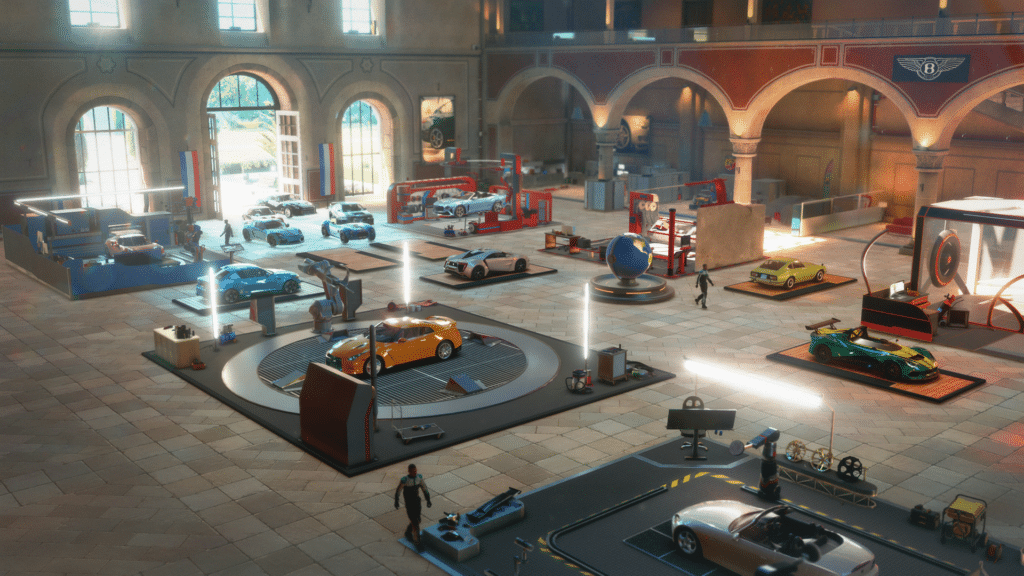
A fresh start on new hardware
Gear.Club Unlimited 3 is a confident step forward for a series that has finally found the hardware it deserves. By shifting the focus to Japan and introducing the Highway mode and its variants, Eden Games has provided enough fresh content to justify its place in the Switch 2 library. The car customization and garage management remain the best in the market for arcade fans, offering a sense of ownership that few other racers can match. It is a game that knows exactly what it wants to be: an accessible, stylish, and fun experience.
That said, it isn’t without its obstacles. The roster of 40 cars feels somewhat slim compared to the hundreds offered by Forza or Gran Turismo, and the lack of online multiplayer at launch is a significant blow. Ultimately, Gear.Club Unlimited 3 is the perfect casual racer for the Switch 2. Ideal for short bursts of high-speed fun, even if it doesn’t quite have the horsepower for a pole position.
Gear.Club Unlimited 3
Summary

Gear.Club Unlimited 3 delivers a pretty and fun arcade racing experience that shines on the Switch 2 hardware. While the garage management is top-tier, the game is held back by the limited car roster and the absence of online multiplayer. It is a solid, stylish racing game that offers a great experience for casual fans.
Played on the Nintendo Switch 2.
As always, remember to follow us on our social media platforms (e.g., Threads, X (Twitter), Bluesky, YouTube, and Facebook) to stay up-to-date with the latest news. This website contains affiliate links. We may receive a commission when you click on these links and make a purchase, at no extra cost to you. We are an independent site, and the opinions expressed here are our own.