



Back in 2020, Ghost of Tsushima set a high bar for open-world samurai adventures. It nailed that mix of cinematic storytelling, sharp combat, and sprawling landscapes in a way that had me hooked for weeks. Fast-forward to today, and Sucker Punch Productions is back with Ghost of Yotei, moving the action north to Ezo. Right away, you’re stepping into new territory with a new lead, Atsu, and that shift changes the game’s tone from the ground up.
Sequels are always a gamble. Too much of the same and it feels safe. Too much change and it risks losing what made the original special. That was the question on my mind heading in: could Ghost of Yotei pull off the balance between new ideas and familiar strengths?



From the opening hours, I had my answer. This is Sucker Punch leaning into everything they learned with Tsushima while refusing to play it safe. The scale is bigger, the combat sharper, and the world feels alive in ways that surprised me. It’s not just a follow-up. It feels like a studio taking its own formula and testing how far they can push it.
Atsu’s Revenge and the Yōtei Six
Atsu’s story doesn’t waste time setting the tone. Sixteen years before the main events, her family was brutally murdered, and she’s been carrying that wound ever since. Unlike Jin Sakai in Ghost of Tsushima, who struggled with the balance between honour and necessity, Atsu starts already hardened by survival. There’s no mask of nobility here. Her drive is pure vengeance.
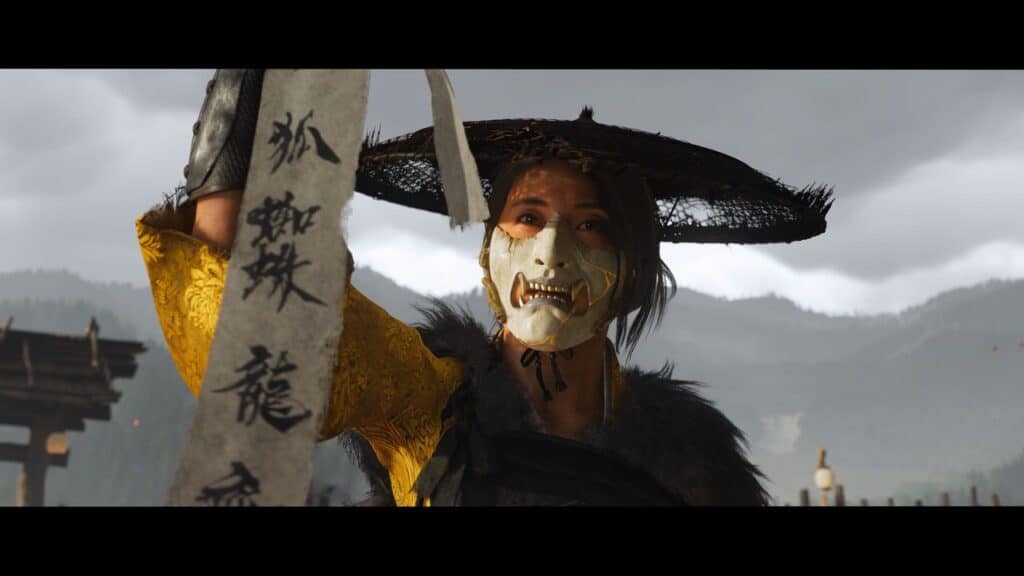
The Yotei Six stand at the heart of that quest. You’ll hear about The Snake, The Oni, The Kitsune, and the rest of the group under Lord Saitō’s shadow. Each one feels more than just another boss on a list. Their presence builds tension as you push through Ezo, and every confrontation feels like it’s forcing Atsu, and you, to reckon with what vengeance costs.
What kept me hooked wasn’t just who she was hunting, but who she was becoming. Atsu isn’t written as some honour-bound warrior trying to do the right thing. She’s a survivor whose choices make you stop and ask if the path she’s on is really justice or just another cycle of loss. It made me care about her in a way Jin never quite pulled off.
That said, the pacing can throw you off. The first chapter stretches on with lots of wandering before things really kick in. Chapter two finds a tighter groove, and chapter three barrels toward the finale so fast it feels like a sprint. Sometimes that rhythm worked for me, and other times it pulled me out of the moment. Still, even with those bumps, Atsu’s tale hit harder overall. If Tsushima was about honour, Yotei is survival through and through, and that difference sticks.

Weapons, Wolves, and the Road Ahead
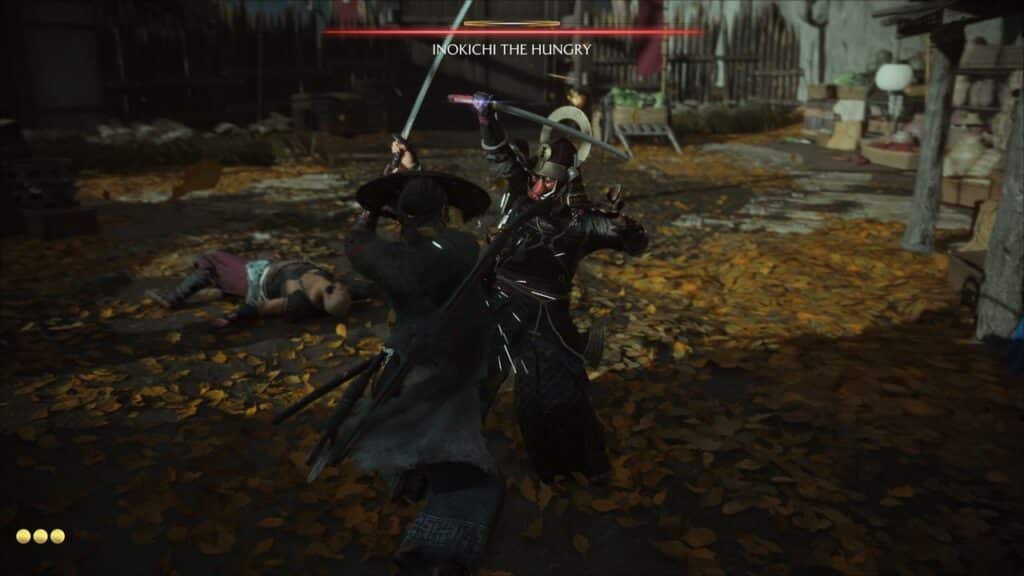
Combat feels familiar if you spent time with Tsushima, but Yotei takes things a step further. Atsu isn’t switching stances. She’s picking up whole weapon sets. The Odachi still slams with huge, risky swings. The Yari keeps enemies at a safe distance. Kusarigama is unpredictable but versatile, while dual blades hit fast and furious. Bows round out both close and long range, with tools like kunai, smoke, and bombs keeping fights unpredictable.
One of my wilder moments came when I followed a rumour about a camp hidden near a cliffside. I spotted it with the spyglass and crept in carefully, only to spook a guard’s horse. Things went sideways quickly. I was rolling between spear thrusts, calling in my wolf companion, and barely staying alive. It was one of those unscripted fights that stick with you.
Exploration doesn’t feel like busywork either. The spyglass cuts down on constant map-checking, while rumours from inns and travelers give you leads to chase. The system isn’t perfect, though. Some rumours overlap, and you’ll occasionally feel like you’re running in circles. Still, discovering shrines, stumbling into bounties, or breaking for a shamisen song keeps the loop fresh.
If there’s one knock, it’s repetition. Certain attack animations pop up often, and the rumour system adds clutter when it should give clarity. Even so, I never struggled to find something worthwhile. Between trying new weapons, chasing down leads, and just wandering with the wolf, the game makes sure you’re never bored.
Ezo Looks and Sounds Alive
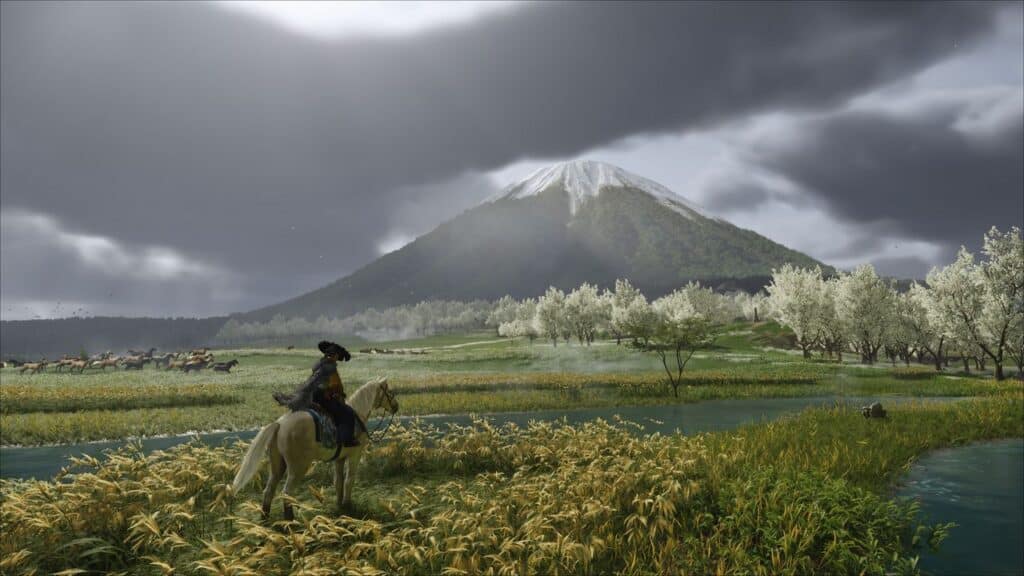
Ghost of Yotei makes the PS5 feel like it’s flexing. Fidelity mode gives you sharp resolution and detail at 30 frames per second, while performance mode keeps things smooth at 60. I stuck with performance and never noticed a dip. Load times? Basically gone. Fast travel takes seconds, which makes wandering Ezo feel seamless.
The island itself feels alive. Snow crunches under your boots, grass bends with the wind, and firelight flickers across villages. Weather patterns roll in naturally, with storms changing both the look and the soundscape around you. It’s easy to stop mid-quest just to pan the camera and take it in.
Audio keeps pace. Sword clashes ring out, storms roar, and footsteps shift depending on the ground beneath you. The Japanese dub finally syncs properly with lips, which makes conversations land better. The soundtrack mixes traditional instruments with some unexpected flourishes, and there’s even a lo-fi option for when you’re roaming without urgency.

The DualSense earns its place too. Painting with the touchpad, strumming the shamisen, and even forging weapons all feel different thanks to the haptics. Flashback moments use it cleverly, letting you slide between past and present with a single press. And Erika Ishii’s performance as Atsu? Absolutely nailed it. Raw, grounded, and easily one of the highlights.
Ghost of Yotei proves survival cuts deeper than honour
Ghost of Yotei doesn’t try to recreate Ghost of Tsushima beat for beat. It pushes forward with its own voice, built around survival instead of honour. That shift gave me a different kind of investment, and I found myself stopping more than once to think about Atsu’s choices.
Finishing the story left me drained in a way Ghost of Tsushima never did. Not because it was bad, but because Atsu’s journey is heavier, sharper, and less forgiving. It’s the kind of ending you sit with for a bit before jumping into anything else.
Combat variety, exploration tools, and all the side content keep the game fun to pick up, even during the slower stretches. Sure, a few animations repeat and the rumour system clutters things here and there, but those issues fade fast when you’re in the middle of a fight or soaking in the atmosphere.
For me, Yotei hit harder than I expected. It’s not a replacement for Tsushima, and it doesn’t need to be. It stands tall beside it, giving you a different lens on Sucker Punch’s samurai world. If Ghost of Tsushima was about duty, Yotei is about survival. And honestly? That contrast makes both games better.
Ghost of Yotei
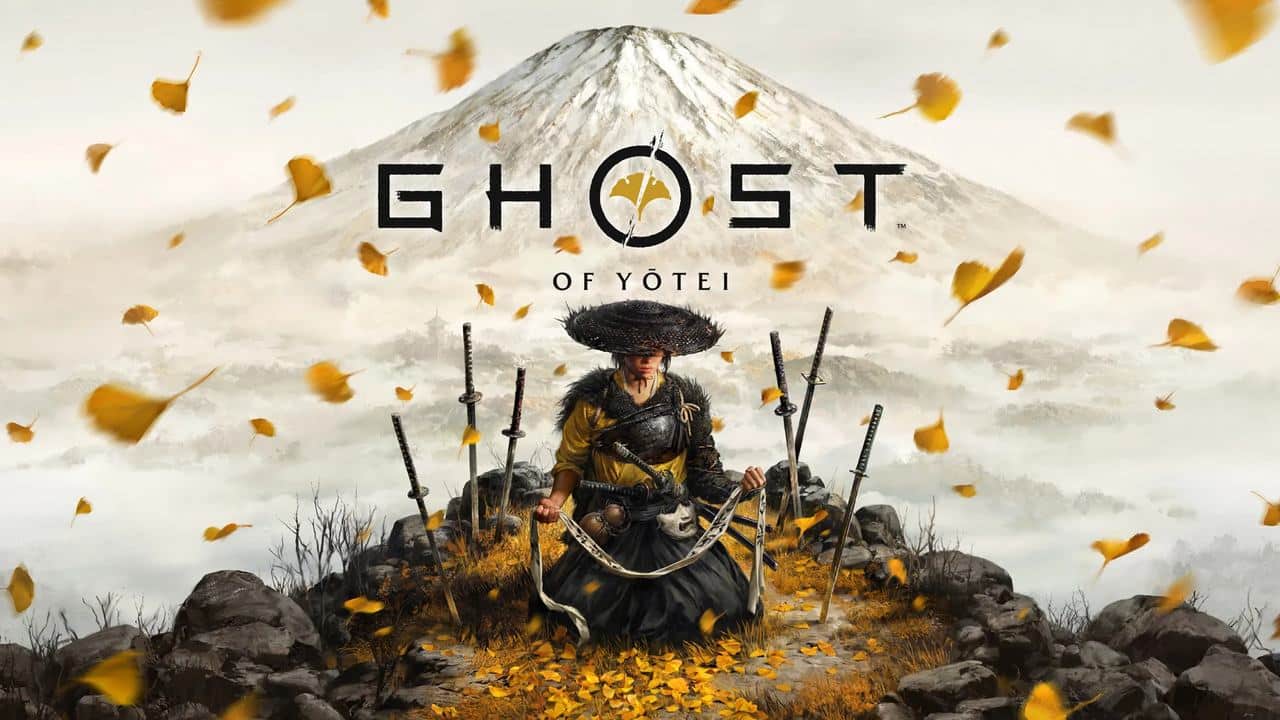
Summary
Ghost of Yotei takes what made Ghost of Tsushima great and cranks it up. Atsu’s survival story hits harder, combat feels sharper with more weapons to mess around with, and Ezo is just fun to explore. The pacing can drag and some moves repeat too much, but when you are chasing bounties or testing new gear, you barely notice. This one feels like its own thing, and that is what makes it worth playing.


As always, remember to follow us on our social media platforms (e.g., Threads, X (Twitter), Bluesky, YouTube, and Facebook) to stay up-to-date with the latest news. This website contains affiliate links. We may receive a commission when you click on these links and make a purchase, at no extra cost to you. We are an independent site, and the opinions expressed here are our own.