


The Colony was the part of Gothic 1 Remake that kept me going. It’s harsh, unfriendly, and quick to punish you when you act like a hero too early. I liked that. The game made me slow down instead of treating every trip outside camp like another marker to clear.
That’s why the performance issues and menu frustration bothered me so much. There’s a real RPG here, especially when the game makes you learn The Colony instead of following markers. The low frame rate gets in the way early. Pop-in and audio bugs make it worse, and the menus, item slots, and combat inputs still come across too PC-focused for a controller. Gothic 1 Remake is for RPG fans who want danger, slow growth, and less direct guidance. I’d still wait for more fixes before telling most people to play it.



The Colony Turns Weakness Into A Real RPG Test
The game starts with the Nameless Hero being sent into the Valley of Mines, where convicts mine magical ore for the king’s war against the orcs. A magical barrier traps prisoners, guards, mages, and anyone else caught inside. That prison society becomes The Colony, and you’re dropped into it as someone with no power and no real safety.
Old Camp, New Camp, and Swamp Camp define the world’s power structure. Each camp wants something different, so conversations usually come back to power, ore, escape, or staying alive. You’re not treated like a chosen hero at the start. You’re someone trying to find a place in a dangerous prison where nearly everyone wants something.
I liked that the remake doesn’t structure exploration around a mini-map or quest markers. I liked having to stop and think about what someone said instead of chasing an icon. Those clues stay useful as you learn the roads between camps and the places you’re not ready to enter yet.
The game still has a few tools to keep you oriented. The journal tracks quest information, and the map becomes important once you get one. The glossary and tutorial information explain key rules. It still expects you to do the work. That’s what I respected the most, because the world becomes dangerous before the combat even begins.
Trainers And Dangerous Enemies Make You Earn Progress
Training is what turns early weakness into progress. XP leads to Learning Points, and Learning Points only count once you find someone in The Colony who can teach you something useful. Combat training, lockpicking, and magic all come from people in the world, not from a menu quietly making you better at everything.

That structure ties every upgrade to a choice. If you want to fight better, you need training. Locked chests make lockpicking look more important. If you want more safety at a distance, ranged combat becomes tempting. The Colony keeps reminding you that your build changes how safe you are because the world isn’t scaling itself around your comfort.
I like that enemies don’t scale with you. A creature that destroys you early can stay in your memory because it’s not being adjusted to match your level. You can come back later with better gear, better training, and a clearer idea of when to attack. That kind of progress is one reason the RPG side worked for me.
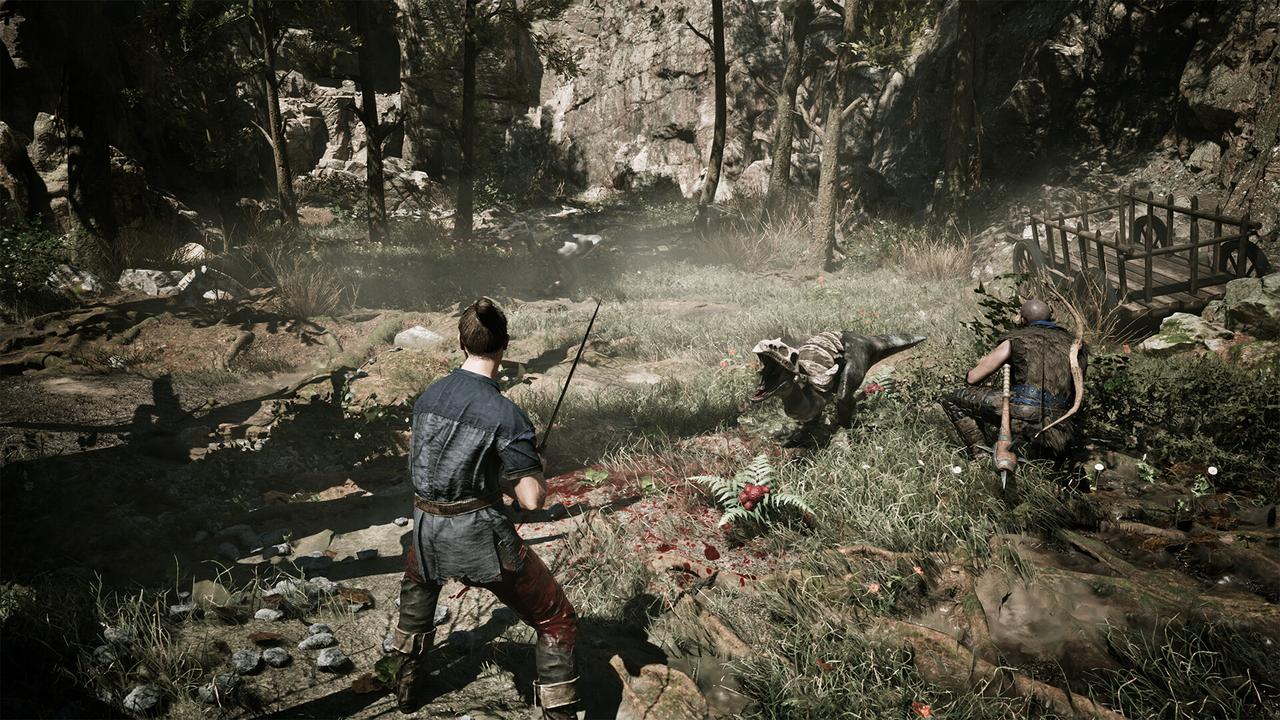
The combat gets more interesting once the training starts to show. Early fights can be mean, especially when even smaller creatures punish poor timing. As the hero improves, melee combat opens up through better attacks, parries, and survival options. Armour changes how long you can survive, because one extra hit can be the difference between walking away and reloading. It isn’t a modern action combat model. I was more willing to put up with the older RPG stiffness once training and gear started changing how fights played out.
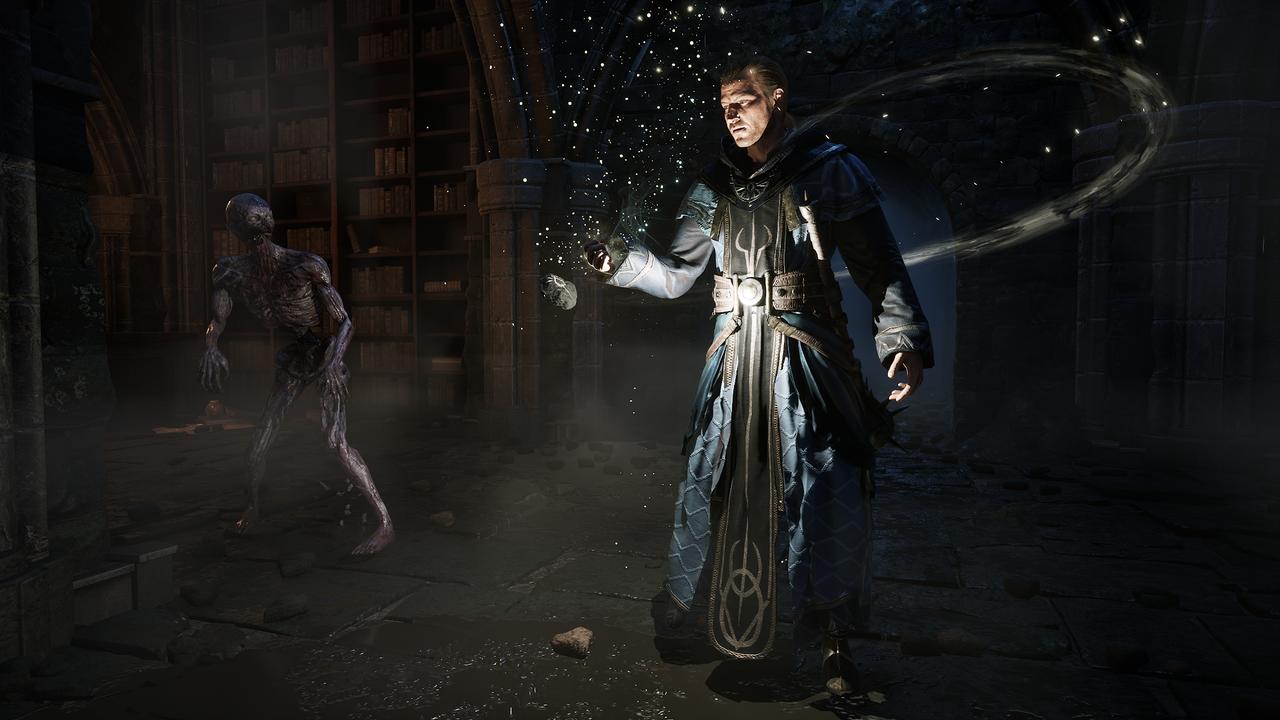
Magic and utility skills open more ways to handle The Colony without turning the game into a class menu. Magic, lockpicking, ranged combat, and faction access all change how far you can get into The Colony before you need to turn back. I liked stopping at the edge of a fight and realizing I had to come back later with better training or a better plan.
Combat Works Better Than The Menus
I like what the remake is going for with combat. It doesn’t want you mashing through every fight. You need to watch enemy movement, avoid being surrounded, use parries, and back off when you’re not ready. That fits the world. The Nameless Hero isn’t meant to be powerful at the start, and the game is better when that weakness is part of the experience.
Ranged combat also has a clear place. Being able to weaken enemies before they reach you changes how you approach wildlife and small groups. Magic adds another path once you have the resources and training for it. The combat can be simple, but fights still carry weight because you’re usually one bad choice away from reloading.
The problem is that the controls and menus don’t always meet the game halfway. Inventory management takes too long, and using food, runes, scrolls, and one-use items adds too many small interruptions to normal play. This is already an RPG where planning and preparation count, so every extra menu step becomes more noticeable.
The controller layout also carries a PC-first feeling. Moving through menus with shoulder buttons, handling item slots, and using different combat inputs works. It rarely comes naturally. The remake already wants patience from you through its world and combat. The interface slows things down in a way the game doesn’t need.
A tough fight is one thing. A slow menu is another. Getting punished because I ignored an enemy’s attack pattern is fair. Slow menus and clumsy item handling point to a remake that needed more controller-focused work.
The Performance Problems Are Hard To Ignore
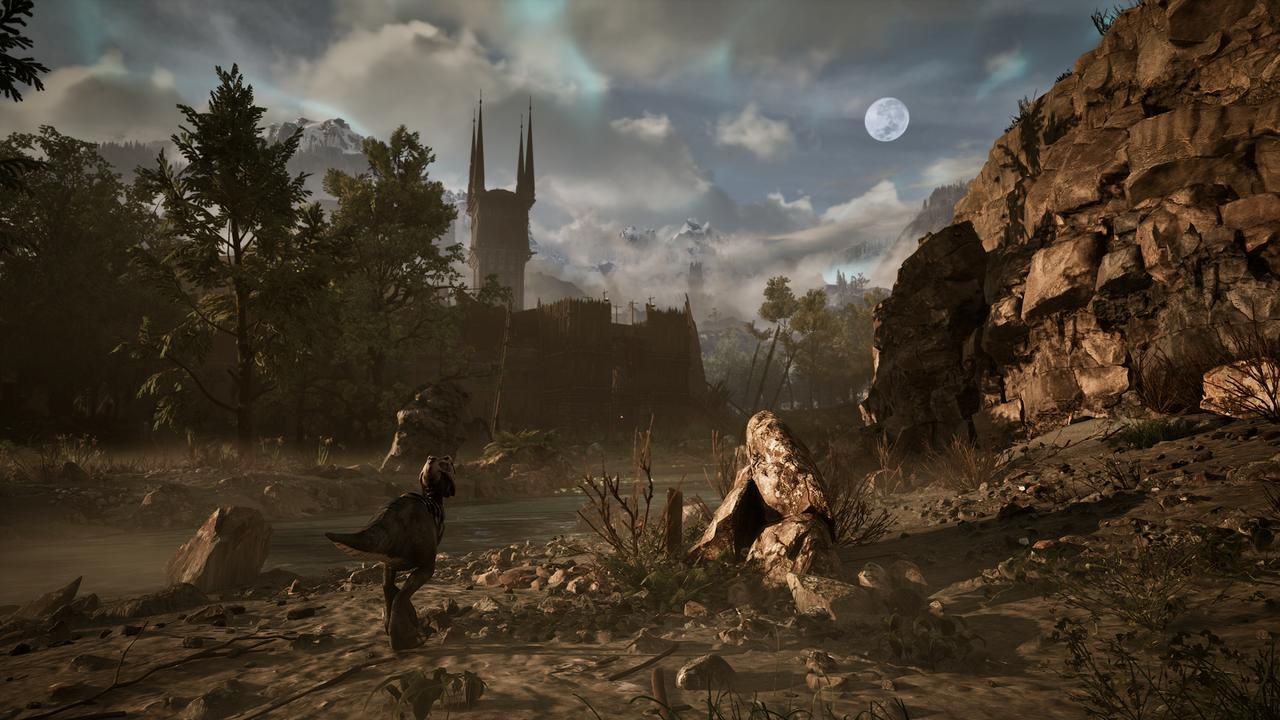
Performance was the hardest issue for me to get past. On PS5, the frame rate is capped at 30 FPS, and there’s no performance mode. Pop-in and audio bugs appear often enough that they start cutting into exploration and conversations.
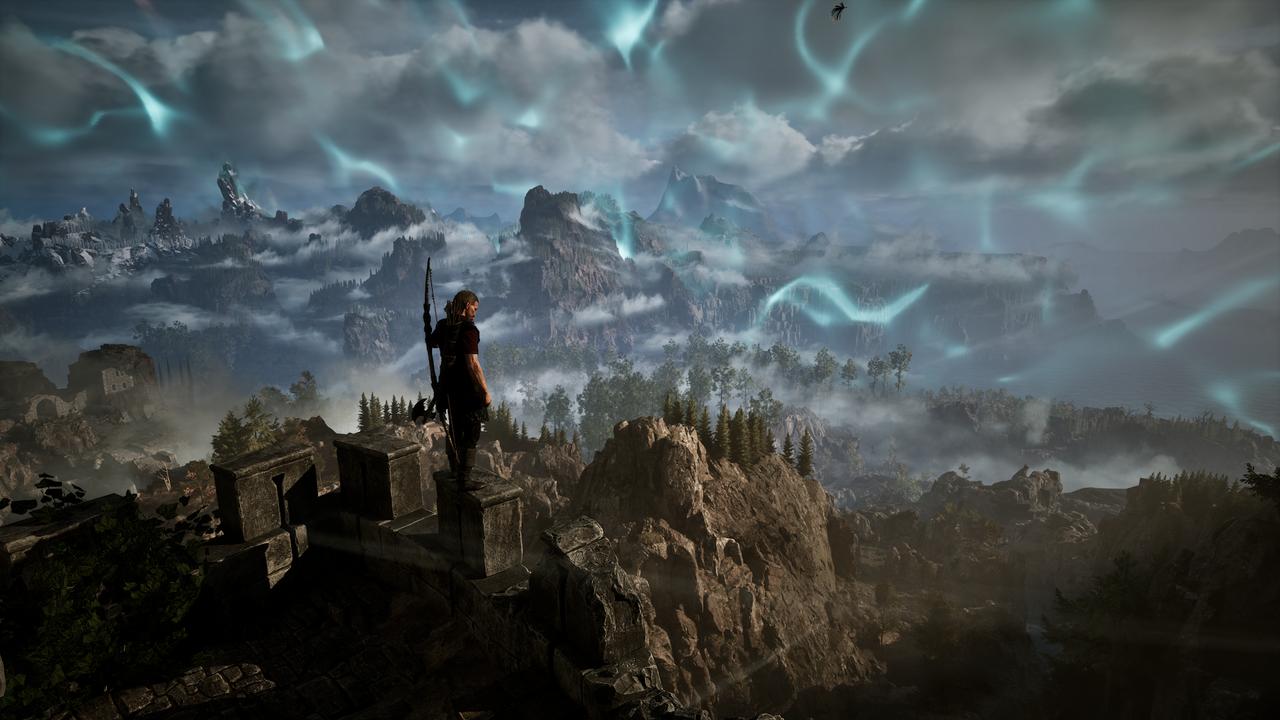
The rebuild gets The Colony right through dirt, torchlight, worn-down prisoners, and camps that look like people are barely holding them together. The remake is more convincing when the world looks dangerous instead of clean. Darker roads and camp lighting add to that mood.
Pop-in is easy to notice while you’re moving through the world. The audio bugs are worse because dialogue and music are a big part of moving through The Colony. When voices overlap or audio cuts out, it hurts more than it would in a more marker-driven RPG because conversation is part of how you understand what to do next.
Not every bug will hit everyone the same way. For me, the frame rate, pop-in, and audio bugs came up often enough that they became part of the experience. The game is already demanding because of its world, combat, and limited guidance. The performance issues don’t add to that. They just get in the way.
The Camps Make The Story Work
The story mainly succeeds by setting up the world, not through a deeply emotional plot. The Nameless Hero enters the Valley of Mines as a prisoner, gets trapped inside a magical barrier, and has to deal with a society split between camps, ore, survival, and escape. That sets the first hours around a clear problem.
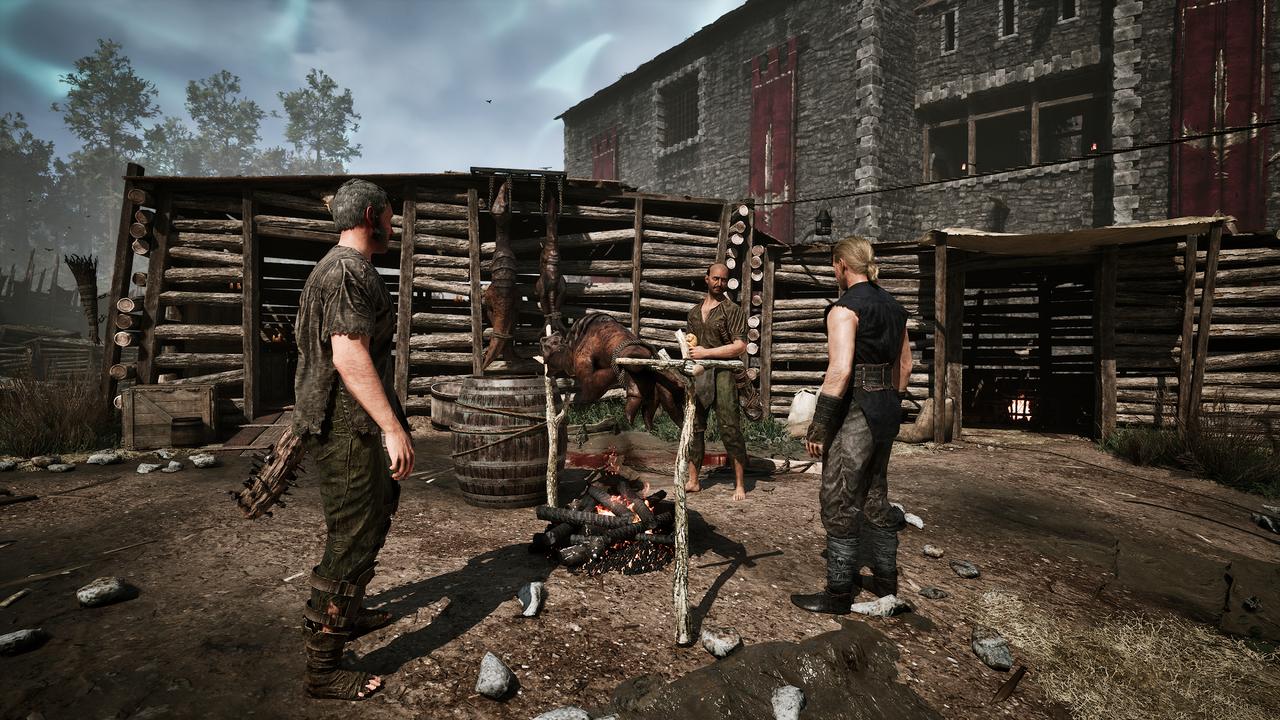
The camps are what make the story side work for me. Old Camp, New Camp, and Swamp Camp all represent different ways people are trying to live with or break out of the Colony. That keeps even smaller conversations tied to a place and a purpose. You’re not just collecting tasks. You’re figuring out who has influence, who can train you, and who might be using you.
I wouldn’t play the game for the story alone. The plot works because it keeps sending you back to the camps, trainers, and prison politics. The premise is direct, and that’s enough for this kind of game.

Gothic 1 Remake Has A Good RPG Under The Problems
I’m split on Gothic 1 Remake. The Colony has rules, danger, and a clear sense of place. The lack of quest markers has a purpose. The trainers, Learning Points, tougher enemies, and faction choices all point in the same direction. Progress has to be earned. When the game is focused on danger, exploration, and survival, I can see exactly why Gothic has the following it does.
The game isn’t where it needs to be yet. The low frame rate gets in the way, the pop-in is hard to ignore, and the audio issues hurt a game that depends so much on conversation. Awkward controller menus make it worse because the remake already requires you to listen closely, manage information, and accept a tougher early stretch.
If you still like RPGs that make you learn the world instead of following a trail of icons, The Colony is the reason I’d keep an eye on future fixes. If you need a cleaner experience with more modern guidance and better performance, I’d wait and see how much patches improve it.
Gothic 1 Remake
Summary
Gothic 1 Remake brings back a harsh single-player RPG set inside The Colony, where training, camp politics, and dangerous exploration all shape your progress. The game makes you slow down, listen, and learn the world instead of chasing markers. The frame rate cap, pop-in, audio bugs, and clumsy menus kept getting in the way. There’s a good RPG here for fans who miss this kind of challenge, but I’d wait for more fixes before jumping in.
As always, remember to follow us on our social media platforms (e.g., Threads, X (Twitter), Bluesky, YouTube, and Facebook) to stay up-to-date with the latest news. This website contains affiliate links. We may receive a commission when you click on these links and make a purchase, at no extra cost to you. We are an independent site, and the opinions expressed here are our own.