


I never thought I’d see Halo on a PlayStation console. Yet there I was, starting Halo: Campaign Evolved on PS5 with a DualSense in my hands. Seeing Master Chief appear on the same console as God of War and The Last of Us still seemed strange.
Once the first firefight began, the controller stopped being the story. Halo handles comfortably on PS5, and the DualSense feedback adds more kick to weapons and vehicles. Halo Studios has updated Master Chief’s first campaign without losing the open battles and quick weapon decisions I remember.




Repeated indoor areas still slow things down, and larger fights occasionally caused frame-rate drops. Even so, Halo no longer seemed out of place on PS5 by the end of the campaign.
You don’t need years of Halo knowledge to start here. Longtime fans also have new material to explore through Operation: METEORITE and Campaign Remix. This release is built around campaign and co-op, with no competitive multiplayer.
Master Chief And Cortana Still Make A Great Team
Master Chief and Cortana remain at the centre of Halo: Campaign Evolved. Reworked cutscenes and newly recorded dialogue make their conversations less stiff. Cortana has more to say during each exchange, and Chief responds often enough that their partnership comes through more clearly.
After the Pillar of Autumn is attacked, Master Chief and Cortana escape to Alpha Halo and search for the surviving UNSC forces. The rescue soon becomes something much darker as they learn what the ring was built to do and encounter the Flood.
I still enjoyed learning what Halo was one mission at a time. The ring begins as a strange battlefield, then gradually becomes a threat neither the UNSC nor the Covenant fully understands. That slow discovery is still what I like most about the story.

Some rewritten dialogue connects the story more directly to later Halo games. I appreciated several of those references, but a few scenes explain information the original left in the background. I preferred watching Master Chief and Cortana piece things together instead of hearing every connection explained.

Operation: METEORITE Expands Master Chief And Johnson’s Story
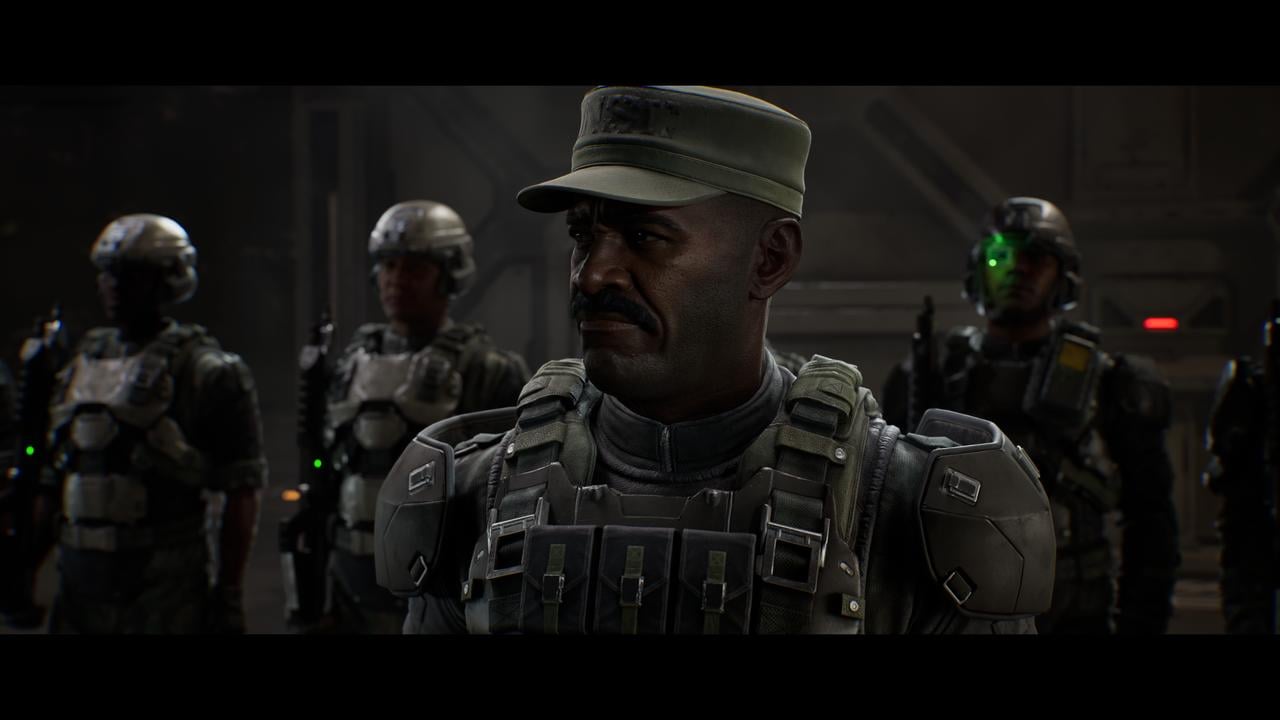
Operation: METEORITE contains three missions set one year before Halo: Combat Evolved. Master Chief and Sgt. Major Avery Johnson board a Covenant vessel in pursuit of information linked to a San’Shyuum minister and a series of experiments.
These missions aren’t simply old maps with new dialogue. Brutes push harder at close range, and the Battle Rifle handles enemies holding distant positions. Several fights also let me approach Covenant groups from more than one direction.
My favourite part is seeing Master Chief work beside Johnson. Johnson brings more personality to each conversation. Chief is still direct, but he talks more and even slips in a few jokes. Their back-and-forth is more memorable than the larger mystery surrounding the Covenant experiments.
The story briefly touches on how some UNSC soldiers view the Spartan program and Master Chief’s place within it. Operation: METEORITE ends before that idea can go much further. I liked that the extra history never pulled attention away from Chief and Johnson, and I would have liked one more mission with them.
Modern Movement Improves The Original Combat
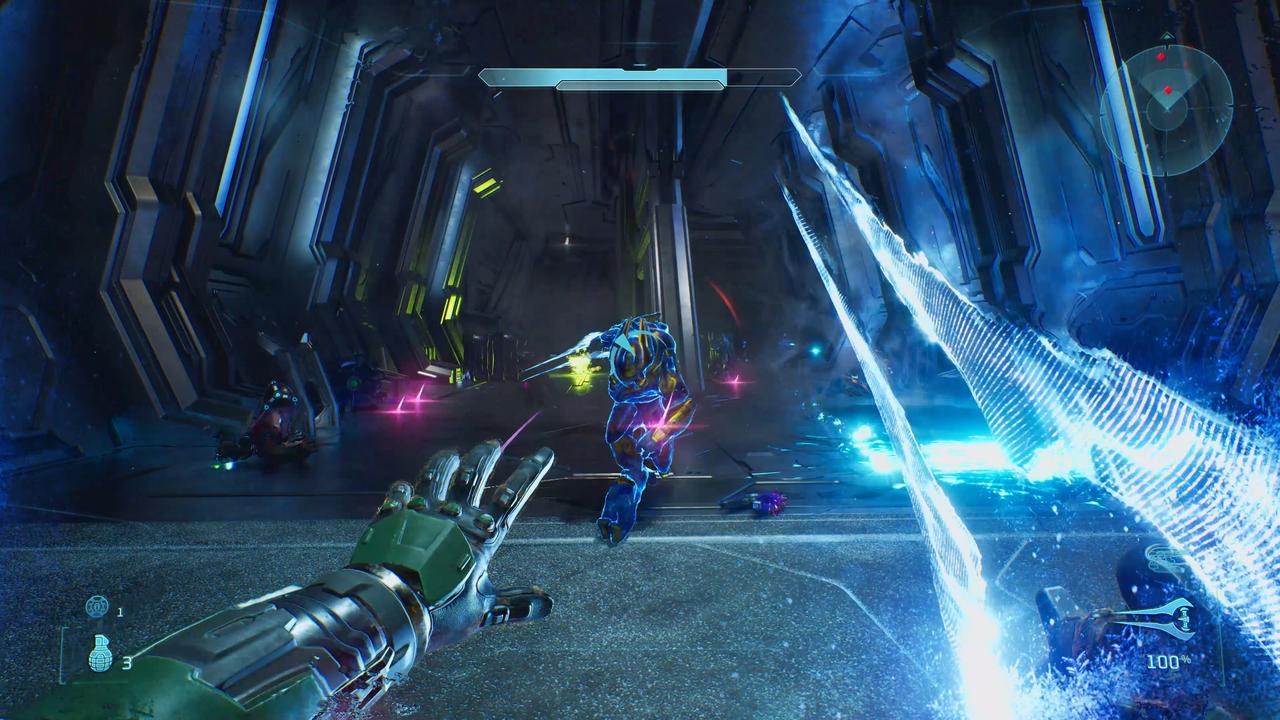
Once my shields dropped, I couldn’t stay planted. Elites closed the distance or forced me out of cover, so I had to keep moving and watch for an opening. That push and pull reminded me how much I still enjoy fighting the Covenant.
The two-weapon limit still forces quick decisions. I might keep the pistol for its power, grab a plasma weapon for shields, or take whatever is nearby when an encounter turns against me. I was always deciding whether to hold onto what I had or swap it for something better suited to the next fight.
Sprint changed how I moved through the campaign more than anything else. I preferred having it during repeated trips across outdoor areas because it cuts down the walk when a Warthog or Ghost isn’t nearby. Master Chief can cross some battlefields so quickly that they seem smaller than I remember.
Weapons from later games add more options once a fight starts. The Battle Rifle handles enemies at mid-range, and the Energy Sword pushes me toward close combat. The original pistol remains powerful enough that the expanded arsenal never erases what made the 2001 campaign distinct.
Being able to hijack Covenant vehicles fits Halo’s open battles. Taking a Ghost or Wraith can turn a fight in seconds, and I found that more entertaining than destroying every vehicle from a distance.
The repeated indoor layouts bothered me more this time. Outdoor missions leave room for experimentation, but several Covenant ships and Forerunner corridors reuse the same shapes for too long. Objective markers reduce the chance of getting lost, yet they can’t hide how often some indoor areas repeat.
Campaign Remix Scrambles Familiar Missions
After I found three Skulls and opened Campaign Remix, missions I already knew stopped following the same script. Enemy groups and weapon placement can shift, and visibility effects can change how I approach an area.
Halo: Campaign Evolved includes 42 Skulls. Thirty-nine are hidden across the 13 missions, and finding any three opens Campaign Remix along with three extra modifiers. Finding more Skulls opens additional modifiers, and missions become less predictable as more of them are active.
I liked having another reason to search every corner, but the first few modifiers didn’t change enough. Remix became much more interesting once I found additional Skulls and enemy groups stopped appearing where I expected them.
Remixed missions can also be played in co-op. Online play supports up to four people with crossplay and cross-progression. Consoles support two-person split-screen. Halo’s open battlefields leave enough space for everyone to approach an encounter differently.
Co-op and Remix are the main reasons to replay missions after the credits. Halo’s arena maps and competitive multiplayer aren’t included.




Alpha Halo Looks And Sounds Incredible On PS5
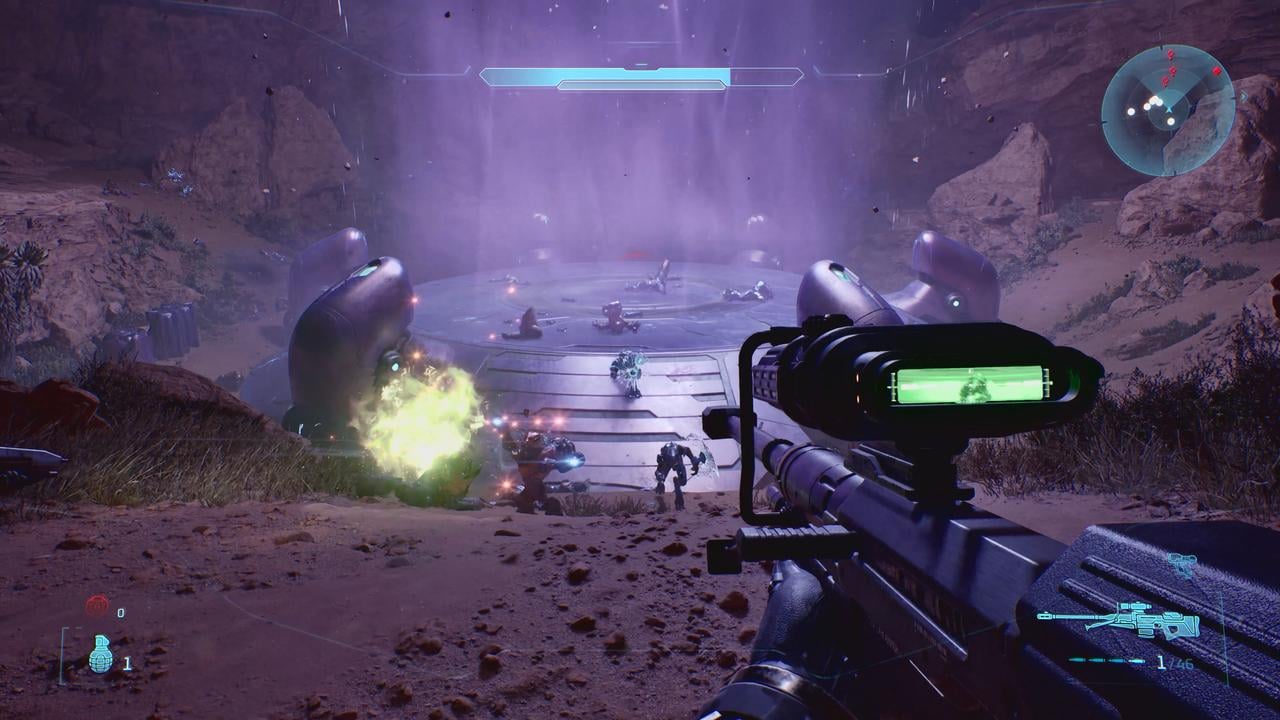
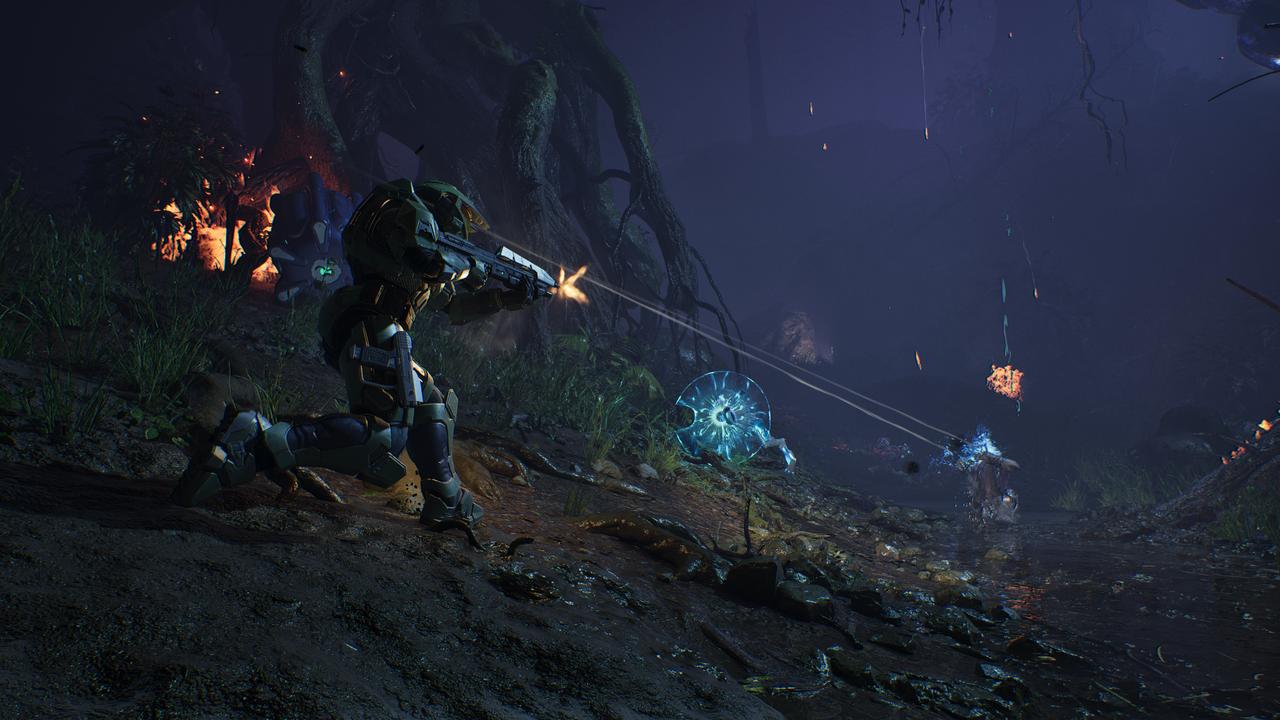
The Silent Cartographer made the remake’s visual changes easiest to see. I recognized the beach, surrounding cliffs, Covenant positions, and underground passages right away. New lighting and vegetation make the island more distinct without burying the original mission under unnecessary decoration.
Looking beyond that island, Alpha Halo felt far larger than I remembered. The ring rises across the sky, Forerunner structures tower over Master Chief, and forests and snow-covered areas stretch farther into the distance. The added detail never hides the clean shapes and familiar colours that define the original campaign.
The mood darkens once the Flood arrives. Infection spreads across walls and machinery, and later areas become increasingly hostile as the outbreak takes over more of the ring.
Indoor combat is where the extra detail causes trouble. Inside Covenant ships and Forerunner corridors, dark corners, bright reflections, and overlapping effects sometimes made enemies harder to track during crowded fights.
I only noticed frame-rate drops during larger battles, usually when vehicles, explosions, and several enemies filled the screen. They were brief, but they happened often enough to catch my attention.
After the first few fights, I stopped thinking about the DualSense. The familiar controls settled in quickly, and the extra feedback became part of the action. Trigger resistance changes when firing, and the haptic feedback varies between weapons and vehicles.
Halo’s choral music brought back just as many memories as the rebuilt environments. The softer tracks create suspense during exploration, and the louder themes make major battles feel bigger. Assault-rifle fire, plasma weapons, shields, and nearby explosions sound more powerful than I remember.
Halo: Campaign Evolved Feels Right At Home On PS5
By the time the credits rolled, Halo no longer felt unusual on PlayStation. I was thinking about the outdoor battles I wanted to replay and how quickly the campaign still makes me adjust when a fight turns against me.
The controls translate comfortably to DualSense, and the original combat still holds up. Operation: METEORITE extends the story with three new missions. Campaign Remix provides another reason to revisit the campaign once enough Skulls have been found.
The campaign is the reason to be here, especially with co-op. Competitive multiplayer isn’t included, so anyone who considers Halo’s arena combat essential will be missing a major part of the series.
Once I was back on Alpha Halo, the console mattered less than the next fight.
Halo: Campaign Evolved

Summary
Halo: Campaign Evolved brings Master Chief’s first adventure to a new generation without losing the combat that made it memorable. Operation: METEORITE, Campaign Remix, modern movement, and an expanded arsenal add worthwhile reasons to return, though repetitive indoor areas and occasional frame-rate drops keep the remake from feeling completely polished.
As always, remember to follow us on our social media platforms (e.g., Threads, X (Twitter), Bluesky, YouTube, and Facebook) to stay up-to-date with the latest news. This website contains affiliate links. We may receive a commission when you click on these links and make a purchase, at no extra cost to you. We are an independent site, and the opinions expressed here are our own.