



I Hate This Place drops you straight into a situation that feels off from the start. It gives you just enough context to know something isn’t right, then steps back and lets you figure things out on your own. That approach sets the tone for the entire experience. This is a game that expects you to stay aware of your surroundings, move carefully, and learn through observation rather than tutorials or long explanations.
At first glance, it feels like a familiar mix of survival horror and comic-book styling, but it doesn’t take long to realize it’s doing something a little different. The camera angle, the way sound is treated as a mechanic, and the pressure of simply staying alive all shape how you move through its world. There’s a steady sense of unease from the opening moments, not because the game throws constant danger at you, but because it rarely tells you what’s safe.




You play as Elena, dropped into a situation that quickly spirals beyond her control. The story sets up its mystery early, but instead of pushing you forward with constant dialogue or exposition, it lets the environment do most of the work. You’re left piecing things together through exploration, encounters, and the way the world reacts to your presence. That slow burn works in the game’s favour, especially if you enjoy horror that builds atmosphere instead of relying on sudden shocks.
Right away, I Hate This Place makes one thing clear: survival here isn’t about power. It’s about awareness. Noise matters. Movement matters. Even small decisions can change how an encounter plays out. That focus gives the game a distinct identity, even when some of its systems don’t always come together as smoothly as they should.
A Slow-Burn Approach to Storytelling
The story in I Hate This Place takes its time, and that ends up working in its favour. You’re dropped into Elena’s situation with only a loose understanding of what’s going on, and the game is comfortable leaving things unclear for a while. Instead of spelling everything out, it lets the world, the people you meet, and the places you explore do most of the storytelling.
What stands out is how much of that story comes from observation rather than dialogue. You’re not constantly being told where to go or what to think. Instead, you start picking up on small details, odd moments, and things that don’t quite add up. It feels less like following a set plot and more like slowly getting a sense of a place that’s already been unraveling before you arrived.
Elena fits naturally into that approach. She doesn’t come across as someone who has everything figured out, and the game never pretends she does. Her reactions feel grounded, and the way she moves through the world reflects that uncertainty. The story avoids big speeches or dramatic turns, letting smaller moments do the work instead.

The pacing helps sell that tone. Information comes in pieces, and you’re trusted to connect things on your own. Some threads are clearer than others, but that unevenness feels intentional rather than messy. By the time the bigger ideas begin to take shape, the game has already laid enough groundwork to make them land without needing to overexplain.
Learning the Rules Through Play
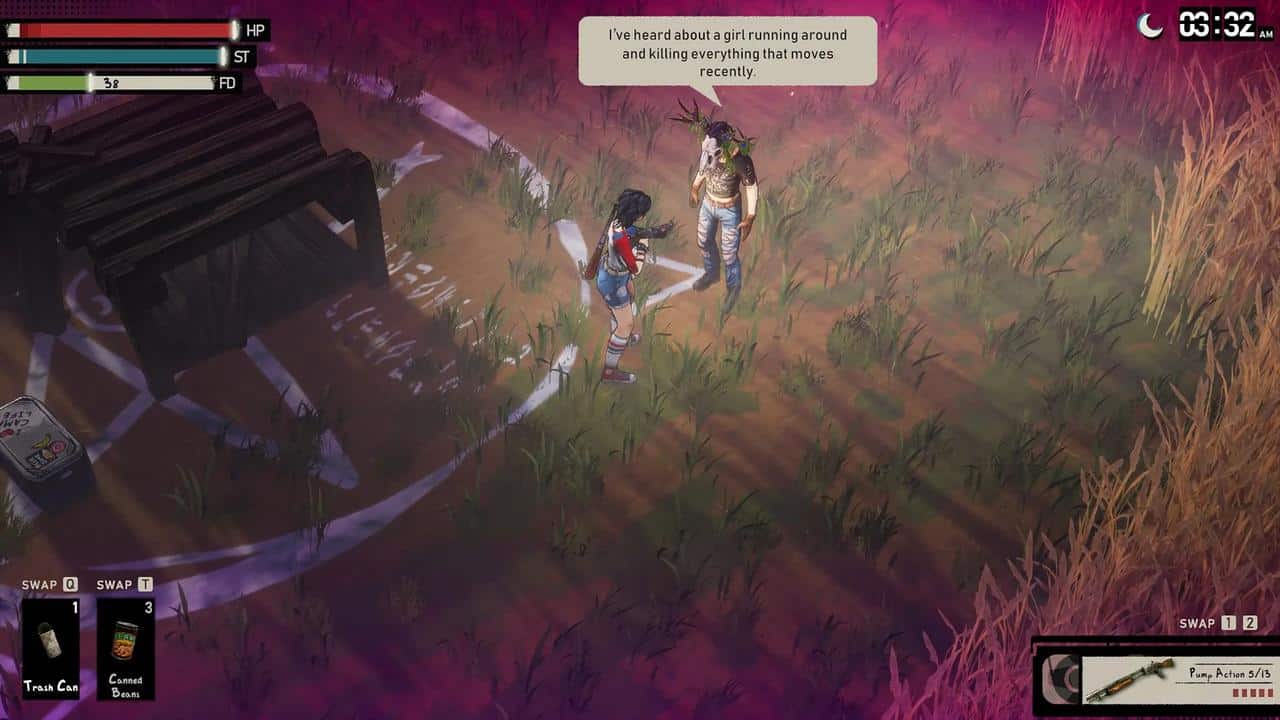
Playing I Hate This Place is all about slowing down and thinking a step ahead. It’s not a game that wants you rushing through rooms or clearing areas quickly. Most of the time, you’re moving carefully, watching your surroundings, and deciding whether it’s better to push forward or take a step back.
The camera angle plays a big role in that. You can see enough to plan your next move, but never quite enough to feel fully at ease. Enemies often sit just outside your view, and sound becomes just as important as sight. Footsteps, movement, and small actions can give you away, which changes how you approach every situation. You start moving differently once you realize how much noise you’re making.
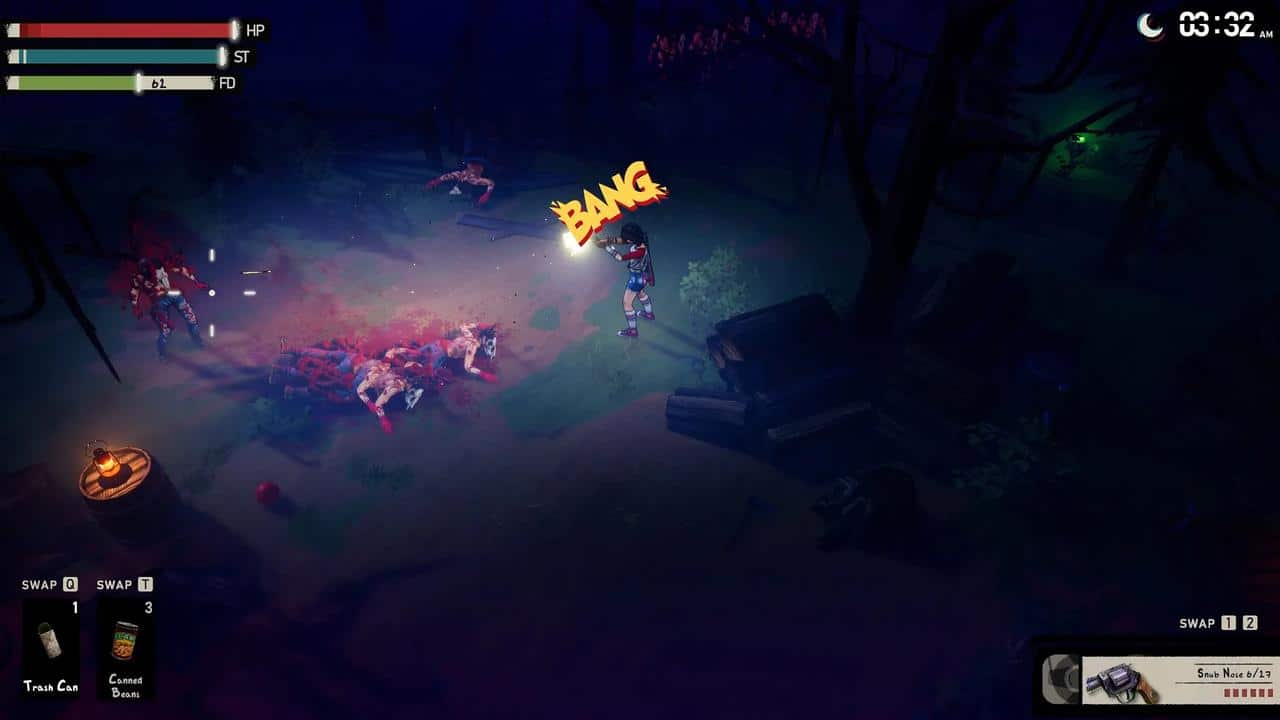
Combat is there, but it’s not something you’re meant to rely on. Weapons help, but they’re limited, and mistakes can add up quickly. It often feels smarter to avoid trouble when you can rather than force a fight you don’t need. When things do go wrong, there’s rarely an easy way out.
Stealth ends up being the core of the experience. Watching enemy behaviour, waiting for the right moment, and choosing when to move becomes second nature over time. When it works, it feels rewarding. When it doesn’t, situations can spiral fast without the game needing to pile on extra systems.
There’s also a steady flow to how the game plays. You head out, explore, gather what you can, and decide when it’s time to pull back. That loop stays consistent throughout, which helps everything feel grounded. More than anything, the game rewards patience. It’s less about quick reactions and more about reading the situation and living with the outcome.
A Strong Sense of Place From Start to Finish
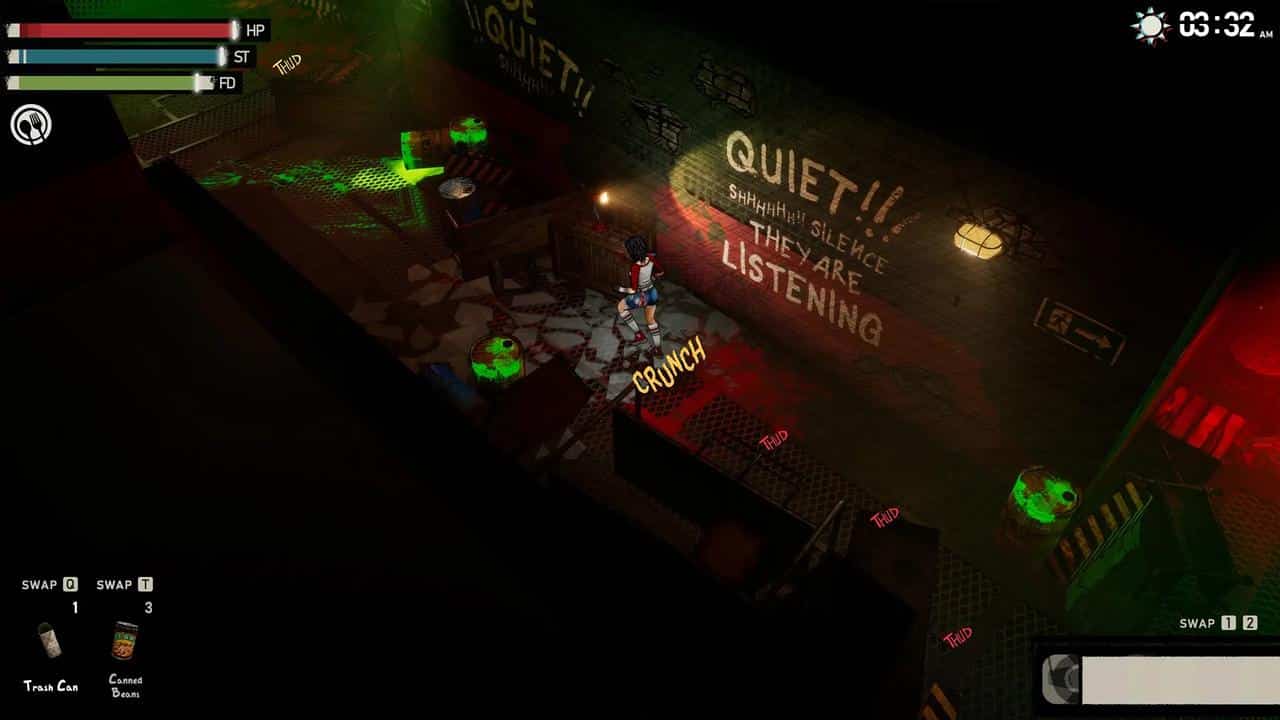
A big part of what makes I Hate This Place work comes down to how it looks and sounds while you’re playing. The visual style pulls from its comic roots, using bold outlines and strong contrast to create a world that feels deliberately stylized rather than realistic. It fits the tone of the story well and helps give each area a clear identity.

The camera angle supports that approach. You can see enough to move with purpose, but never quite enough to feel fully at ease. Corners, doorways, and narrow paths always feel like they could hide something, which keeps you moving carefully. The environments do a lot of the storytelling on their own, whether you’re walking through a rundown building or passing through an area that clearly hasn’t been safe for a long time.
Sound plays an even bigger role in how the game feels. Nearly everything you do makes noise, and the game makes sure you’re aware of it. Footsteps, movement, and small interactions all carry weight, especially when you’re trying to avoid drawing attention. You end up listening as much as you’re looking, which changes how you approach every space.
The audio design helps sell the mood without overdoing it. Distant sounds, subtle cues, and the way music fades in and out work together to keep you alert without overwhelming you. Quiet moments are allowed to sit, which makes the louder ones land harder when they happen.
Visually, everything stays consistent from start to finish. Character designs, environments, and effects all fit the same tone, and nothing feels out of place. It’s not flashy, but it knows exactly what it wants to be, and that consistency goes a long way in making the world feel believable.
I Hate This Place Isn’t Perfect, But the Mood Is What Makes It Work
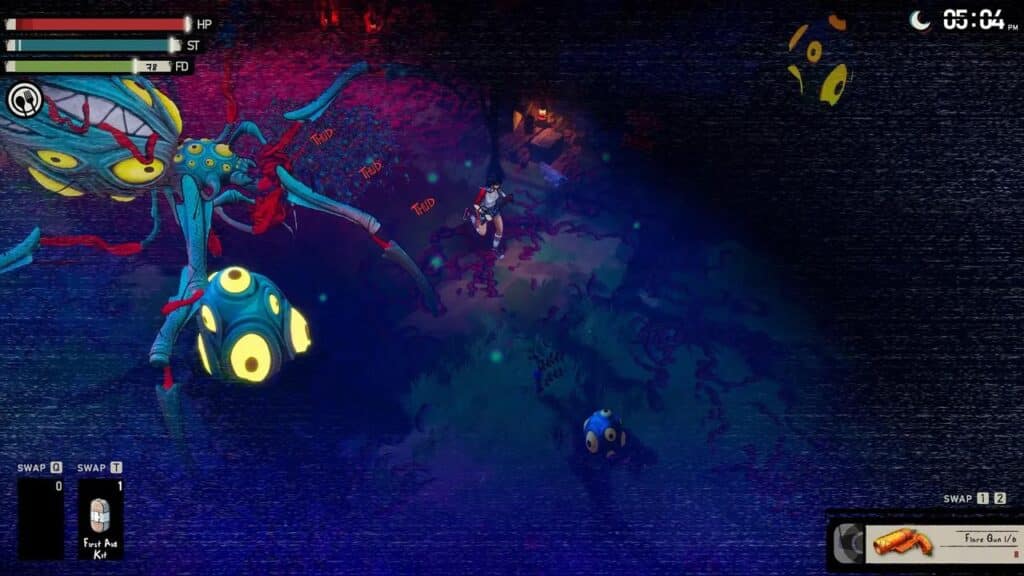
By the time the credits roll, I Hate This Place leaves you with a pretty clear impression. There’s a lot here to like, especially in how the game builds mood and makes you think about every move you make. When it’s firing on all cylinders, it creates that quiet, uneasy feeling where you’re never fully comfortable, even when nothing is actively happening on screen.
At the same time, it’s hard to ignore that some parts of the experience don’t connect as cleanly as they could. A few ideas feel stronger in theory than they do in practice, and certain stretches drag more than they should. Nothing completely breaks the experience, but there are moments where the pacing slows enough that you start to feel it.
What keeps the game moving forward is its commitment to atmosphere. The look of the world, the way sound is used, and the overall tone stay consistent from start to finish. Even when progress slows or a mechanic doesn’t quite land, the game still feels focused on what it wants to be. That consistency does a lot of heavy lifting, especially in a genre where mood matters as much as mechanics.
If you’re into slower horror that’s more about mood and awareness than nonstop action, there’s plenty here to appreciate. I Hate This Place isn’t perfect, but it sticks with you because of how strongly it commits to its mood and pacing, even when other parts don’t fully come together. It knows the kind of experience it wants to deliver, and for the right player, that’s more than enough.
I Hate This Place



Summary
I Hate This Place takes its time and asks you to meet it halfway. It’s not about constant action or big moments, but about moving carefully, reading situations, and letting the world do the talking. Some parts don’t hit as cleanly as they should, but the overall experience holds together because the game knows what kind of mood it’s aiming for. If you’re into slower horror that rewards patience and atmosphere, there’s a lot here that works.
As always, remember to follow us on our social media platforms (e.g., Threads, X (Twitter), Bluesky, YouTube, and Facebook) to stay up-to-date with the latest news. This website contains affiliate links. We may receive a commission when you click on these links and make a purchase, at no extra cost to you. We are an independent site, and the opinions expressed here are our own.