



Kotama and Academy Citadel is a metroidvania built around fast combat and constant movement. Enemies hit hard, and success comes from staying active rather than playing defensively. The game doesn’t spend much time explaining itself, so learning how its mechanics work together happens naturally as you fight and explore.
You play as Kotama, a transfer student working her way through a massive sci-fi academy to earn votes and climb toward the Carmel Star title. The school is the entire map, filled with vertical rooms, shortcuts, and side paths that reward curiosity. Switching weapons mid-fight, reading enemy patterns, and pushing forward with confidence are all part of the core experience.




It isn’t perfect, and some parts take time to fully understand, but once everything starts flowing, Kotama and Academy Citadel becomes an easy game to sink a lot of time into.
An Academy Full of Questions
Kotama and Academy Citadel keeps its story simple on the surface. You’re a transfer student dropped into a massive sci-fi academy, chasing votes to earn the Carmel Star title. Most of what you’re doing moment to moment is helping other students, clearing out threats, and pushing deeper into restricted parts of the school. It’s easy to follow, and it doesn’t slow the game down with long explanations or constant interruptions.
There are hints of something darker going on beneath the academy, shown through short conversations, optional lore notes, and the environments themselves. You’ll catch glimpses of experiments, strange rules, and unanswered questions, but the game rarely stops to connect those dots for you. If you like piecing things together on your own, there’s enough here to stay curious. If you’re looking for a tightly told story with clear answers and strong character arcs, this isn’t really that kind of game.
The story mainly serves as context for why you’re moving through the academy rather than a central focus. Some ideas feel like they could have gone further, but the approach fits the game’s pace and keeps the focus on playing rather than stopping for long stretches of dialogue.
Fighting Your Way Through the Academy
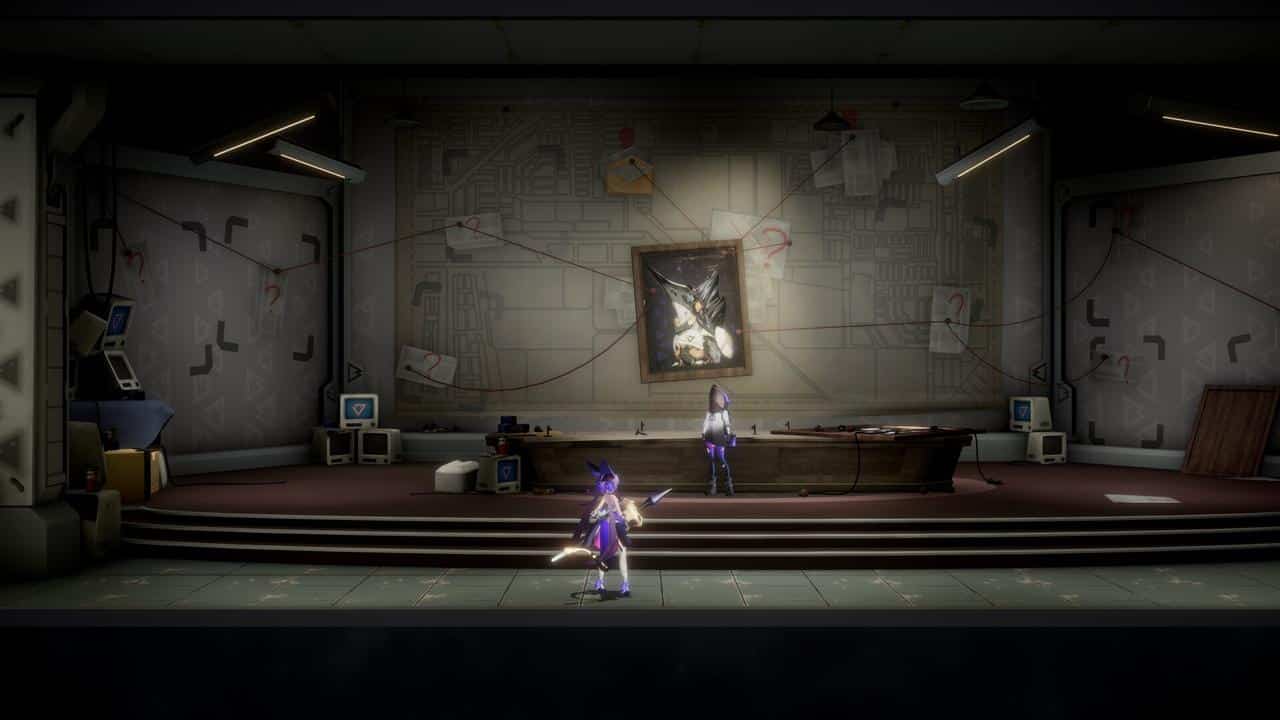
Kotama and Academy Citadel is at its best when you’re fighting. Combat is fast, enemies are aggressive, and you don’t have much room for mistakes. Even basic enemies can take you out in just a few hits, so paying attention to positioning, timing, and weapon choice matters right away. This isn’t a game where you can mash your way through encounters and clean things up later.

You have three main weapons to work with, each filling a different role. The Umbrella Spear is more defensive and works well for countering and controlling space. The Whip Hammer trades safety for reach and damage, making it great for crowd control and heavier hits. The Liquid Blade sits between the two, offering speed and flexibility. Switching weapons during fights isn’t just encouraged, it’s expected, especially once encounters start stacking multiple enemy types together.
The core of combat revolves around building up Chronofluid on enemies and then detonating it with heavy attacks. Doing this staggers foes, opens them up for big damage, and gives you some breathing room in tougher fights. Parrying ties directly into this loop, rewarding clean reads instead of panic dodging. Once you get comfortable with the timing, fights start to feel more controlled rather than chaotic.
Healing is where the game really pushes you to play well. You can restore health at any time, but it costs currency. That same currency is also used for upgrades and equipment, so every heal is a small decision. Rely too much on it, and you’ll feel underpowered later. Play clean, and you’re rewarded with faster progress and stronger tools. Boss fights lean heavily on this balance, asking you to learn patterns instead of brute-forcing your way through.

Exploration That Rewards Commitment
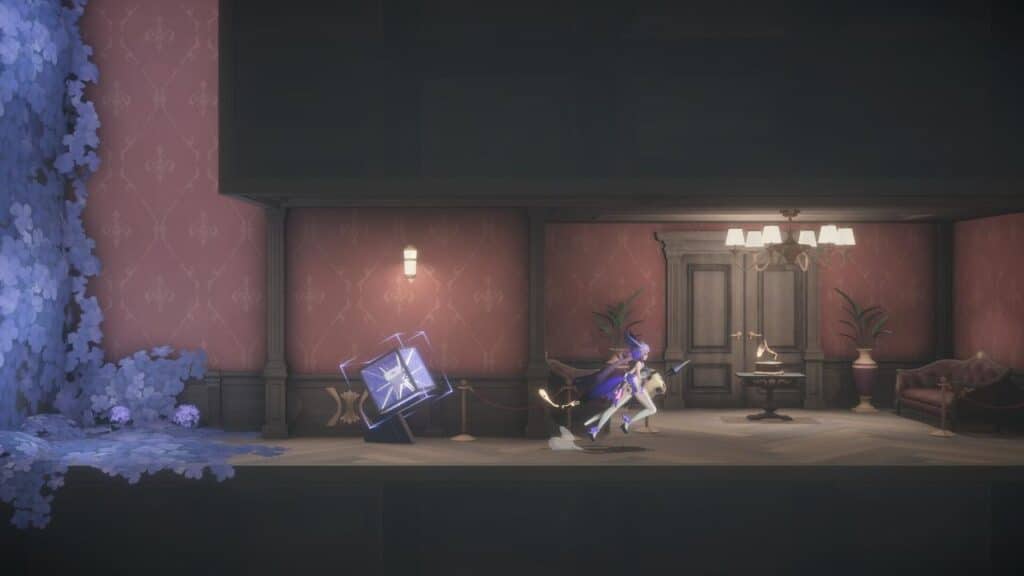
Exploration follows familiar metroidvania beats, but it’s paced well. New movement abilities open up vertical routes, hidden rooms, and shortcuts that make backtracking worthwhile. The academy is easy to read, helped by a clear map and a central hub you can return to at any time. Optional paths often lead to upgrades, side objectives, or votes, giving you reasons to wander without losing track of where you’re going.
Time also plays a role in how you explore. Moving between rooms advances it, which can change enemy strength, encounters, and access to certain events. You can rewind when needed, but pushing forward comes with risks and rewards. It adds another layer to planning routes without turning exploration into a chore.
Once you get a handle on the combat, fights become more controlled instead of messy. You start reacting to enemy attacks instead of scrambling, and moving through the academy feels more deliberate the longer you play. When it comes together, it’s the kind of metroidvania where you keep going because each encounter feels manageable and satisfying, not because you’re waiting on the next unlock.
A Look That Never Blends In
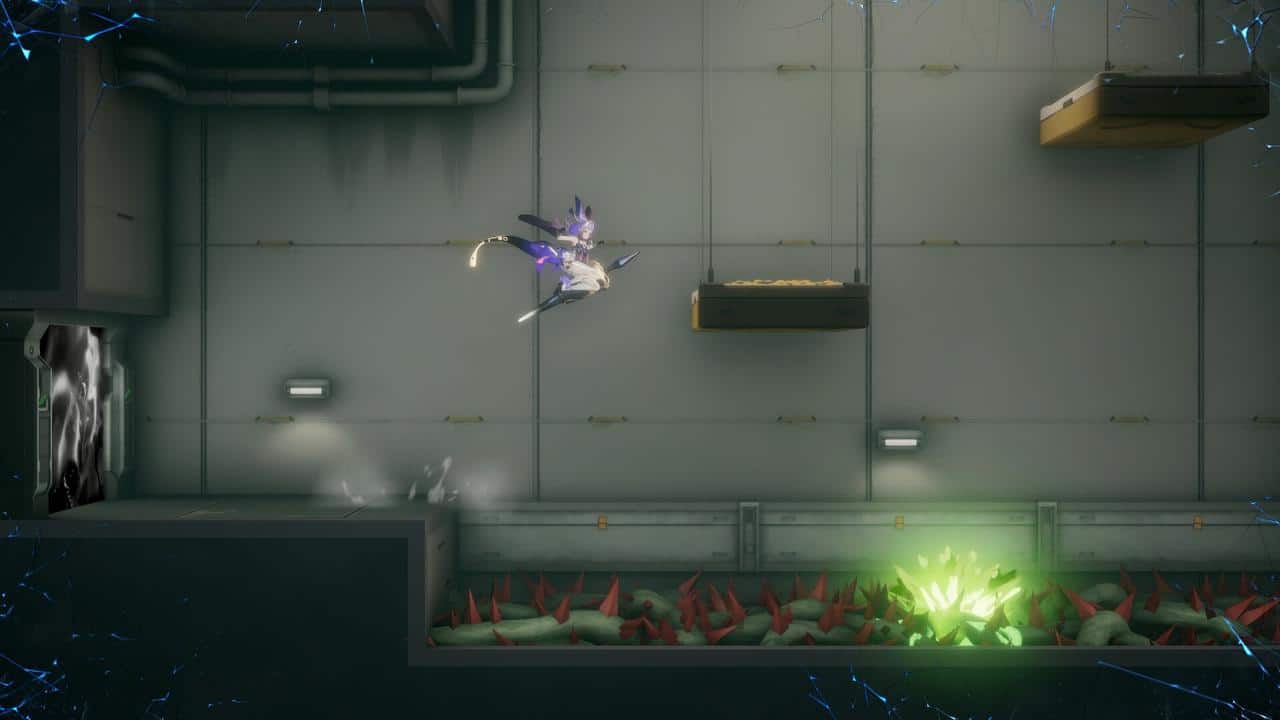
Kotama and Academy Citadel looks sharp the whole way through. Each part of the academy has its own vibe, so you’re not spending the whole game running through rooms that all look the same. When you backtrack, you still get that “oh yeah, I remember this place” feeling, which helps a lot in a metroidvania.

The character art goes all-in on anime style. During conversations, character portraits are fully animated and expressive, even for side characters you only see briefly. The designs can also get pretty revealing at times. If that isn’t your thing, you’ll notice it right away.
In motion, the game holds up. Kotama’s animations are lively, attacks are easy to follow, and effects in fights look flashy without turning the screen into a mess. That matters here, because enemies can delete your health fast and you need to see what’s coming.
Performance isn’t consistent everywhere, and there are a few spots where you may notice stutters or brief frame drops. It didn’t ruin my time with it, but it’s something you’ll notice if you’re sensitive to that stuff.
Kotama and Academy Citadel Makes You Learn as You Go
Kotama and Academy Citadel is a game that asks you to meet it halfway. Combat hits hard, mistakes add up quickly, and you’re expected to learn how enemies behave instead of forcing your way through fights. Once you start reacting instead of scrambling, the game opens up and becomes a lot more enjoyable to play.
Exploration stays interesting thanks to the academy layout and how often you’re encouraged to poke into side paths. You’re rarely just moving forward for the sake of it. There’s usually something useful to find, whether that’s an upgrade, a shortcut, or another vote toward the Carmel Star.
It isn’t clean across the board. Some mechanics could be explained better, a few technical hiccups show up, and the story doesn’t always connect its ideas clearly. The anime presentation is also very upfront, so you’ll know pretty quickly whether that part works for you or not.
If you like metroidvanias that expect you to pay attention, switch up your approach, and improve through play rather than hand-holding, Kotama and Academy Citadel is easy to sink a lot of time into. It’s demanding in spots, but it gives you enough room to learn and settle in as you go.
Kotama and Academy Citadel



Summary
Kotama and Academy Citadel is fun once you stop trying to brute-force it. Enemies hit hard, healing costs money, and fights make more sense when you start switching weapons and reacting instead of rushing in. The academy is a good map to move through, with lots of side paths that feel worth checking out. It’s rough in spots, and the story doesn’t push itself to the front, but if you like metroidvanias where getting better comes from playing smarter, it’s easy to stick with.
As always, remember to follow us on our social media platforms (e.g., Threads, X (Twitter), Bluesky, YouTube, and Facebook) to stay up-to-date with the latest news. This website contains affiliate links. We may receive a commission when you click on these links and make a purchase, at no extra cost to you. We are an independent site, and the opinions expressed here are our own.