


Defence was the first part of Madden NFL 27 that changed the way I approached a game. EA’s annual NFL simulation still puts you in control of every snap. This year, I didn’t have to fight my own coverage as often. Defenders handled their zones more consistently, especially when receivers crossed into their area.
The quicker pre-snap controls reinforce that improvement. I could change coverage with fewer button presses. Reading the offence became the focus instead of remembering a longer control sequence. Madden NFL 27 still produces questionable AI decisions and awkward interactions. Even so, the football is more dependable than it was in Madden NFL 26.

That was enough to make me more positive about this year’s game before I even got into what Franchise changes off the field. Franchise fans and anyone returning after skipping a recent Madden have the clearest reason to come back. Annual buyers who mainly play Superstar or Ultimate Team have a closer decision.
Franchise Defines Madden NFL 27’s Mode Changes
Madden NFL 27 doesn’t have a traditional story campaign, so Franchise provides most of the long-term context. The Persona Engine connects an athlete’s role, contract, and future with the team to Persona DNA that can influence reactions over the season. Holdouts and trade demands can emerge from those relationships, which makes roster management more than a numbers exercise.
I liked having reasons to look past ratings when deciding who to keep. A contract can create another issue later, and Free Agent Frenzy makes offseason negotiations compete for your attention instead of resolving one signing at a time. They can return after you leave the contract screen.
Computer-controlled clubs show more awareness of roster needs, yet some moves still don’t match the team involved. That gap is noticeable because the rest of Franchise creates better continuity from week to week. Coach Mode suits anyone who prefers calling plays and handling the roster over controlling every snap. You choose the play and watch the team carry it out.
Superstar Connects Road to Glory to the NFL
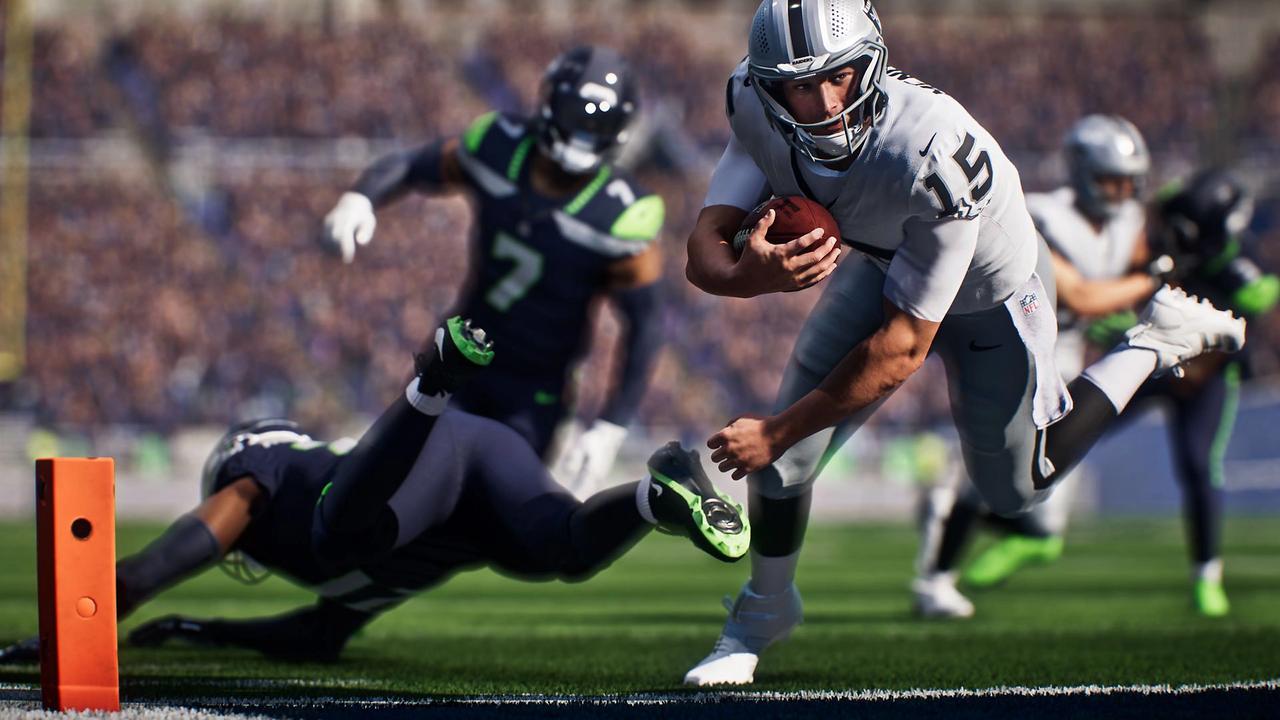
Superstar has a better entry point for EA Sports College Football 27 fans because a Road to Glory character can continue into Madden NFL 27. The NFL career begins with that college background already established instead of treating Superstar like a completely separate beginning. Branching progression then lets you decide how the character develops over time.

I liked that continuity because the move from college to the NFL feels like one career rather than two unrelated modes. Even with that improvement, Superstar didn’t change my view of Madden NFL 27 as much as Franchise did. The career has more direction, and the carryover matters if you’ve already built a Road to Glory character. For Madden fans who mainly play Superstar, it is a noticeable addition. It just isn’t as substantial as what Franchise brings this year.
Ultimate Team Extends Card Progression
Ultimate Team’s Evos are the change I found most interesting in the mode. Eligible cards can follow branching upgrade paths, so a favourite card can stay in your lineup longer as the roster develops. That changes how you think about upgrades if you already enjoy building a team over time.
You have more reason to keep developing a card you like instead of treating every upgrade as a replacement. The larger Ultimate Team structure hasn’t changed in the same way. It still centres on collecting cards, building a roster, and real-money currency. Evos change progression inside that structure rather than replacing it. If collecting cards or monetization has kept you away from Ultimate Team before, Madden NFL 27 doesn’t change enough here to alter that decision.
Better Defence Changes Every Possession
Defence is where Madden NFL 27 improves the football most. Zone defenders track receivers entering their responsibility more consistently, and linebackers react more logically as a play develops. I trusted the coverage around me more often because fewer snaps were ruined by an obvious computer-controlled mistake.
Pre-snap control is easier to use in the middle of a game. Coverage adjustments take fewer button presses, so changing a zone or preparing for a receiving threat happens before the play clock becomes part of the problem. That speed made me focus on reading the offence instead of remembering a longer control sequence.
Timing-based catching adds another decision when a pass arrives. A well-timed button press can improve the chance of securing a difficult reception, but classic catching remains available if you prefer the older approach. I liked having direct control at the catch point without being forced to use the new timing option.
Rushing also benefits from better computer-controlled decisions. Ball carriers choose lanes with more awareness, and ratings create noticeable differences between athletes. When those choices work, a play develops without immediately reminding you that the computer is making decisions behind the scenes.

Not every snap holds together. Blocking assignments can behave inconsistently, and athlete collisions can produce awkward results that interrupt an otherwise believable play. Madden NFL 27 reduces the number of obvious mistakes I saw around the football, but it hasn’t removed them.
The change from Madden NFL 26 is easiest to understand here. Defence no longer seems like the side of the ball you simply hope will behave. You have more control before the snap, and teammates are more likely to follow the assignment you called.
Weather and Broadcast Details Separate One Week From the Next
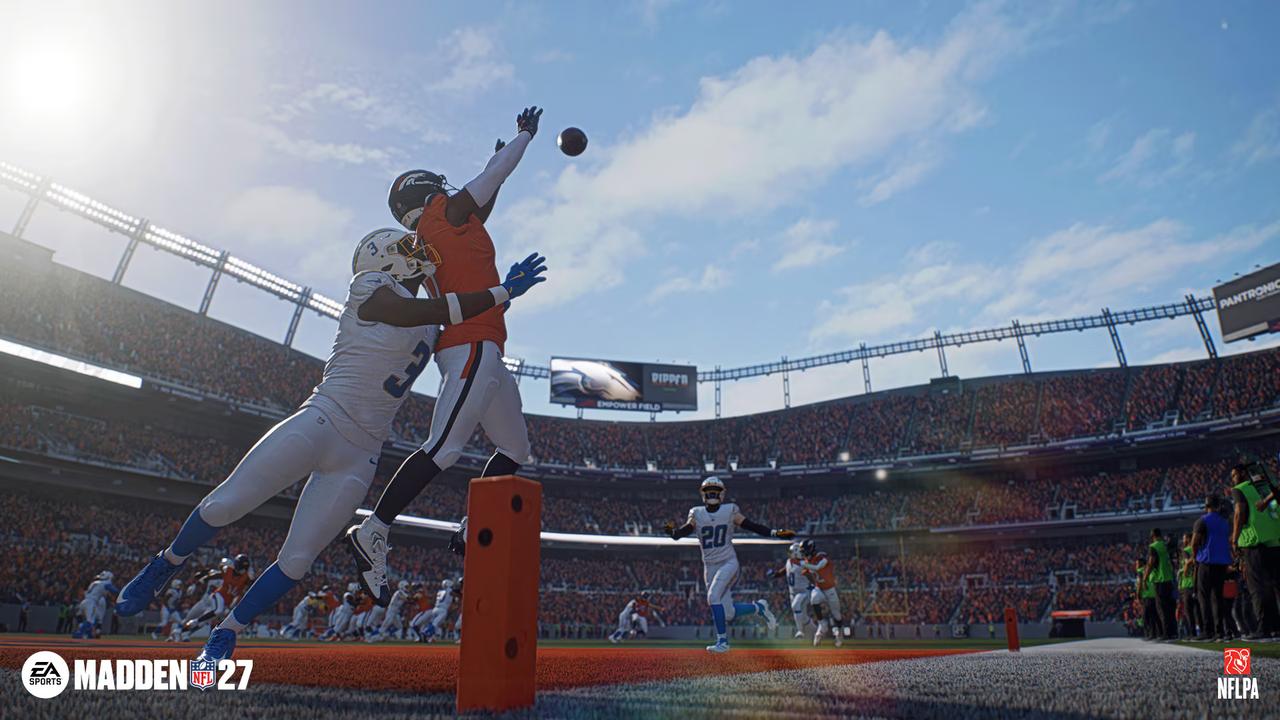
Madden NFL 27 does a better job of making a long NFL season look different from game to game. Lighting shifts with kickoff time, and Dynamic Weather can alter conditions after play begins. Those changes make an afternoon game look different from a later kickoff without needing a dramatic visual trick.
On XBOX Series X, stadiums benefit from that lighting along with improved crowd and field detail throughout games. Team traditions also add identity to individual venues. I liked that the location and time of a game were easier to recognise before the scoreboard told me where I was.
The broadcast pays more attention to what is happening around the league. Weekly and halftime coverage can reflect developments beyond the current drive, which connects Franchise games to the season around them. Holiday weeks bring their own broadcast treatment for Halloween, Thanksgiving, and Christmas.
That extra context has more value across Franchise because the schedule no longer looks identical from September through the end of the year. A change in weather, lighting, or broadcast treatment can separate one week from the next without interrupting the football.
There are still misses. Commentary can fail to acknowledge an obvious situation, and some on-field graphics don’t match the quality of the rest of the broadcast. I also saw occasional clipping and awkward athlete interactions on XBOX Series X. None of those issues dominated my time with the game, but they are noticeable when the rest of the broadcast looks so much better.
The presentation doesn’t need to announce every improvement. Its best work happens when the season changes around you and the broadcast responds without calling attention to itself.
Madden NFL 27 Is a Better Season for Franchise Fans
Madden NFL 27 makes the most sense for people who devote most of their Madden year to Franchise. Better defensive behaviour affects almost every possession, and roster decisions carry consequences beyond the menu where they start. Those two changes shaped my time with the game more than any individual addition.


That doesn’t mean every annual Madden buyer needs to move on from Madden NFL 26. Superstar has a useful Road to Glory connection, and Ultimate Team has new card progression options, but neither changed my view of the game as much as Franchise or the football itself. If those are your main modes, the difference is smaller.
Returning Madden fans have an easier decision. The case is simpler if your last Madden is older than Madden NFL 26. Several years of changes become visible at once instead of being judged against the previous release. The game still carries familiar problems, but the gap from an older Madden is easier to see.
My main hesitation comes from the computer-controlled decisions that still break the illusion. A questionable roster move can weaken Franchise, and an odd collision or blocking mistake can spoil a play that otherwise develops correctly. Madden NFL 27 is better at keeping those problems from defining every game, not eliminating them.
For me, the deciding factor is how often the improvements return. Defence matters on every drive, and Franchise keeps roster decisions active across an entire season. Madden NFL 27 doesn’t need a reinvention to make those changes count. If Franchise is where you put most of your Madden time, this is the version I’d move to. If you buy Madden annually for Superstar or Ultimate Team, there’s less here that changes the experience in the same way.
Madden NFL 27
Summary
Madden NFL 27 brings back Franchise, Superstar, Ultimate Team, and the on-field football at the centre of the series. Better defensive behaviour, quicker pre-snap adjustments, and deeper Franchise management make this year’s game more dependable, even with lingering blocking, collision, AI, and commentary issues. Franchise fans and anyone returning after skipping a recent Madden will notice the biggest difference.
As always, remember to follow us on our social media platforms (e.g., Threads, X (Twitter), Bluesky, YouTube, and Facebook) to stay up-to-date with the latest news. This website contains affiliate links. We may receive a commission when you click on these links and make a purchase, at no extra cost to you. We are an independent site, and the opinions expressed here are our own.