


Marvel teaming up with Arc System Works is one of those announcements that makes you stop and think, yeah, that actually sounds cool. It also feels a bit unreal until you finally get your hands on it. I jumped into the second MARVEL Tōkon: Fighting Souls beta wanting to see how that mix would play out. A few matches in, it was clear the game doesn’t show its real face right away. You’ve got to give it a little time before things click.
My early matches were rough. I missed inputs, got caught by strings I did not see coming, and wondered if the combat was going to remain surface-level. A little later, something finally clicked. I tagged Storm into a combo at the exact moment I meant to, and the follow-up spilled out cleanly. It was the first time I felt like I was steering the action instead of reacting to whatever was coming at me.
That was the moment I realized the game has a rhythm to it. You just don’t see it right away, and the beta only shows part of what’s really going on.
First Steps Into the Fight
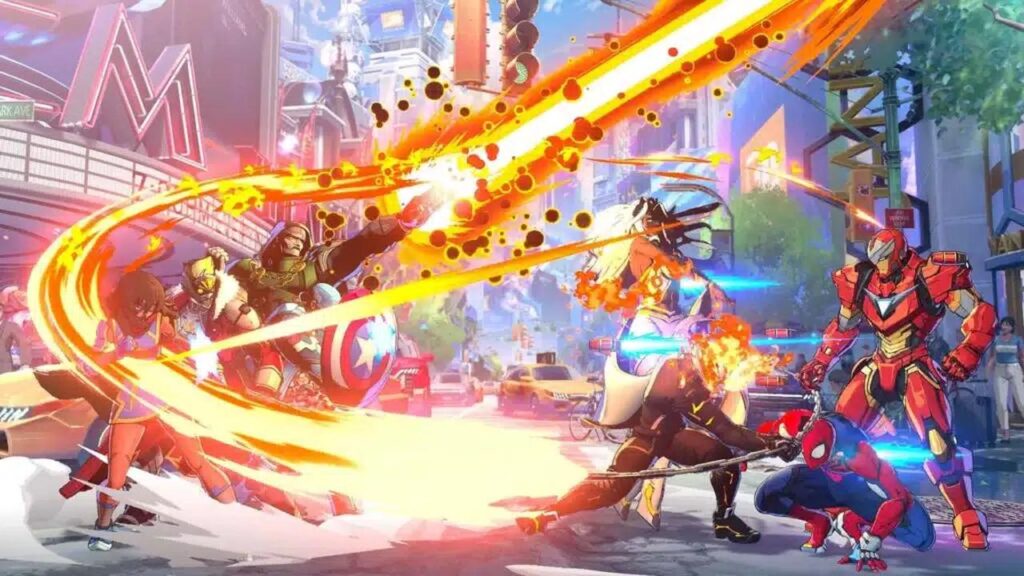
MARVEL Tōkon has a snappy feel once you settle into how fast everything moves. Characters jump into attacks instantly, so the first few rounds come at you quick. Early on, I was basically hitting buttons just to stay alive. Tag-ins, effects, and quick hits were flying across the screen, and I honestly wasn’t sure if I was the one driving the match or just hanging on.
After a handful of rounds, things settled. I started noticing when to push forward, when to block, and how often a single decision could swing momentum. That first successful tag I landed earlier kept replaying in my mind because it proved the game reacts well when you meet it halfway. It rewards the moment when you stop guessing and start choosing.
It still took time to read what opponents were doing, but the beta made it clear the game has a foundation that can grow.
Trying Out the Four-Fighter System
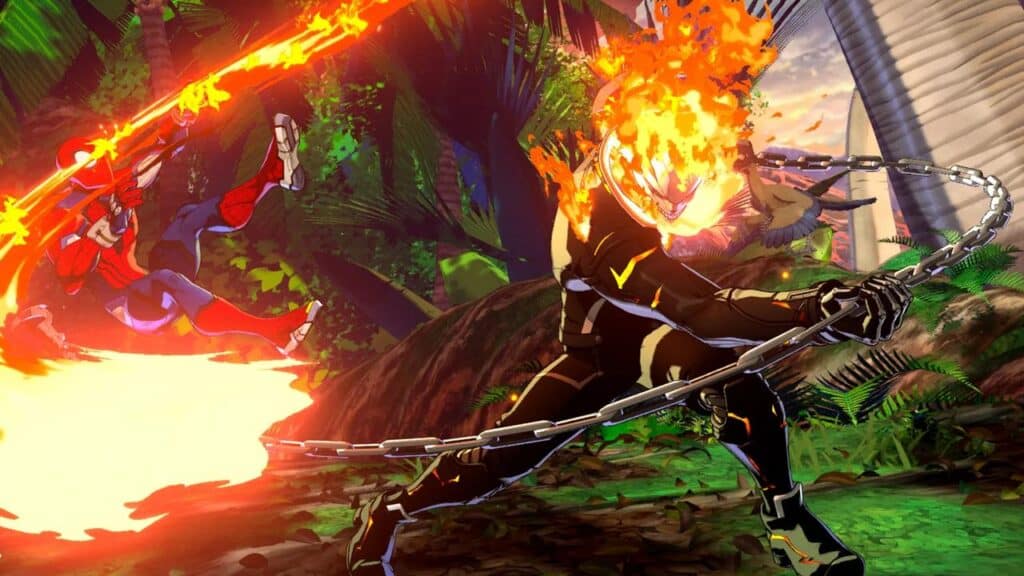
Going in, the idea of managing four characters sounded overwhelming. Once I formed a team I liked, it became easier than I expected. Storm led most of my matches, but I kept rotating between Ghost Rider, Captain America, and Doctor Doom to see how different combinations changed the feel of each round.
Switching mid-combo is not automatic. Sometimes it looks smooth, and other times it drops without warning. Even so, landing a clean handoff between characters felt great. Those moments encouraged me to experiment instead of sticking to a single comfort pick.
Tokon gives you the freedom to play one character the entire match if you want. The game does not punish you for it. But after a while, I found myself swapping more often because it opened up possibilities that were not obvious at first. It became clear that team movement is a big part of the game’s long-term appeal.
Where the Beta Shows Its Limits
The beta definitely had a few things holding it back. The biggest one for me was the missing training mode. The tutorial gives you the basics, but after that, you’re pretty much tossed into matches to figure things out yourself. I spent a bunch of rounds trying to learn timing and routes on the fly, and you could tell everyone else was doing the exact same thing.
Matchmaking worked some of the time, but other sessions felt slow or mismatched. I had rounds where the pacing felt balanced and others where I barely had time to react. It made testing ideas a challenge because the flow changed from match to match.
There were also times when swaps came out later than expected, which made it harder to keep momentum during a round. Add the strength of auto combos on top of that, and it was easy to feel stuck between experimenting and getting overwhelmed.
Final Thoughts on the MARVEL Tōkon: Fighting Souls Beta
Even with the bumps, I kept queuing for another match. Once you understand the basics, MARVEL Tōkon starts to feel exciting. Characters have more depth than the beta initially reveals, and the four-fighter system hints at strategies that will only show up when people have more time to learn.
I walked away feeling optimistic. The game looks great, plays with confidence, and gives you a sense that there is more waiting underneath the surface. It will need refinement and better tools to help newcomers, but the potential is clear.
I am looking forward to seeing how the next test shapes the final version.
As always, remember to follow us on our social media platforms (e.g., Threads, X (Twitter), Bluesky, YouTube, and Facebook) to stay up-to-date with the latest news. This website contains affiliate links. We may receive a commission when you click on these links and make a purchase, at no extra cost to you. We are an independent site, and the opinions expressed here are our own.