


It’s been a long road to get the entire handheld library of the Blue Bomber onto modern hardware. The Mega Man Star Force Legacy Collection arrival is the final piece of that puzzle. For years, these games were tucked away on the Nintendo DS, often overshadowed by the legacy of the GBA era.
These games are finally gathered in one place with all the usual Capcom extras. It’s clear this trilogy deserved more than being a footnote in history. You’re getting a massive amount of story here, even if the middle chapter drags its feet a little.
A Story About Connections in a Digital World
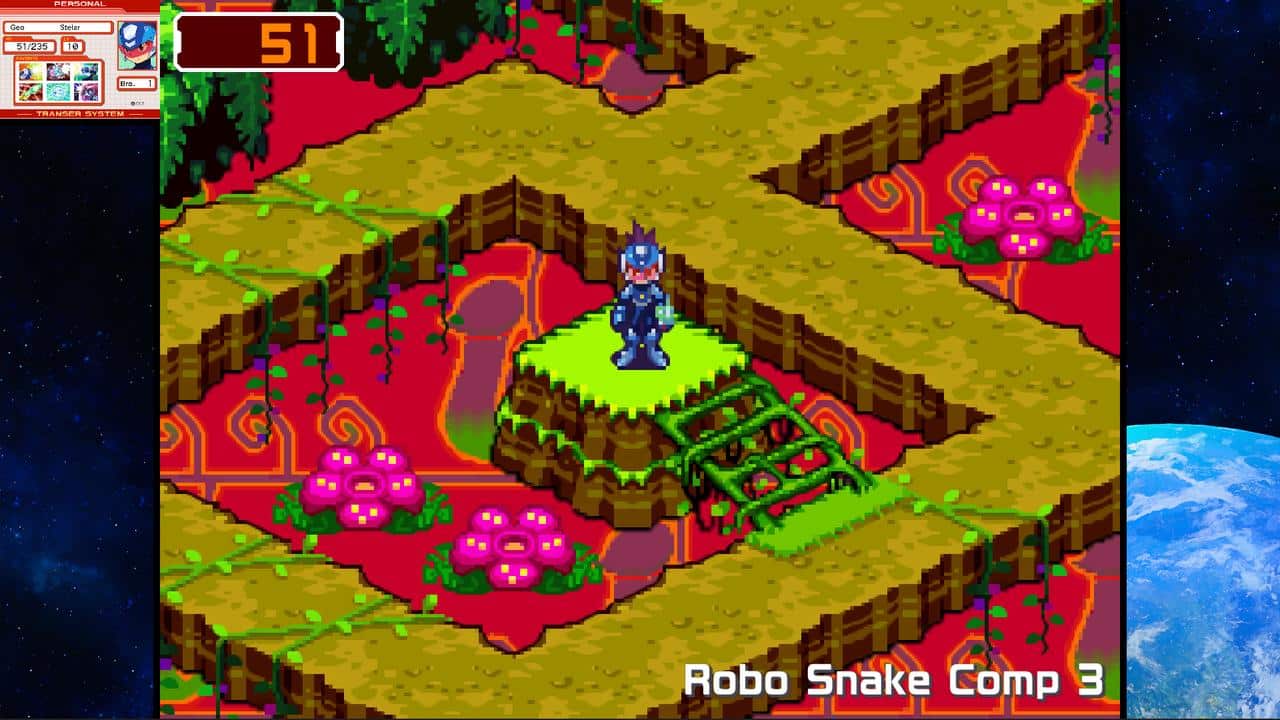
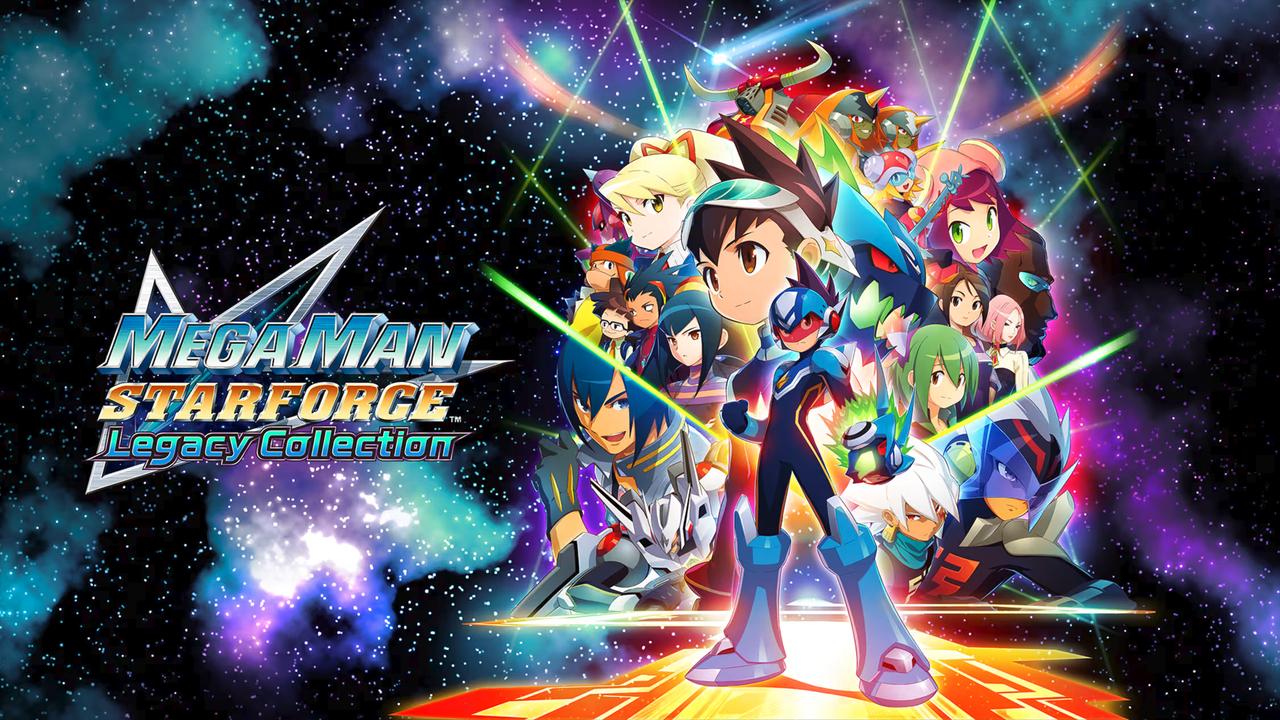
The narrative follows Geo Stelar, a fifth-grader who has spent years avoiding the world after his father vanished during a space mission. Everything’s changing now that an alien named Omega-Xis crashed into his life. He offers a way to merge and become Mega Man. Instead of jumping into computer ports like the previous series in the Mega Man Battle Network Legacy Collection, you use a special Visualizer to see EM waves that permeate the environment. These waves form a secondary world where you travel across rooftops and through whirlpools to reach new areas.
What makes this trilogy hit home’s the focus on human bonds. The BrotherBand system isn’t just a way to get stat boosts. It’s baked into the plot as a way for Geo to slowly learn to trust people again. You meet a cast of characters who are also dealing with their own insecurities. Seeing those relationships grow over the three games provides the collection a unified arc that few other RPG series manage. It’s a grounded story wrapped in a sci-fi shell, and it works because it treats Geo’s grief with genuine respect.
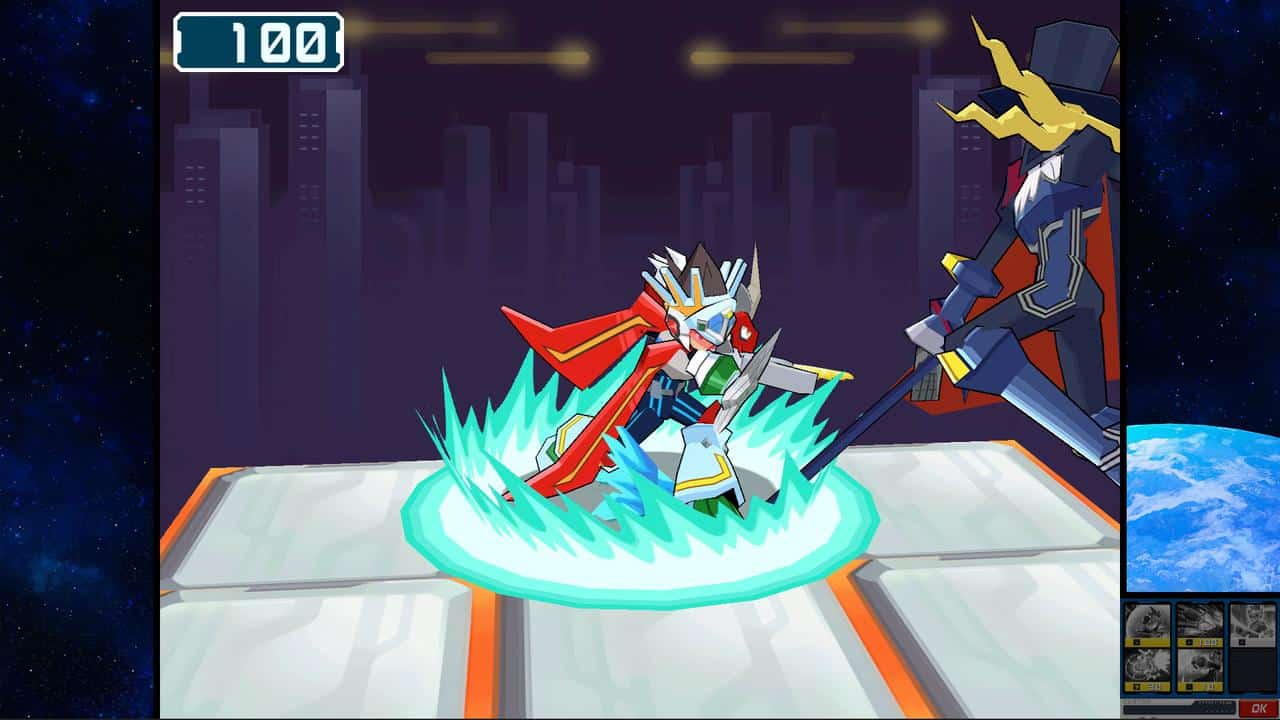
Combat From a New Perspective
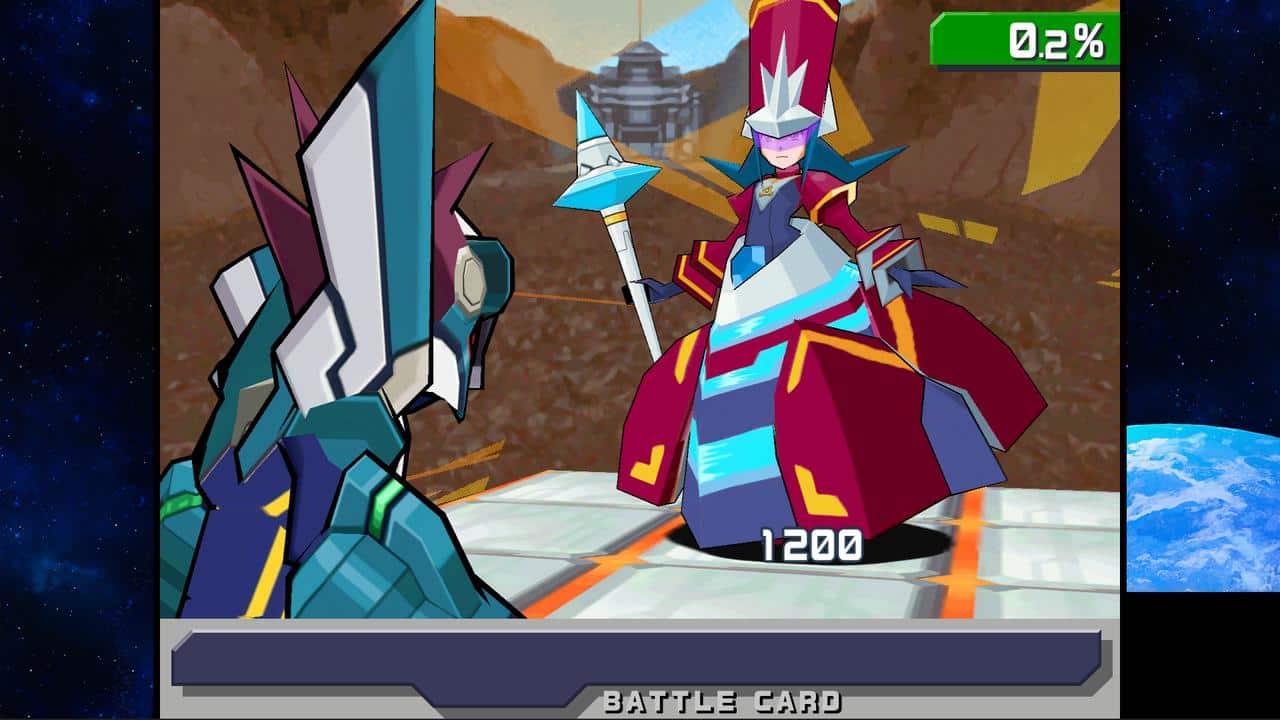
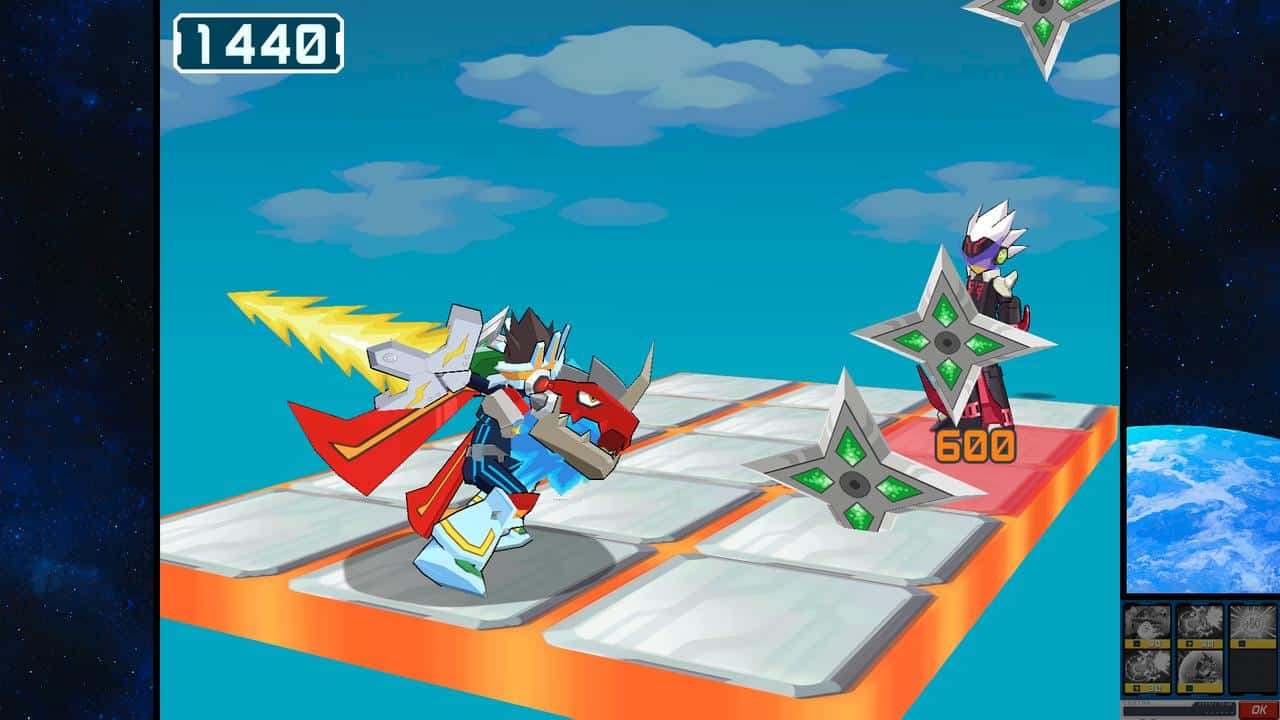
When you run into viruses, the view shifts to a behind-the-back 3D perspective. If you’re coming from the older GBA titles found in the Mega Man Legacy Collection, the combat will take a moment to get used to. Instead of a large grid, you’re restricted to a three-square horizontal line. You move left or right to dodge, but your primary focus is on timing your shield and unleashing Battle Cards. You draw these cards at the start of each round. They give you weapons like swords, cannons, and elemental strikes to delete your enemies.
The way the combat works evolves significantly across the three games. The first game keeps things simple, while the second introduces various forms for Mega Man to take. It isn’t until the third game, with its Noise gameplay mechanic, that the combat really hits its stride. This feature rewards you for being aggressive. Filling a gauge that transforms you into powerful new versions and grants access to devastating cards. The Buster Max mode’s available to turn your basic shots into massive damage dealers. It’s a great way to push through some of the more repetitive random encounters.
The Challenges of a Trilogy
While having all versions of the games in one place is fantastic, playing them back-to-back shows you exactly where the trilogy’s momentum takes a hit. The first and third games are high points, offering tight storytelling and meaningful upgrades. The second game, however, often reads as though it’s on a treadmill. I found myself doing a lot of backtracking where the encounter rate is frustratingly high. It’s the middle-child syndrome in full effect, and while it isn’t a bad game, it definitely lacks the spark found in the other two.

Capcom included several quality-of-life tools to help with these rougher patches. Beyond the damage buffs, you can increase your rewards or guarantee an escape from battles you don’t want to fight. These options are vital because the games were built for a handheld audience that might only play for twenty minutes at a time. On a larger screen, the repetition is more obvious. Having the ability to speed things up ensures you stay focused on the story beats rather than getting bogged down in the grind.
Bringing the Dual Screens to One
Converting Nintendo DS games to a single display is always a hurdle, but the implementation here’s smart. The original games lived on the top screen while the bottom screen handled your inventory, cards, and maps. In this collection, you toggle between the screens with a button press or have the secondary screen sit off to the side. It sounds like a small detail, but it keeps the flow of exploration intact without making you read as though you’re missing out on important information.
The visual filters come with some clear trade-offs depending on the screen you’re playing on. You can choose to keep the original pixelated look or use a high-resolution filter that softens everything. While that look makes the 3D battles read cleaner on a TV, it can sometimes make the 2D overworld art look as though it’s a mobile port. Sticking with the original graphics usually provides the most authentic experience, especially since the character art and Battle Card illustrations are beautifully preserved in the included galleries.
Mega Man Star Force Legacy Collection Is the Blue Bomber’s Most Emotional Chapter
Capcom did more than just dump these games onto a new platform. They restored art, cleaned up the audio, and made sure the online features for trading and battling were ready for a new generation. The Star Force trilogy’s always lived in the shadow of what came before it, but this collection proves it has a soul of its own. The second entry is a bit of a slog, and the random encounter rate will test your patience.
However, the story of Geo Stelar’s worth seeing through to the end. The combat is fast, the deck-building’s complex, and the Buster Max options make it more accessible than ever. Whether you’re a returning fan or someone who missed the Nintendo DS era entirely, this is a massive package that respects the history of the franchise while making it playable for the modern day. It’s a heartfelt reminder that even a hero made of waves and data needs a friend sometimes.
Mega Man Star Force Legacy Collection
Summary
The Mega Man Star Force Legacy Collection’s a massive package that treats Geo Stelar’s story with the respect it deserves. The second game’s a grind, but the fast combat and Noise transformations in the final entry make the trilogy worth seeing through to the end. The transition’s a win for you thanks to the accessible Buster Max tools.
As always, remember to follow us on our social media platforms (e.g., Threads, X (Twitter), Bluesky, YouTube, and Facebook) to stay up-to-date with the latest news. This website contains affiliate links. We may receive a commission when you click on these links and make a purchase, at no extra cost to you. We are an independent site, and the opinions expressed here are our own.