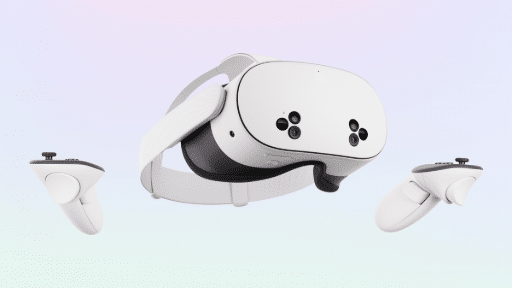



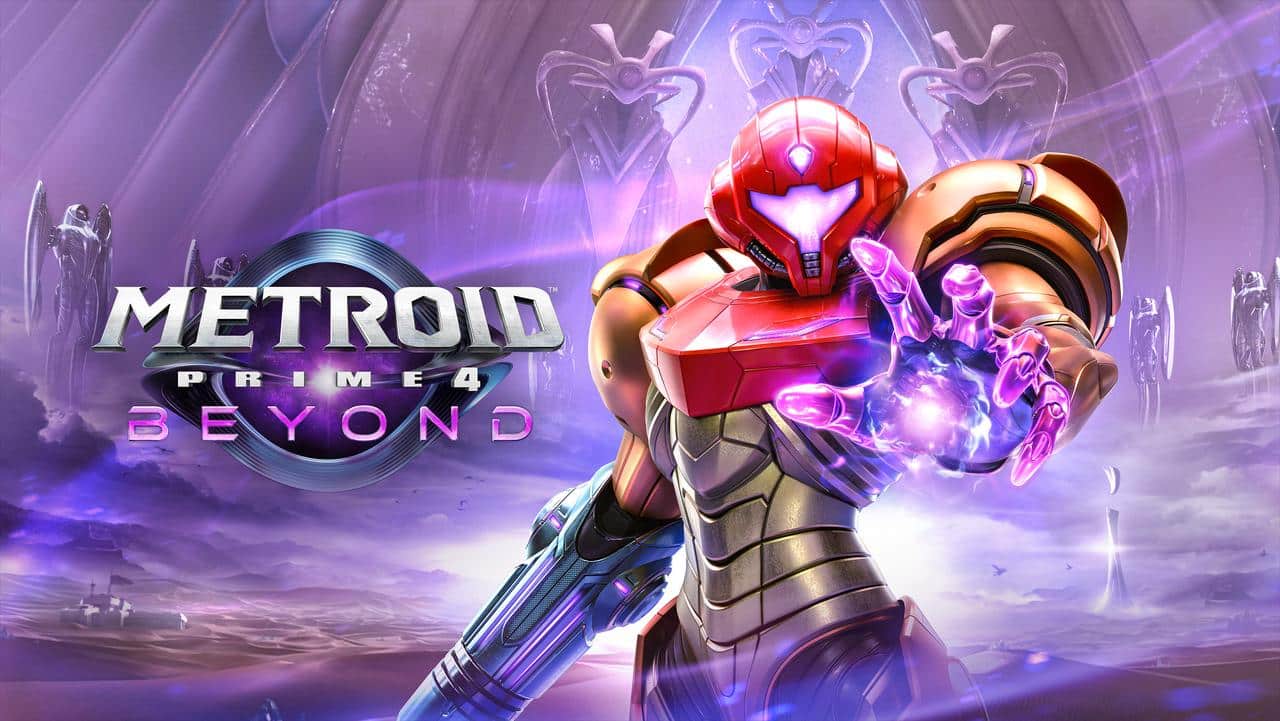
Metroid Prime 4: Beyond has been a long time coming, and finally sitting down with it felt almost unreal. This journey started back when Nintendo first announced Metroid Prime 4 for the Nintendo Switch at E3 2017. Years passed, development restarted in 2019 under Retro Studios, and the game resurfaced in 2024 with its full title. That long timeline gave the release a different kind of weight. You can sense all of that history the moment the game starts.
When I began playing, there was that familiar spark from the older Metroid Prime games mixed with curiosity about how everything would run on new hardware. It only took a few minutes for the game to settle in. The opening drops you into a world that feels larger, sharper, and far more reactive than anything the earlier entries attempted. Scanning, moving, and reading the environment clicked fast and reminded me why the wait felt worth it.

What stood out early was how natural everything feels. Viewros feels huge the second you start moving, and those tiny touches like drifting light or distant objects coming into view do a lot of the heavy lifting in pulling you deeper in. Metroid Prime 4: Beyond does not just revisit what the series did years ago. It feels like Samus stepping into a new chapter that respects the past while giving her room to grow.
Viewros Sets the Stage
Metroid Prime 4: Beyond opens with Samus Aran right in the middle of the action. She joins a Galactic Federation strike team during an intense fight on Tanamaar, and things go sideways fast. A strange artifact activates during the clash with Sylux and the entire group is pulled across space. When Samus wakes up alone on Viewros, the quiet hits immediately. You can tell this planet is going to test you long before the first objective pops up.
Viewros is built around distinct regions that all feel like they are hiding something. Fury Green leans into warm light and dense plant life. Volt Forge throws you into buzzing machinery and rapid shifts in brightness. Ice Belt cools everything down with long frozen tunnels and surfaces that look like they could crack under your boots. Every area carries signs of the Lamorn, an alien race tied to the planet’s past, and uncovering their history becomes part of the draw.
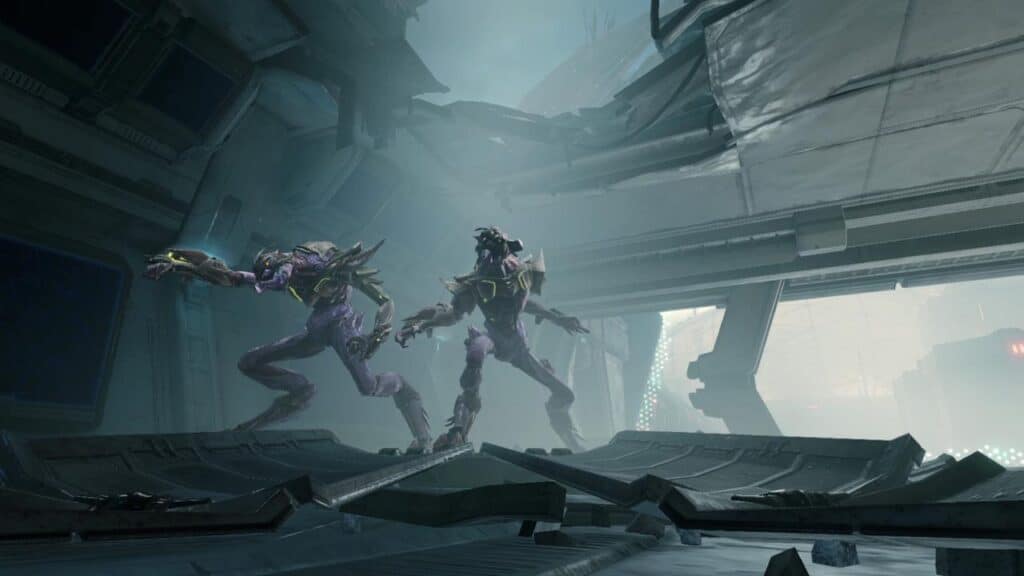
The story itself moves at a steady clip. Sylux remains a threat in the background, and the Lamorn storyline drops hints in logs, devices, and environmental clues. It never feels heavy. The game trusts you to take things in at your own pace, which fits the series well. I had a moment early on where I stepped into a clearing in Fury Green and the light cut through the trees in a way that made me stop. It was the first time the world really clicked for me and a reminder of how strong Metroid Prime’s atmosphere can be when it holds back just enough.
Metroid Prime 4: Beyond does not overload the narrative. It gives you just enough mystery to keep you curious while letting the planet do most of the talking.

Action and Exploration Working Together
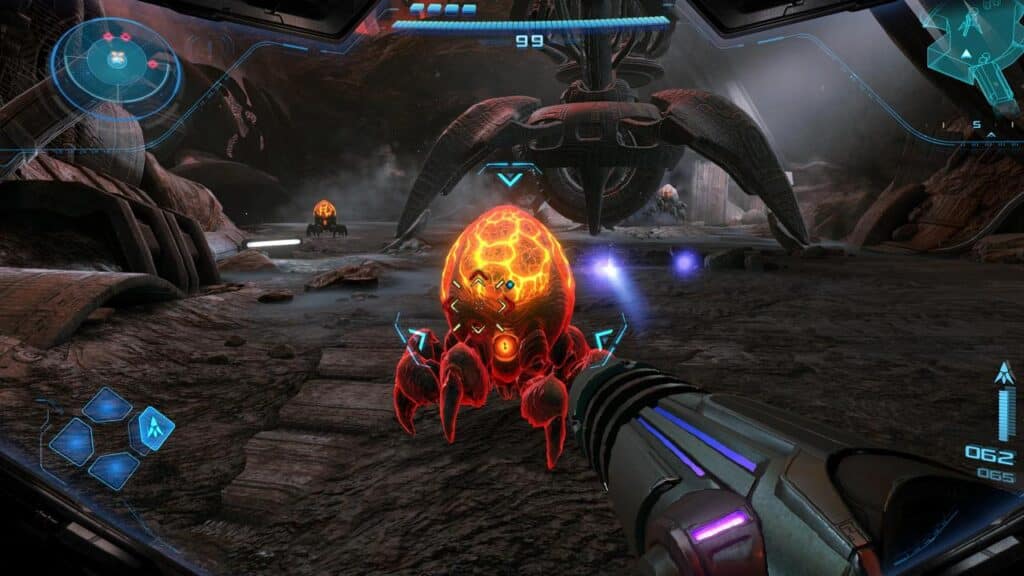
Metroid Prime 4: Beyond settles into a steady groove quicker than I expected. The moment you start moving, you can feel how much Retro Studios tightened things up for Nintendo Switch 2. Aiming feels clean right away, and the Joy-Con 2 mouse-style option helps a lot when lining up weak points or threading shots through tight spaces. Movement stays smooth, and the opening rooms give you time to get comfortable without rushing you forward. Before long, that classic Prime loop kicks in where you scan, read the space, and react to whatever the room throws at you.
Combat blends into that rhythm naturally. Most encounters start with a quick scan or a fast check of your surroundings, then shift into movement and elemental shot management. Fire, Ice, and Thunder shots all have their uses, and switching between them becomes muscle memory. Fights rarely drag. Even small skirmishes feel active, and the stronger enemies push you to read patterns and adjust angles. I had a few moments where I backed into a corner, caught the opening, and threaded a shot right where it needed to land. The game rewards that kind of quick thinking.
How Metroid Prime 4: Beyond Builds Its Gameplay Loop
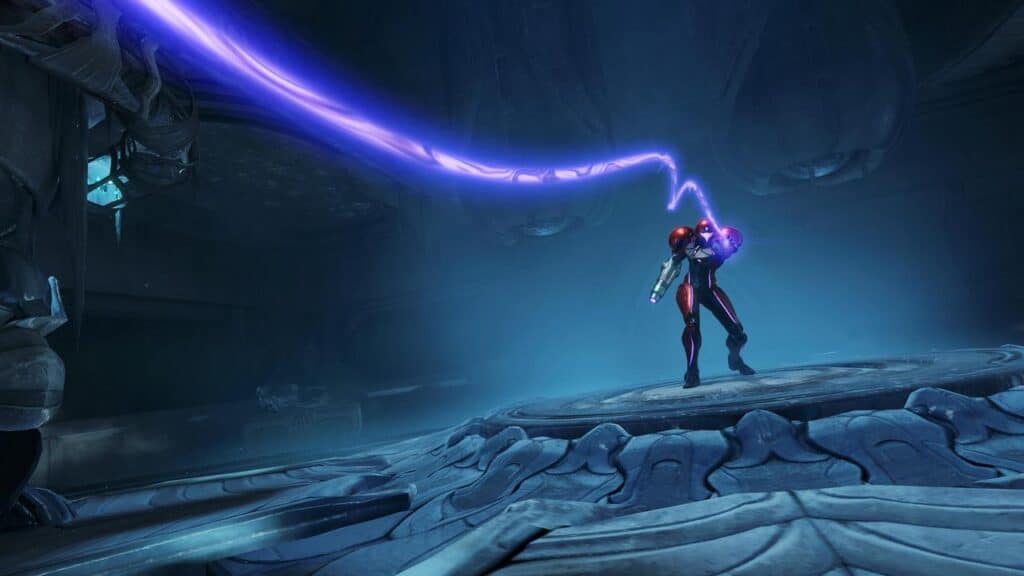
Exploration is where Metroid Prime 4: Beyond really settles into itself. Every region on Viewros starts with simple routes, then gradually expands as you unlock more tools. The new psychic abilities are a big part of that. You might pull something from across a room, line up energy between devices, or twist a mechanism that first looked decorative. None of it feels out of place. It just changes how you read the world as you return to earlier areas. One moment that stuck with me happened when I revisited a small corner I barely noticed the first time. Once I had the right upgrade, it opened into a path that had been hiding in plain sight, and it felt great to realize the game was waiting for me to catch it on my own.
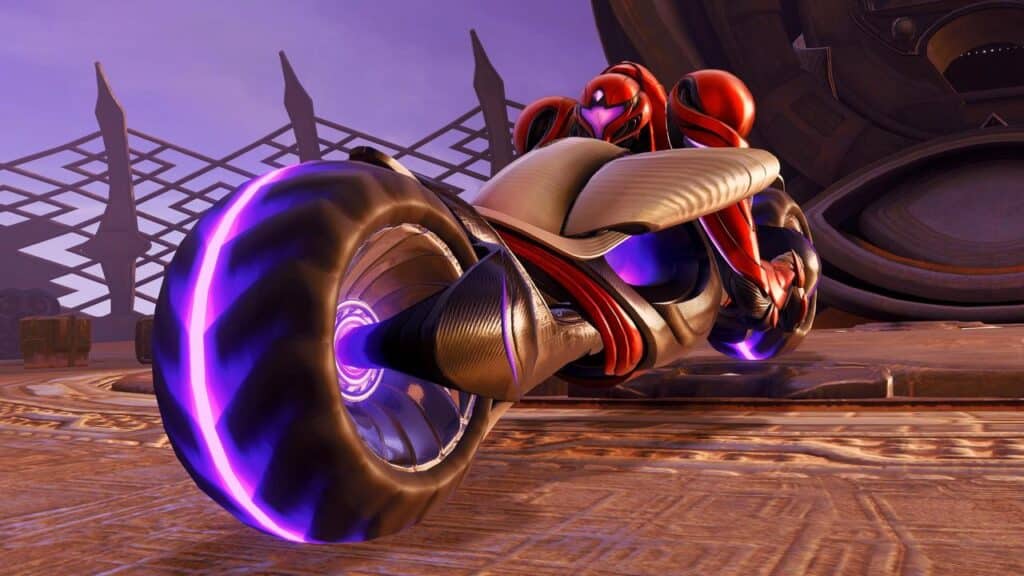
Vi-O-La, the bike built by the Lamorn, gives the game a very different rhythm whenever you step into Sol Valley. The space is huge, far bigger than the tighter indoor zones, and the bike makes crossing it feel smooth instead of slow. Steering feels light, and firing while riding keeps the ride from turning into a straight line. The valley looks empty at first, but there are plenty of reasons to slow down. Crystals, shrines, and small structures kept pulling me off track in a good way. The biggest surprise is how much it helps with backtracking. Moving between objectives is quick enough that revisiting spots never feels like a chore.
Boss battles tie everything together. They challenge timing, movement, and the psychic abilities you pick up along the way. The designs look like they belong on Viewros, and the attacks are readable even when things heat up. A few fights had me adjusting on the fly, but they always felt fair. These encounters break up the exploration with strong moments of tension and give the journey a nice rhythm.
Prime 4 Nails Its Look and Feel
Metroid Prime 4: Beyond looks better than I expected. Viewros has this layered look where the lighting shifts as you move, and it gives each hallway and open space its own mood. Some spots glow with warm colours. Some zones take on colder, metallic lighting. The way Samus’ suit reacts to the light hit me right away, especially when moving through tight corridors. It’s a small thing, but it really shows how well the game runs.
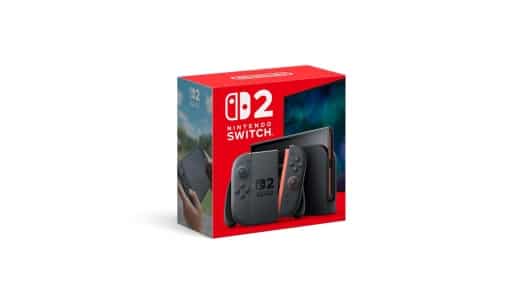
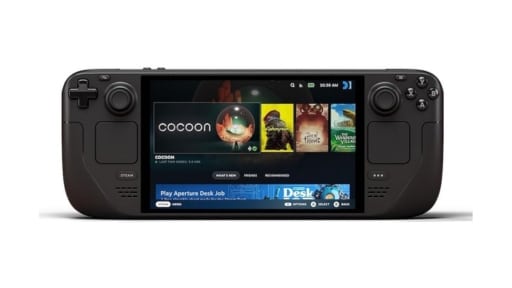
Retro Studios makes good use of the Nintendo Switch 2’s power. Quality Mode pushes 4K at 60 frames per second when docked, and handheld hits 1080p at the same framerate. Performance Mode doubles the framerate to 120 frames per second, dropping the resolution a bit to keep things smooth. I flipped between the modes more than once, and both felt solid. The higher framerate makes aiming feel extra responsive, but the sharper image in Quality Mode looks great during slower exploration. It is nice having a real choice instead of one option that clearly overshadows the other.

What stood out most is how each biome handles atmosphere. Fury Green feels warmer and fuller, almost like it is pressing in from every angle. Volt Forge uses brighter flashes and machine noise to set the pace. Ice Belt goes in the opposite direction with quiet rooms and colder reflections. The audio ties all of this together. Footsteps change, machinery hums, and distant echoes build tension without shouting for attention. It all worked on me more than I expected. I kept scanning objects just to hear how the sound shifted when the room opened up.
Overall, the presentation feels confident. Nothing tries too hard. It just builds a world that pulls you in the longer you stay there.

Metroid Prime 4 Beyond Sets Up Something Bigger
Metroid Prime 4: Beyond left me thinking about it for days after beating it. The game feels like it was built by a team that understands what made the earlier Prime entries stick, but also knows when to push things forward. Viewros has a way of settling in your mind once you’ve been through its biomes, and the mix of tight action and slower searching gives the whole adventure a steady rhythm that’s easy to sink into.
What surprised me most is how naturally the familiar and new ideas work together. The psychic tools feel like they were always part of Samus’ kit. The bike shifts the pace without breaking anything. Even the slower moments work. I kept pausing to check out rooms or tiny details that felt a bit strange, but interesting. That curiosity pushed me forward more than anything.
I walked away feeling like this chapter sets the stage for something bigger. It answers enough to feel complete, but it also leaves a few threads that make you wonder what comes next. And honestly, that’s part of what makes Metroid exciting in the first place. If this is where the series is heading, I’m ready for whatever Retro has planned after Viewros.
Metroid Prime 4: Beyond
Summary
Metroid Prime 4: Beyond mixes familiar ideas with a few new touches that give the series a different feel. The action stays sharp, the exploration hits a good rhythm, and Viewros leaves a strong impression. Some moments feel more directed than expected, but the game keeps its pace and stays fun throughout.
As always, remember to follow us on our social media platforms (e.g., Threads, X (Twitter), Bluesky, YouTube, and Facebook) to stay up-to-date with the latest news. This website contains affiliate links. We may receive a commission when you click on these links and make a purchase, at no extra cost to you. We are an independent site, and the opinions expressed here are our own.