


Some Metroidvanias grab you right away. Others take a bit of time, asking you to slow down, look around, and figure things out as you go. MIO: Memories In Orbit sits firmly in that second group, and it’s better for it.
At first, it feels familiar. You’re dropped into a quiet, broken world with very little direction, left to move forward one step at a time and see what works. A small character in a massive space, paths that clearly lead somewhere but not quite yet, and a lot of trial and error as you start to understand how everything connects. If you’ve spent time with the genre, the setup will feel instantly recognizable.

What makes MIO work is how comfortable it is letting you sit in that uncertainty. It doesn’t rush to explain itself or push you along. Instead, it lets the world do the talking. You start to piece things together by moving through the environment, noticing patterns, and paying attention to what’s been left behind.
You play as MIO, an android exploring the remains of a massive structure known as the Vessel. Very little is spelled out at the beginning, and that’s clearly intentional. The story comes through slowly, shaped by where you go, what you find, and how the world reacts to you. It feels less like following a story and more like uncovering one.
As more of the game opens up, you start to see what MIO is really doing. Movement gets smoother, new abilities change how you look at areas you’ve already been through, and things that felt confusing early on begin to make sense. It’s the kind of game that rewards taking your time and paying attention instead of rushing ahead. Stick with it, and there’s a moment where everything clicks, not because the game tells you it should, but because you’ve learned how it works.
Finding Meaning in the Ruins
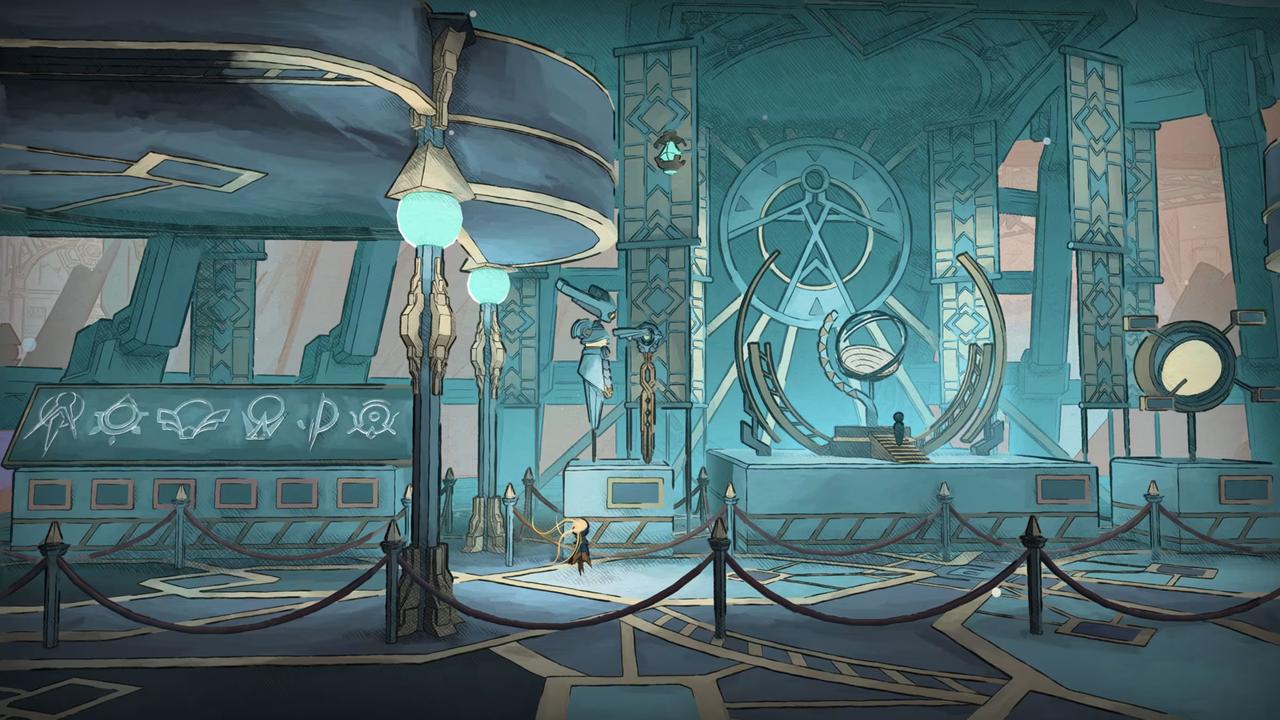
MIO doesn’t come out swinging with a big story dump, and that works in its favor. You’re dropped into the Vessel with very little context and left to figure things out as you go. Something clearly went wrong here, but the game never rushes to explain it. Instead, it lets you discover pieces of the past through exploration and small details scattered throughout the world.
You play as MIO, an android moving through what’s left of this massive structure drifting in space. The Vessel feels abandoned but not empty. Systems still run, machines still move, and traces of what used to exist are everywhere. As you push forward, you start to get a sense of what this place was meant to be and why it ended up the way it did, even if the full picture takes time to come together.

The game doesn’t stop you constantly to explain things. There aren’t long cutscenes or walls of dialogue. You pick up on what’s going on just by exploring and noticing how the world fits together. Most of what you learn comes from paying attention to your surroundings, the way areas connect, and the bits of information you uncover along the way. It’s the kind of storytelling that trusts you to notice things instead of spelling them out.
What works especially well is how closely the story is tied to exploration. Moving into new areas doesn’t just unlock gameplay opportunities, it also adds context to the world and your role in it. Each discovery builds on the last, making progress feel meaningful without slowing things down.
It’s not trying to hit you with big emotional moments, and that feels intentional. Instead, the story unfolds at its own pace and lets you settle into the world. By the time the larger ideas start to come into focus, it feels like something you figured out on your own rather than something the game pushed in front of you.
Playing, Learning, and Improving
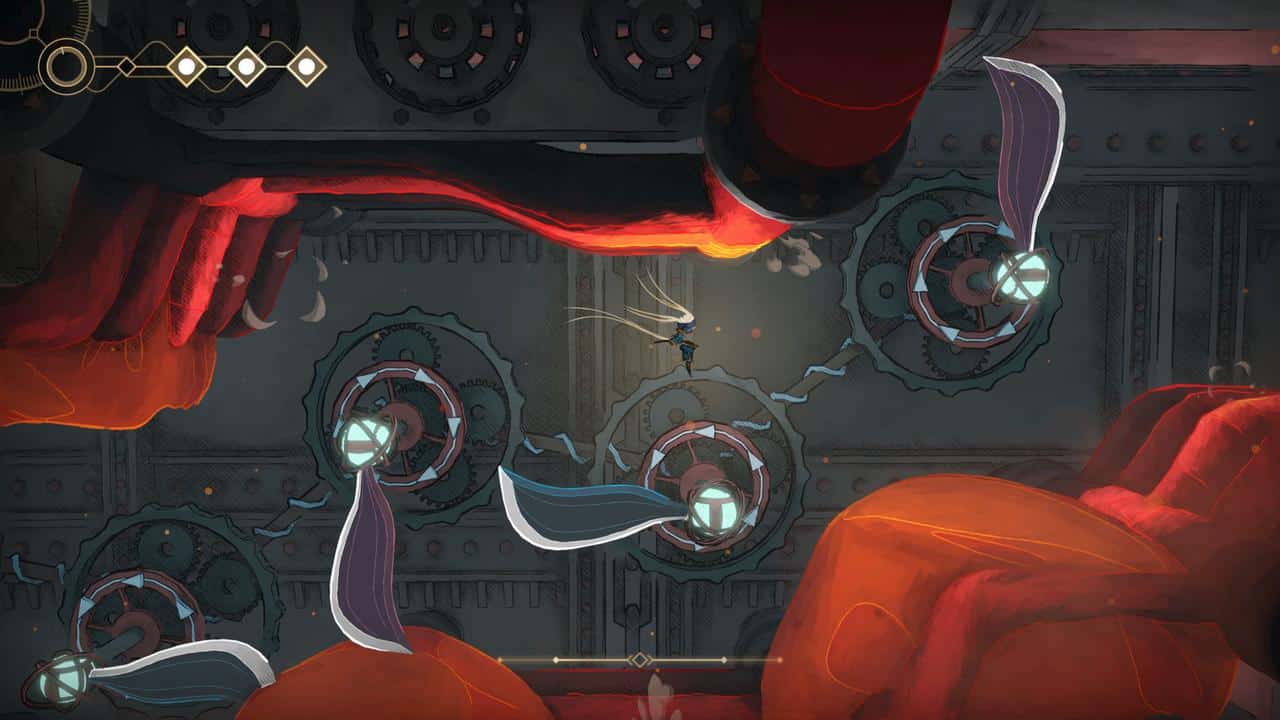
MIO feels good to play almost right away, and that’s what keeps you moving forward. Controls are responsive, and once you get comfortable with how MIO moves, everything starts to fall into place. Jumping, climbing, dashing, and grappling come together in a way that feels natural, especially once you begin linking actions without having to think about each input.
Exploration is where the game starts to come together. New abilities don’t just open doors, they change how you approach areas you’ve already seen. Spaces that felt awkward or out of reach early on begin to make sense later, and going back through them feels rewarding rather than repetitive. It’s the kind of map design that encourages poking around instead of rushing ahead.
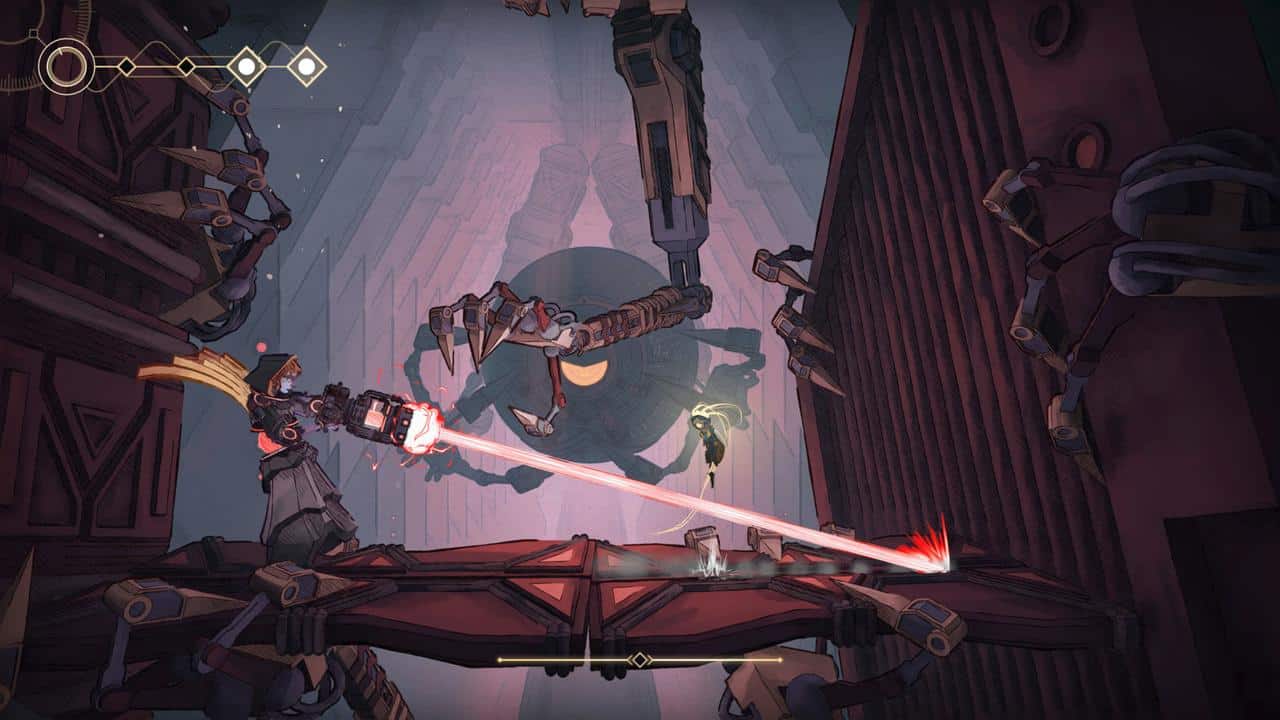
Combat leans more on timing and awareness than speed. You can’t just swing wildly and expect to get through encounters, especially as enemies become more aggressive. Most fights are about reading patterns, choosing when to commit, and knowing when to back off. Boss encounters take this further, asking you to stay focused and adapt as things change. When it clicks, it feels great. When it doesn’t, it’s usually clear what you need to adjust.
The upgrade system adds a welcome layer of flexibility. You can shift your setup depending on what you’re dealing with, whether that means focusing on survivability, movement, or damage. It encourages experimentation without locking you into a single playstyle, which helps when the difficulty starts to climb.

There are moments where the challenge spikes, especially during tighter platforming sections or later encounters. Some of these can be frustrating, but the game rarely leaves you stuck. There’s almost always another path to explore or something new to unlock before trying again.
Overall, MIO is the kind of game that gets better the more time you put into it. Once things start to click, the whole experience feels a lot more rewarding.
Art That Matches the Experience
MIO’s look hits you pretty quickly, but it’s not in a flashy way. The art style feels hand-crafted, with soft colours and rough edges that make the world feel worn down and tired in a believable way. The Vessel doesn’t look like a place built to be explored. It looks like a place that’s been left behind, and that works in the game’s favour.
Each area has its own feel without needing to spell it out. Some spaces are quiet and almost calm, while others feel cold or unstable, like they’re barely holding together. Even without much dialogue, you can tell what kind of place you’re in just by how it looks and sounds. That goes a long way in making the world feel consistent instead of like a collection of levels stitched together.
Animation helps sell everything too. MIO moves smoothly, and small details in the way the character jumps, lands, or shifts direction make movement feel grounded. Enemies are easy to read visually, which matters when timing is important and fights can turn against you quickly. You rarely feel confused about what just hit you or why.
The sound design does a good job of supporting what’s happening on screen without drawing attention away from it. Music stays fairly restrained most of the time, letting the mood of each area come through on its own, then picks up during tougher fights or key moments. It adds weight when it needs to, but never feels like it’s trying to take over the scene. Sound effects are clear and easy to read, which helps when you’re reacting quickly or lining up a jump or attack.
Nothing about the presentation feels like it’s trying to show off. Everything works together in a steady, understated way that fits the pace of the game. The longer you play, the more natural it all starts to feel, like the visuals and audio were designed to support how the game plays rather than stand out on their own.
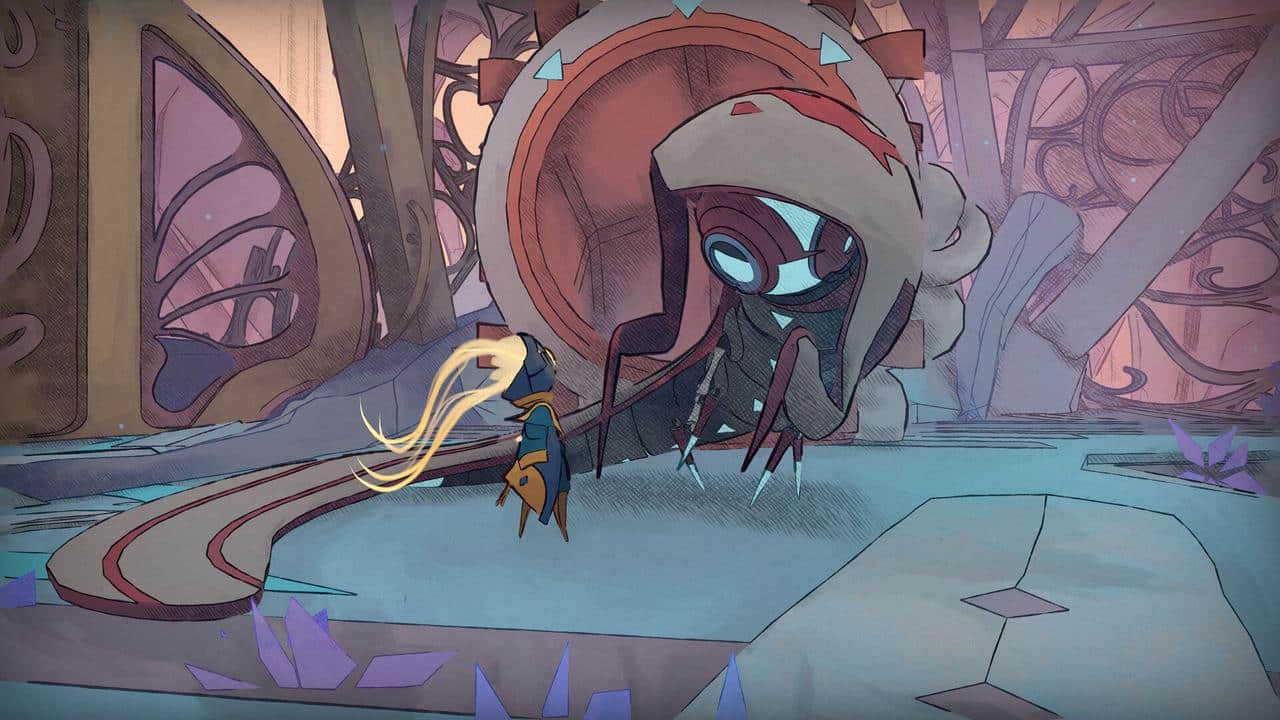
MIO: Memories In Orbit Is a Strong Metroidvania With a Few Rough Spots
MIO: Memories In Orbit is a strong example of how much mileage you can get out of careful design and a clear sense of direction. It doesn’t try to reinvent the genre, and it doesn’t need to. Instead, it focuses on doing the fundamentals well, then building on them in ways that feel thoughtful and deliberate.
MIO doesn’t quite reach the top tier of the genre, mostly because some sections work better than others. There are a few moments that repeat themselves, but it’s still easy to stay invested if you’re willing to take your time and let the game open up.


Where the game really finds its footing is in how everything starts to click the longer you stick with it. Movement feels better once you’re comfortable, the world opens up in a way that makes exploring feel worthwhile, and the overall vibe of the game settles in naturally. It’s the kind of experience that rewards taking your time, poking around, and figuring things out on your own rather than being told what to do.
If you enjoy Metroidvanias that focus on atmosphere, discovery, and learning through play, there is a lot to like here. It may not be the genre’s high point, but it delivers a confident, well-crafted experience that stays enjoyable the more time you spend with it.
MIO: Memories In Orbit
Summary
MIO: Memories In Orbit is a game that gets better the more you play it. It’s at its best when you’re exploring, unlocking new ways to move, and slowly figuring out how everything fits together. Some parts can feel uneven, and a few moments drag more than they should, but the core experience is strong enough to keep you going.
As always, remember to follow us on our social media platforms (e.g., Threads, X (Twitter), Bluesky, YouTube, and Facebook) to stay up-to-date with the latest news. This website contains affiliate links. We may receive a commission when you click on these links and make a purchase, at no extra cost to you. We are an independent site, and the opinions expressed here are our own.