


Mixtape is exactly the kind of emotional wringer I needed this year. The last night of high school isn’t just about a party. It’s that strange, lingering static that I remember all too well from my own final days. It’s that weird hostility between the friends who can’t wait to leave for something bigger and the ones who are terrified of staying behind. Stacey Rockford is living right in the centre of that conflict in the California town of Blue Moon Lagoon.
As she packs her bags to head to New York to become a Music Supervisor, she isn’t just packing clothes. She’s trying to figure out which parts of her identity are worth taking with her. Beethoven & Dinosaur didn’t just build a game where you watch this transition happen. They built an experience where you sit in those memories through a perfectly curated Walkman that dictates the flow of your night.



So, is this narrative adventure worth the investment? The short answer is yes. It’s a prime example of how music can turn a simple walk home into an epic journey. The game avoids the usual boredom that kills most narrative adventures by making every interaction count. Whether you’re causing trouble with your best friends or just sitting in a secret hideout, the game is real. It’s a project that clearly mattered to the people who created it. That passion translates into one of the most authentic stories about growing up that I’ve ever touched in a game. This game reminded me that the best reward is often a perfectly timed transition into a Joy Division track. It moves at a deliberate pace that lets the emotional moments hit exactly where they should.
A story of bad decisions and the shitty ritz
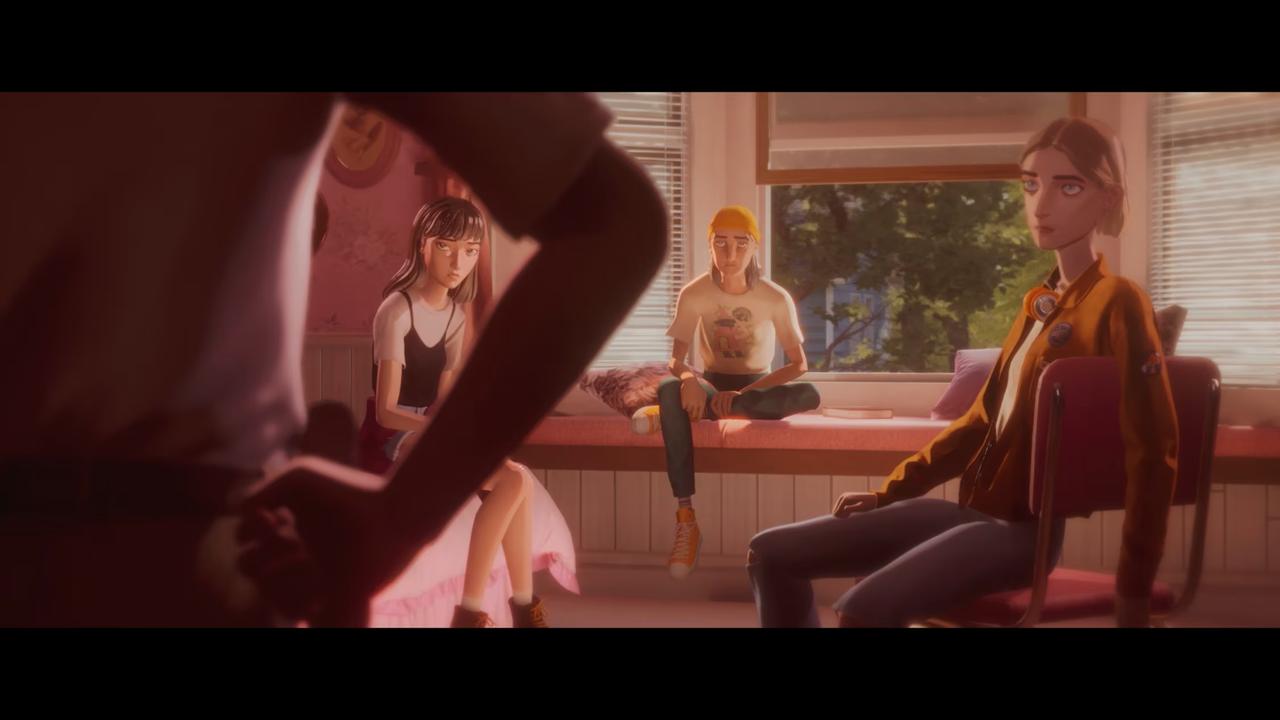
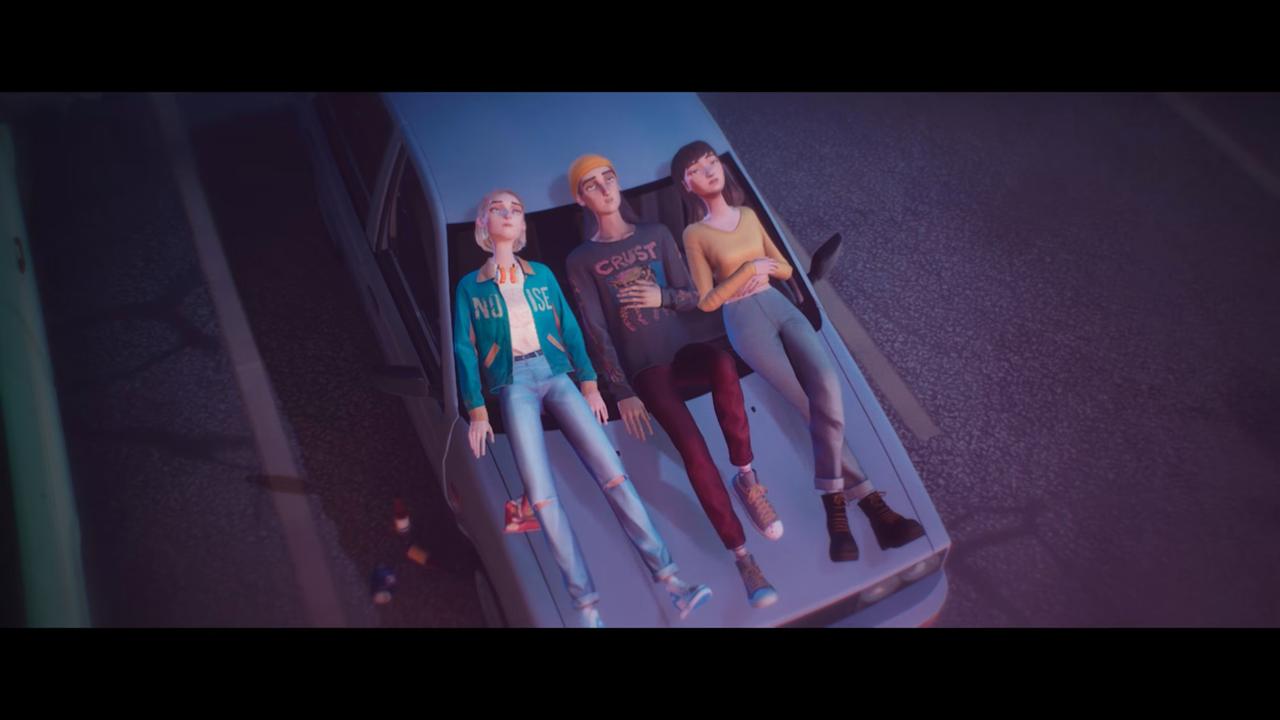
The trio at the heart of this story: Stacey Rockford, Cassandra Morino, and Van Slater: are written with a level of realism that sounds like a real group of friends. Van Slater is a particular favourite for me. His “shaka brah” drawl and laid-back attitude are the perfect foil to Rockford’s looming anxiety about the New York move. Cassandra Morino brings a realistic energy that keeps the group together when things get heavy. They spend a lot of their time in a garage hideout called The Shitty Ritz. It’s the kind of place every teenager has, a real mess of posters and bad furniture that is akin to the centre of the universe for a few years. What makes the story work is how it handles the impending move.
Most games would make the actual New York job the focus. Here, it’s just the shadow hanging over a night of great music and bad decisions. You move through Blue Moon Lagoon. Every corner of the town holds a memory that bleeds into the present. One minute you’re in Rockford’s room. The next, a song on the radio pulls you into a flashback. The dialogue is excellent. It becomes obvious that the character growth doesn’t happen through long-winded cutscenes.
It happens in the quiet moments between the tracks. It’s a deliberate pace that pays off by the time you reach Camille Cole’s Birthday Bash. You aren’t just watching these kids. You’re remembering what it was like to be them. This is a rare feat for any narrative game. It captures that bittersweet feeling of moving on perfectly. I found myself thinking about my own high school garage hangouts for hours after the credits rolled.
Interactive memories and shopping cart escapes
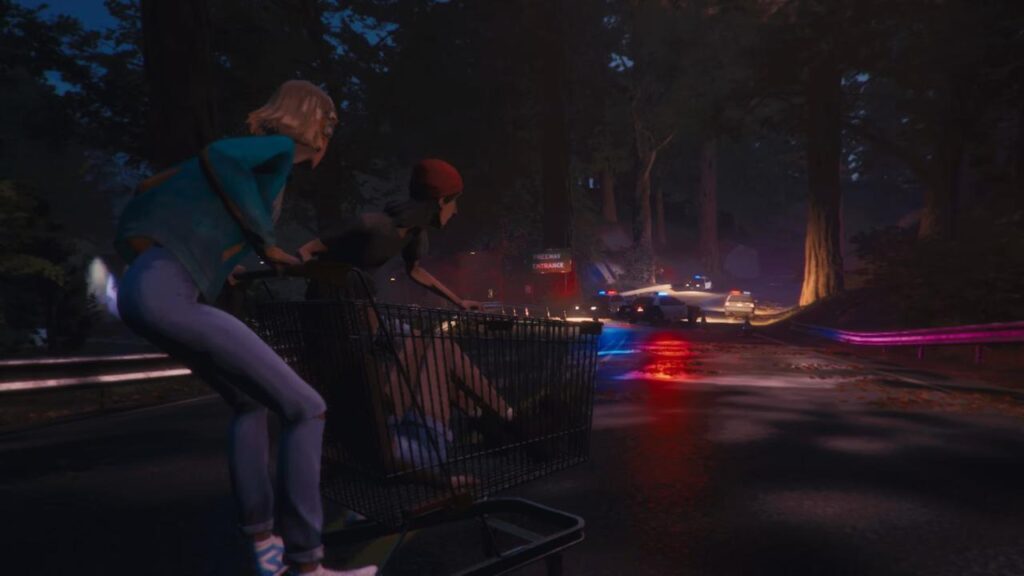
Gameplay in Mixtape is a collection of interactive vignettes that are all tied together by Rockford’s cassette player. You aren’t just walking from point A to point B. You’re interacting with the world to unlock the next track on the tape. One of the most frantic sequences involves a shopping cart chase. Rockford and Slater are pushing a drunken Cass to escape her father and a police helicopter. I completely lost the plot during my first attempt and crashed into a roadblock because I was distracted by a leaping dolphin. It transitions into a beautiful, unhinged moment where you launch off a pier alongside the sea life.
The mini-games are more than just distractions. Adjusting the angle and power of your throw skips the rock further to hit distant targets at the lake. The controls are responsive enough to make it feel like a genuine skill. I highly recommend not just spamming the button during these interactions; instead, look for the white outlines on objects in the environment. These indicate secondary dialogue triggers that give you much more context on Stacey’s family history and her relationship with her parents. Even knocking over VHS tapes in the video store has a tactile response.
You’ll find that inspecting objects is the primary way you uncover the history of Blue Moon Lagoon. Checking a specific poster triggers a dialogue exchange. Inspecting an object unlocks a memory and a new song for the mixtape, a simple routine that kept me hooked for the entire time. The variety in the gameplay means you never feel like you’re just going through the motions. You’re constantly discovering something new through skateboarding, graffiti tagging, or late-night pool hopping. It proves that narrative games don’t have to be passive.
The sounds of Blue Moon Lagoon
Beethoven & Dinosaur have a look that is immediately obvious. Mixtape is their most colourful work yet. Blue Moon Lagoon is bathed in a dreamlike light that makes the whole town look like a high-end music video. The character animations are expressive. You can see the shift in Stacey’s posture as the night goes on. The environments are packed with details from the 70s, 80s, and 90s. The neon signs in the hideout cast a realistic, dirty glow over the bad furniture. The handcrafted aesthetic moves beyond common visual trends.
Character models move at a stop-motion frame rate. This happens against hyper-saturated backgrounds that look like paintings. This creates a visual achievement that separates itself from every other game on the market right now. The way the light hits the trees looks real. The faces don’t look stiff or robotic. It’s a level of detail that is rare in this genre.
The soundtrack is the real star here. Featuring licensed tracks from artists like DEVO, Portishead, and The Smashing Pumpkins, the music isn’t just background sound filler. It is the engine of the game. Hearing That’s Good by DEVO kick in during a sequence changes the entire flow of the movement. The music creates a heavy vibe during the reflective moments. Tracks from Lush or Joy Division create a specific mood during the calmer stretches. Every song has been picked with surgical care. I found myself sitting in the menu just to let the tracks finish. It’s an absorbing experience from start to finish.
Mixtape captures the raw emotion of leaving your hometown behind
By the time you reach the end of Rockford’s mixtape, you’ve lived an entire lifetime in Blue Moon Lagoon. The game isn’t just a tribute to the 90s. It’s an exploration of how we use music to survive big transitions. The relationship between Stacey, Cass, and Van is one of the most honest portrayals of friendship I’ve seen in a game. It isn’t always pretty. It isn’t always easy. It’s always real.
The campaign moves at a purposeful pace that keeps you hooked without ever feeling like it drags. If you’re looking for a game that understands the power of a perfectly timed song, Mixtape is exactly what you need. It ends right when it needs to. It leaves you wanting to go back and find all the small interactions you missed.
There are 28 major licensed tracks and dozens of interactive vignettes to find. Whether you’re a fan of narrative adventures or just someone who loves a good playlist, this is a journey you need to take. Beethoven & Dinosaur have created a game that feels like a personal gift. It is for anyone who has ever been afraid to move on to the next stage of their life. It’s punchy. It’s loud. It is deeply emotional. I can’t recommend it enough for anyone looking for something that breaks away from typical genre conventions. Mixtape is a success of both style and substance. It is a game that I’ll be thinking about for the rest of the year. It proves that the developer knows exactly how to capture a mood and keep you inside of it until the final tape hiss.
Mixtape
Summary
Mixtape successfully translates the conflict of 90s adolescence into a gorgeous, handcrafted world backed by a legendary licensed soundtrack. The narrative pace is deliberate. This choice pays off by making every interactive vignette, from shopping cart escapes to skipping rocks, genuinely matter. If you’re looking for an engrossing, emotional journey with authentic characters, this is an absolute must-play that perfectly captures the bittersweet reality of moving on.
As always, remember to follow us on our social media platforms (e.g., Threads, X (Twitter), Bluesky, YouTube, and Facebook) to stay up-to-date with the latest news. This website contains affiliate links. We may receive a commission when you click on these links and make a purchase, at no extra cost to you. We are an independent site, and the opinions expressed here are our own.