



I’ve had a soft spot for Monster Hunter Stories ever since the first game. It took Monster Hunter’s usual hunt-and-carve formula and turned it into something warmer. Instead of chasing a Rathalos for parts, you hatch one, raise it, and bring it into battle. That change helped Monster Hunter Stories feel like its own thing right away. Monster Hunter Stories 3: Twisted Reflection builds on it with a bigger story, more distinct regions, and more to juggle once the world opens up.
This time, the story centres on a growing crisis between Azuria and Vermeil. Leo is caught in the middle as The Encroachment spreads and monsters turn feral. That setup gives the game more urgency than the earlier entries had. It also ties back into what you’re doing a lot more often. Raising Monsties, reading enemy patterns, clearing threats, and building your team all connect in a satisfying way. Monster Hunter Stories 3: Twisted Reflection doesn’t nail every part of that balance. Even so, it comes closer than this series ever has.




Azuria and Vermeil Give This Adventure More to Hold Onto
Monster Hunter Stories 3: Twisted Reflection opens with a stronger story setup than this series usually gets. You play as Leo, heir to Azuria and captain of its Rangers. Vermeil is being torn apart by The Encroachment, a crystallizing blight that wrecks the environment and drives monsters feral. Eleanor arrives from Vermeil as part of a tense attempt to cool things down between the two kingdoms. That effort falls apart almost right away when her own family turns on her. From there, the story folds its biggest threads together. Leo’s past, the two Rathalos, and the worsening crisis across both kingdoms all feed the same larger problem.
What I liked most is that the story doesn’t treat that setup as background dressing. Azuria and Vermeil are not just names on a map. Their conflict keeps showing up in character choices, party conversations, and the way people react to the crisis around them. That gives the cast more room than the series has had before, especially Leo and Eleanor. The companion stories help too. They let quieter character moments breathe without pulling the main plot off course. There’s still room for the series’ lighter side. It sits beside the larger conflict instead of cutting across it.
The political side doesn’t get as much room as I wanted. The opening and closing give that conflict real force. The middle stretch backs away from Azuria and Vermeil more than I wanted. Even so, this is the story in Monster Hunter Stories that held my attention the most from start to finish. It gives you a reason to care about the next destination beyond the next fight or the next egg. That helps the whole game stay more focused from one region to the next.
The Hunt, the Hatch, and the Cleanup All Feed Each Other
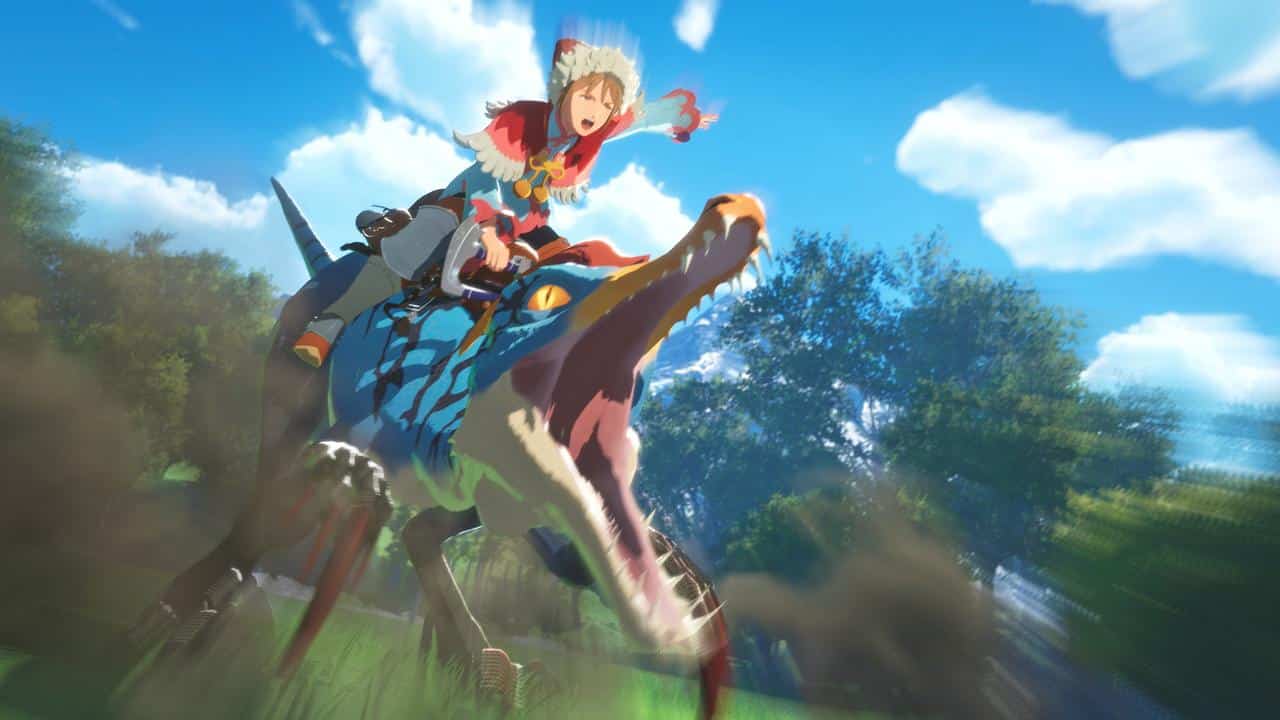
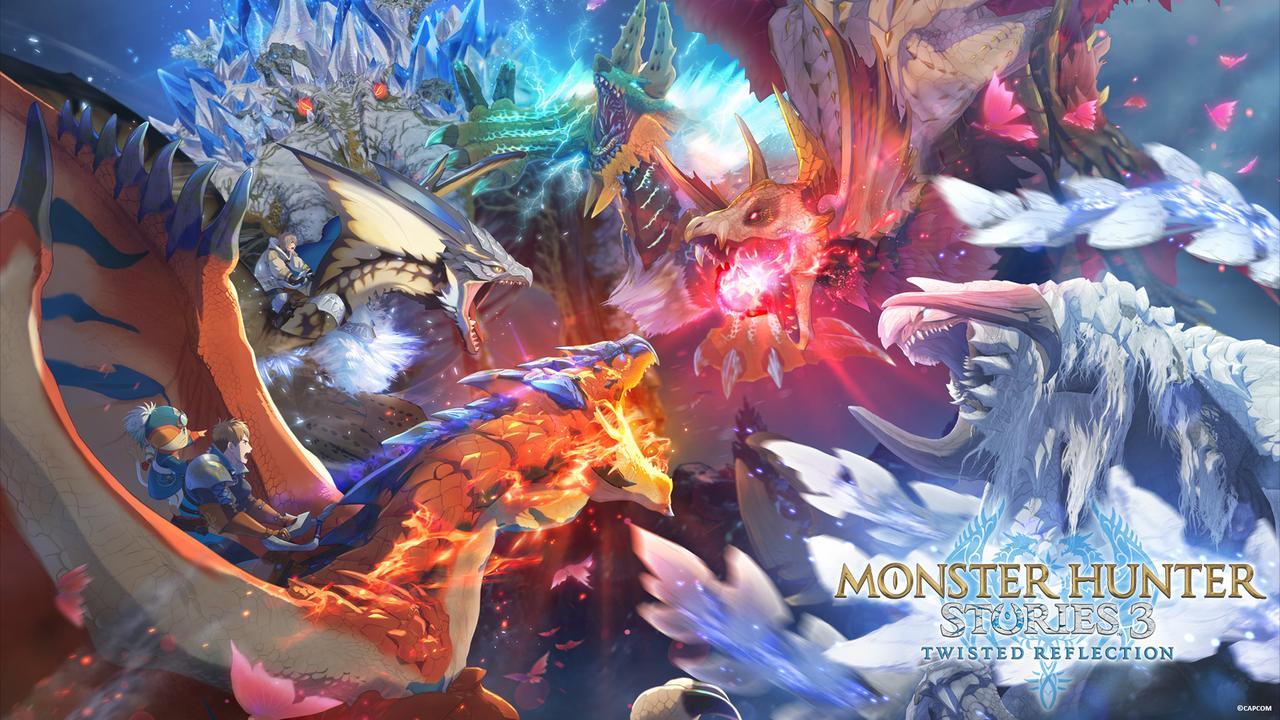
Monster Hunter Stories 3: Twisted Reflection still builds combat around the familiar Power, Speed, and Technical triangle. Head-to-Heads still decide a lot of the flow from turn to turn. What changes this time is how much more the game asks from you once a fight starts turning ugly. The new Wyvern Soul gauge gives every battle another layer to watch. Draining it can stagger or topple a monster. That opens the door to Syncro Rush or a safer turn to regroup.
Feral monsters also push fights in a meaner direction. Careless body-part targeting gets punished. You are not just reading attack patterns anymore. You are looking for the right moment to break parts, drain the gauge, and keep your party alive. That extra layer gives bosses more bite. It also stopped me from sleepwalking through encounters the way I sometimes could in earlier Stories games.

The Longsword helps a lot here too. It replaces Sword and Shield and gives the slashing slot a sharper identity. Head-to-Head wins and Spirit Slash build a Spirit Gauge. You can cash that in for stances, follow-up hits, and counters. I liked that it asks a little more from you without turning every fight into homework. When the game gets tougher in the middle and later hours, that change starts paying off. I had fights where changing weapons, swapping Monsties, or rebuilding a setup at camp was the difference between scraping by and getting flattened. That push to rethink your party ended up being one of my favourite parts of the whole game. It lets you grow into it instead of relying on the same habits the whole way through.
Building a Stable Finally Has More Purpose
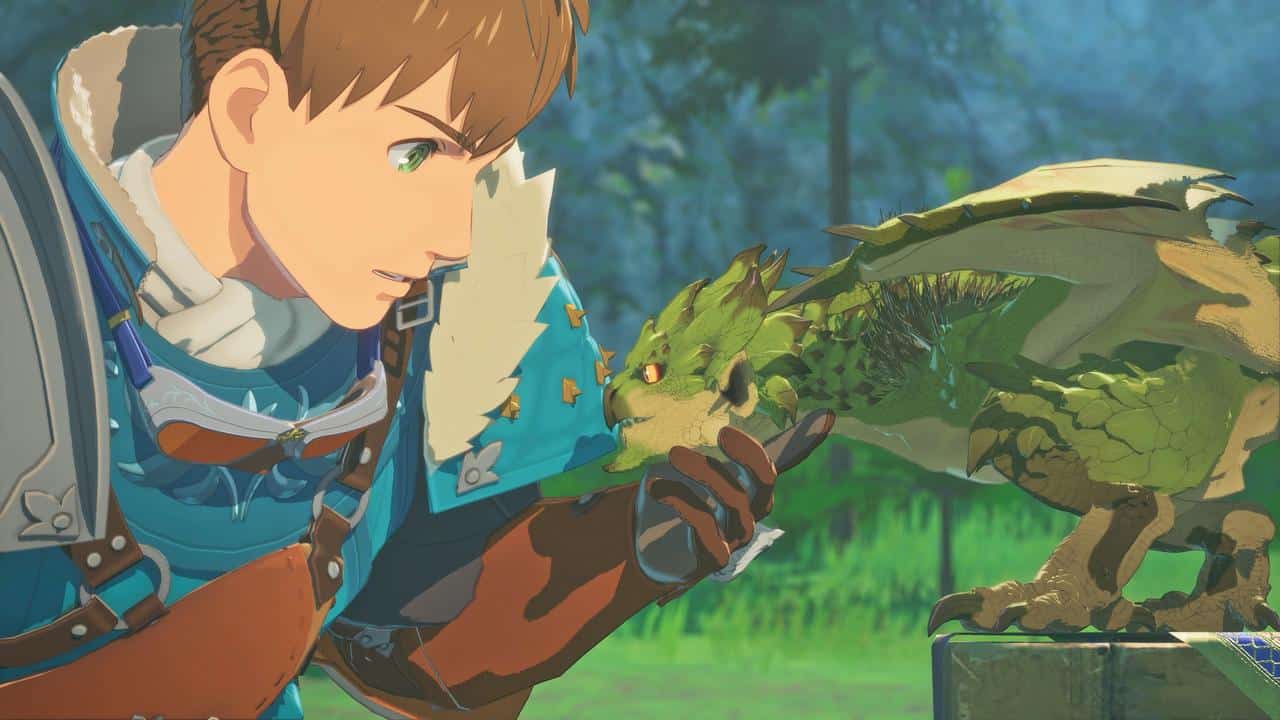
The Monstie side of the game is where Twisted Reflection starts pulling its ideas together. Den visits move much faster this time. You are usually in and out quickly. That makes egg hunting less of a stop-and-start chore. The reroll risk also keeps those visits from turning into mindless shopping.
The Rite of Channelling rework is even better. Earlier games made you give up a Monstie to pass genes along. Here, you can rearrange and test builds much more freely across the nine-slot grid. At first, that change doesn’t sound like a big deal. It becomes much more useful once you start building stronger setups. I ended up checking camp more often than I expected. Not because the game forced me to, but because tuning a favourite Monstie finally felt worth the trouble.
Every Region Has a Reason to Pull You Back
Habitat Restoration is the feature that pulls most of the game together. Once you drive out a region’s biggest threats, you can rebuild that area piece by piece. You do that by returning monsters to it and improving local conditions. In return, you open the door to better rewards than the first pass through would give you. Some of that also ties into endangered species recovery and night hunts for invasive targets. That gives exploration a real purpose beyond picking up map icons.
Instead of moving on from each region the second the story does, I kept circling back. The map still had something useful to offer. That ended up being my favourite part of Monster Hunter Stories 3: Twisted Reflection. Combat is stronger, yes, but the bigger win is how the game connects fighting, collecting, crafting, and restoration into one loop. Raise a monster, use it in battle, restore a region, find better eggs, craft better gear, then head back out. It is a busy structure. Some players might find it a lot to absorb at first. After a few hours, though, the whole game becomes much more purposeful than earlier entries did.
A Colourful Step Forward With Noticeable Technical Issues
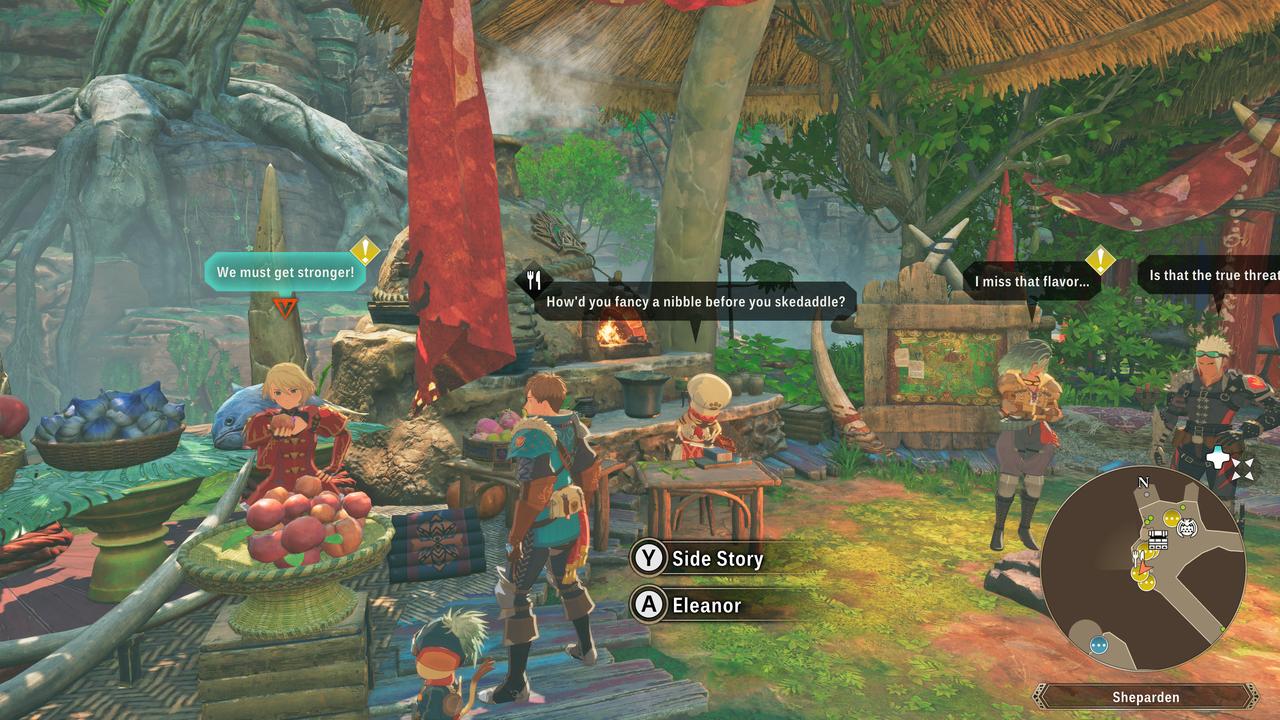
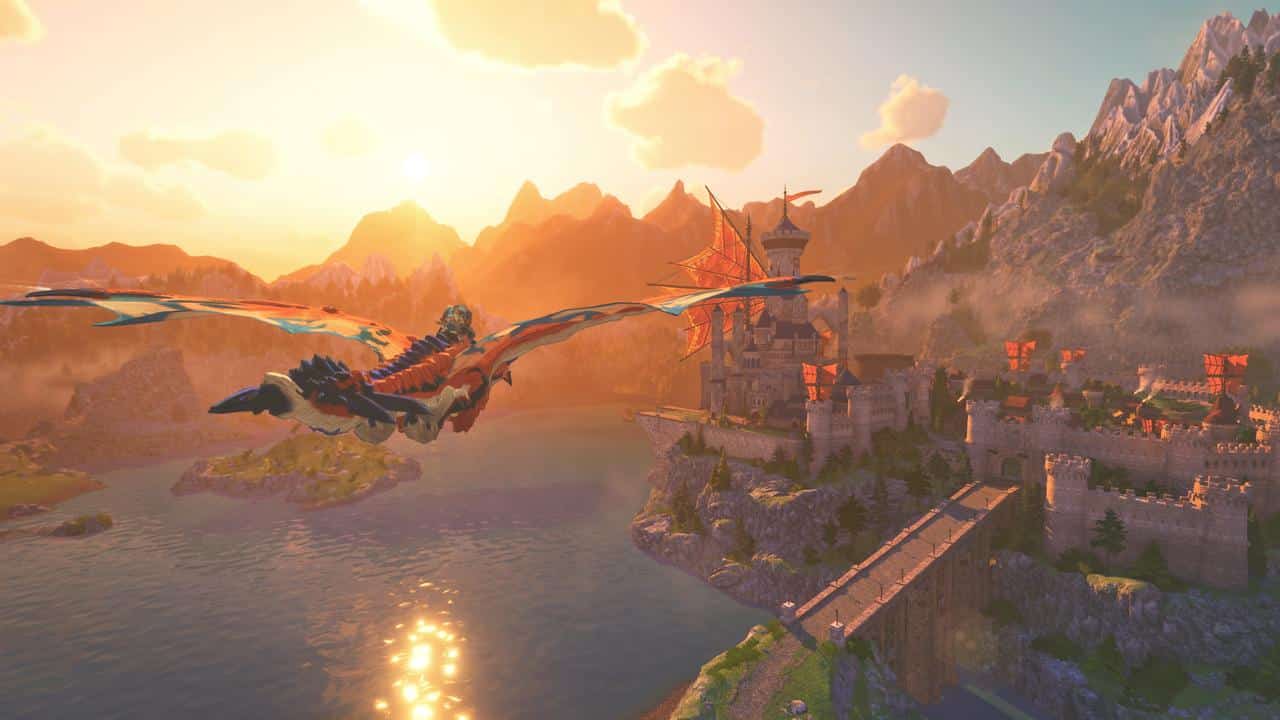
Monster Hunter Stories 3: Twisted Reflection is easily the best-looking this spin-off series has been so far. The semi cel-shaded art style gives the world a bright anime look without losing the Monster Hunter identity. That balance works really well once you start moving through each region. Characters, monsters, and environments all carry more detail than the earlier games. The world also has a lot of little motion in it. That helps each area look lively.
Battles sell that presentation too. Attack animations move quickly, but they still have a nice sense of flow. The bigger Kinship attacks have the kind of punch you want from a game built around the bond between Rider and Monstie. The sound side of the game holds up really well too. Voice work lands across the cast. The battle music gives regular fights and boss battles a real lift without overplaying it.
The Technical Problems Are Hard to Miss
The Nintendo Switch 2 version doesn’t hold that presentation together as cleanly as it should. Pop-in and frame drops come up often enough that they are hard to brush aside. The strong art direction makes those issues even easier to notice. I didn’t find the game unplayable. Even so, the technical problems show up too often while you are exploring. This is the kind of game that would benefit a lot from a performance patch. When a game looks this good in still moments and in battle, it is frustrating to see those issues break up the view so often.
Monster Hunter Stories 3: Twisted Reflection Finally Pulls It All Together
Monster Hunter Stories 3: Twisted Reflection is the first game in this spin-off series where the story, combat, and long-term progression really work together. The story gives you a stronger reason to care about where you are going next. The combat asks more from you once tougher fights arrive. Habitat Restoration gives older regions a real purpose after the main path moves on. I didn’t love every part of it. The political side of the story could have used more room through the middle stretch. The Nintendo Switch 2 version also has pop-in and frame drops that are hard to ignore. Even with that, this is the version of Monster Hunter Stories that kept pulling me back the most.
If you already like Monster Hunter Stories, this is an easy recommendation. If you are coming in for the first time, this is also a good place to start. It does a better job of tying monster raising, turn-based battles, gear building, and map progression into one adventure. Monster Hunter Stories 3: Twisted Reflection doesn’t run as cleanly as it should on Nintendo Switch 2. It is still the strongest Monster Hunter Stories game so far.
Monster Hunter Stories 3: Twisted Reflection
Summary
Monster Hunter Stories 3: Twisted Reflection is the strongest this spin-off series has been so far. Its story finally gives the adventure real pull, the combat asks more from you in the right ways, and Habitat Restoration gives the whole game a better sense of purpose. The political side of the story could have used more room through the middle, and the Nintendo Switch 2 version has pop-in and frame drops that are hard to ignore. Even with those issues, this is the Monster Hunter Stories game that pulls everything together best.
As always, remember to follow us on our social media platforms (e.g., Threads, X (Twitter), Bluesky, YouTube, and Facebook) to stay up-to-date with the latest news. This website contains affiliate links. We may receive a commission when you click on these links and make a purchase, at no extra cost to you. We are an independent site, and the opinions expressed here are our own.