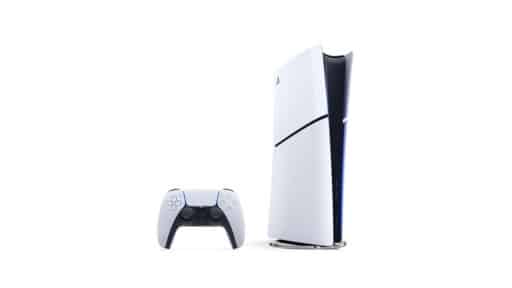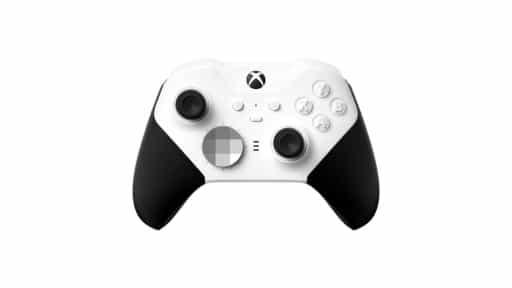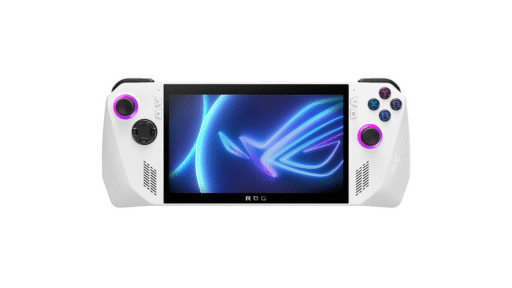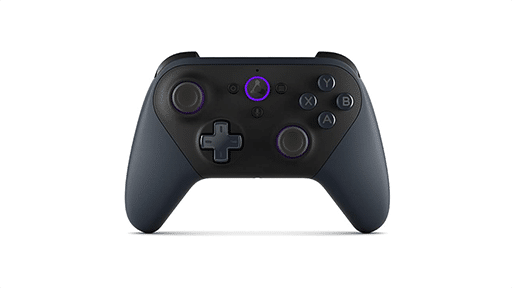



Moss: The Forgotten Relic is the first non VR game in the series. It combines Moss and Moss: Book II into one package. You control Quill, but you also play the Reader, a presence she can see and react to inside the story. I’m glad to say that moving away from VR doesn’t break that connection.
You move Quill with one analogue stick and use the other to control the Reader’s pointer. That pointer can move objects, open the way forward, or take control of an enemy during a puzzle. The change works better than I expected. Puzzles still depend on Quill and the Reader acting together, especially once Book II adds more abilities.

The fixed camera causes the biggest trouble. Some jumps are hard to judge, and hidden paths can lead to retries that never seem fair. Combat also repeats too often before Book II adds more weapons. Even with those issues, I enjoyed both books. Quill’s gestures make the connection personal, and the storybook format keeps her journey easy to follow. I’m glad more gamers can finally meet Quill and experience both books for themselves.
Quill’s Reactions Matter More Than The Main Plot
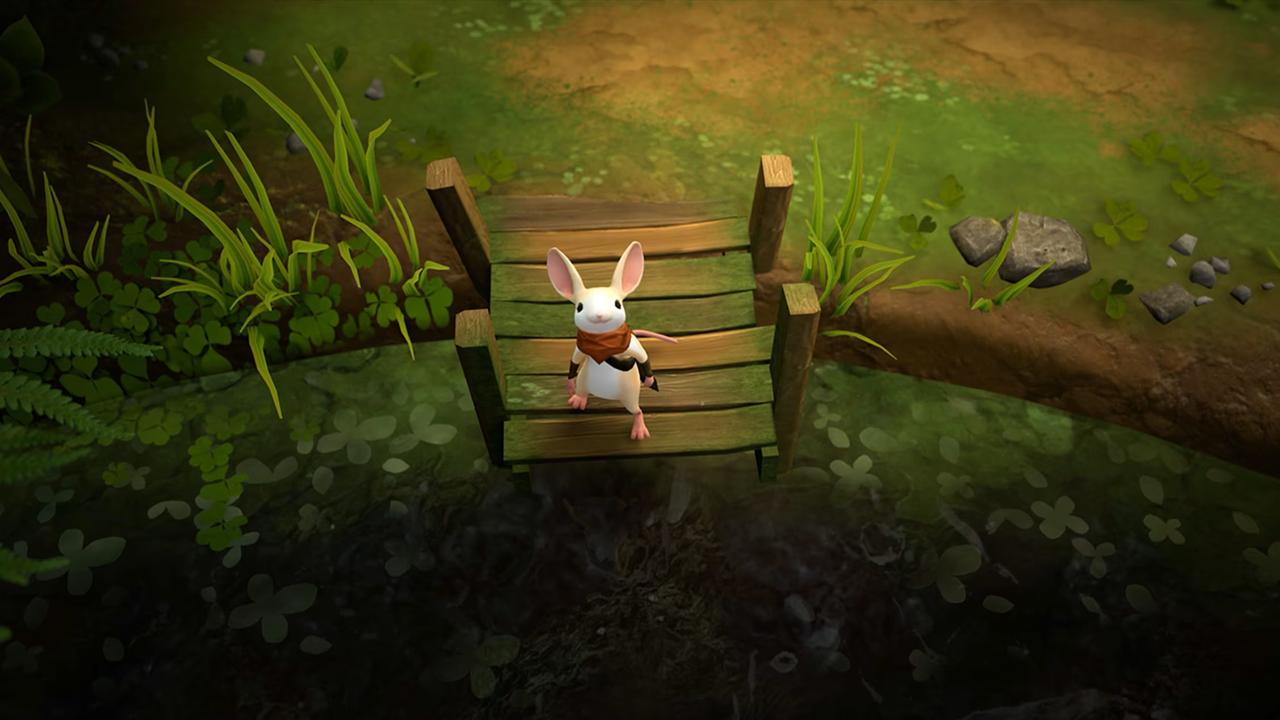
Quill’s story begins inside a book found by the Reader. She soon realizes that someone is watching over her from outside her world. After Quill discovers a Glass, her uncle is taken. She leaves home to rescue him, and the journey grows far beyond that first goal. The plot follows a simple heroic path. Quill leaves safety, faces a growing threat, and becomes more capable across Book I and Book II. None of that is especially new.
Quill herself kept me interested. She looks toward the screen, raises a paw, and reacts to the Reader without needing long conversations. Those little responses make her easy to care about. The animated book pages also keep the story clear between chapters. A single narrator handles most of the dialogue, which suits the book being read aloud. The story never overcomplicates the rescue. Quill, her uncle, and the Reader remain easy to follow from chapter to chapter. That simple direction lets Quill’s reactions do more of the talking.
The Reader is more than a name for the person holding the controller. Quill knows you’re there, and the story treats your presence as part of her journey. Book II builds on that bond and briefly introduces Sahima, who reacts to the Reader very differently. She appears late, so I won’t spoil what brings her into Quill’s story. I cared more about Quill than the wider conflict. Her reactions kept me invested, even when the story around her stayed predictable.
Puzzles Need Quill And The Reader To Work Together
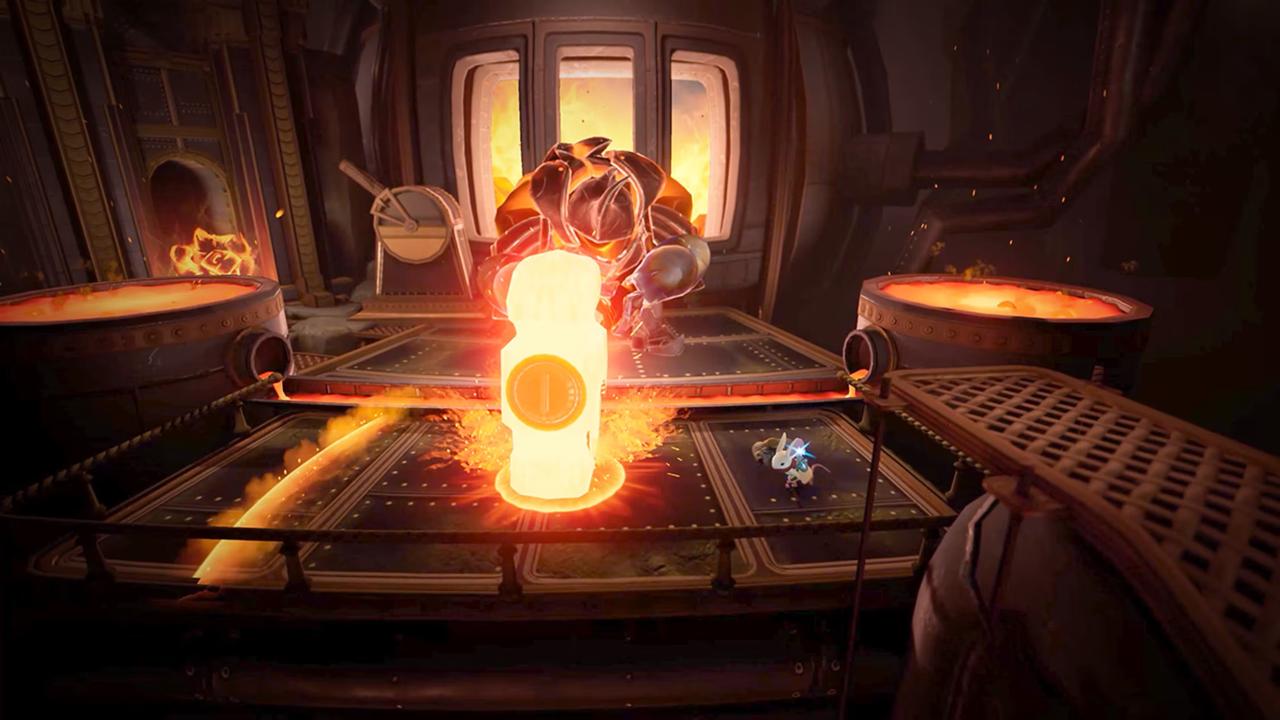
The puzzles showed me why Moss can work without VR. Quill handles movement, but the Reader can change part of the area around her. That split creates a steady back-and-forth. You may move Quill into place, then shift part of the path so she can continue. Later puzzles let the Reader take over certain enemies and use them to open the next path. Using enemies as part of a solution made the later puzzles more interesting for me.

Book I teaches each idea slowly. Book II starts combining them, so you need to think about Quill and the Reader at the same time. I had much more fun with those later puzzles. Combat never reaches the same level. Early fights use a small attack set, and closed arenas keep Quill in place until every enemy is gone. Those encounters become repetitive because enemy behaviour is easy to learn. Book II adds more weapons and abilities, but the fights still lag behind the puzzles.
Much of the combat can be skipped for anyone mainly interested in the story and puzzle solving. That choice keeps the adventure moving without forcing every fight. The fixed camera causes more direct trouble. It can hide an object or make a short jump look longer than it is. A missed jump often comes from the viewing angle, not your timing. Checkpoints limit how much you repeat, but those retries still break up a good puzzle section.
Book II uses both roles more often and combines them in more demanding puzzles. That is why I preferred the second book.
Quill’s Animation Says More Than The Dialogue
Quill says plenty without speaking during slower story scenes. Her posture, gestures, and reactions show fear, relief, or excitement without long speeches. She looks toward the Reader and acknowledges your presence throughout both books. Those reactions make her seem aware of you, not just the path ahead. The animated pages provide a clear break between chapters. A single narrator reads most of the dialogue, which keeps the two books connected.
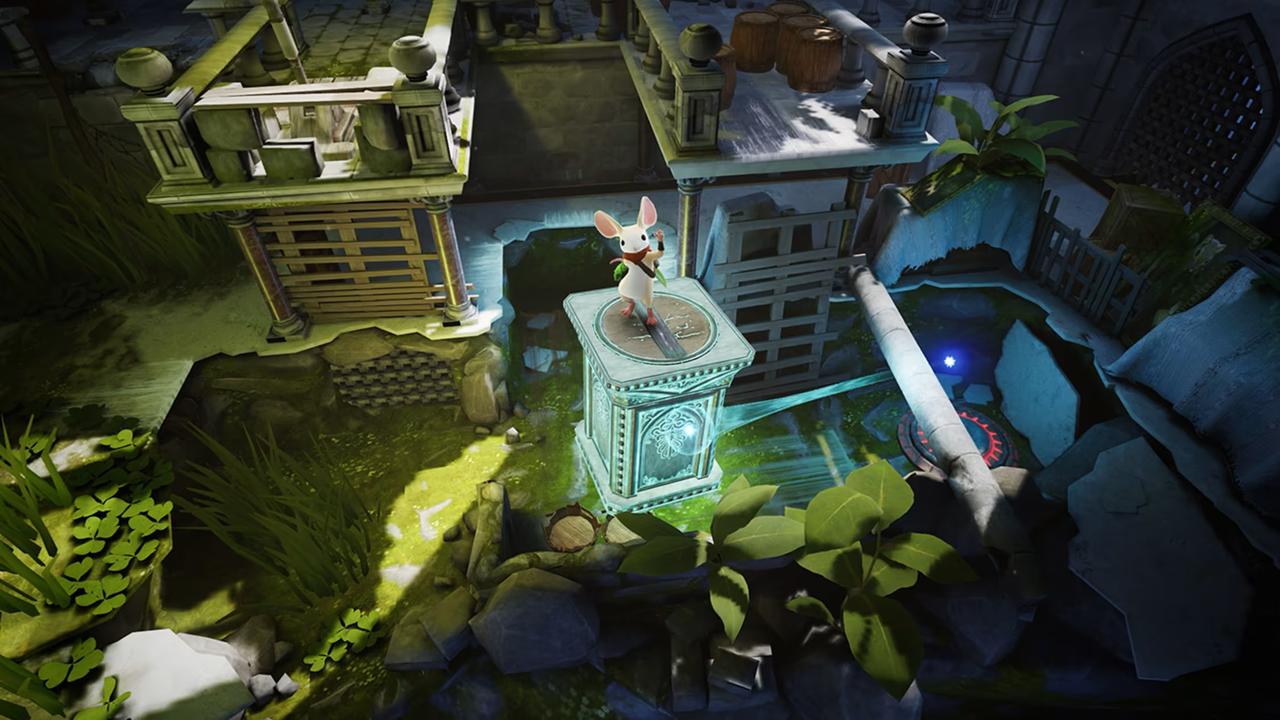
The environments move between forests and darker castle areas. Each section is shown from a fixed angle, so the scene needs to make the way forward clear. Many areas handle that well. Foreground scenery can still hide a ledge, and two platforms may appear closer than they are. The art uses Quill’s size well. Large objects, tall walls, and long drops make each area look dangerous from her point of view.
The narrator stays calm, and Quill’s vocal reactions add personality. The music supports the move into more dangerous places. Together, they sound like someone reading Quill’s story beside you. The controller layout keeps Quill on one stick and the Reader on the other. It takes a little time to get used to, but I was soon controlling both without thinking about it.
Moss: The Forgotten Relic Is For Puzzle Fans New To Quill
Even without VR, the bond between Quill and the Reader still works. The right-stick pointer is less direct than motion controls, but both roles still work as a pair. You guide Quill and change the world around her. The puzzles depend on both roles, and Book II does more with that approach. The environmental puzzles are the main reason I enjoyed the collection. Book I teaches the basics, then Book II combines those ideas with more abilities.
The fights never matched that part of the game. Early attacks are limited, arena battles repeat too often, and Book II only fixes part of the problem. The fixed camera creates more frustration because it can turn a simple jump into guesswork. Neither issue ruins the collection, but each one pulls it down. Quill kept me interested. Her gestures, reactions, and direct connection with the Reader make the adventure personal from beginning to end.
This is for puzzle-platformer fans who missed the VR releases or don’t own a headset. Story-first gamers should also enjoy it because the puzzles rarely become frustrating. If combat is what you care about most, the repeated arena fights may wear thin. Returning VR fans won’t find a new chapter here, but newcomers get both books in one package and can start Quill’s story from the beginning.
Moss: The Forgotten Relic
Summary
Moss: The Forgotten Relic brings Moss and Moss: Book II together in the series’ first non-VR release. Quill’s reactions and her connection with the Reader turn a simple rescue story into something personal, and Book II makes the dual-control puzzles more fun to solve. Repeated arena fights and fixed-camera jumps create the biggest frustrations. This is for puzzle-platformer fans meeting Quill for the first time, especially those who missed the original VR releases.
As always, remember to follow us on our social media platforms (e.g., Threads, X (Twitter), Bluesky, YouTube, and Facebook) to stay up-to-date with the latest news. This website contains affiliate links. We may receive a commission when you click on these links and make a purchase, at no extra cost to you. We are an independent site, and the opinions expressed here are our own.