



After spending some time with My Hero Academia: All’s Justice, it’s clear the game knows what it wants to be. Not just in who you play as, but in how fights unfold and how you’re expected to approach them. It doesn’t throw everything at you right away. Instead, it gives you space to settle in, get a feel for each character, and understand how combat changes depending on who you’re using.
That approach makes the early experience feel more confident and more focused than past entries. You aren’t rushing from moment to moment. You are learning how the game wants to be played, and that learning curve feels intentional rather than forced.




Different Heroes Push You to Play Differently
One of the things that stood out right away was how differently each character plays. This is not a case where everyone shares the same core moves with minor tweaks. The differences show up quickly in movement, spacing, and how you are meant to control a fight.
Faster characters are built around movement and quick decision-making. Their kits encourage staying active, closing gaps, and keeping opponents reacting instead of settling into a pattern. You are rewarded for moving constantly, finding openings, and knowing when to disengage before committing again.
Heavier characters slow things down. Their attacks carry more weight, and positioning matters more than speed. You are not darting around the arena. Instead, you are choosing moments carefully, committing to actions, and making each hit count. There is a clear sense of control in how they handle without ever feeling stiff.
Moving between different heroes makes it clear the game is built around contrast rather than uniform balance. You are not meant to play everyone the same way. The systems support different approaches, and the experience benefits from that variety.
Combat That Focuses on Flow Over Flash
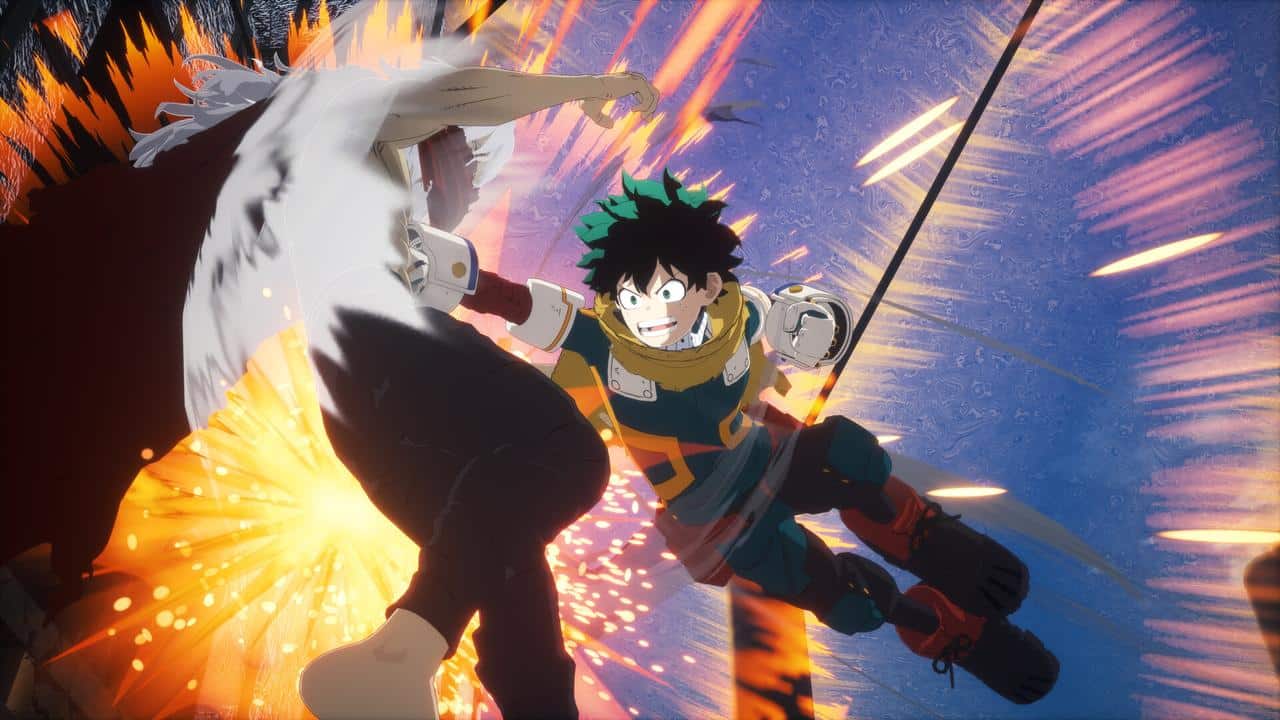
Combat in All’s Justice is easy to follow, with a focus on understanding what’s happening instead of juggling complex inputs. Abilities connect cleanly, fights stay readable, and it’s usually clear why something worked or didn’t.

Once you get a feel for how fights flow, the game lets you stay in control, but opponents can still turn things around if you get careless. Defensive options matter, spacing matters, and timing matters. It isn’t about chaining the longest sequence possible. It is about choosing the right moment to push forward or pull back.
What becomes clear over time is how readable everything feels. Animations are easy to read, and nothing on screen gets in the way of making quick decisions. That makes the game approachable while still leaving room to improve as you play more.
A Steadier, More Thoughtful Pacing
One of the more noticeable differences compared to earlier My Hero Academia games is the pacing. During my preview, I didn’t feel like it rushed me through gamelay mechanics or stack encounters back to back. Each section had space to breathe.
That slower pace makes the experience easier to settle into. You are not just reacting to what is on screen. You are thinking about positioning, cooldowns, and how to approach the next exchange. It also gives character differences more room to matter, since you are not being pushed forward before you can understand how someone plays.
The structure feels better suited to longer play sessions and avoids the fatigue that earlier entries sometimes ran into.
A Strong Direction Going Into Launch
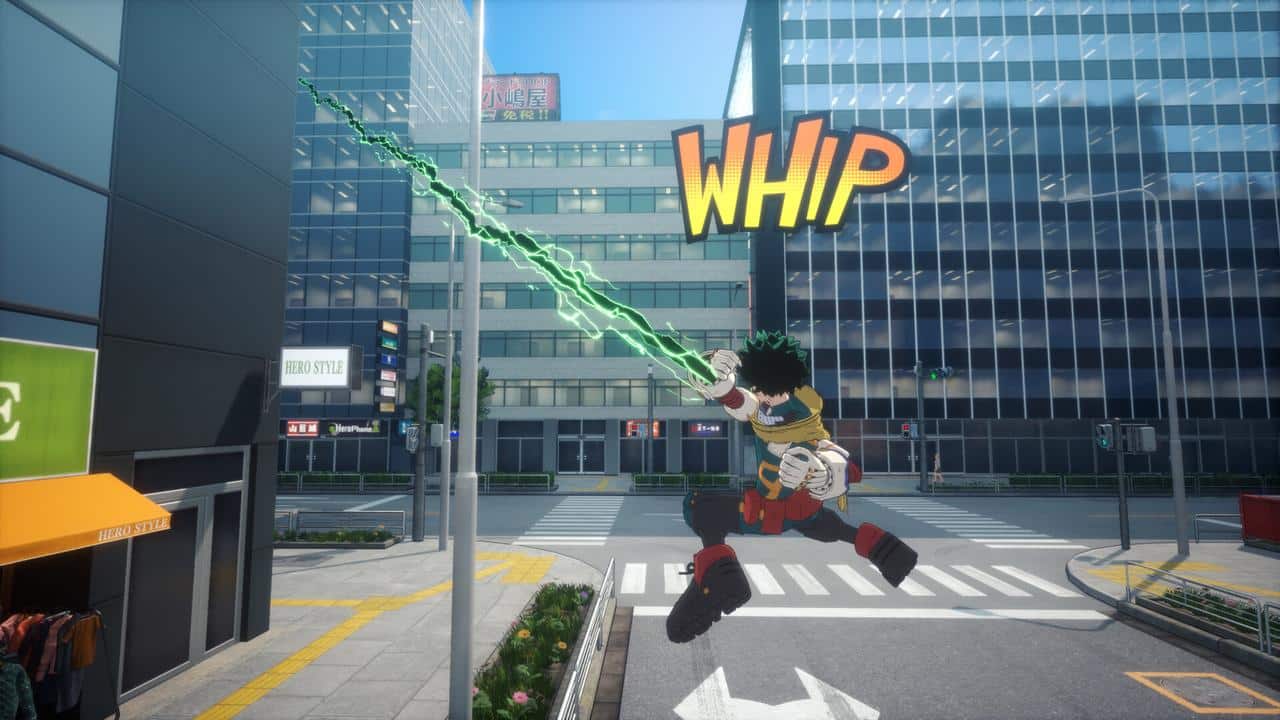
After spending some time with All’s Justice, the overall direction feels cohesive. Gameplay connects cleanly. Characters feel purpose-built rather than added to fill out a roster. Combat, movement, and pacing support each other instead of competing for attention.
It doesn’t feel like a collection of disconnected ideas. It feels like a game that knows what it wants to be and builds toward that consistently. That alone makes it easier to get into than past adaptations that looked good but didn’t always feel great to play.

Based on my early hands-on time, All’s Justice feels like it could stand comfortably on its own rather than blending into the usual anime tie-ins. My Hero Academia: All’s Justice launches February 6, 2026, on PlayStation 5, Xbox Series X|S, and PC.
As always, remember to follow us on our social media platforms (e.g., Threads, X (Twitter), Bluesky, YouTube, and Facebook) to stay up-to-date with the latest news. This website contains affiliate links. We may receive a commission when you click on these links and make a purchase, at no extra cost to you. We are an independent site, and the opinions expressed here are our own.