



Some action roguelikes want you moving as fast as possible. Others try to make you feel unstoppable right out of the gate. Netherworld Covenant doesn’t really chase either idea. Instead, it asks you to slow down and actually pay attention.
From the first few fights, you can feel what kind of game this is. Attacks are deliberate. Dodges aren’t freebies. If you rush in or start throwing swings without thinking, the game pushes back hard. When you take a breath, watch enemy patterns, and choose your moments carefully, the combat starts to click in a really satisfying way.




Netherworld Covenant takes place in a dark fantasy world that already feels lost. You’re not here to clean everything up or save the day in some heroic way. You’re surviving run by run, using a strange lantern that lets you call on fallen warriors and bend fights in your favour if you use it well. That lantern isn’t just a cool idea on paper. It shapes how you move through rooms, how you control space, and how much room for error you actually have.
After spending time with the full 1.0 release, it becomes clear that Netherworld Covenant isn’t trying to impress through scale or spectacle. It’s focused, demanding, and very sure of what it wants from you. This is a game that expects you to learn by messing up, getting punished, and doing a little better the next time. If that kind of loop sounds appealing, there’s a lot here worth digging into.
When the World Doesn’t Need Explaining
Netherworld Covenant doesn’t spend much time trying to explain itself. The world is already broken when the game begins, and it stays that way throughout your runs.
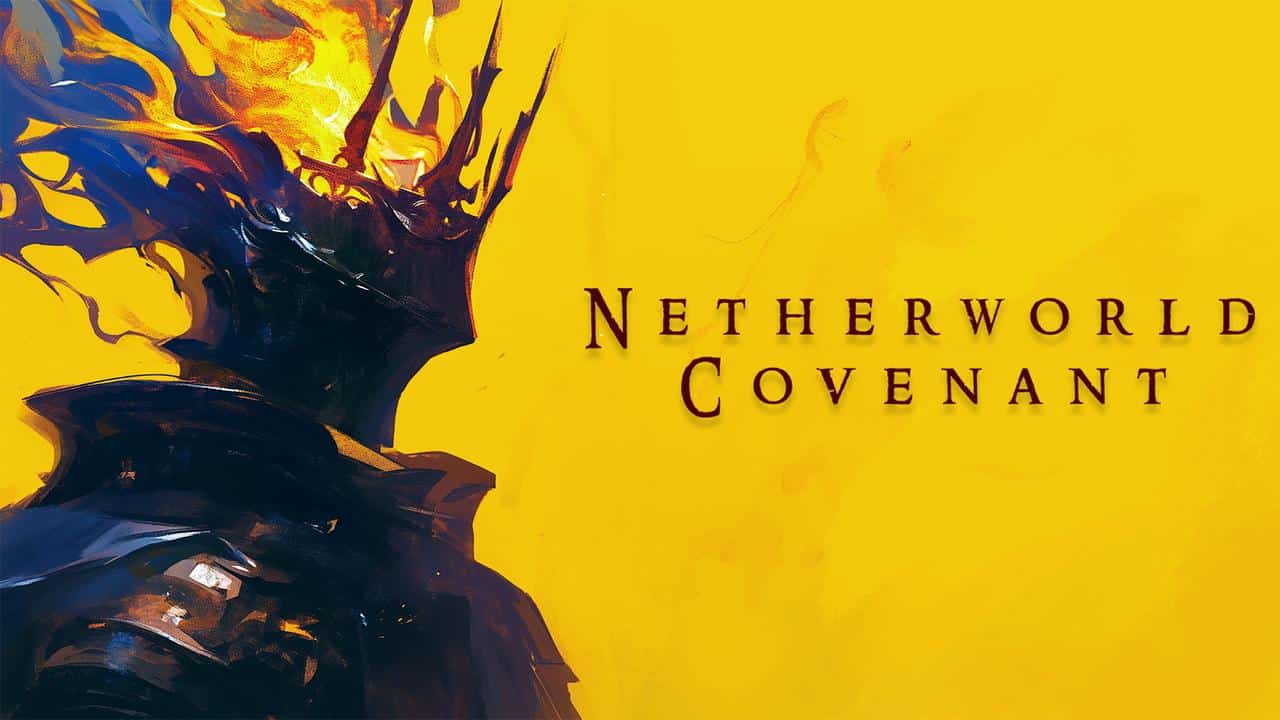
A never-ending eclipse has wiped out what little stability remained, leaving ruined cities, hostile creatures, and a land caught between life and death. You play as a survivor brought back through the power of the Nether Lantern, an outlawed artifact that links the living world with the dead. That connection is the reason you keep returning after each failure, and it quietly explains the roguelike loop without ever spelling it out.
Most of the story is delivered in fragments. You pick things up through environments, enemy designs, and brief encounters rather than long conversations or cutscenes. Fallen warriors you summon through the lantern feel like echoes of a world that has already given up, not heroes waiting to be saved. The game rarely pauses to tell you how to feel about any of it.

That lighter touch actually works really well here. The game doesn’t stop everything to explain what’s happening or spell out its themes. You pick them up naturally as you move through areas, fight corrupted enemies, and keep coming back after each death. It never feels like you’re being pushed toward some big heroic payoff either. Most of the time, you’re just trying to understand what went wrong in this world and why your character keeps getting pulled back into it.
If you’re paying attention, the story starts to take shape on its own through what you see and who you’re fighting, rather than what you’re told outright. It fits the slower, more deliberate pace the game asks of you, and it never gets in the way of the moment-to-moment experience.
Every Fight Is a Lesson
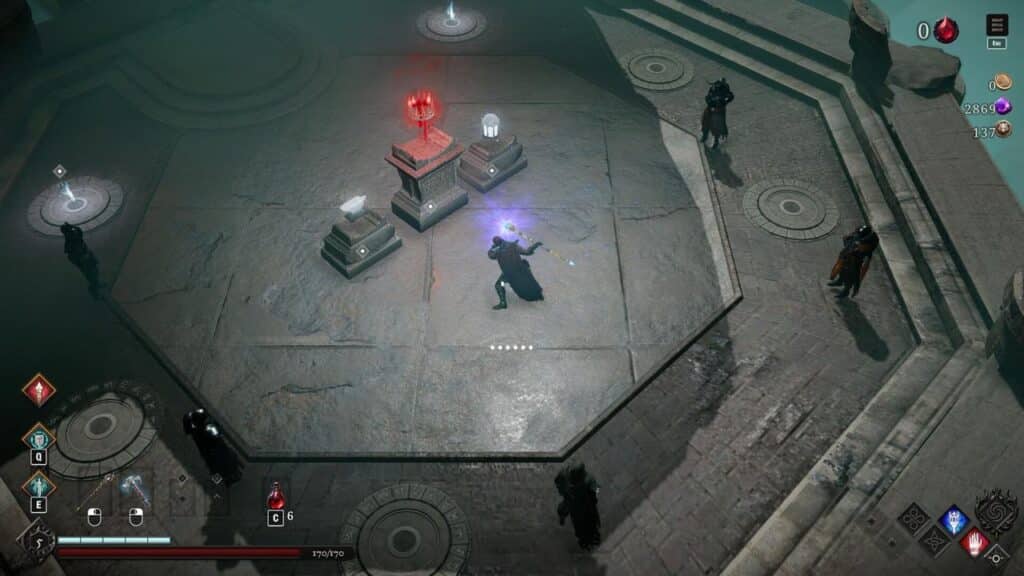
Gameplay in Netherworld Covenant is built around timing, spacing, and learning how far you can push a situation before it falls apart. Combat is deliberate and punishing. Enemies attack aggressively, telegraphs matter, and mistakes are dealt with quickly. You’re rarely in full control of a room for long, which keeps every fight tense.
Dodging is your main tool for staying alive, and it feels responsive without turning into a panic option. Blocking and positioning become more important as encounters grow more complex, especially when melee enemies mix with ranged pressure. You’re often reacting, repositioning, and waiting for safe openings rather than pressing forward nonstop.
The Nether Lantern is central to how fights unfold. Lantern abilities can interrupt enemies, force openings, or reposition you depending on timing. Ghost companions linger after being used and give you anchor points to move around the battlefield, which adds a layer of planning that goes beyond simple damage output. Used well, these tools let you control space and survive situations that would otherwise end a run.
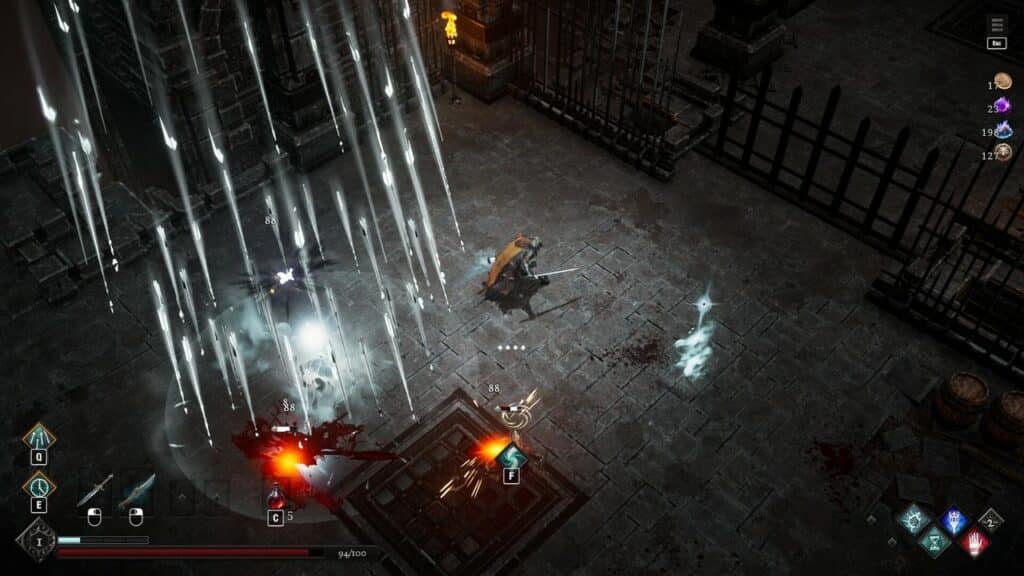
Runs are structured around room-to-room progression, with rewards that shape your build as you go. Early choices tend to lock you into a general direction, and while there’s room to adjust, build variety stays fairly contained. That keeps the focus on execution rather than chasing extreme power swings. Weapons and upgrades offer meaningful differences, but they don’t drastically change how the game plays from one run to the next.
Long-term progression unlocks new weapons, characters, and upgrades, but growth is gradual. Progress often comes from playing better rather than stacking permanent advantages, which fits the game’s overall tone but can feel slow if you’re expecting rapid power gains.

Dark, Clear, and Purposeful
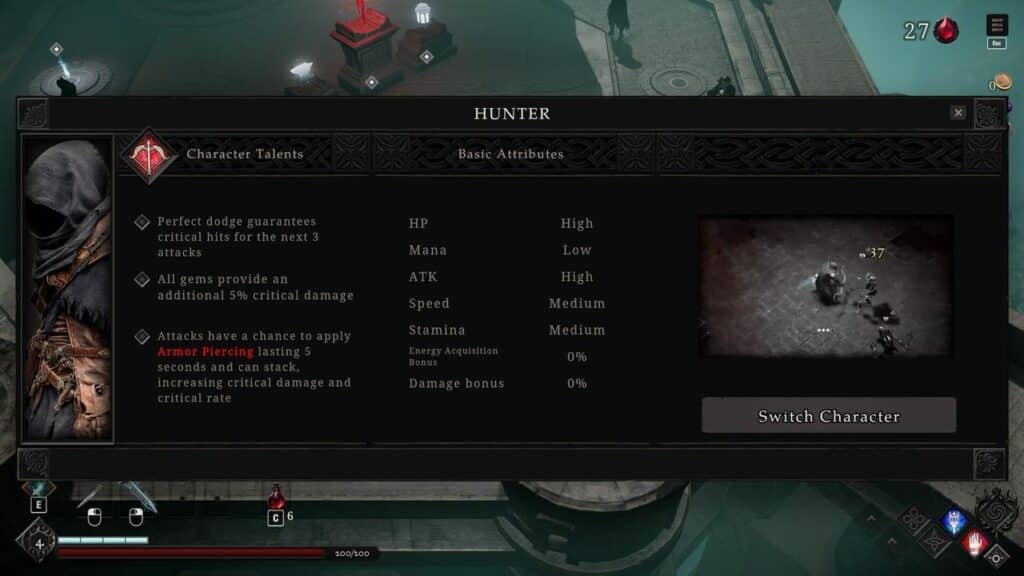
Netherworld Covenant commits fully to its dark fantasy look, and it rarely breaks that mood. Environments are bleak and worn down, filled with crumbling structures, dim lighting, and spaces that feel hostile rather than inviting. The game isn’t trying to impress with colour or spectacle. It wants the world to feel oppressive, and it succeeds without sacrificing readability during combat.
Enemy and character designs are clear and purposeful. Even when several threats are on screen at once, it’s usually easy to tell what can hurt you and how. Animations are sharp and readable, which matters a lot given how quickly fights can turn against you. Attacks, dodges, and enemy tells are easy to track, and nothing feels visually cluttered or distracting.
The camera keeps a comfortable distance, giving you enough awareness to manage crowded encounters without flattening the atmosphere. It stays stable during hectic moments and never feels like it’s fighting for control, which helps maintain confidence when positioning matters most.
Sound design does a lot of quiet work in the background. Weapon hits land with a solid, satisfying impact, and defensive actions have clear audio cues that help reinforce timing. Enemy sounds are especially helpful when pressure comes from off screen, giving you just enough warning to react.
The soundtrack stays restrained through most runs, leaning into ambient and moody tracks that support exploration and combat without pulling focus. Boss fights bring in heavier music to raise tension, but never overwhelm the action. Overall, everything comes together in a way that lets the gameplay do the talking without getting in its own way.
Netherworld Covenant Is About Learning, Not Power, and It Makes That Clear Fast
Netherworld Covenant doesn’t make many compromises. It’s demanding, often unforgiving, and perfectly fine with ending a run the moment you lose focus. That approach won’t work for everyone, but it’s consistent from start to finish.
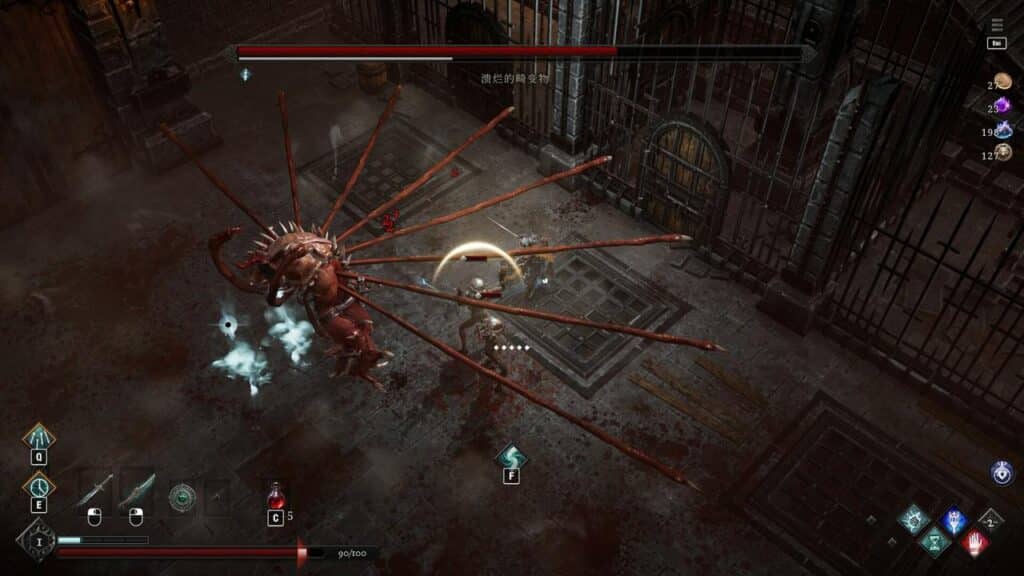
The combat is what holds everything together. Learning enemy behaviour, using the lantern and ghost tools well, and surviving tough rooms stays satisfying even after a lot of attempts. On the other hand, the roguelike side doesn’t stretch as far. Builds tend to settle into familiar patterns, and long-term progression moves at a slow pace. That puts more emphasis on execution than experimentation, which fits the game’s design but may start to feel limiting over time.
What helps is how fair the game feels once things start to click. Deaths usually come from clear mistakes rather than bad luck, and improvement shows up through better timing and decision-making instead of stacking upgrades. Each run becomes a small test of how much you’ve actually learned.
Netherworld Covenant isn’t trying to cast a wide net. It asks you to stay sharp, read situations carefully, and accept failure as part of the process. If that sounds appealing, there’s a lot here to appreciate, especially if you enjoy action games that reward patience and consistency over spectacle.


Netherworld Covenant
Summary
Netherworld Covenant builds its experience around careful combat and learning through repetition rather than chasing power spikes. The lantern and ghost systems shape how fights play out, rewarding timing, positioning, and awareness as runs get tougher. If you enjoy action games that ask you to slow down, accept failure, and improve through execution, Netherworld Covenant delivers a focused and demanding experience.
As always, remember to follow us on our social media platforms (e.g., Threads, X (Twitter), Bluesky, YouTube, and Facebook) to stay up-to-date with the latest news. This website contains affiliate links. We may receive a commission when you click on these links and make a purchase, at no extra cost to you. We are an independent site, and the opinions expressed here are our own.