

Every fall, hockey fans get more than just the return of the NHL season. EA Sports also drops its next entry in the long-running NHL franchise, promising sharper gameplay and new ways to experience the sport. The excitement is real, but so is the skepticism. Each yearly release raises the same questions: what’s actually changed, and is it enough to matter? NHL 26 steps onto the ice trying to answer those doubts with refined controls, smarter goalies, and long-awaited updates to fan-favourite modes.
Booting up NHL 26 for the first time, it was impossible not to compare it with last year’s game. NHL 25 felt like a solid improvement in skating and AI, but it left several modes untouched, creating plenty of frustration. NHL 26 carries that same mix of progress and hesitation. It’s not a dramatic overhaul, but the developers at EA Vancouver clearly tried to target the areas fans have been the most vocal about.
My first game delivered an early surprise. A loose puck bounced into the slot, and what looked like an easy finish turned into a highlight save as the goalie sprawled across the crease. In NHL 25, that shot was going in nine times out of ten. Here, the unexpected stop gave me the sense that this season might hold something different, even if the rest of the package feels familiar in spots.
Action Between the Blue Lines
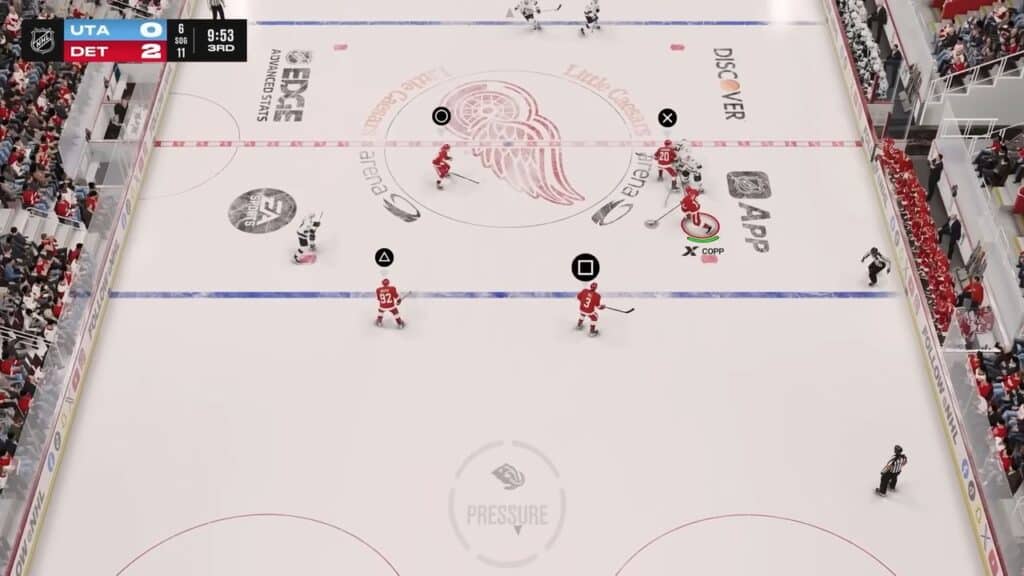
The biggest change you’ll notice in NHL 26 is how the action plays out on the ice. EA Sports has introduced ICE-Q 2.0, which aims to make skating, shooting, and positioning feel closer to real hockey. Superstar abilities finally stand out. Connor McDavid bursts through defenses with unmatched speed, while David Pastrnak’s release can catch a goalie off guard in a flash. These details make matchups more distinct and help separate stars from the rest of the lineup.
Goalies see the largest upgrade this year. With more than 80 new animations, they no longer feel like predictable robots between the pipes. Diving saves, sharper reactions on one-timers, and improved breakaway coverage make each game less scripted. In one match, I rushed in on a breakaway thinking I had an easy goal lined up, only to see the goalie stretch across and stonewall me. That single stop completely shifted the momentum of the game and reminded me of real NHL swings.
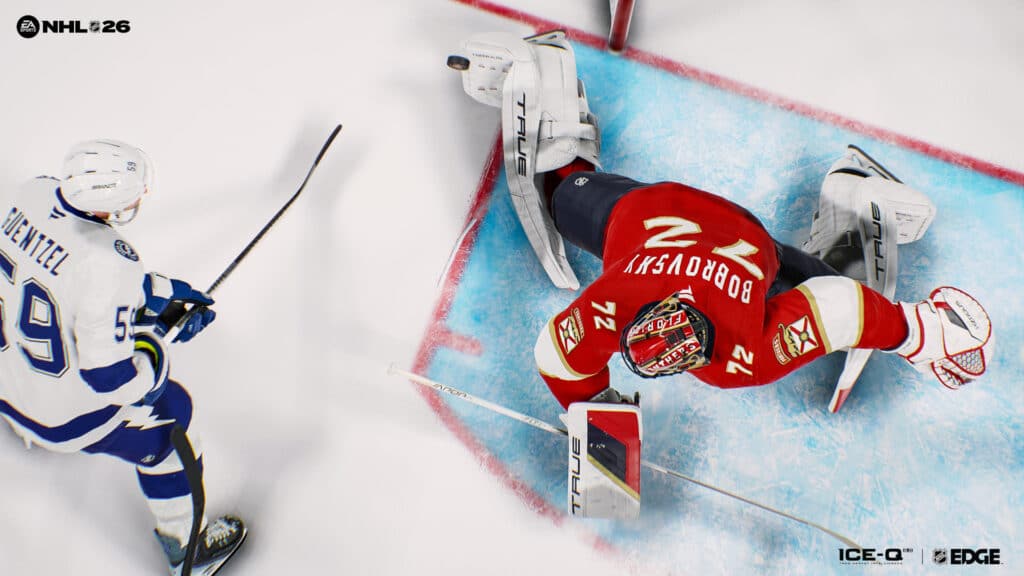
Still, not every part of the gameplay has improved. Body checks can look stiff, breaking up the flow instead of feeling natural. Defensive AI also has its lapses, leaving open shooting lanes or failing to cycle the puck effectively. ICE-Q 2.0 makes stick handling smoother, but the improvements feel more subtle in crowded scrambles.
Even with these issues, NHL 26 delivers enjoyable, fast-paced hockey. The goalie overhaul and more defined superstar play give matches variety that NHL 25 often lacked.
Beyond the Standard Faceoff
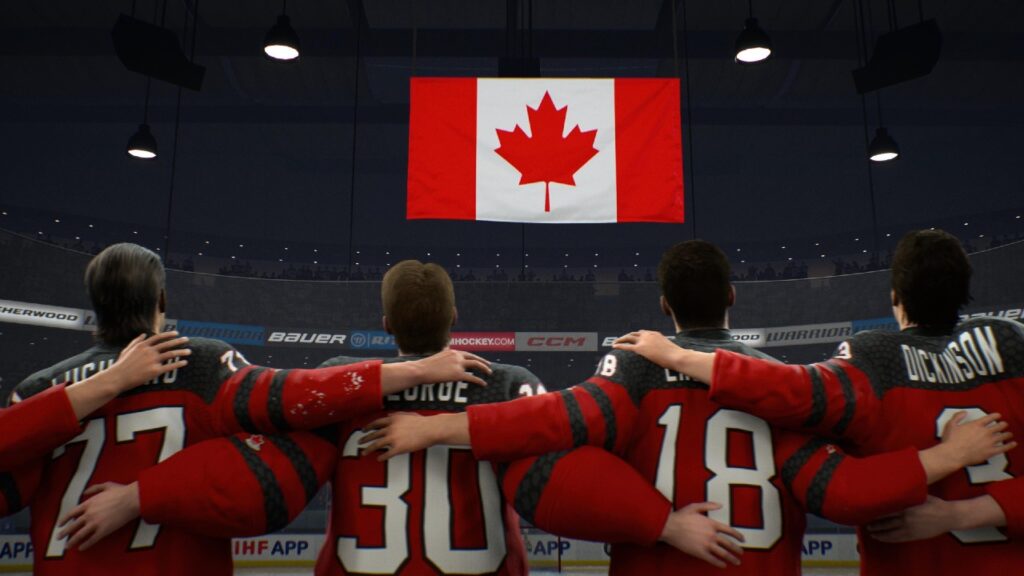
Game modes have always been the backbone of EA’s NHL series, and NHL 26 makes some overdue adjustments. The biggest improvement comes in Be A Pro, which finally feels like more than a recycled experience. You begin at the World Juniors, push through the Memorial Cup, and eventually head to the NHL Draft. Objectives from your GM and conversations with Macklin Celebrini help shape the story. For the first time, failing can actually land you in the AHL, adding consequences that were missing before.
During one Memorial Cup matchup, I nearly gave the puck away late in the third period. The mistake didn’t just risk the win. It made me think about how it could affect my draft placement. That sense of pressure is something this mode has been missing, even if the flat dialogue and awkward voice work sometimes take the edge off. The harsh penalties for simming games also feel out of step, punishing you too severely for skipping ahead.
Hockey Ultimate Team continues to evolve with Cup Chase, a season-style competition ending in a playoff run. It’s a more structured alternative to Squad Battles, rewarding you for playing through an entire campaign. The addition of a salary cap also forces you to build balanced squads rather than stacking “super teams.” On the flip side, grinding and microtransactions are still baked deeply into the mode.
Franchise Mode, however, remains stagnant. No major changes and no GM Connected leave it trailing far behind the series’ other offerings.
Atmosphere on the Rink
Presentation has always been a talking point for EA’s hockey series, and NHL 26 puts in some effort to improve it. Replays now highlight more than just goals. Defensive stops, breakouts, and goaltending saves are mixed in, giving games a broadcast-like rhythm. NHL Edge overlays add stats to the mix, providing more context for what just happened on the ice. It’s not flawless, but it helps the action feel closer to what you’d see during a televised matchup.
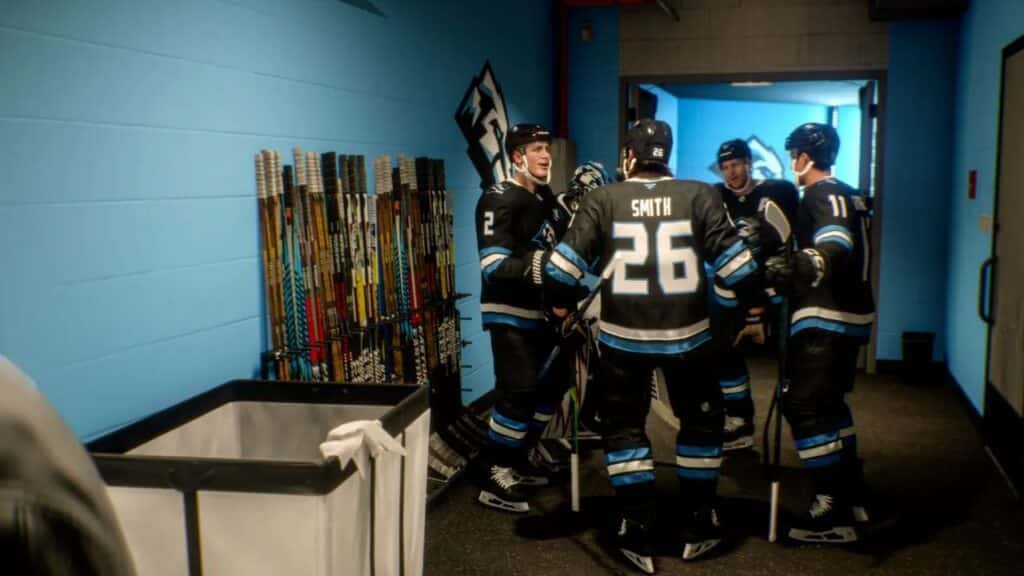
Another addition comes with player walkouts. Teams line up in the tunnel before hitting the ice, with lights, sound, and commentary creating buildup. The first time I saw one, I let it run instead of skipping, which isn’t normally the case for me. That mix of audio and visuals gave matches an extra burst of energy. Licensed music also helps create a stronger arena atmosphere.
The menus also see an upgrade. Switching between modes feels faster, and the new Edit Lines screen simplifies adjustments. That smoother navigation means less time fumbling around before puck drop.

Still, not everything clicks. Commentary repeats far too often, breaking immersion when you’ve heard the same lines multiple times. Franchise presentation hasn’t changed much, and outside of walkouts, many introductions look almost identical to last year. NHL 26 makes progress in presentation, but it still trails behind what other sports titles deliver.
NHL 26 Makes On-Ice Gains but Doesn’t Change the Game
NHL 26 doesn’t reinvent the series, but it does sharpen a few areas that matter most. Goalies benefit from new animations that make every save less predictable, while ICE-Q 2.0 gives star players more distinction on the ice. Be A Pro finally feels refreshed with structure and consequences, turning draft placement and career growth into more meaningful experiences. Hockey Ultimate Team also adds Cup Chase and a salary cap, creating more variety in how you build and compete.
Those positives stand out, but NHL 26 also struggles with familiar issues. Franchise Mode feels frozen in time, offering little reason to return. Commentary quickly grows repetitive, and body checks still don’t flow naturally into the rest of the action. The improvements are there, but they don’t add up to a dramatic leap forward for the series.
Personally, I found the goalie upgrades the most rewarding change. Breakaways and cross-crease plays felt uncertain in a way that kept me on edge, which is exactly what hockey should deliver. Be A Pro’s added pressure during the Memorial Cup also gave me a reason to keep returning, even if the dialogue fell flat.
If you’re a dedicated hockey fan, there’s plenty to enjoy here. But if you’re waiting for sweeping innovation, NHL 26 still leaves gaps to be filled. It’s progress, but it isn’t a complete reset.
NHL 26
Summary
NHL 26 feels sharper on the ice with smarter goalies, smoother stick handling, and stars that actually stand out. Be A Pro finally shakes things up with draft pressure and career consequences, while Hockey Ultimate Team adds Cup Chase and a salary cap to keep things balanced. Franchise Mode and presentation still feel behind, but the gameplay and mode updates make this a step forward. It isn’t a huge overhaul, but hockey fans will find plenty to dig into this year.
As always, remember to follow us on our social media platforms (e.g., Threads, X (Twitter), Bluesky, YouTube, and Facebook) to stay up-to-date with the latest news. This website contains affiliate links. We may receive a commission when you click on these links and make a purchase, at no extra cost to you. We are an independent site, and the opinions expressed here are our own.