


Nioh 3 makes it clear pretty quickly that it isn’t a game you can coast through. From the early hours, you’re asked to stay flexible, react to what’s in front of you, and adjust on the fly. Fights move fast, mistakes add up, and the game rarely gives you long stretches where you can switch your brain off. If you’ve played the earlier Nioh games, the core ideas will feel familiar. What changes is how often the game pushes you to break habits instead of relying on them.
The biggest shift comes from how Nioh 3 expects you to fight. You’re no longer building everything around one approach and sticking with it. Samurai and Ninja styles both matter, and the game keeps putting you in situations where switching between them makes more sense than forcing a favourite setup. That same flexibility shows up in how the world is laid out. Areas are larger, more connected, and designed to give you options when something feels like a wall instead of a dead end.
Nioh 3 is still demanding, but it’s less rigid about how you deal with that pressure. You can back off, explore elsewhere, tighten up your gear and skills, then return with a better plan. It’s a game that asks a lot from you, but it also gives you more space to meet it on your own terms.
History, Yokai, and a Story That Knows When to Step Back
Nioh 3 keeps its story straightforward and mostly out of your way. You’re playing as Tokugawa Takechiyo, caught in a power struggle that mixes real history with yokai, time jumps, and familiar faces pulled from different periods. The setup is clear enough to follow, and it gives you a reason to move from region to region, but it rarely asks you to slow down and dwell on plot details for long.
Most of the storytelling happens through cutscenes and brief exchanges before or after major encounters. You’ll recognize names and events if you know the history, and those moments add flavour to the setting. If you don’t, the game doesn’t punish you for it. The story works more as context than motivation, giving structure to the journey without trying to be the main draw.
What matters more is how the narrative supports the flow of play. The constant movement through different eras and locations helps justify the variety in enemies and environments. You’re not meant to stop and unpack every character beat. The game expects you to stay focused on the next fight, the next area, and the next challenge. If you’re looking for deep character arcs or extended narrative stretches, this isn’t that kind of experience. The story does its job, then steps aside so the rest of the game can take over.
A Combat Loop Built Around Switching Gears
Nioh 3 is built around the idea that sticking to one approach will eventually get you into trouble. Combat still revolves around ki management, timing, and reading enemy patterns, but the addition of fully realized Samurai and Ninja disciplines changes how every fight plays out. You’re expected to move between them regularly, sometimes mid-exchange, depending on what the situation demands.

Samurai play will feel closest to earlier entries. Weapon stances matter, ki pulses are still part of your rhythm, and parries play a bigger role in controlling tougher enemies. It’s a more grounded style that rewards holding your space and breaking opponents down piece by piece. When things slow for a moment, Samurai gives you the tools to stabilize a fight and reset control.
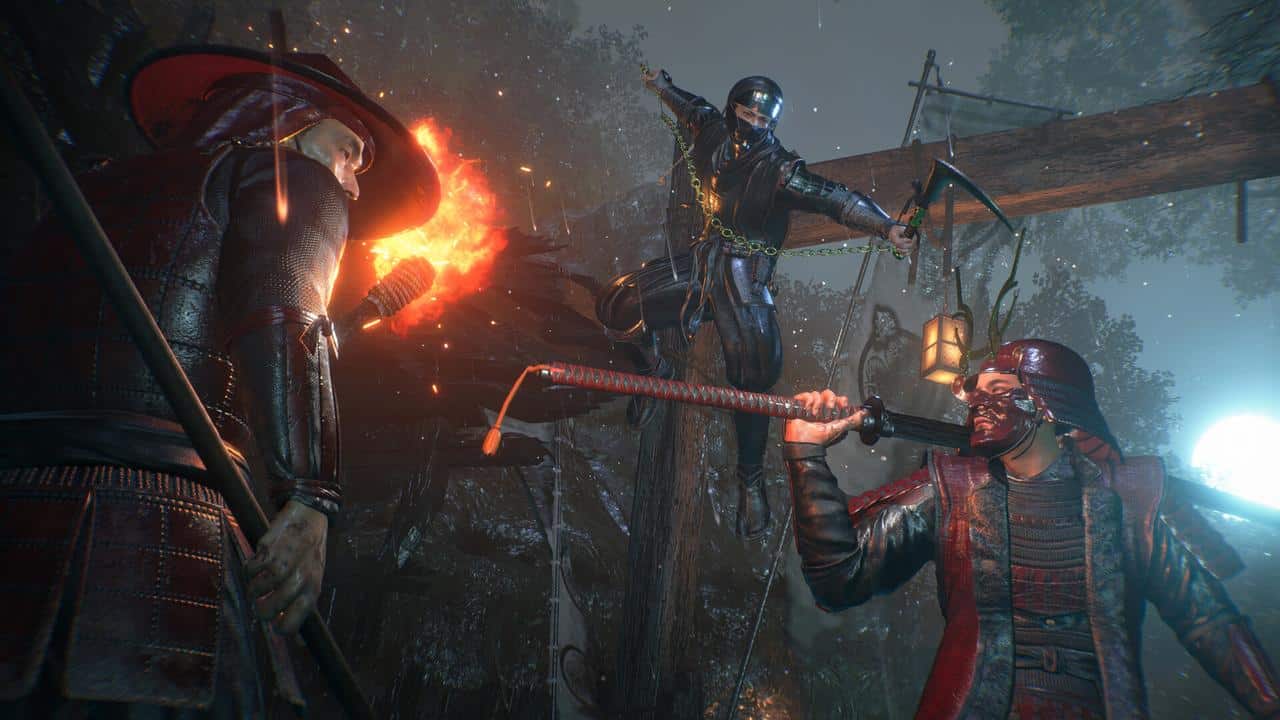
Switching to Ninja shifts that pace immediately. Movement becomes faster, positioning matters more, and Mist replaces ki pulse as your main recovery tool. You’re darting in, applying pressure, then slipping out before things turn bad. Ninja tools aren’t just add-ons either. They’re baked directly into combat flow, giving you ways to create openings rather than waiting for them. The game works best when you treat both styles as parts of the same toolkit instead of separate builds.
Boss encounters reinforce that idea. Many fights are tuned around forcing you to respond differently as phases change. You might rely on Ninja speed to avoid pressure early on, then swap to Samurai once an opening appears. Trying to push through using only one discipline usually feels inefficient, if not outright punishing.
Exploration, Pressure, and Staying Ahead of the Game
Exploration feeds directly into that combat loop. The larger, interconnected areas give you room to prepare when something feels overwhelming. Clearing side paths, enemy bases, and optional encounters helps you level skills, adjust gear, and learn enemy behaviour before pushing forward. Crucible zones take that pressure further by limiting your margin for error, pushing you to make cleaner decisions and use your full kit instead of brute force.
There’s a lot going on beneath the surface. Weapons, skills, Guardian Spirits, Soul Cores, and loot layers stack quickly, and it can feel like information overload early on. The game does a decent job explaining systems as they unlock, but it still asks you to pay attention and experiment. Auto-equip tools help keep things moving, especially if you don’t want to stop after every encounter to compare small stat changes.
Once things start to click, the systems stop feeling separate and start feeding into each other. Combat becomes less about memorizing patterns and more about reacting, adjusting, and staying one step ahead. That learning curve is real, but the payoff is a combat flow that feels flexible, demanding, and consistently engaging over long stretches of play.
Looks, Performance, and Sound
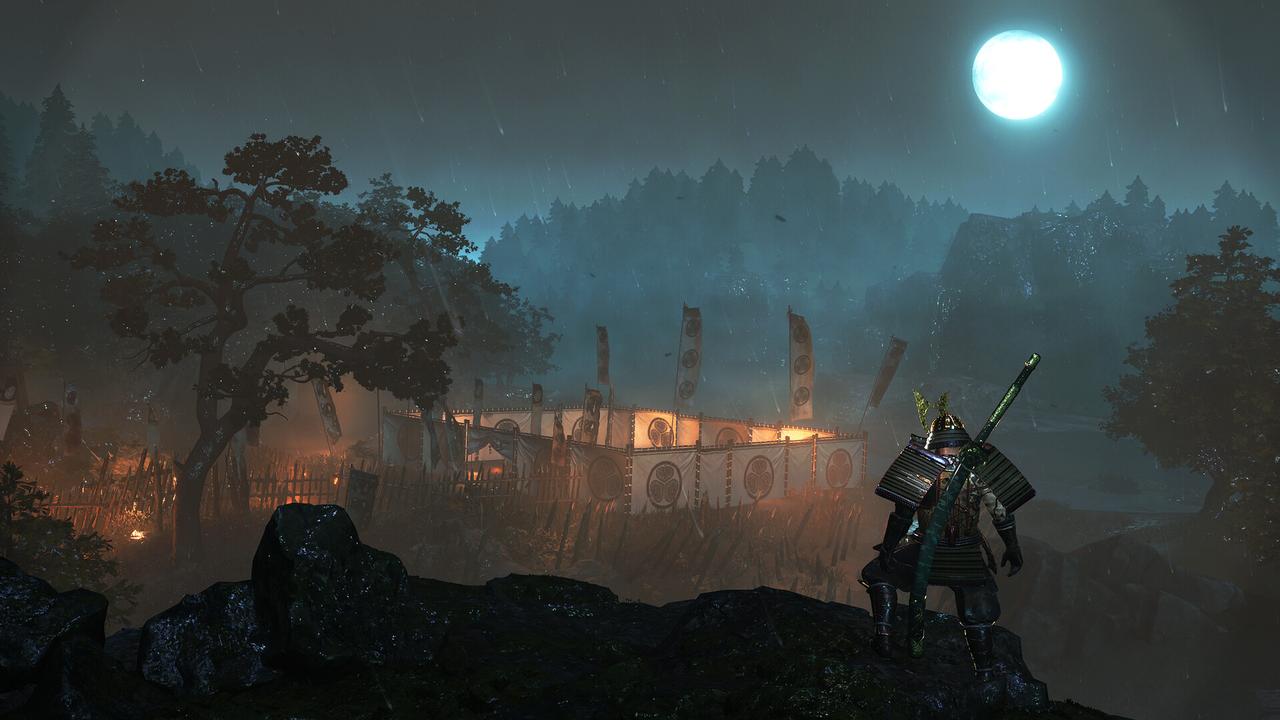
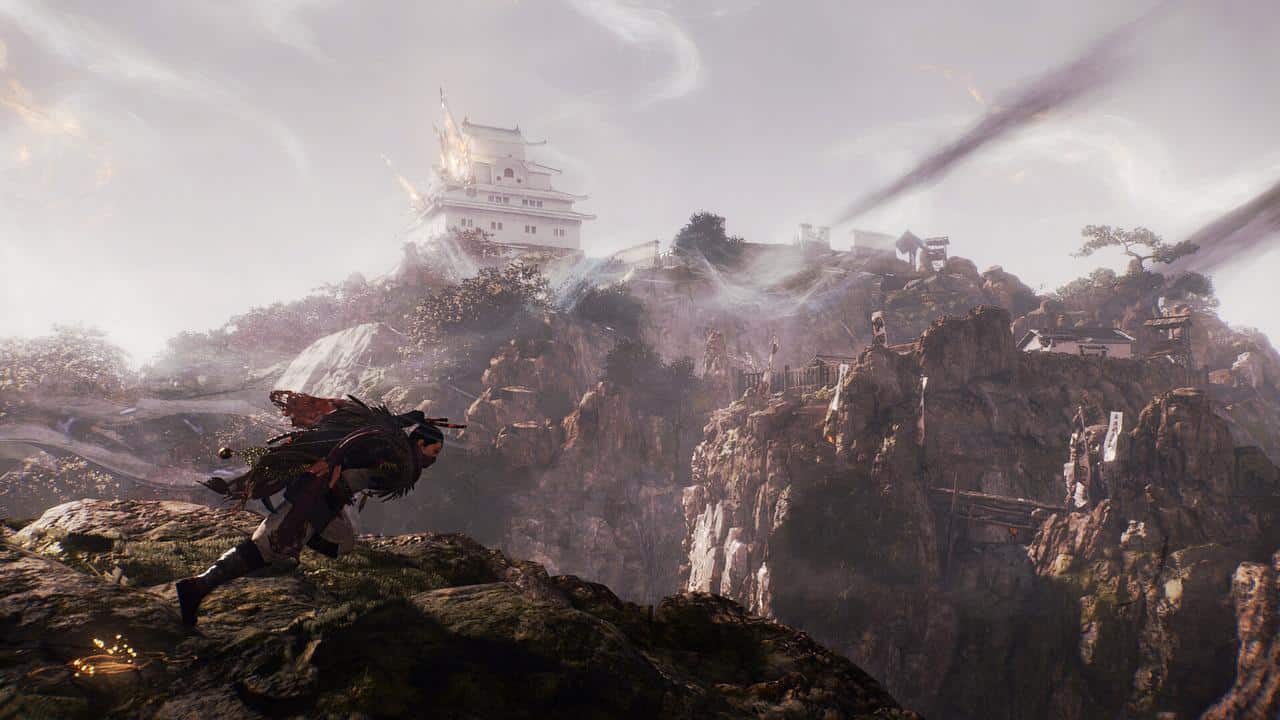
Nioh 3 looks immediately familiar if you’ve played the previous games. You’ll recognize the darker take on historical Japan right away. What’s different is how much easier it is to read what’s happening while you’re actually fighting. Enemy attacks, movement, and terrain details stand out more clearly, which helps when combat gets crowded or fast.

Enemy design sticks close to yokai folklore, with a mix of returning creatures and new ones that feel at home in this world. Human enemies show up more often, especially in larger areas, and their animations are easier to follow than before. You can usually tell when something is about to go wrong, which makes mistakes feel like your own instead of something the game hid from you. Switching between Samurai and Ninja stays smooth, and movement feels sharp no matter which style you’re using.
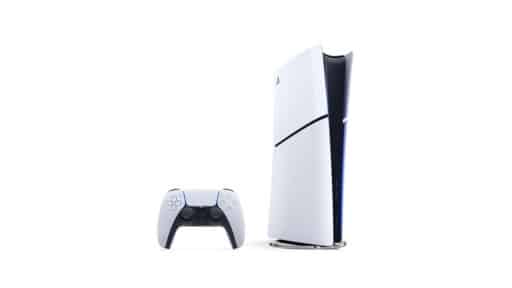
On PlayStation 5, the game feels solid where it counts. Fights stayed responsive, and timing didn’t fall apart even when things got busy. I ran into the odd dip in larger areas, but it never messed with my inputs or threw me off during a fight. In a game like this, that makes a difference.
Sound design does a lot behind the scenes. Weapon hits have weight, enemy sounds help you track threats without constantly turning the camera, and combat feedback makes it clear when an action worked or didn’t. The music fits the setting, but over long stretches it can start to repeat, especially if you’re retrying the same encounter. It does its job without becoming a focus.
Nothing here tries to steal attention from the gameplay. The presentation stays clear and dependable, which keeps you focused on fighting, moving, and making decisions instead of fighting the game itself.
Nioh 3 Feels Like a Game That Finally Expects You to Use Everything It Gives You
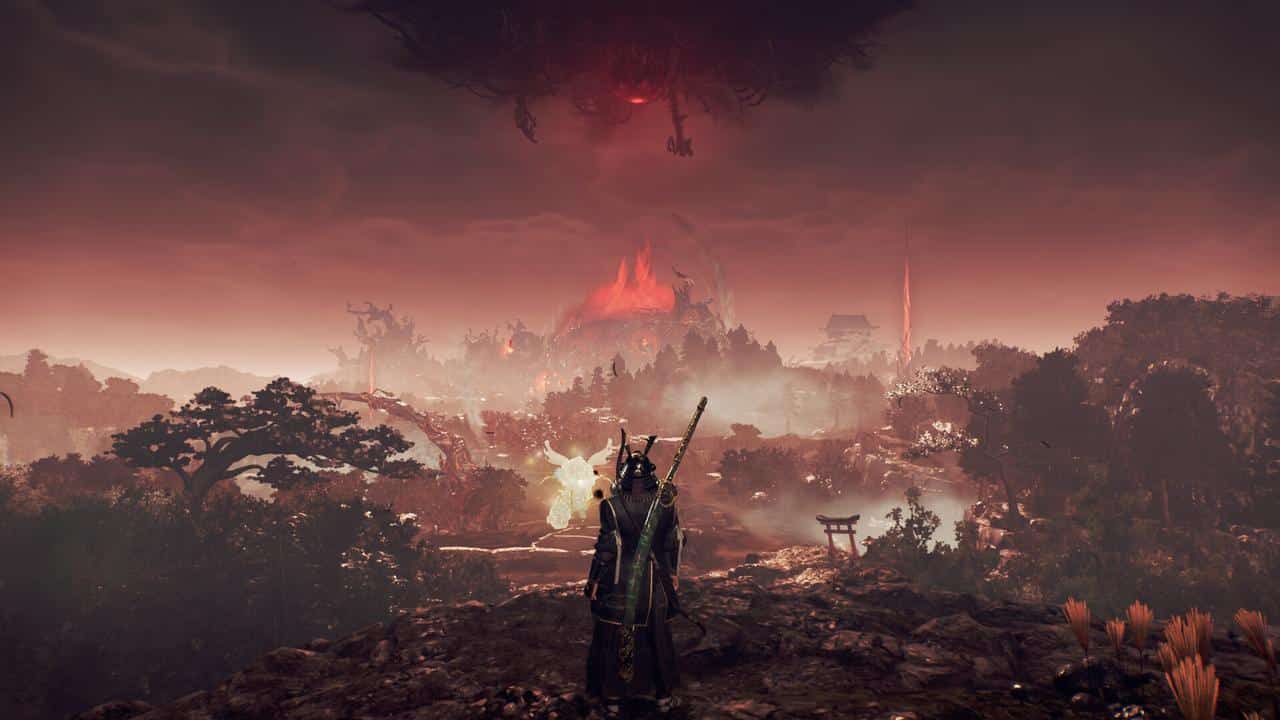
Nioh 3 doesn’t change what Nioh is. It just stops letting you get away with ignoring half of it. Combat keeps pushing you to adjust, switch styles, and react to what’s actually happening instead of leaning on whatever worked last time. The Samurai and Ninja split isn’t something you play around with for fun. It’s baked into how fights work, and the game keeps reminding you of that.
The bigger, connected areas help with that pacing. When something feels like too much, you usually have options. You can head somewhere else, fight different enemies, build things up a bit, then come back with a better handle on what’s going on. Bosses and Crucibles still hit hard, but they feel more like checkpoints for what you’ve learned than hard stops.
Not everything works perfectly. Sorting through loot can get tiring, and the story mostly exists to move you from one fight to the next. But once everything clicks, the game settles into a groove that’s easy to stick with. Combat stays interesting because you’re making choices constantly, not repeating the same answer over and over.
If Nioh already works for you, this is the cleanest version of it yet. And if earlier games lost you somewhere along the way, Nioh 3 does a better job of letting you learn without backing off on what it asks from you. It’s still demanding, but it gives you more room to figure things out as you go.
Nioh 3


Summary
Nioh 3 pushes you to actually use everything it gives you instead of letting one approach carry the whole game. Switching between Samurai and Ninja becomes part of how fights work, and the larger areas give you space to prepare when things feel overwhelming. The story mostly stays out of the way, and loot management can get tiring, but combat stays rewarding once it comes together. It’s demanding, but it gives you room to figure things out without lowering the bar.
As always, remember to follow us on our social media platforms (e.g., Threads, X (Twitter), Bluesky, YouTube, and Facebook) to stay up-to-date with the latest news. This website contains affiliate links. We may receive a commission when you click on these links and make a purchase, at no extra cost to you. We are an independent site, and the opinions expressed here are our own.