


It’s been over a decade since we’ve had a brand-new Katamari game. The last one, Touch My Katamari, rolled out on PlayStation Vita back in 2011. Since then, Bandai Namco has kept the series alive through remasters like Katamari Damacy Reroll and We Love Katamari + Royal Reverie, both of which polished up those PS2 classics for modern hardware. But Once Upon A KATAMARI finally brings something new, marking the first original entry in years for this wonderfully oddball series.
If you are new to it, Katamari is all about rolling things up, literally. You push a sticky ball called a Katamari around various stages, picking up everything from thumbtacks to skyscrapers. The more you roll, the bigger your Katamari grows, and the more absurd the world becomes. It’s part puzzle, part chaos, and somehow still relaxing.

Coming back to this series after so long felt strange at first. I’ve played every Katamari since the PS2 days, but I wasn’t sure if the formula would still hold up. It turns out that Once Upon A KATAMARI doesn’t just revive that familiar sense of satisfaction, it fine-tunes it for modern consoles with new modes, smoother controls, and a few clever surprises. It’s classic Katamari with a time-travel twist, and it feels good to be rolling again.
Story Across Time
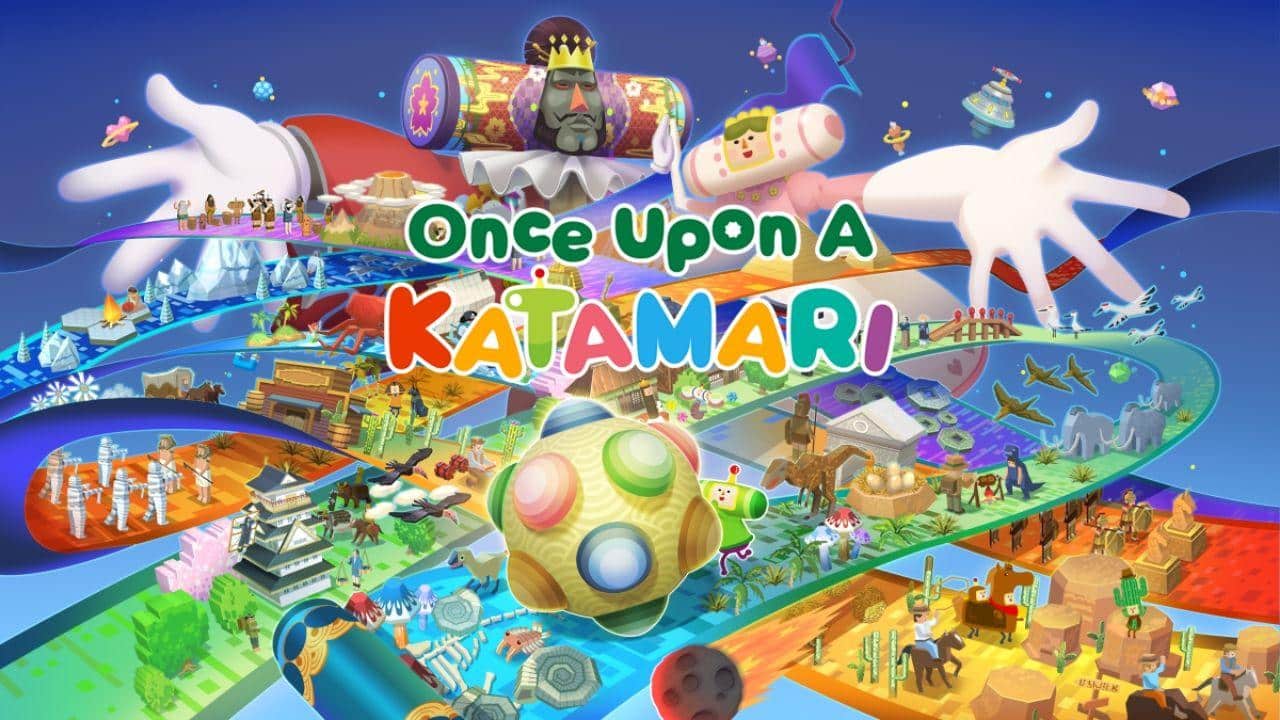
Once Upon A KATAMARI opens with another cosmic blunder from the King of All Cosmos. While showing off as usual, he accidentally launches a magical scroll into space, wiping out the stars and Earth itself. To fix it, he sends the Prince rolling through time to restore the planet, one era at a time. It’s a simple setup, but that’s all Katamari really needs.
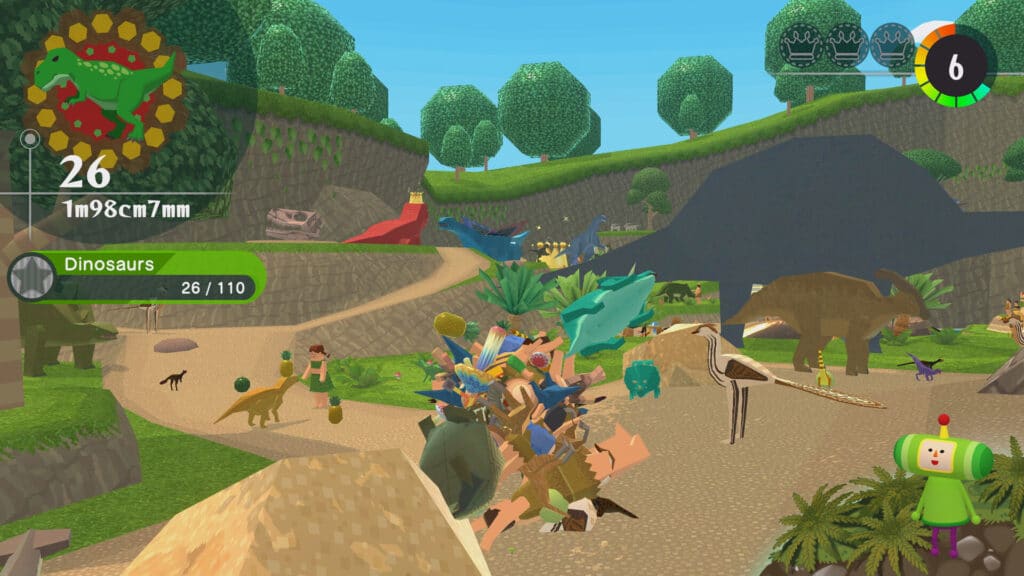
This time, the story spans several distinct time periods. You roll through the Jurassic era, collecting dinosaurs and ancient plants. Then you move into Ancient Greece, gathering philosophers and sculptures. The Wild West lets you scoop up saloons and tumbleweeds, while Ancient Egypt has you watering the desert and granting a pharaoh’s requests. Edo Japan acts as the centrepiece, full of shrines, lanterns, and clumsy samurai running for their lives. Each era feels playful in its own way, adding small story beats that fit the series’ offbeat humour.
The story may not matter much in the grand scheme, but it gives structure to the chaos. Rolling across history keeps things moving and gives the familiar formula a light sense of progression. Even without deep storytelling, it’s easy to enjoy the absurdity of rebuilding the world one historical mess at a time.

Rolling Through Eras
Once Upon A KATAMARI sticks closely to the series’ classic formula. You roll a sticky ball, pick up everything you can, and watch your Katamari grow from tiny trinkets to entire buildings. The controls still use both sticks, giving it that familiar tank-like feel, but movement is smoother this time around. The Prince handles better, and you can now charge a boost with a trigger instead of frantic stick-flipping. It feels cleaner without losing the challenge.

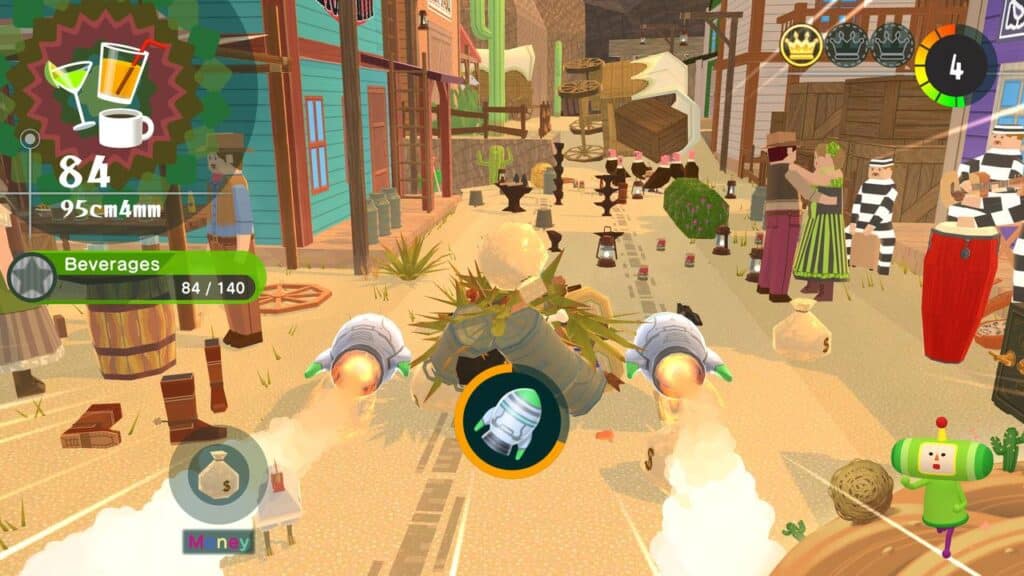
The new power-ups, called Freebies, bring welcome variety. Magnets pull nearby objects toward you, clocks freeze time, and rockets give you short bursts of speed. They sound small but make each stage feel a bit more strategic, especially when aiming for higher ranks. There’s even a radar that points out cousins and hidden crowns, which helps completionists without breaking the flow.
Most stages follow the same goal of rolling up as much as possible under a time limit, but each era mixes in unique tasks. One stage has you spreading water to restore a desert, while another asks you to roll up philosophers for a meeting in Ancient Greece. The mix of objectives keeps things from feeling repetitive, and unlocking new eras adds a nice sense of progress.
There’s also KatamariBall, a multiplayer mode where up to four people roll competitively online or locally. Matches get chaotic fast, with everyone trying to scoop up the same objects and bump each other off course. I had one round where I accidentally rolled another Katamari into the ocean and couldn’t stop laughing. It’s silly, quick fun that fits the series perfectly without overstaying its welcome.
Presentation and Personality
Once Upon A KATAMARI looks exactly how you remember it, just sharper and smoother. The bright, blocky visuals keep that low-poly charm from the PS2 days, now running at a stable frame rate with faster load times. It’s not flashy, but the style still works because the chaos on-screen is what matters. Watching your Katamari grow until you’re rolling up half a town never gets old.
Each historical era has its own visual identity. Edo Japan glows with lanterns and paper houses, while Ancient Egypt’s sandy terrain hides crowns and collectibles between monuments. The Jurassic era feels especially crowded, full of plants and creatures running in every direction. These settings give the game a sense of movement that matches its time-travel theme.
The music remains as catchy and offbeat as ever. Every level has its own track that fits the tone, from jazzy pop to light techno. Some songs return from older entries, and they sound great here. I caught myself humming one of them long after I stopped playing.
The game uses a narrator to fill in details about the King, Queen, and their cosmic drama. The voice work is fine, though some lines sound a bit too calm for Katamari’s wild energy. The cutscenes, though, are pure nonsense in the best way. The King’s over-the-top comments and mood swings still cracked me up after all these years. At one point, he scolded me mid-roll for ignoring his advice, and I almost sent my Katamari into a pond from laughing.

While Once Upon A KATAMARI may not reinvent the series’ look, it captures everything that makes Katamari fun to watch, hear, and play.
Once Upon A KATAMARI Brings Back the Fun Without Overdoing It
Once Upon A KATAMARI feels like a proper return for one of gaming’s strangest comfort series. Bandai Namco didn’t try to reinvent what already works. Instead, this entry focuses on smoother controls, playful time-travel stages, and small updates that make rolling through chaos more enjoyable than ever. It’s familiar, yet still full of surprises.
Rolling across history gives the game a sense of purpose beyond its usual randomness. The stages are colourful and distinct, and the mix of goals keeps things interesting. I liked how every new era brought something unexpected, whether it was collecting roses for a pharaoh or trying not to get crushed by dinosaurs. The power-ups and radar upgrades make replaying levels more rewarding, especially for completionists chasing S-ranks and crowns.
That said, some of the new features could have gone further. Customization feels limited, and while KatamariBall is fun in short bursts, it doesn’t have much staying power. A few levels still suffer from awkward camera angles, but they’re brief enough not to spoil the fun.
After so many years away, playing Once Upon A KATAMARI reminded me why this series has always stood out. It’s not about deep storytelling or flashy visuals. It’s about the simple, satisfying rhythm of rolling through a world that never stops being weird. I caught myself smiling more than once during a late-night session, watching my Katamari grow from pencils to skyscrapers. It’s that kind of quiet joy that makes this return worth the wait.
Once Upon A KATAMARI
Summary
Once Upon A KATAMARI brings the series back with smoother controls, clever power-ups, and time-travel stages that feel fresh without straying too far. The bright visuals, catchy soundtrack, and chaotic energy all stay true to Katamari’s charm. Customization and multiplayer could use more depth, but the core rolling fun hasn’t lost its touch. It’s a joyful return that reminds you why rolling everything in sight never gets old.

As always, remember to follow us on our social media platforms (e.g., Threads, X (Twitter), Bluesky, YouTube, and Facebook) to stay up-to-date with the latest news. This website contains affiliate links. We may receive a commission when you click on these links and make a purchase, at no extra cost to you. We are an independent site, and the opinions expressed here are our own.