


I finished the first Planet of Lana a couple of years ago and it carved out a permanent spot in my memory. Not because of anything complicated. The story is simple, the controls are straightforward. But Lana and Mui worked their way into my head, and the wordless way Wishfully told their story left more of an impression than a lot of games with full voice casts and elaborate cutscenes. So when Planet of Lana II: Children of the Leaf arrived, I had one real question: did they keep that feeling?
They did. And then some. Two years have passed since Lana and Mui saved their planet from the invading machines. The world of Novo has changed. Those machines are no longer enemies. They are now integrated into daily village life, working alongside people rather than against them. But not everything has moved peacefully forward.

The Dijinghala, a splinter faction of humans, are mining the planet for unknown resources, and when ore they have dumped near the village causes Lana’s niece to fall into a coma, you and Mui set out to gather the ingredients for a cure. It sounds modest as a premise. It doesn’t stay that way.
A World That Has Moved On
Children of the Leaf opens at a more grounded pace than the original. The first chapter asks you to reacquaint yourself with Lana and Mui while moving through a village that shows how much Novo has changed. Machines work alongside people now, and that comes through in what you observe: a mechanical arm helping with construction, a robot tending to something in the background. It’s shown rather than explained, and it is a smart way to establish the new status quo.
The story runs on two tracks. You and Mui are chasing ingredients for medicine while Elo and the village guard deal more directly with the Dijinghala threat. Brief updates on both threads keep the world feeling larger than just what you are immediately doing, and the personal stakes around the sick child give the journey a clear emotional reason to keep going.
There isn’t a single word of real language in this game. All dialogue is in a fictional tongue with no subtitles, and it works because the voice cast delivers it with enough inflection and emotional range that you understand the gist of nearly every exchange. Lana is excitable and bright early on. As things get harder and more personal, that changes. You feel it without needing a translation.
Lana and Mui Have New Tricks
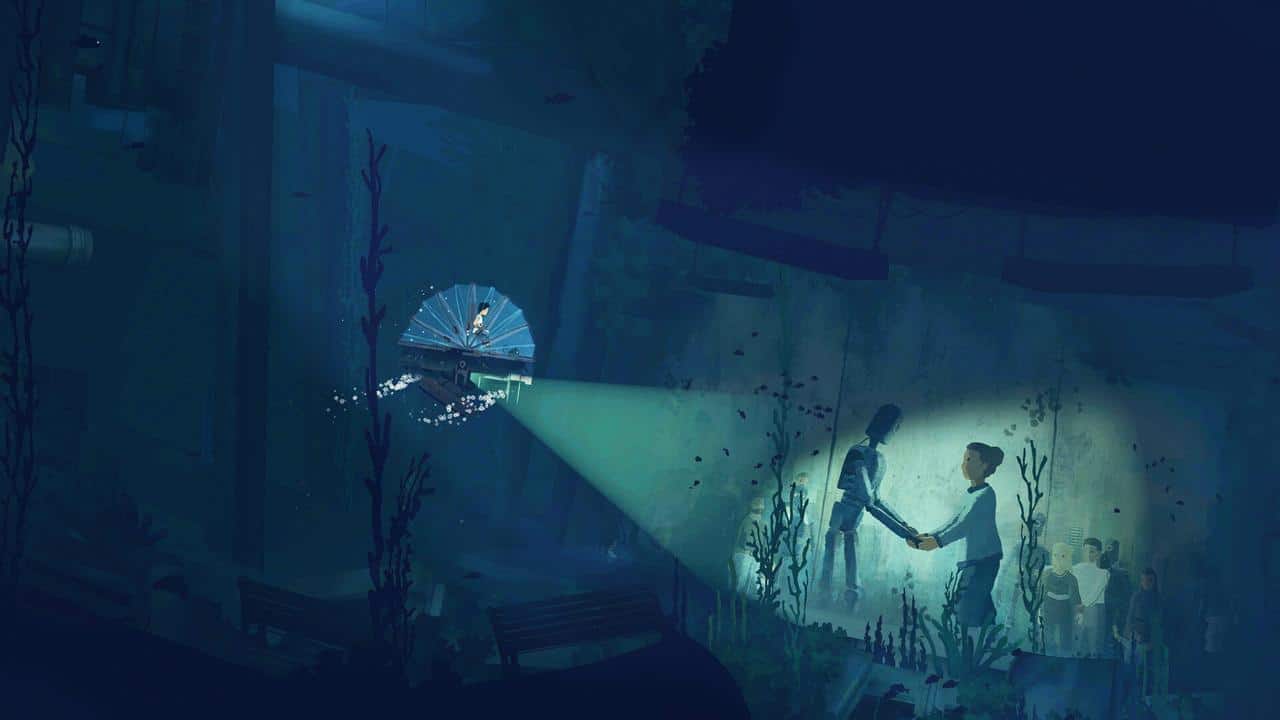
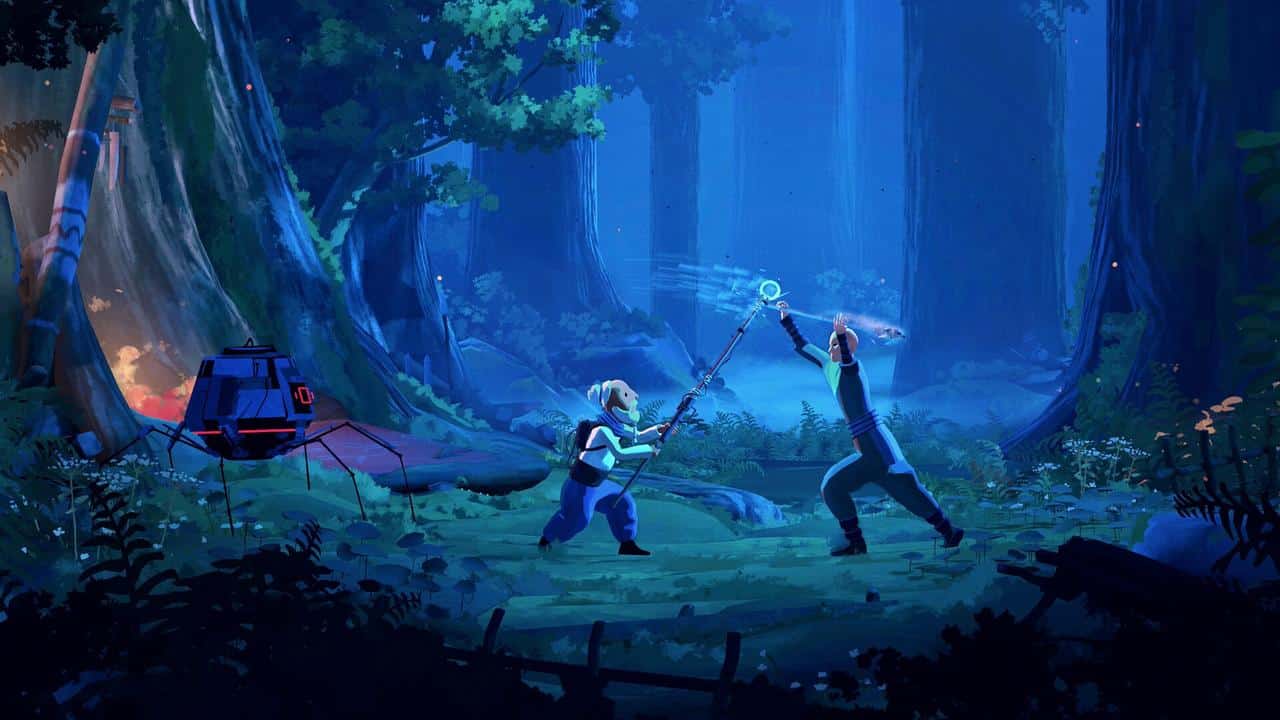
Lana moves faster and more fluidly than I remembered from the original, and Mui has picked up new abilities. Mui can emit a pulse that temporarily shuts down electronics and allows possession of certain creatures. Lana, meanwhile, can hack into drones and take direct control of them. These tools shift how you approach puzzles from one area to the next.

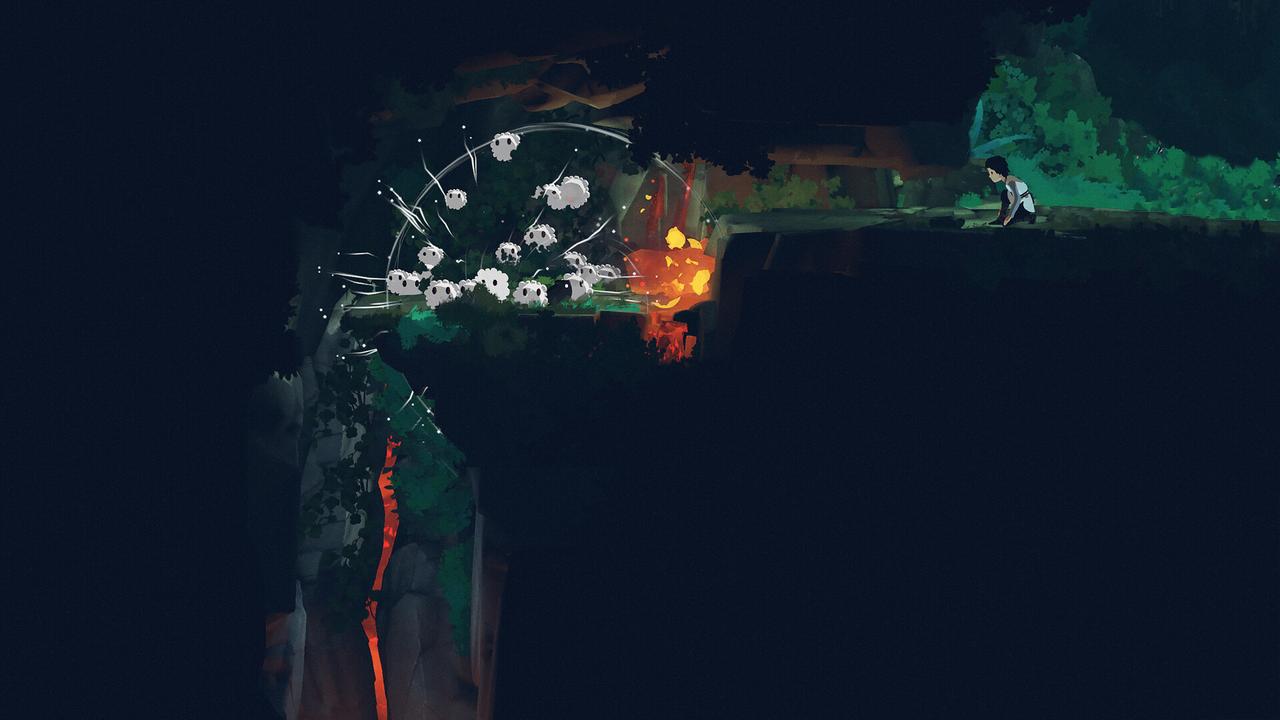
One sequence in the Dijinghala mountain base gives you a good sense of how layered things get. A nest of creatures that Mui can control will lay threads across gaps. Those threads can be ignited. A mining robot attracted to glowing ore can be lured into position. A sentry turret that looks like a hazard turns out to be the trigger you need to set everything off. Working out the order of operations before touching anything is where the satisfaction lives.
Not every puzzle reaches that level of intricacy, and there are stretches where one puzzle follows another without much variation in pace. It is not a new problem. The first game had the same tendency, and while Children of the Leaf handles it better overall, it has not been fully resolved. Stealth sections, underwater swimming, drone piloting, and a tense escape from a cavern flooding with toxic gas all keep the variety up across the rest of the experience. You’re looking at around five to six hours to complete it, which is short, but very little of those hours drags.
Hand-Painted and Impossible to Ignore
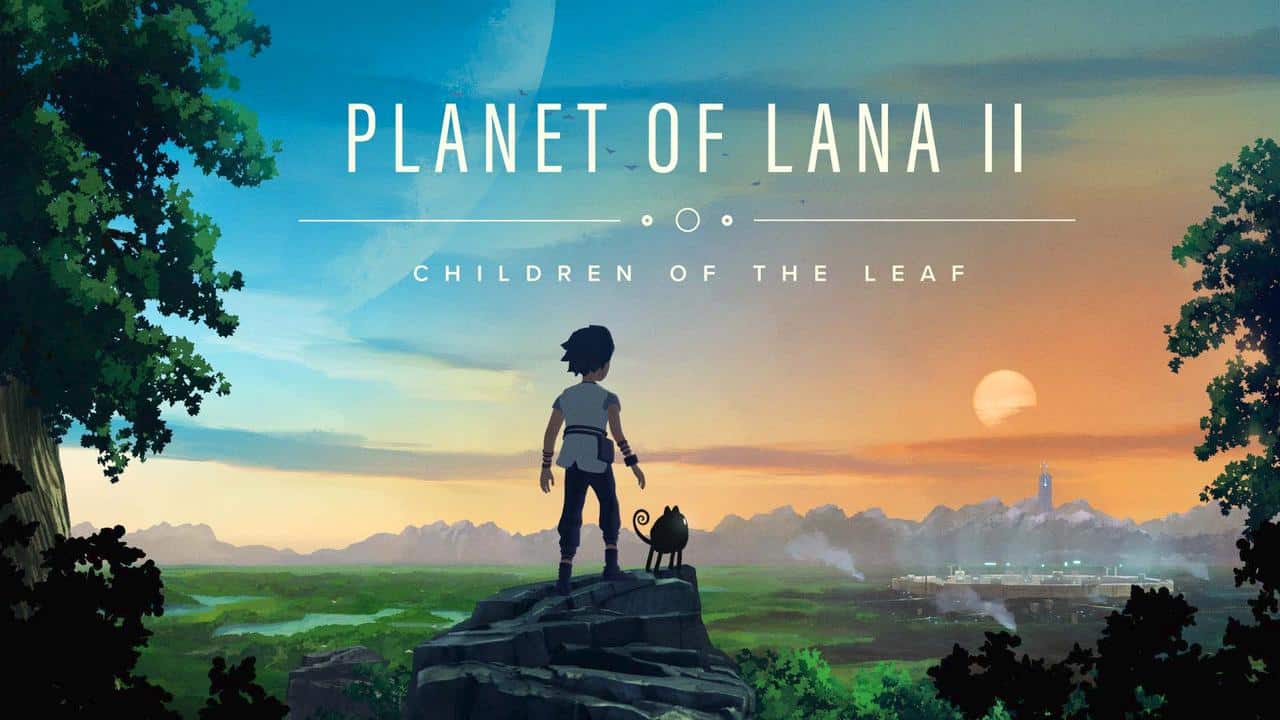
Children of the Leaf is the kind of game you genuinely want to just sit and look at. Every environment looks like a hand-painted illustration brought to life: snowy mountain passes, tropical coastlines, deep underwater stretches where the light catches the water differently depending on your depth. Wishfully doesn’t rush you through these areas. There are moments where Lana and Mui simply cross a landscape, existing in it, and the game holds on those moments long enough for you to appreciate them. It’s worth stopping to look.
The score, composed by Takeshi Furukawa, who previously worked on The Last Guardian, is genuinely cinematic and impossible to tune out. Rich brass arrangements and soaring strings build a sense of scale that tracks closely with whatever is happening on screen. It doesn’t call attention to itself. It deepens whatever you are already feeling in a given moment. Together, the art direction and music create something that lingers well after the credits. I found myself leaving the game running just to sit in it for a while.
Planet of Lana II: Children of the Leaf Delivers Everything the Original Promised
Planet of Lana II: Children of the Leaf is not a reinvention of the original. It is an assured refinement, better paced, more varied in what it asks of you, and richer in the world it shows you. The bond between Lana and Mui remains the emotional core, and Wishfully keeps finding new ways to put that bond to work in both the story and the puzzles.
If you played the first game and loved it, this is exactly what you wanted more of. If you haven’t played either, start with the original. Then come here. You won’t regret it.
Planet of Lana II: Children of the Leaf

Summary
Wishfully took everything that worked in the original and made it better. The puzzles are more inventive, the world is richer, and Lana and Mui’s bond carries the whole thing without ever feeling forced. It’s short, and the new abilities leave you wanting more. But Planet of Lana II: Children of the Leaf is a beautiful, emotionally honest game that earns every moment it asks of you.
As always, remember to follow us on our social media platforms (e.g., Threads, X (Twitter), Bluesky, YouTube, and Facebook) to stay up-to-date with the latest news. This website contains affiliate links. We may receive a commission when you click on these links and make a purchase, at no extra cost to you. We are an independent site, and the opinions expressed here are our own.