



I didn’t expect Pokémon Legends Z-A to pull me back in so quickly. After Pokémon Legends: Arceus showed what a real shake-up could look like, I wondered if this follow-up would find the same spark or just repeat the formula. It didn’t take long to see this one aims higher.
The whole thing takes place inside Lumiose City. It drops the open fields for tighter spaces and real-time fights. You’re not wandering anymore; you’re climbing rooftops, slipping through alleys, and fighting under neon lights. The focus leans more on battling than catching, and it actually feels faster once you settle in. It’s still Pokémon, just sharper and more immediate.


That change makes a big difference. The new gameplay brings fresh energy, and the city setting gives the series a different kind of life. It’s not about covering miles of open terrain anymore. It’s about learning every corner of one place and mastering it. After a few hours, I stopped missing the open fields from Arceus. Lumiose is its own world, full of secrets, stories, and yes, plenty of fights waiting around every corner.
A City Divided by Evolution
The story in Pokémon Legends Z-A centres on the Z-A Royale, a tournament that turns Lumiose into a city-wide battlefield at night. You start at the bottom and climb from rank Z to A, facing other trainers while uncovering what’s really behind the competition. The setup’s straightforward. It works because everything circles back to Lumiose and the people living there.
The Royale isn’t just for glory; it’s tied to Lumiose’s bigger problem: Rogue Mega Evolution. Pokémon are evolving without their keystones, losing control, and causing chaos across the city. The idea sounds over the top, but it fits perfectly with the game’s urban focus. Every major battle feels tied to the city’s recovery, and you get a sense that your progress actually matters to the people living there.
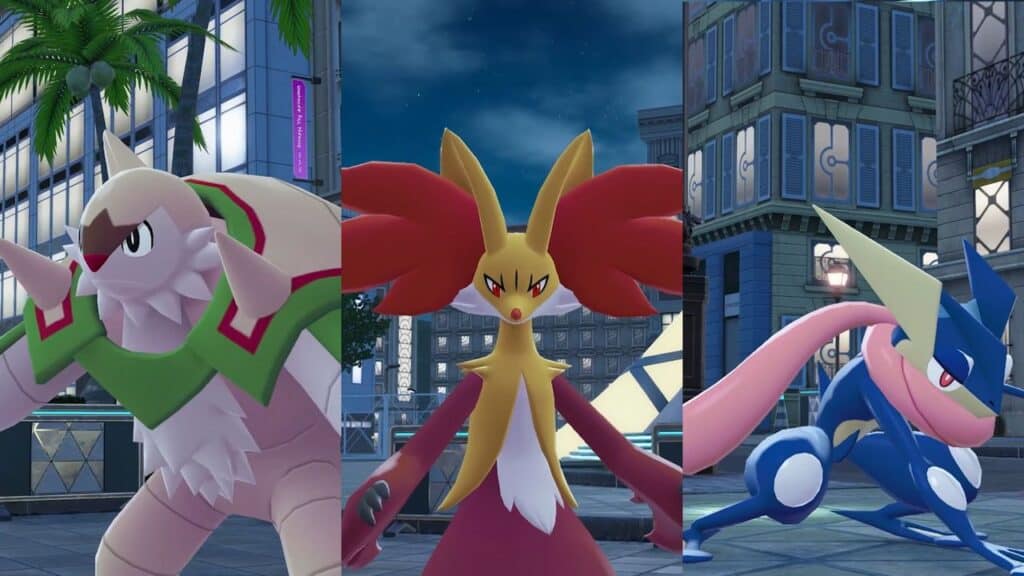
The story’s pacing is tighter than I expected. Cutscenes are more cinematic, and dialogue gives side characters enough personality to keep things moving. The smaller scope helps too. Instead of a sprawling region, Lumiose itself becomes the story’s heart, with each district reflecting how the city is changing under pressure.
I liked how the personal stakes stayed grounded. You’re not saving the world; you’re saving one city from itself. That shift made the journey feel more focused and believable. I caught myself caring more about a single block of Lumiose than entire regions from past games. It’s a smaller story, but one that feels confident about what it wants to be.


Battles in Lumiose City
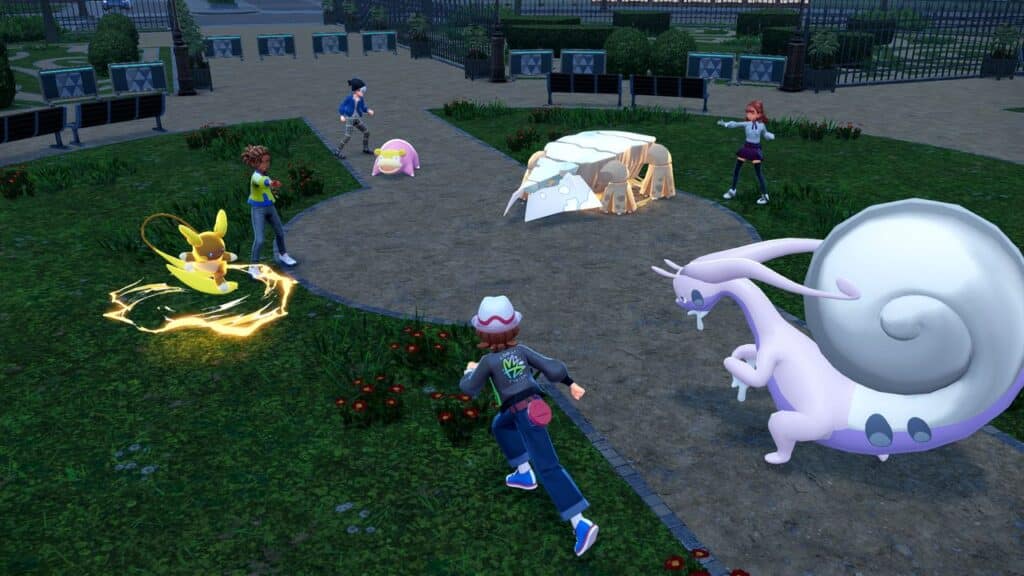
Pokémon Legends Z-A changes how the series feels to play. Combat is now fully real-time, putting you and your team directly in the fight. You move, dodge, and shout commands in real time instead of waiting for turns. Every action has a short cooldown, so things never slow down. It’s easy to grasp after a few matches, though it takes a while before it really clicks. Once it does, fights feel faster and more reactive than anything in past games.
The Z-A Royale sets the rhythm for everything. You battle through different zones at night to earn points, collect a challenger ticket, and climb toward the next rank. The loop sounds simple, but it works because the fights never feel identical. Trainers use different strategies, and Wild Zones scattered through the city let you catch and train new Pokémon between matches. It’s the familiar Pokémon cycle, just with a faster pulse.
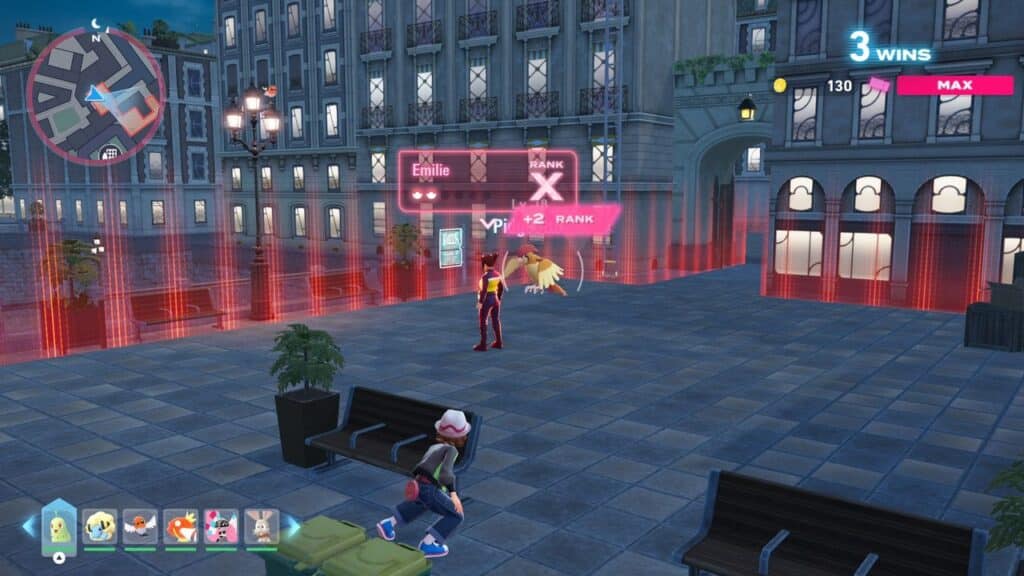
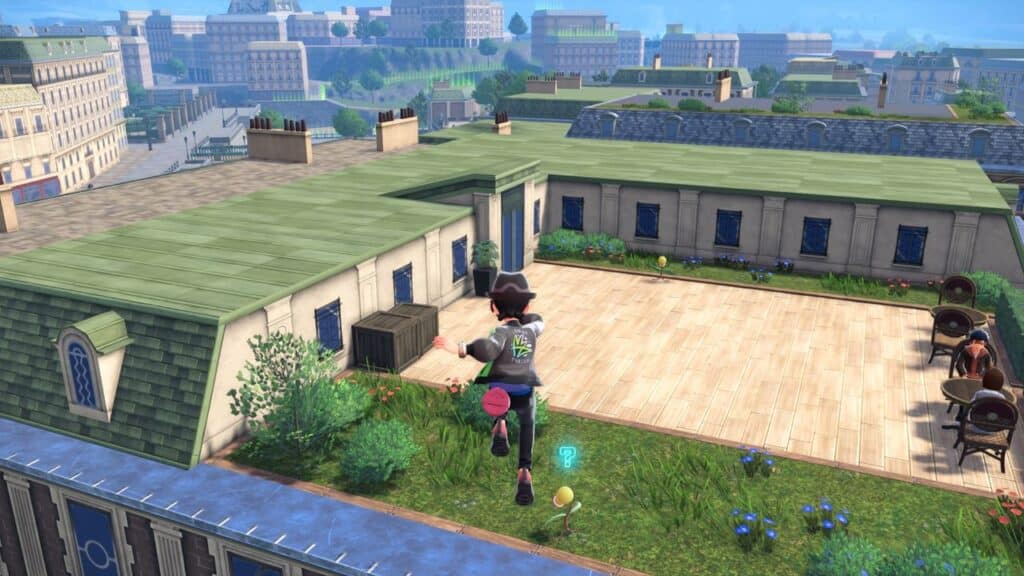
I liked how every part of Lumiose ties into the gameplay. Rooftops and alleys aren’t just decoration. You can sneak through them, take shortcuts, even pull off a quick ambush if you time it right. Early on, I slipped behind another trainer and got the first hit in before they noticed. It felt sneaky, a little lucky, and completely satisfying. It felt clever and chaotic at the same time.
The only thing that takes away from the momentum is the balance. Early opponents go down too easily, even when using Mega Evolutions. Still, the real-time system keeps things fun, and chaining attacks together feels surprisingly natural once you learn the rhythm.
Life and Light in Lumiose
On Nintendo Switch 2, Pokémon Legends Z-A runs smoothly and looks better than any mainline entry before it. Frame rates stay consistent, even in big city battles or during busy night scenes, at least from what I’ve seen. Load times are short, and I never saw the kind of stutter or pop-in that slowed down older games. Lumiose feels full of life, with moving crowds, glowing lights, and detailed backdrops that make every district feel distinct.
The city’s design stands out most when you explore vertically. Rooftops connect with walkways and signs that light up the skyline, while alleyways hide shops, shortcuts, and Wild Zones. It’s a smaller world, but the detail gives it personality. Even the reflections in puddles and glass catch your eye. It finally feels like a Pokémon city you can live in, not just run through.
The audio work surprised me. Battle effects have real weight, from the crack of a thunder move to the impact of a tackle. The music shifts tone between day and night, turning calm daytime exploration into energetic evening duels. One track during a Mega Evolution fight caught me off guard with how intense it got. It pushed me to stay in the fight longer than I planned.

Character animation has improved too. Expressions land better, and cinematic angles make key story scenes more natural. It’s still limited compared to other RPGs, but Z-A finally shows what Pokémon can look like when the hardware keeps up with the vision.

Pokémon Legends Z-A Trades Open Fields for Focused, Fast-Paced Battles
Pokémon Legends Z-A proves that the series can still take real risks and make them work. The shift to real-time combat changes everything, turning battles into quick, reactive encounters where timing matters as much as type advantage. It feels fast and surprisingly natural once you get used to how it all moves. The Z-A Royale keeps that energy alive, pushing you to climb higher through each rank while uncovering the city’s problems along the way.
Lumiose City gives the game a strong identity. It’s smaller than past regions, but it’s detailed enough to make exploration rewarding. Every block feels like it belongs to a living world instead of a static map. The music, performance, and presentation all help the city feel grounded in a way Pokémon hasn’t managed before. It’s easy to lose hours here, chasing points and catching stray Pokémon under streetlights.
Not everything lands. The early story takes its time to open up, and most rank fights are too forgiving once you start using Mega Evolutions. Still, the real-time system, clean visuals, and steady performance on Nintendo Switch 2 make this one of the most enjoyable Pokémon experiences in years.
By the time the credits rolled, I felt like this was the direction the series should keep following. Pokémon Legends Z-A doesn’t reinvent everything, but it makes each battle, shortcut, and rooftop jump feel like progress. It’s confident, fast, and full of personality. A strong step forward for the series.
Pokémon Legends Z-A
Summary
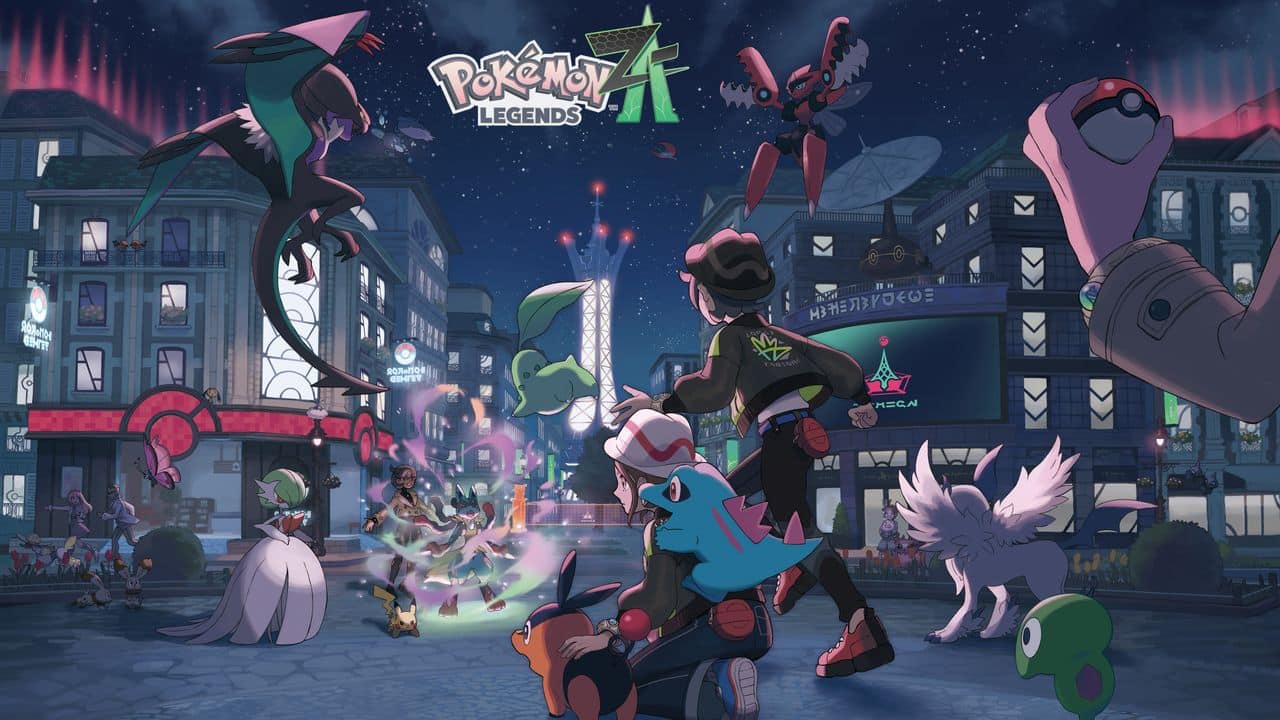
Pokémon Legends Z-A delivers fast, real-time battles and a focused story set entirely in Lumiose City. The new combat system feels fresh, and performance on Nintendo Switch 2 is rock solid. While early fights are a bit easy, its style, polish, and city detail make this one of the best Pokémon experiences in years.



As always, remember to follow us on our social media platforms (e.g., Threads, X (Twitter), Bluesky, YouTube, and Facebook) to stay up-to-date with the latest news. This website contains affiliate links. We may receive a commission when you click on these links and make a purchase, at no extra cost to you. We are an independent site, and the opinions expressed here are our own.




Great review, Jon!