


Reanimal opens with you alone on open water, moving forward with nothing around you except darkness and whatever shapes you can barely make out ahead. There’s no interface explaining what’s happening or where you’re supposed to go. You just guide the boat forward and watch the shoreline as it slowly comes into view. When you pull your companion from the ocean and step onto land together, the game immediately shifts from isolation into constant movement through unfamiliar territory.
From there, the world unfolds through what you do rather than what it tells you. You move through flooded docks, broken structures, and narrow passages where visibility is limited and every path has to be found manually. Progress doesn’t come from markers or prompts. It comes from noticing climbable ledges, openings in walls, and objects placed just far enough away to make you stop and figure out how to reach them. You’re always watching your surroundings, and that keeps even simple movement focused and deliberate.



Reanimal builds on the foundation established in Little Nightmares, but the move into fully 3D spaces changes how you navigate. Areas open up, giving you more room to explore while still guiding you forward naturally. Movement isn’t limited to a single direction anymore. Instead, you explore layered environments where positioning, timing, and awareness affect how you progress.
You understand early on that cooperation and observation are what keep you moving forward.
A Journey Defined By Staying Together
Reanimal follows a brother and sister searching for their missing friends, and it establishes their relationship through what you do together rather than through long cutscenes. Early on, you guide the brother across open water before rescuing the sister and continuing forward as a pair. From that point on, they stay together, helping each other climb, reach higher surfaces, and get through spaces neither could manage alone. Their cooperation isn’t just part of gameplay. It defines how the story moves forward.
Dialogue stays limited throughout the experience. The siblings speak occasionally, reacting to what they see or warning each other of danger, but most of the story comes from the environments themselves. You move through abandoned structures, damaged machinery, and locations that show clear signs of what happened before you arrived. The game doesn’t stop to explain these moments directly. Instead, you piece things together based on where you are and what you find along the way.
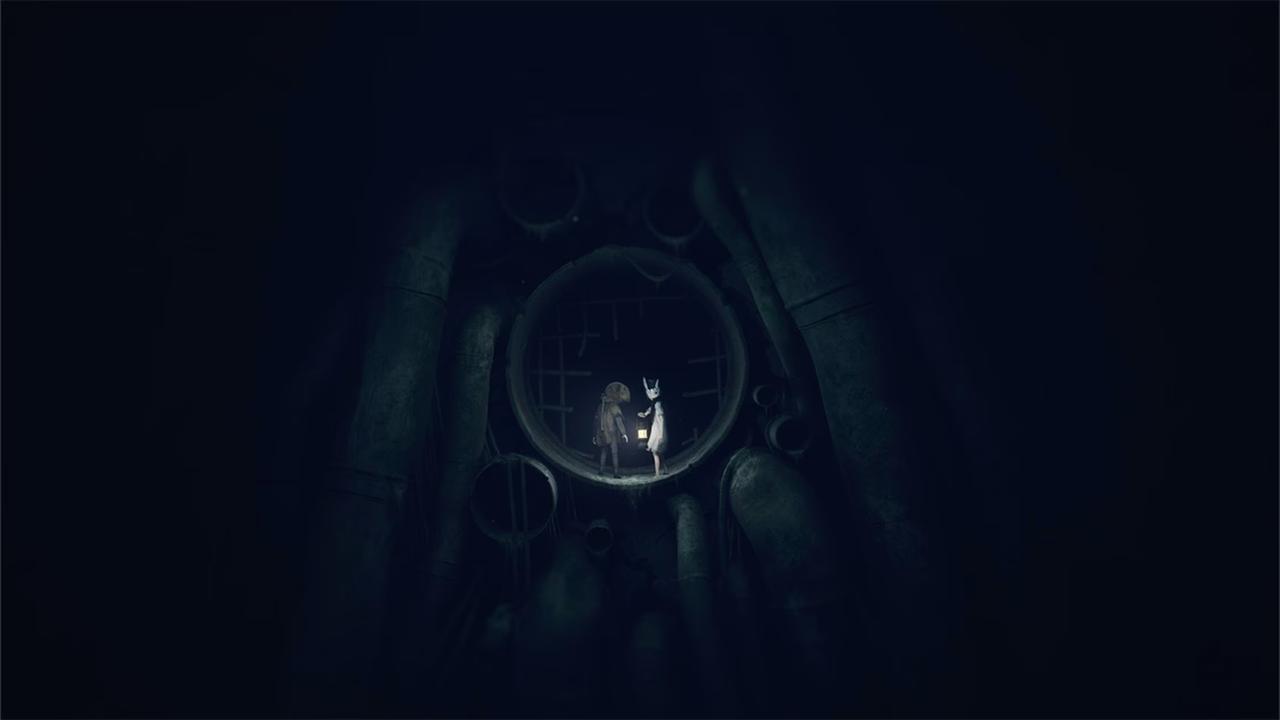
As you progress, you continue finding signs of the friends they’re trying to reach. Each new area shows more of the path those friends took and what they encountered. This keeps the focus on moving forward, following their trail and trying to reach them.

Because both siblings remain present throughout gameplay, their relationship stays central to the experience. They react to danger together, assist each other constantly, and rely on one another to survive. Their journey never separates story from gameplay, and their partnership remains at the centre from beginning to end.
Working Together Is The Only Way Forward
Reanimal constantly asks you to work together. Most obstacles require both siblings to act in coordination, whether that means boosting each other onto higher platforms, holding mechanisms in place, or activating switches at the same time. You’re always thinking about where both characters need to stand and what they need to do next. When playing alone, the AI companion stays close and responds quickly, allowing puzzles and traversal to continue without slowing things down. Progress never feels tied to one character. It depends on using both of them together.
Exploration shapes how you move forward. While each area leads to the next, you’ll regularly find side rooms, alternate paths, and hidden spaces. Some contain collectibles, while others hold objects needed to continue. The game doesn’t point you in the right direction. Instead, you watch for climbable ledges, small openings, or interactable objects that blend into the environment. Finding the path forward depends on paying attention to your surroundings and figuring out how to reach the next space safely.
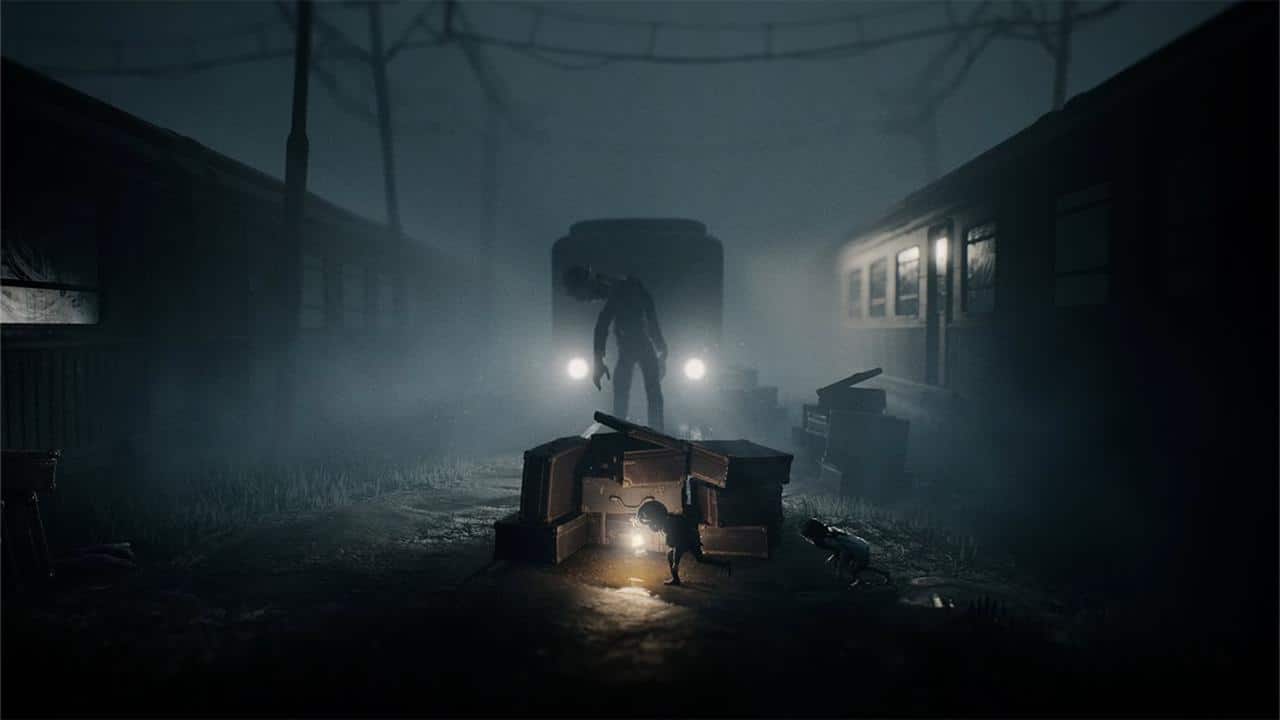
Light plays a direct role in navigation. The sister’s lantern and the brother’s lighter illuminate nearby surfaces, helping reveal switches, pathways, and objects that would otherwise be difficult to see. In darker areas, you rely on these light sources to understand where you can move and what you can interact with.
Whether I was climbing, sliding through tight spaces, or reacting quickly when something started chasing me, movement stayed responsive and predictable. Chase sequences force fast decisions as you look for the right path forward, while the camera adjusts automatically to keep both characters and nearby threats visible. You never have to fight the camera to see what’s happening, which makes it easier to react and keep moving.
Combat shows up occasionally, but most of the time you’re trying to escape rather than fight. The focus stays on getting through each area safely and working together to keep moving forward.
Seeing And Hearing Become Part Of Survival
Reanimal keeps most of its world in darkness, forcing you to rely on the light sources carried by each sibling. The sister’s lantern and the brother’s lighter reveal nearby surfaces, pathways, and objects as you move forward. Areas that look empty at first start to show climbable ledges, openings, and switches once you get closer. You’re constantly moving your light across the environment to understand where you can go next.

Environmental detail makes each area easy to read once you slow down and look around. Flooded docks, collapsing buildings, and industrial spaces are filled with objects that help guide movement forward. You learn to recognize which surfaces you can climb and which paths lead deeper into the area. Character movement stays clear, even in darker spaces, making it easy to follow both siblings as they climb, boost each other, and move through tight areas.
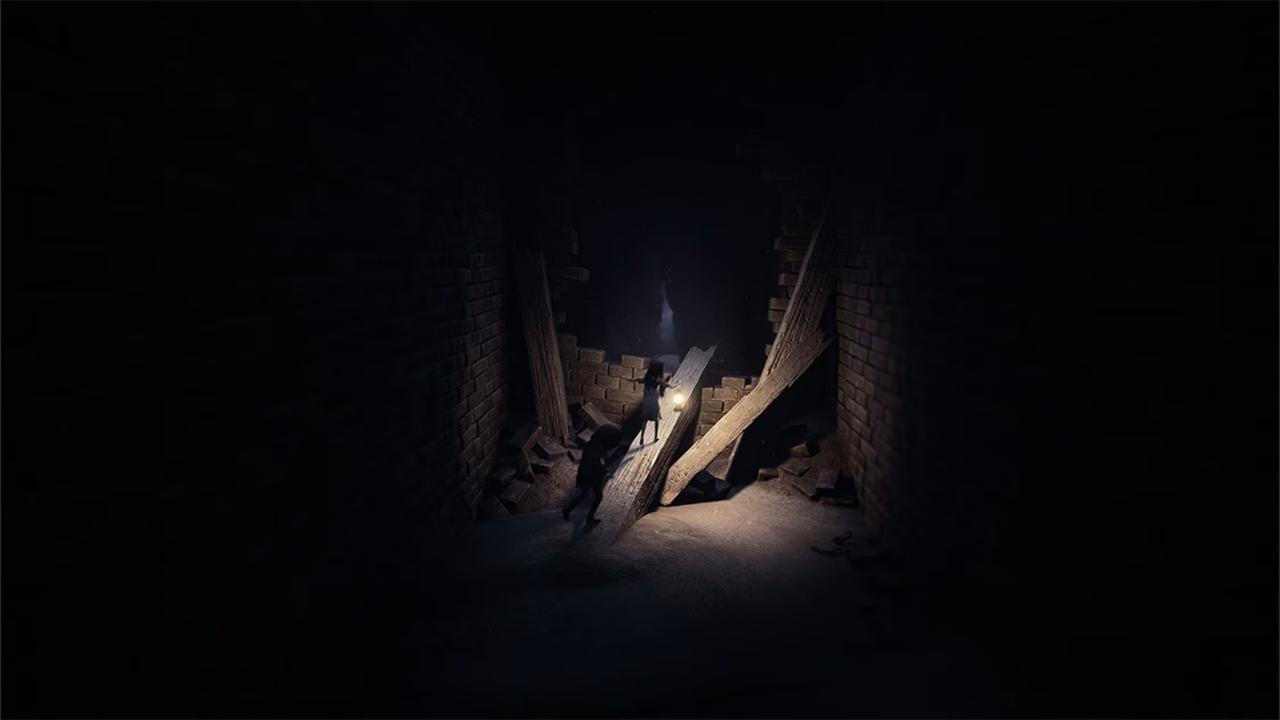
Sound also plays a major role in how you understand your surroundings. You hear machinery in the distance, movement nearby, and subtle environmental noises that signal something ahead. Footsteps, object interactions, and environmental sounds remain clear, helping you stay aware of where you are even when visibility is limited.
On Nintendo Switch 2, nothing got in the way while I was playing. Movement stayed smooth, and areas loaded naturally as I progressed. Whether I was exploring or trying to escape something, everything responded the way I expected it to.

Reanimal Builds Your Entire Journey Around Working Together
By the time I reached the end of Reanimal, it was clear how much everything depended on working together and paying attention to what was around me. Every new area built naturally on what came before it. I was always thinking about where both siblings needed to go, when to help each other climb, and how to move forward without getting separated.
Their partnership stays at the centre the entire time. Progress never feels tied to just one character. Whether I was solving puzzles, exploring new areas, or trying to escape something, both siblings had to stay in sync. Even playing alone, the AI companion kept up and responded when needed, so I could stay focused on moving forward instead of worrying about controlling both characters.
Exploration also stays consistent from start to finish. The game never points you in the right direction. I had to rely on what I could see, using light to reveal paths and watching the environment closely to figure out where to go next. That made every new area feel connected, because I was constantly learning how the world worked and applying that as I moved forward.
Combat never becomes the main focus, and it doesn’t need to. Most of the time, I was trying to avoid danger and keep moving. If you enjoyed Little Nightmares or Little Nightmares II, Reanimal builds on that same approach while giving you more freedom in how you explore and move forward.
Reanimal



Summary
Reanimal will feel familiar if you’ve played Little Nightmares or Little Nightmares II, but the shift into fully 3D spaces changes how you explore and move forward. You’re still relying on observation, using light to find paths, and working together to solve puzzles, but there’s more freedom in how you approach each area. If you liked how Little Nightmares made you pay attention to your surroundings instead of guiding you directly, Reanimal builds on that while giving you more room to explore and figure things out yourself.
As always, remember to follow us on our social media platforms (e.g., Threads, X (Twitter), Bluesky, YouTube, and Facebook) to stay up-to-date with the latest news. This website contains affiliate links. We may receive a commission when you click on these links and make a purchase, at no extra cost to you. We are an independent site, and the opinions expressed here are our own.