


Rhythm Heaven Groove made me listen more than watch, and that’s what kept me coming back for more. The controls are basic because they need to get out of the music’s way. Most minigames only need a button press or a small button combination, but the challenge comes from hearing the timing cue, holding it in your head, and not letting the screen trick you into pressing too early or too late.
Rhythm Heaven Groove brings the series back in a way that still moves quickly, gets strange fast, and makes sense almost immediately. The main minigame grid does most of the work, Remix stages prove whether the patterns stuck, and local multiplayer turns missed inputs into part of the fun. Beatspell is a neat side mode, but it never pulled me away from the main games for long.


The Music Leads When The Screen Gets In The Way
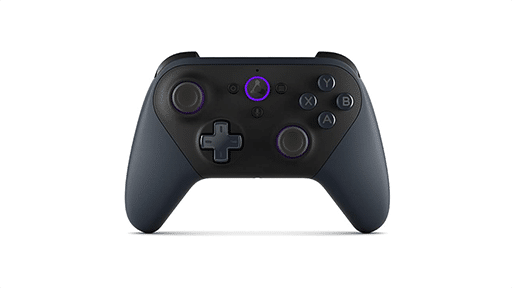
The game doesn’t need complicated controls to make its minigames hard. That’s the trick. A stage may only need the A button, a direction, or a short button combination, but the timing has to be right. When the music cue arrives, the input needs to follow. If you’re late, early, or distracted, the game lets you know right away.
The screen is often part of the joke. Some stages block your view, shift the camera, or move attention somewhere else just when you want to rely on what you’re seeing. That’s when the game comes closest to classic Rhythm Heaven. It teaches the action, lets you practice, then starts pulling away the obvious clues until you have to trust the sound.
I liked that approach because it keeps the controls from becoming the obstacle. The challenge isn’t remembering a move list. It’s learning the timing, hearing the pattern, and staying with it when the animation gets weird. That’s also why the game can be approachable without being easy. Someone can understand what to do in seconds, then still miss the cue five times in a row.
The minigames cover a lot of strange ground without needing long instructions. One stage may have you reacting to a simple sound cue, and the next may hide the thing you were watching a few seconds earlier. The strange minigame ideas don’t just sit there as jokes. They change how you listen and how you react.
Remix Stages Turn Short Minigames Into Real Tests
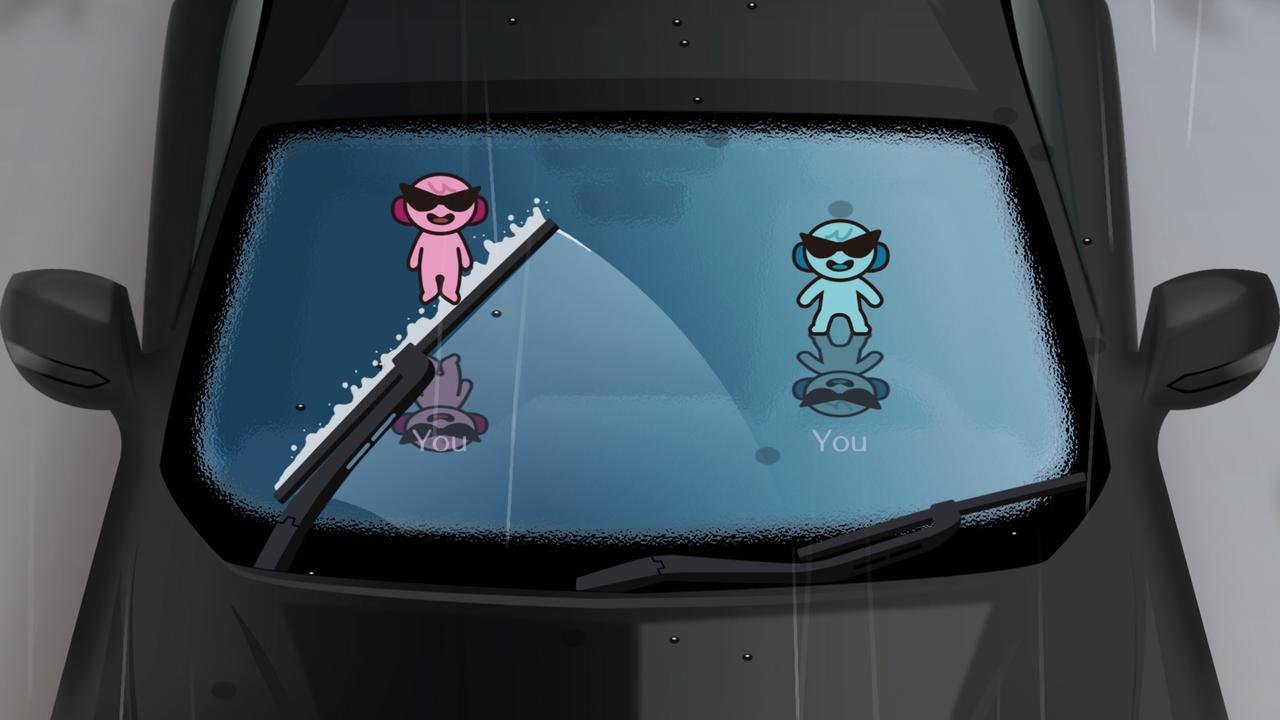
The main path uses short minigames, rankings, and Remix stages. You clear a set of games, learn the basic timing for each one, then move into a Remix stage that folds those earlier tasks into a new song. That structure stops the game from becoming a one-and-done minigame list.

A normal stage teaches one idea. A Remix stage checks whether that idea stuck. You may know what one cue means by itself, but the Remix stages make you move between several tasks without losing the song. That’s where Rhythm Heaven Groove turns small games into something bigger without needing long stages or complicated rules.
The ranking structure also works well. Clearing a stage with a Good rating moves you forward, so the game doesn’t block progress too aggressively. Going back for a Really Good or Amazing rating is where the replay value comes in. Amazing ratings award medals, and medals unlock extra content like Rhythm Toy Box items and other bonuses. Chasing medals worked for me because the stages are short. Miss a cue, restart, try again, and you’re back in the song before frustration has much time to build.
It also makes the harder stages easier to accept. A frustrating minigame can still irritate you, especially when the timing is strict or the screen is actively misleading you. Rhythm Heaven Groove rarely traps you in one challenge for too long. You can clear enough to move on, then come back later when the song has had time to sit in your head.
Beatspell Can’t Match The Main Grid
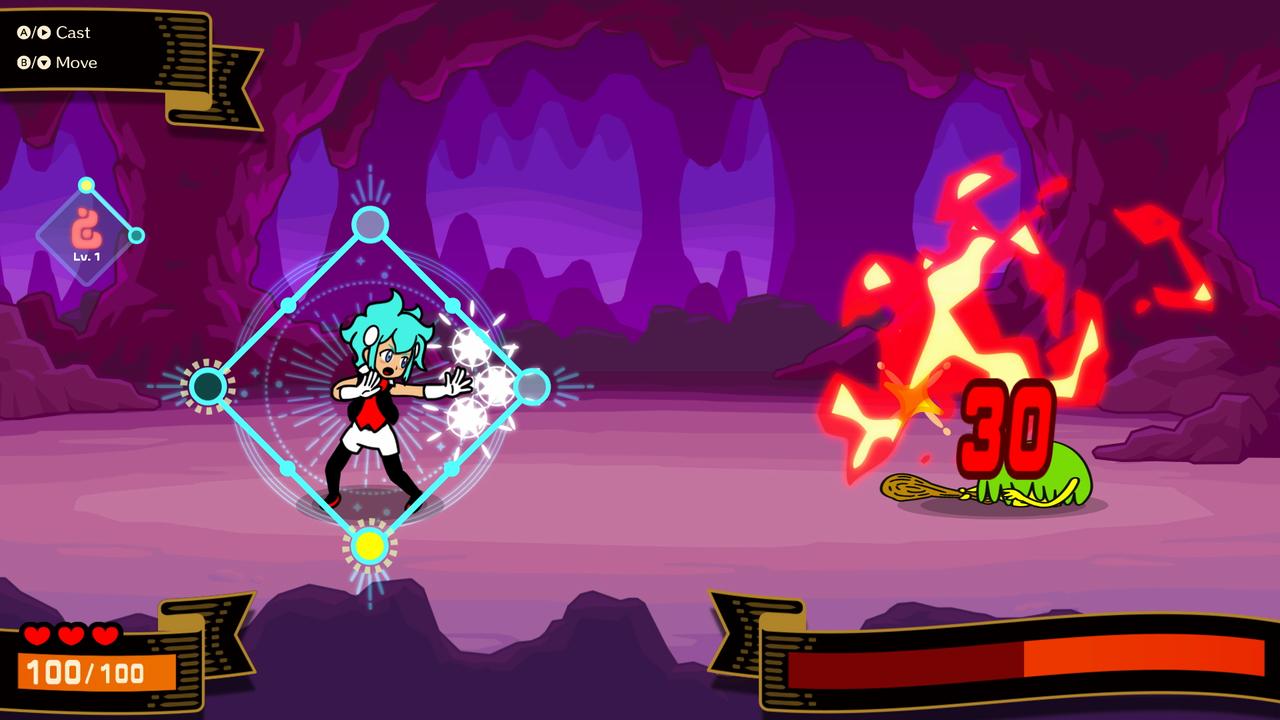
Beatspell is the most involved side mode here, and it’s a neat idea. It takes Rhythm Heaven’s timing inputs and uses them for RPG-style battles, with spells, enemies, items, buffs, and upgrades tied to music cues.
Beatspell changes the pace, but I didn’t stay with it the same way I stayed with the main grid. I liked casting spells through timed inputs, and the mode breaks up the minigame runs. The RPG side is still fairly light. Enemy health bars, elemental spells, and upgrades are there, but they don’t have the same pull as learning a great minigame and then seeing it return inside a Remix stage.
That doesn’t make Beatspell a bad addition. It just isn’t what I’d point to first. Rhythm Heaven Groove is at its funniest in short, strange stages where one sound cue and one silly animation can carry the whole idea. Beatspell stretches that format out. The result is fine, but I kept wanting to get back to the main grid.
I had a better time with the smaller extras. Drum Lessons are the kind of side activity that makes sense in a music game, and Who’s Got Rhythm turns careful listening into a quick quiz-style challenge. Rhythm Toy Box and the Café add more personality between the main minigames without crowding the regular stages.

The extras break up the medal chase when you want something different. They don’t replace the regular stages, and they don’t need to. Rhythm Heaven Groove knows the regular stages can carry the game, so the side modes can stay smaller.
Local Multiplayer Gets Funny Fast
Local multiplayer is the quickest part of Rhythm Heaven Groove to explain to someone else. Pick up a controller, listen for the cue, press at the right time, and try not to throw everyone else off. That works for local play because the rules are clear even when the stage itself is ridiculous.
Multiplayer includes more than 30 games and supports up to four people. The multiplayer grid also has its own games, and unused roles can be filled by CPU partners. That means it doesn’t fall apart if you only have two or three people around.
What I like about multiplayer is that missed inputs become part of the fun instead of just failure. In single-player, a missed cue is mostly between you and the score screen. With other people, one mistimed action can throw the whole attempt into a laugh. The short stage length matters here too. Nobody has to sit through a long round after things go wrong.
This is also where the simple controls matter. Rhythm Heaven Groove doesn’t need a full control explanation before someone joins in. Most games can be taught through the tutorial, the music cue, and one or two buttons. That opens the door for someone who usually avoids timing-heavy games.
The accessibility side deserves a clear note too. Read-aloud and description options are a welcome addition, and the smaller button demands make the game easier to approach than many timing-heavy games. At the same time, Rhythm Heaven Groove relies heavily on sound. If someone has reduced hearing, some stages are still going to be harder. The audio cues are not background flavour. They’re the thing the game keeps testing.
Clean Timing Makes Rhythm Heaven Groove Work
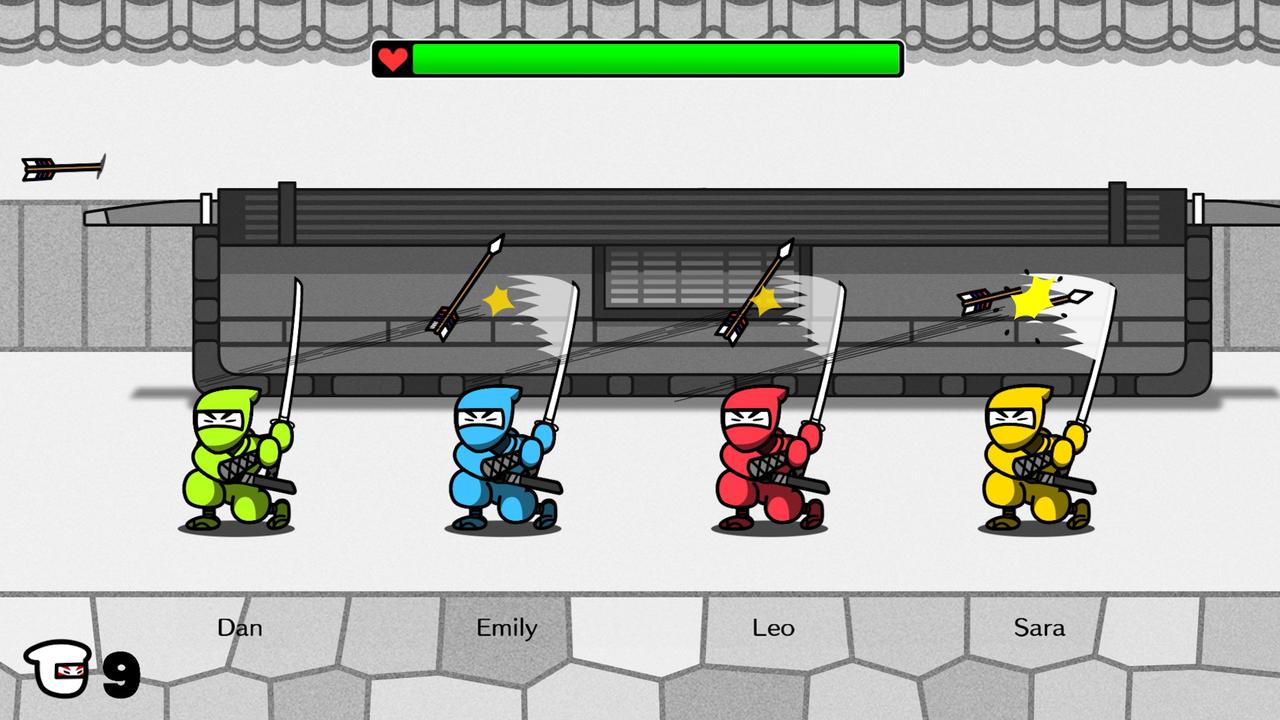
This is the kind of game where timing matters more than almost anything else. I didn’t have any issues with timing, bugs, or loading. Button presses lined up with the music, and that let the stages come down to my timing rather than the game fighting me.
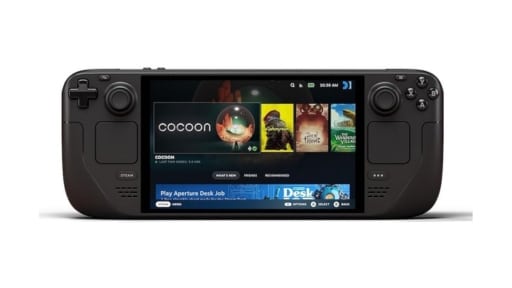
Handheld play also suits Rhythm Heaven Groove really well. The stages are short, retries are quick, and it’s an easy game to play in smaller bursts. Docked play still makes sense for multiplayer, and I didn’t run into timing issues there either.
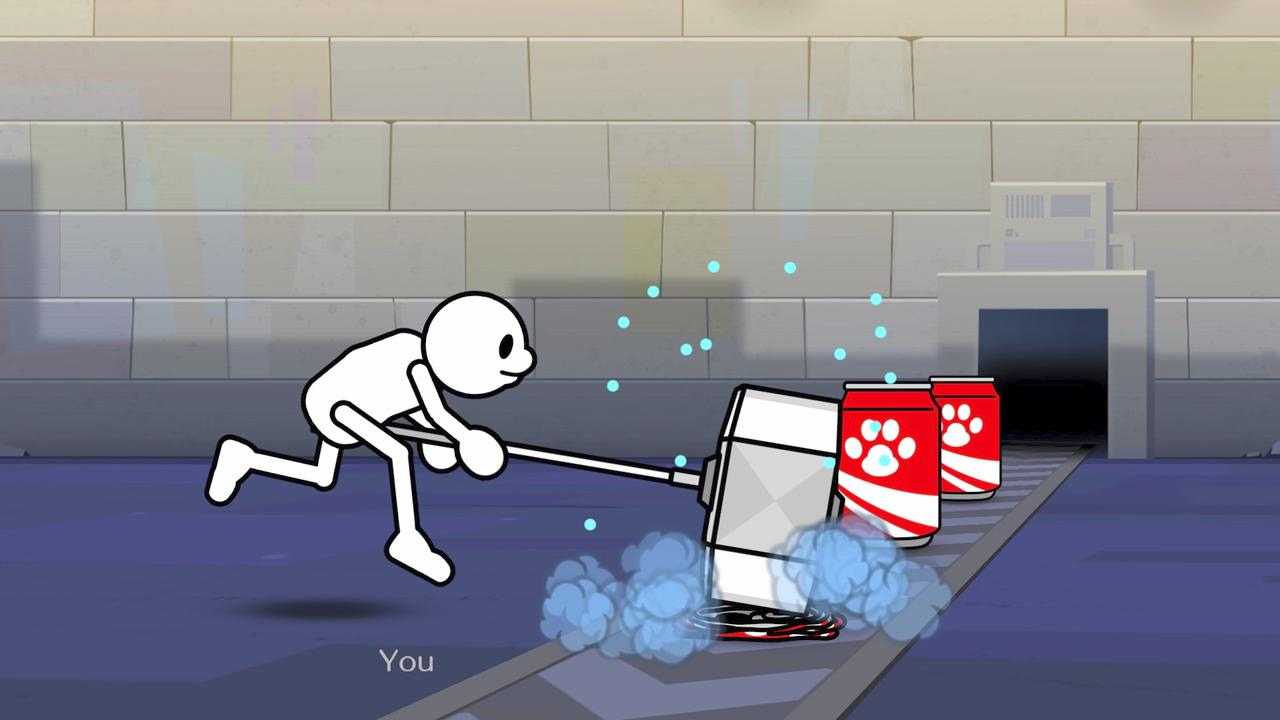
Rhythm Heaven Groove Had Me Chasing One More Perfect Cue
Rhythm Heaven Groove is for Nintendo fans who like when the company gets weird without burying the fun under controls. It’s also for music-game fans who care more about timing, cues, and quick retries than long songs or deep customization.

I kept coming back to the regular stages. With more than 80 solo games, the main path has plenty to pull from, and Remix stages make earlier lessons matter again. Medals, extra toys, Drum Lessons, Who’s Got Rhythm, and local multiplayer round it out without stealing attention from the regular stages.
Beatspell is the one part I’m more mixed on. I like the idea, and I’m glad it’s here. The RPG layer doesn’t have the same staying power as the main grid, so I’d treat it as a side activity, not a major reason to buy the game. For me, Rhythm Heaven Groove is fun because it understands what this series should be. It’s quick, odd, musical, and easy to share. It can frustrate when the timing gets strict. Still, the best stages turn one cue and one button press into something funny enough that I kept going back for another try.
This is the Rhythm Heaven return I wanted. Not because every mode is equal, and not because every stage is a favourite. It works because the joke, the song, and the button press all have to line up at the same time.
Rhythm Heaven Groove
Summary
Rhythm Heaven Groove includes more than 80 solo minigames, Remix stages, Beatspell, smaller extras, and more than 30 local multiplayer games. The main grid is what kept pulling me back, with simple button presses turning into funny timing tests built around music cues and strange visual tricks. Beatspell is a neat break from the regular stages. It doesn’t have the same pull as learning a great minigame and chasing a cleaner run through a Remix stage. If you want a quick, odd rhythm game that’s easy to share and hard to put down after one missed cue, Rhythm Heaven Groove gets that part right.
As always, remember to follow us on our social media platforms (e.g., Threads, X (Twitter), Bluesky, YouTube, and Facebook) to stay up-to-date with the latest news. This website contains affiliate links. We may receive a commission when you click on these links and make a purchase, at no extra cost to you. We are an independent site, and the opinions expressed here are our own.