


ROMEO IS A DEAD MAN drops you into a fast-moving action game that rarely pauses to explain itself. You step into the role of Romeo Stargazer, a small-town deputy who survives a violent encounter only to be rebuilt as a half-living agent for the FBI Space-Time Police. From there, the game pushes you across fractured versions of Deadford. Where you need to hunt fugitives that exist outside a stable timeline while piecing together what happened to the people closest to Romeo.
From the opening stretch, the game keeps things moving and rarely slows down. You’re moved quickly from story beats into combat spaces. Then back to a central hub where upgrades, side activities, and character conversations live. The structure repeats, but the presentation around it keeps shifting. Comic-style panels, stylized cutscenes, and stark environmental changes arrive without warning, often mid-chapter. You’re not asked to stop and study these changes. You’re expected to keep moving.

Combat sits at the centre of everything. Encounters are aggressive and fast-paced. They are built around crowd control, weapon switching, and brief recovery windows that depend on how you fight. Alongside that core loop are features like Bastard cultivation, repeatable challenge spaces, and small games that handle progression. None of this is hidden, but very little is drip-fed. Most tools are available early, and how far you go with them is entirely up to you.
ROMEO IS A DEAD MAN isn’t interested in easing you in. It lays out its structure quickly and then asks you to keep up. That approach leads into a tightly packed action game that values momentum over comfort and surprise over hand-holding.
Piecing Together Deadford as You Go
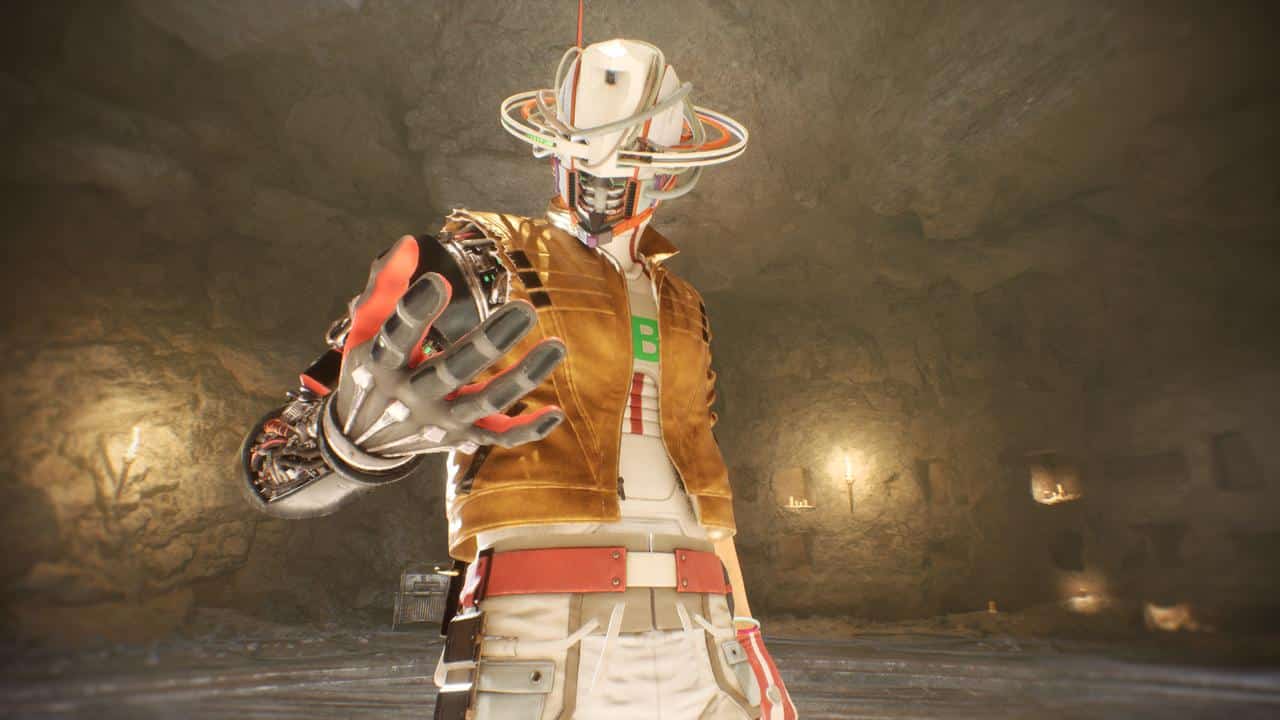
ROMEO IS A DEAD MAN opens with a straightforward setup that quickly slips out of alignment. You start as Romeo Stargazer, a deputy in the town of Deadford, going about routine patrols before a violent encounter leaves him critically injured. That moment becomes the turning point. Romeo survives through an experimental process that keeps him alive while placing him under the authority of the FBI Space-Time Police.
From there, the story unfolds in fragments rather than long explanations. Missions send you across distorted versions of Deadford and surrounding locations. Each are tied to fugitives that exist outside a stable timeline. These targets act as both narrative anchors and chapter markers. Giving the story a clear forward motion even as details are deliberately withheld.
Juliet sits at the centre of Romeo’s motivation. Her disappearance hangs over every assignment, shaping how scenes unfold and how certain encounters play out. You’re given pieces of their relationship through brief interactions, memories, and conversations rather than extended flashbacks. The game rarely pauses to spell out emotions, relying instead on short scenes and recurring visual cues to convey what’s happening.

Supporting characters are introduced primarily through the central hub, where downtime conversations fill in context between missions. Romeo’s grandfather plays a guiding role, offering direction without fully explaining the larger picture. Other agents contribute smaller threads that expand the setting without pulling focus away from Romeo’s search.
The early chapters move quickly, with scenes often ending sooner than expected. Scenes often end abruptly, and answers arrive later than expected, sometimes in entirely different locations. That structure keeps the story moving forward while encouraging you to connect events on your own. By the time the early arcs close, the narrative has established its goals and recurring faces without stopping to explain everything in long scenes.
Weapons, Crowds, and Little Room to Breathe
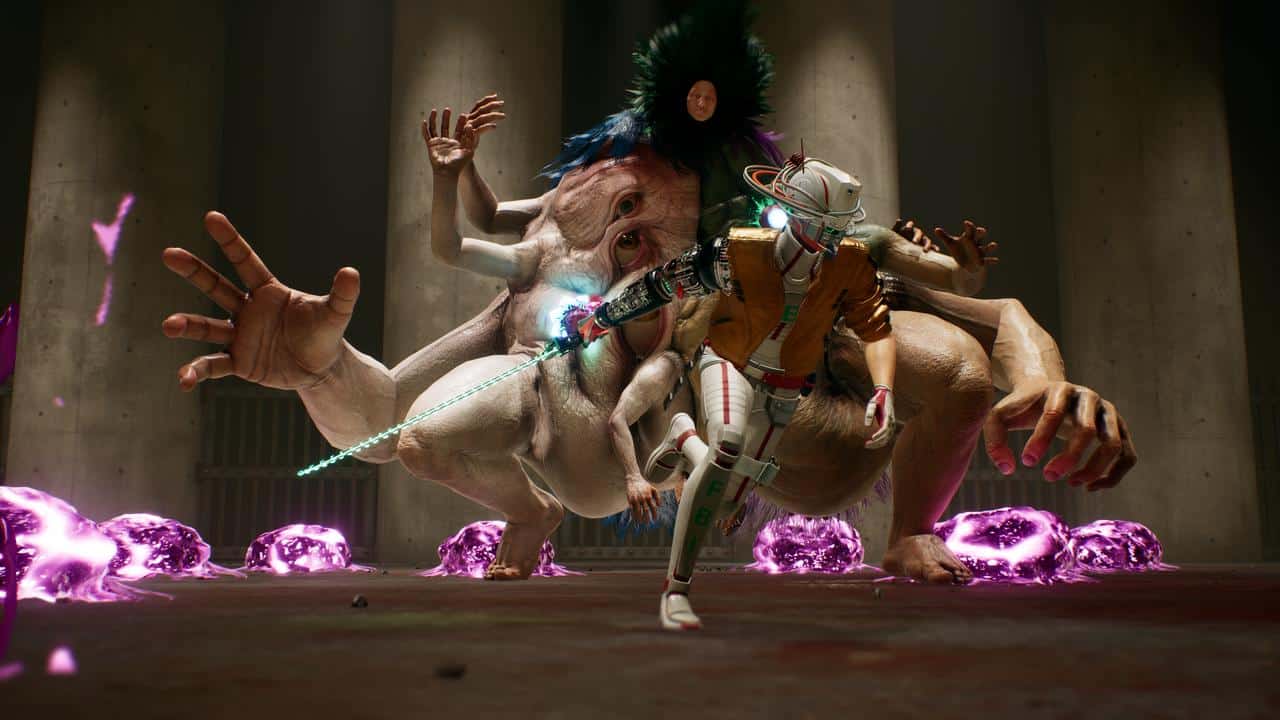
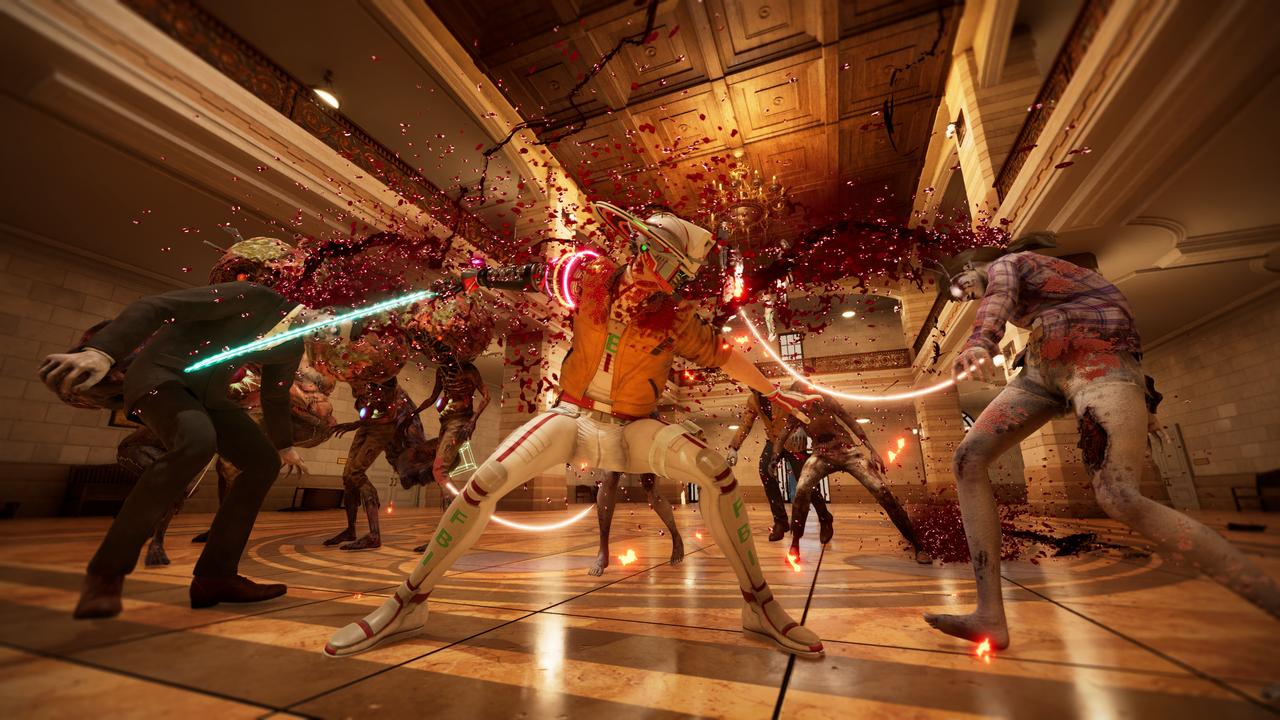
Gameplay in ROMEO IS A DEAD MAN centres on fast, aggressive combat built around crowded encounters. You’re given access to multiple melee and ranged weapons early on, and fights encourage switching between them rather than sticking to a single routine. Dodging replaces blocking, and survival depends on positioning, crowd control, and knowing when to push forward or pull back.
Recovery is tied directly to how you fight. Defeated enemies spill blood that feeds Bloody Summer, a special attack that restores health while clearing space around you. That setup pushes you to stay active instead of backing off and waiting things out.
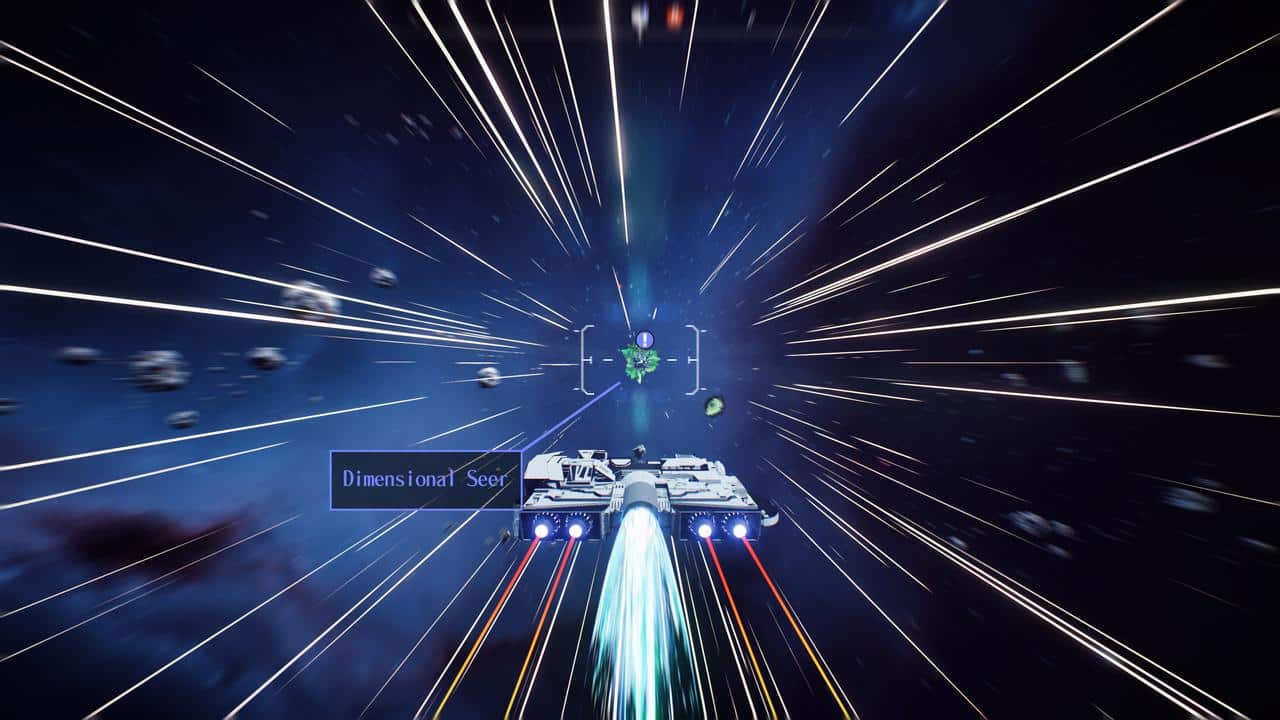
Exploration is folded into the same flow. Levels shift between Real Space and Sub-Space, with Sub-Space acting as a simplified version of the area focused on navigation and unlocking routes. Progress often means moving between the two, opening paths, finding keys, and working your way toward the chapter boss. Later areas can become harder to read, especially when vertical paths and repeated layouts start to blur together.
Progression ties back to the central hub. Bastard cultivation lets you grow creatures that act as deployable support during fights, each offering effects like healing, area damage, or enemy control. Palace Athena provides repeatable challenges tied to upgrades, while a maze-based upgrade activity lets you choose which stats and weapons improve first. You can reset these choices at any time, making it easier to adjust when something isn’t working.
Gameplay stays focused on keeping you moving. ROMEO IS A DEAD MAN gives you the tools quickly and expects you to learn through use, mistakes, and repetition instead of long explanations.
Shifting Styles That Never Sit Still
Presentation in ROMEO IS A DEAD MAN changes constantly, often within the same chapter. Visual styles move between comic-inspired panels, chunky sprite work aboard the ship, and harsher 3D environments during combat sections. These shifts happen without warning. They just happen, sometimes mid-mission, and you’re expected to adjust without stopping.
Deadford and its surrounding locations stick to muted colours and worn surfaces. WSith bright pinks, reds, and UI effects cutting through during fights. Enemy attacks, weapon strikes, and Bloody Summer activations are easy to read even when the screen fills with movement. That readability helps when fights stack multiple enemies at once.
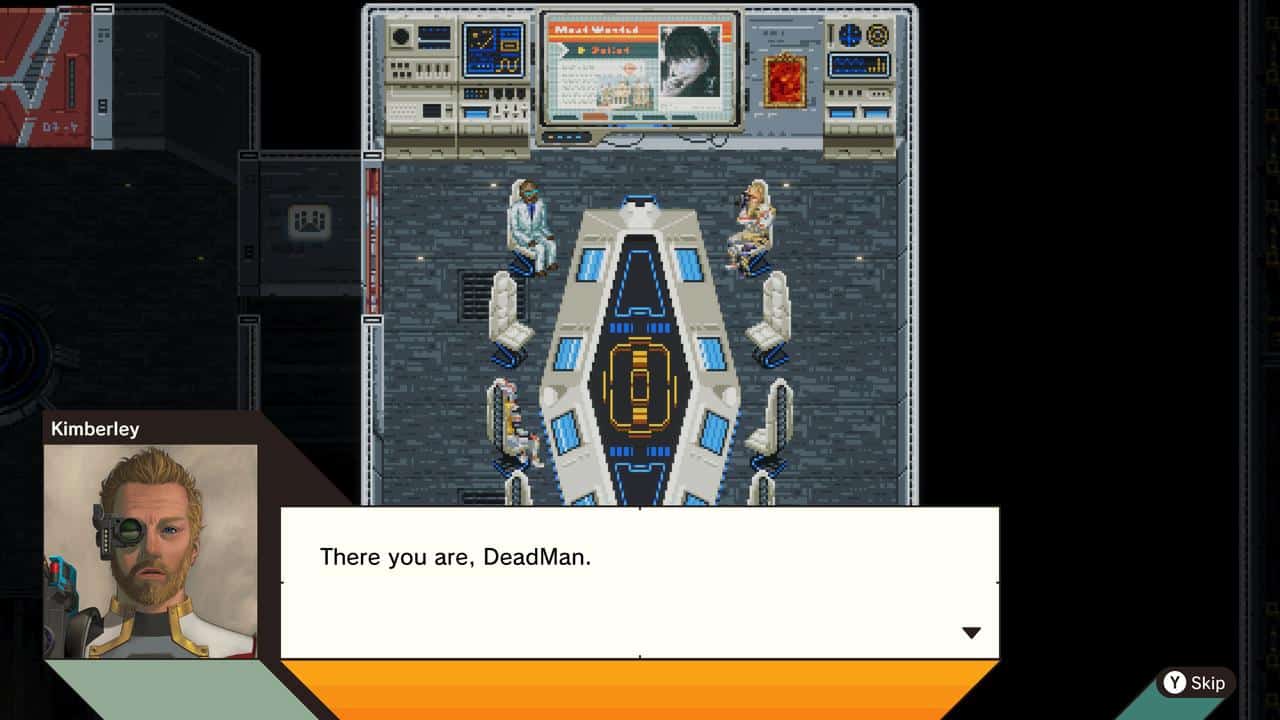
How characters are shown changes in the same stop-and-start way as the rest of the game. Some scenes rely on fully animated cutscenes, while others use still images, text-heavy layouts, or brief visual interludes. Conversations aboard the ship are more low-key, giving you space to absorb what’s been said before heading back out.
Audio changes along with everything else. Music switches based on location and boss fights, often jumping in suddenly rather than fading up. In combat, the sound effects do a good job of cutting through the mess. They make it easier to tell what’s landing and when to move.
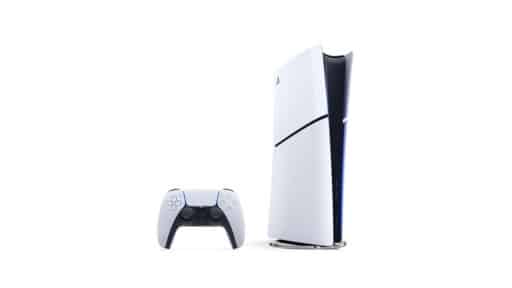
On PlayStation 5, the game runs well most of the time. I encountered frame rate dips now and then during bigger fights or when a lot is happening on screen. Thankfully, but it usually passes quickly and doesn’t get in the way of playing. Loading times are short, and transitions between areas stay quick enough to keep things moving.
ROMEO IS A DEAD MAN Doesn’t Hold Your Hand, but It’s Worth Sticking With
ROMEO IS A DEAD MAN throws a lot at you early and doesn’t slow down much after that. You’re given weapons, upgrades, and side activities quickly, then left to figure out how everything fits together by playing. The game doesn’t stop to walk you through every idea. And it doesn’t wait for you to feel comfortable before pushing ahead.
That approach can be rough at first. Some fights felt overwhelming until I understood how crowd control, dodging, and recovery work together. Navigation gets trickier later, when vertical paths and repeated layouts start to blur together. Performance dips show up when a lot is happening on screen. Thankfully they didn’t last long and never pushed me into restarting anything.
Where the game holds together is in how flexible it lets you be. You can change how you upgrade Romeo, swap support abilities, and adjust your approach when something isn’t working. That freedom makes it easier to push through tougher stretches without feeling stuck or punished for early decisions.
If you’re looking for something that explains itself clearly and eases you along, this probably isn’t it. If you’re okay learning by trying things, messing up, and getting better over time, ROMEO IS A DEAD MAN has a clear sense of direction and sticks to it. It doesn’t smooth out its rough spots, but it gives you enough room to work around them and keep going.



ROMEO IS A DEAD MAN
Summary
ROMEO IS A DEAD MAN is a fast, aggressive action game that gives you a lot early and expects you to learn by playing. Fights come at you constantly, and you’ve got a lot of freedom in how you upgrade and adjust your build. If you’re comfortable figuring things out as you play, it delivers an experience that sticks to its own approach.
As always, remember to follow us on our social media platforms (e.g., Threads, X (Twitter), Bluesky, YouTube, and Facebook) to stay up-to-date with the latest news. This website contains affiliate links. We may receive a commission when you click on these links and make a purchase, at no extra cost to you. We are an independent site, and the opinions expressed here are our own.