


I played Rival Turf! and Brawl Brothers on the SNES back in the day. Not because they were the best beat ’em ups around, they weren’t, but because they were there, they were fun, and they had a particular kind of scrappy energy that the bigger franchises didn’t always have. Streets of Rage and Final Fight got the glory.
The Rushing Beat games just got on with it. So when Rushing Beat X: Return of Brawl Brothers showed up, I wasn’t expecting a full sequel more than thirty years later. I definitely wasn’t expecting it to be this good.


A Story Set in Neo-Cisco
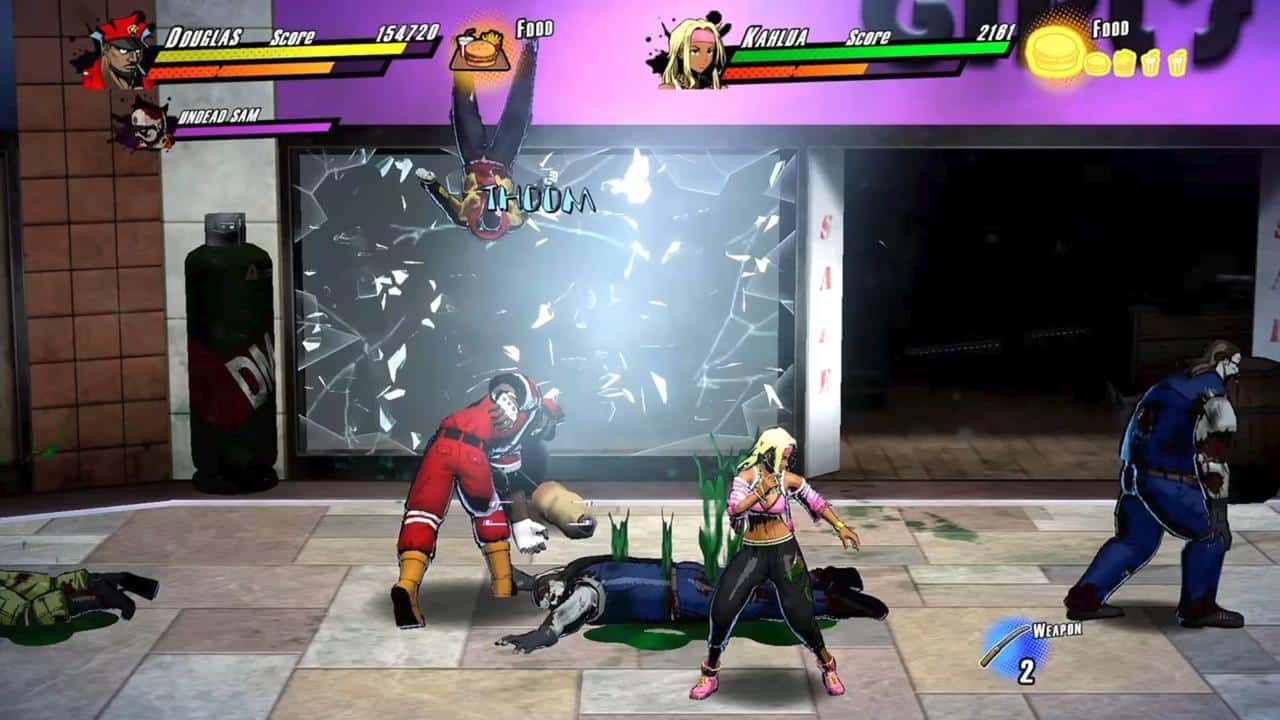
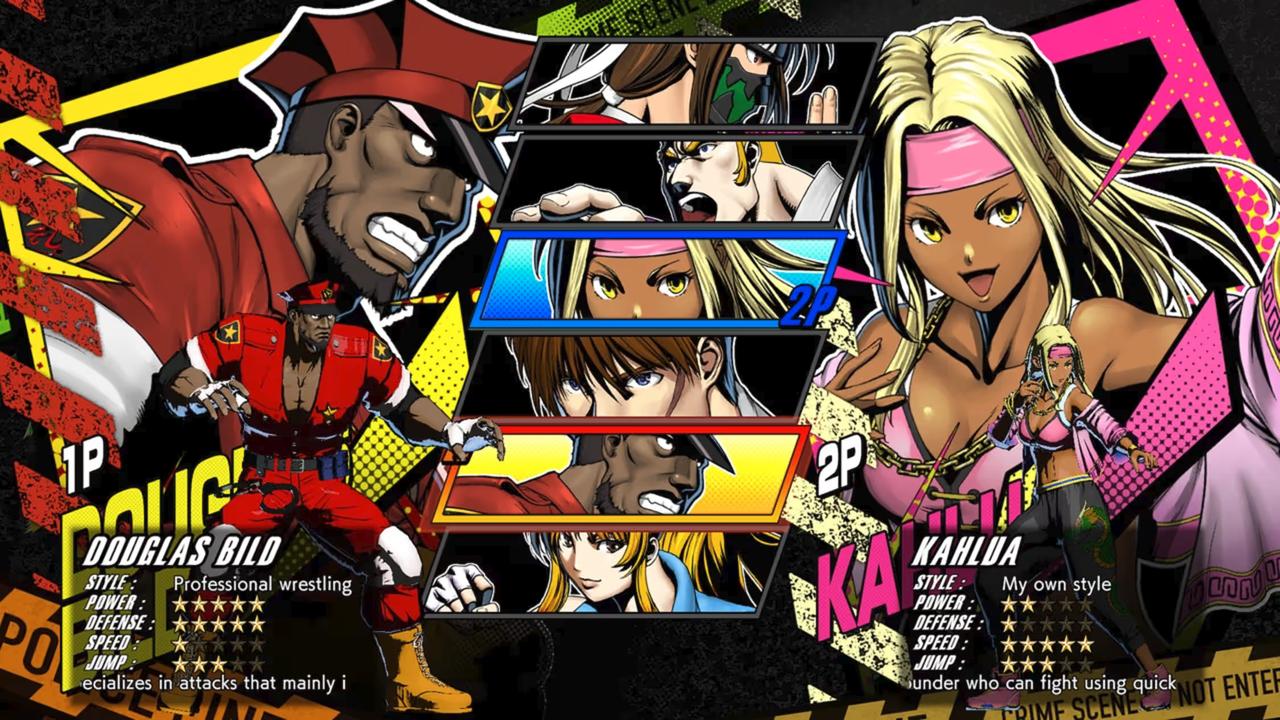
Rushing Beat X brings back veterans Rick Norton and Douglas Bild alongside four other playable characters, dropping all six of them into the streets of Neo-Cisco to deal with the fallout of the Zeekus virus. The story doesn’t take itself too seriously, which is the right call. You’re working through a city that’s gone sideways, piecing together who’s behind it all while beating the answers out of anyone who gets in your way.
What’s interesting is that this is the first time the Rushing Beat series has been told properly in English. The original Western releases had different stories from the Japanese originals, so the games you might have played as Rival Turf! and Brawl Brothers were actually telling a completely different tale. Rushing Beat X weaves the Japanese storylines together for the first time, giving the whole series a coherent narrative it never had outside of Japan. If you played the originals back in the day, that context adds something real. If this is your first time with the series, it just reads as a good setup for a city-wide brawl.
The enemy roster is exactly what you’d expect from this kind of game and exactly what you’d want. Street gangs give way to ninjas, then robots, then something stranger. It keeps moving and never stops to justify itself. The story gets out of the way of the fighting. Nine stages in, you’ll realize it did its job.
Combat That Rewards Patience
The biggest thing Rushing Beat X gets right is the combat. On the surface it looks like a standard beat ’em up, move through the stage, beat everyone up, repeat. But there’s more going on underneath.
Getting Started Is Easy. Going Deeper Takes Work.
The auto combo system lets you get into the action immediately by holding down the attack button, which means anyone can jump in without reading a manual. Once you’re comfortable, the real game opens up. Ground attacks, air attacks, and dash attacks all behave differently and interact with each other. You can cancel out of most actions with a dash or a jump, which lets you string things together in ways the genre doesn’t usually offer. Directional throws let you choose where an enemy goes, and throwing them into the background destroys objects and occasionally reveals items you’d otherwise miss. It’s a small touch that makes exploring each stage worthwhile.

The Rage Gauge fills as you deal and take damage, building toward the Beat Rush, a powerful special attack that, when activated at full gauge, hits harder than anything else in your kit. Knowing when to hold it and when to let it go keeps you making real decisions during fights rather than just pressing buttons.
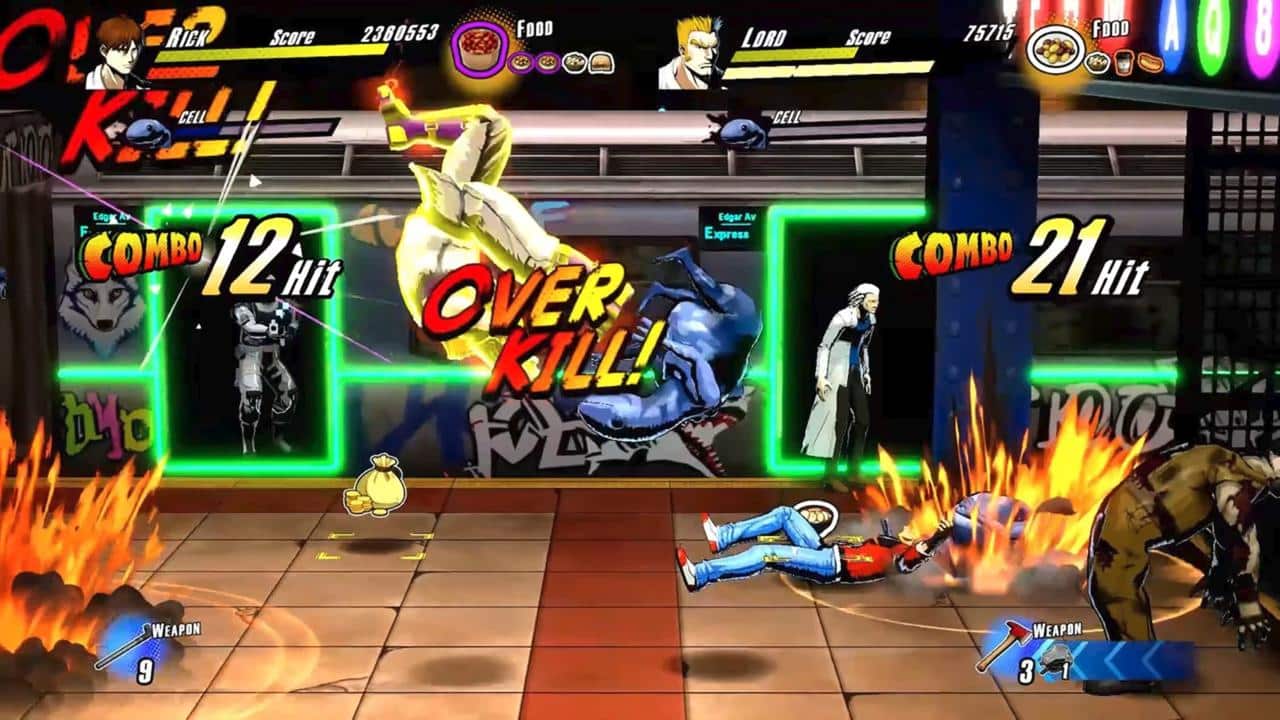
The counter system takes genuine time to get comfortable with. When the screen fills up and enemies come from multiple directions, finding that window isn’t always possible. When you do find it and it connects, though, it shifts the fight in a way nothing else in the game does.
The six characters handle differently enough to make trying each one worthwhile. The inventory system lets you carry and save weapons, swords, knives, guns, and more, rather than forcing you to use them immediately. You can hold health items for when things turn against you. It doesn’t complicate things, but it adds enough forward planning to stop the game from running on autopilot. It’s the same approach developer City Connection took with WiZmans World Re;Try. Easy to get into, with a lot more waiting once you start looking for it.
Rushing Beat X Looks the Part in Some Places and Not Others
Rushing Beat X looks good in some areas and underdone in others. The roster has real personality in their designs and animations. You can see the connection back to the SNES originals while the characters themselves feel built for current hardware. The designs are distinctive and the animations give each fighter a personality before a single punch gets thrown.
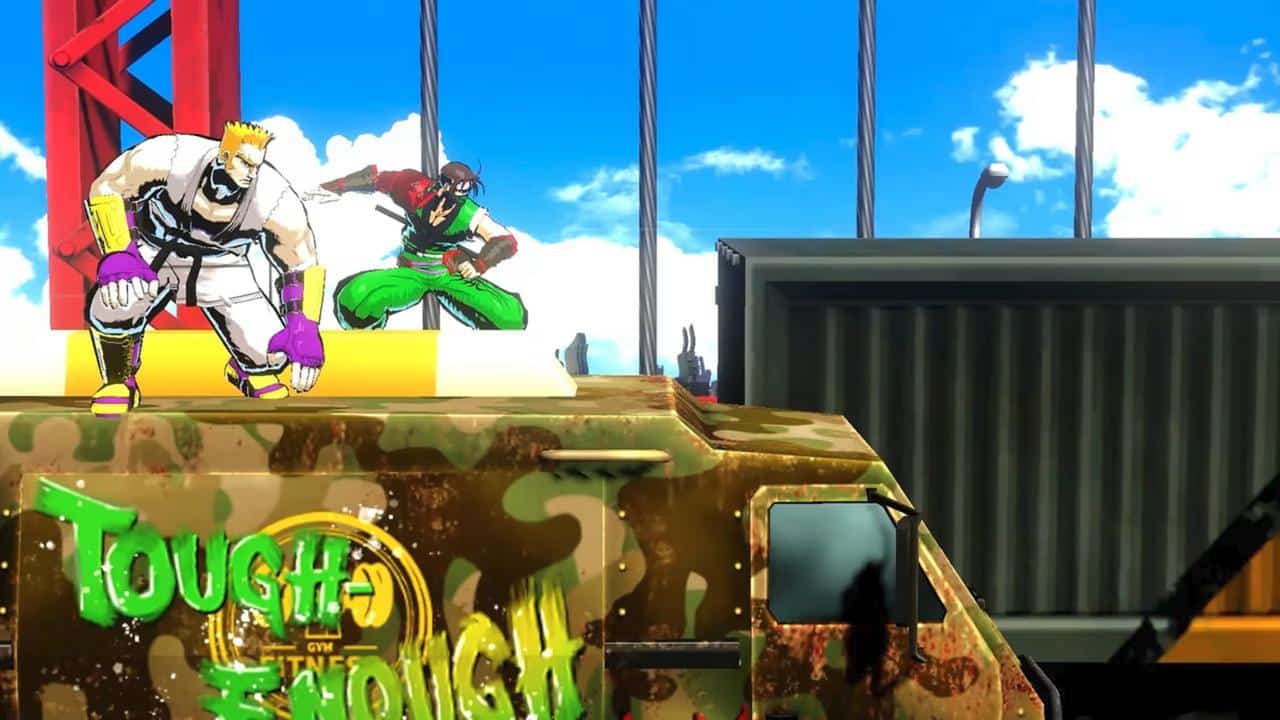
The environments don’t match that consistency. Some stages are well constructed with a real sense of place, one neon-lit area has strong atmosphere and you actually want to slow down and look at it. Others feel noticeably thin, like the background detail ran out before the stage did. When you move between a stage that looks great and one that clearly had less time spent on it, the gap is noticeable.
The UI goes its own direction, bold and punchy, with combo text popping in as you rack up hits. It gives the action a bit of swagger even when the backgrounds behind it aren’t quite keeping pace. On Nintendo Switch 2 the performance holds up throughout, which matters in a genre where the screen regularly fills with enemies and effects at once.
There’s one stage I have to talk about. There is a point in the game where a villain leads a full dance routine with the undead as backup, and nothing in the first few stages prepares you for it. It has no business being in this game. It is completely appropriate that it is. It’s the moment that tells you the original Rushing Beat DNA is still very much alive.

Rushing Beat X: Return of Brawl Brothers Proves the Series Always Had More to Give
Rushing Beat X isn’t a perfect game. A few stages run longer than they need to, and the combat starts to lose its pull before the next one kicks in. The absence of a versus mode is a real missed opportunity given how much work has gone into the combat. There is a Free Play option that opens up score-chasing runs through completed stages, which is decent, but it doesn’t fill the gap a proper head-to-head option would have left.
What the game does well, it does very well. The combat is deeper than the genre usually asks for, the original series’ sense of humour and strangeness is fully intact, and telling the Japanese story in English for the first time gives this entry something previous Western releases never had. If you played Rival Turf! or Brawl Brothers back on the SNES, this is the sequel you didn’t know you were waiting for. If you’ve never played them, Rushing Beat X: Return of Brawl Brothers is the place to start.
RUSHING BEAT X: Return Of Brawl Brothers
Summary
Rushing Beat X: Return of Brawl Brothers is a genuine sequel to a series that never quite got its due. The combat is deeper than the genre usually asks for, with six distinct characters, a counter system that rewards patience, and an inventory layer that adds real forward planning without getting in the way. The environments are inconsistent and the lack of a versus mode is a missed opportunity, but the original series’ strangeness is fully intact. If you played the SNES originals back in the day, this is the follow-up you didn’t know you needed.
As always, remember to follow us on our social media platforms (e.g., Threads, X (Twitter), Bluesky, YouTube, and Facebook) to stay up-to-date with the latest news. This website contains affiliate links. We may receive a commission when you click on these links and make a purchase, at no extra cost to you. We are an independent site, and the opinions expressed here are our own.