



It’s been a long time since we’ve had a new Silent Hill game. More than ten years, actually. For me, that wait felt endless. I’ve gone back to the old games plenty of times, but nothing hits like the excitement of something new finally landing. With Silent Hill f, that moment’s here, and I’ve got a lot to say about it.
This one doesn’t take us back to the familiar streets of Silent Hill. Instead, it pulls the series into 1960s Japan, and right away the shift in setting changes everything. The fictional town of Ebisugaoka sets the stage for a story full of folklore, survival, and trauma. It’s different, but still feels every bit like Silent Hill.




I’ll admit, I went in a little cautious. After so long, you wonder if a game can really live up to the name. But within the first hour, I felt it. That uneasy atmosphere, the creeping dread, and the mystery pulling me forward. Silent Hill f doesn’t just rehash old ideas, it gives the series a new identity, and that’s exactly what it needed.
A Town Consumed by Secrets
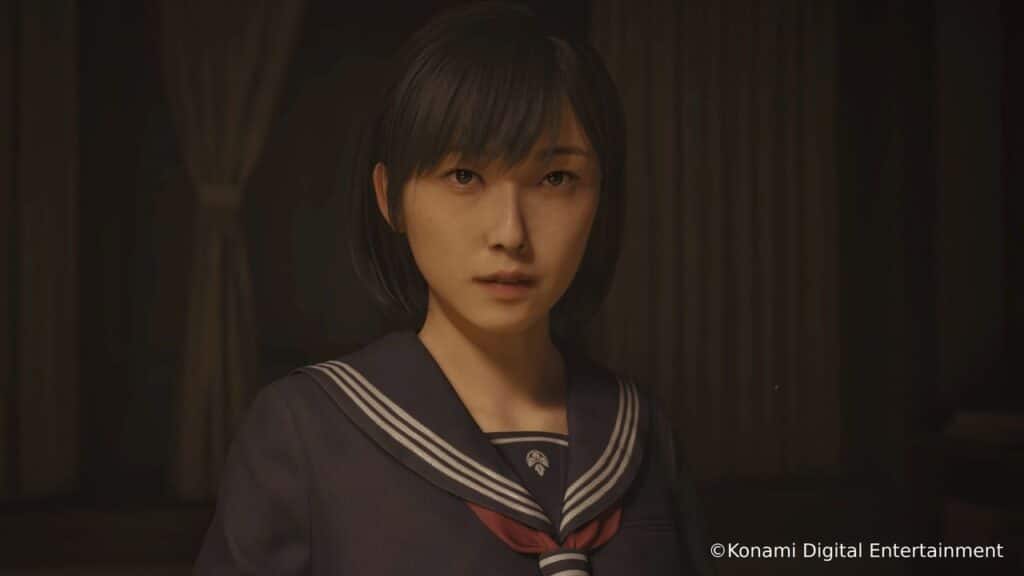
Silent Hill f shifts the series far from its usual American setting and plants its roots in 1960s rural Japan. The story follows Hinako Shimizu, a high school student trying to cope with an abusive home and strained friendships. She isn’t the typical horror protagonist. She’s vulnerable, insecure, and searching for a sense of belonging. That makes her descent into Ebisugaoka’s nightmare feel even heavier.
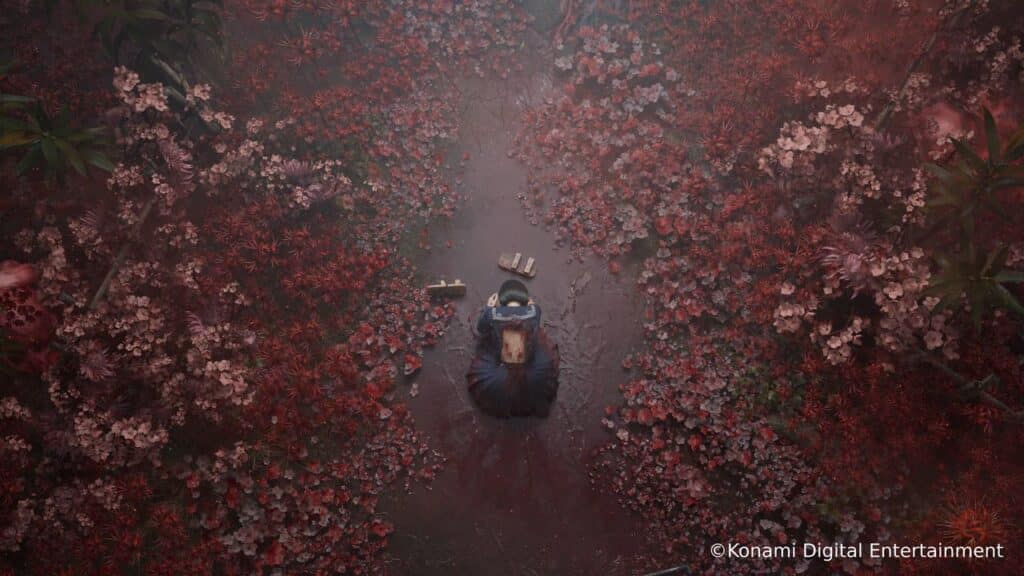
Ebisugaoka itself is a striking backdrop. The town is rooted in tradition, its narrow paths and wooden homes carrying an air of fragility. That fragility is shattered once the supernatural presence takes hold. Grotesque red flora spreads through every corner, twisting the once-familiar into something hostile. The fog doesn’t just mask danger, it amplifies it, turning every step into a gamble.
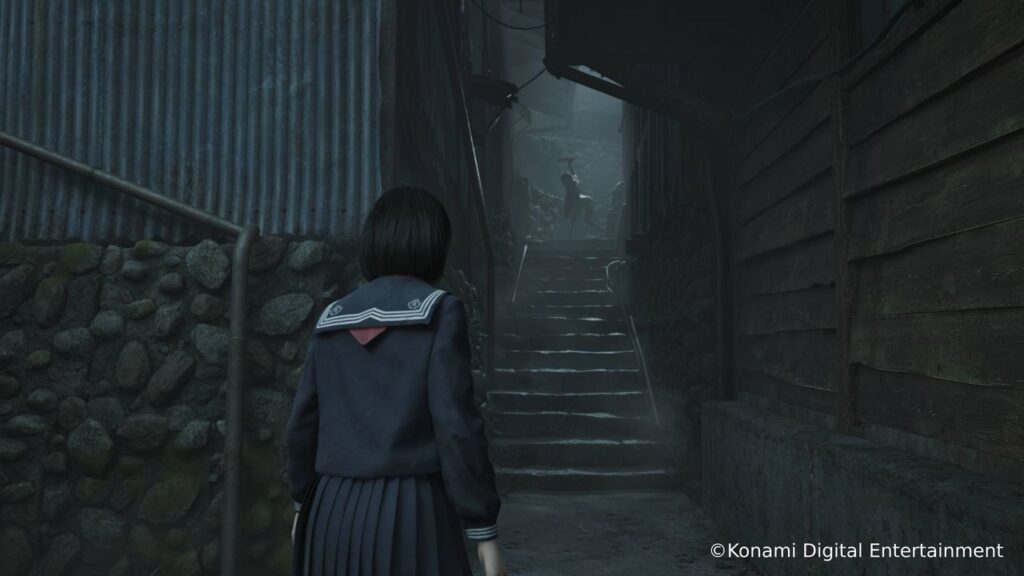
The story digs into themes of autonomy, identity, and the weight of societal expectations. Ryukishi07’s influence as writer shows in how those themes are woven into every encounter. They’re not just in dialogue. They’re in the symbolism scattered everywhere. Notes, journals, and documents fill in gaps, each one giving you a clearer sense of what Hinako is enduring.
One moment that stuck with me came early on when Hinako’s friends suddenly turned against her under the influence of the spreading infection. Watching familiar faces warp into hostile shells wasn’t just disturbing, it made the horror feel personal. It’s the kind of scene that leaves you sitting still for a few seconds, processing what just happened.

With multiple endings and a New Game+ that reveals new documents and perspectives, the story rewards you for digging deeper. Silent Hill f doesn’t hand you answers. It makes you piece together its message, and that makes it stick even more.
Surviving with Stamina and Sanity
Silent Hill f doesn’t let you feel safe for long. Combat sticks to melee weapons, and you’ll cycle through pipes, axes, and knives while trying to keep stamina in check. Run that bar empty and you’re wide open, which makes every fight stressful in the right way. On top of that is the sanity meter. Burn too much of it with focus attacks and Hinako becomes vulnerable to psychological damage that eats at your health. It sounds great on paper, and it works well enough, but I honestly wished the sanity system had a bit more to it.
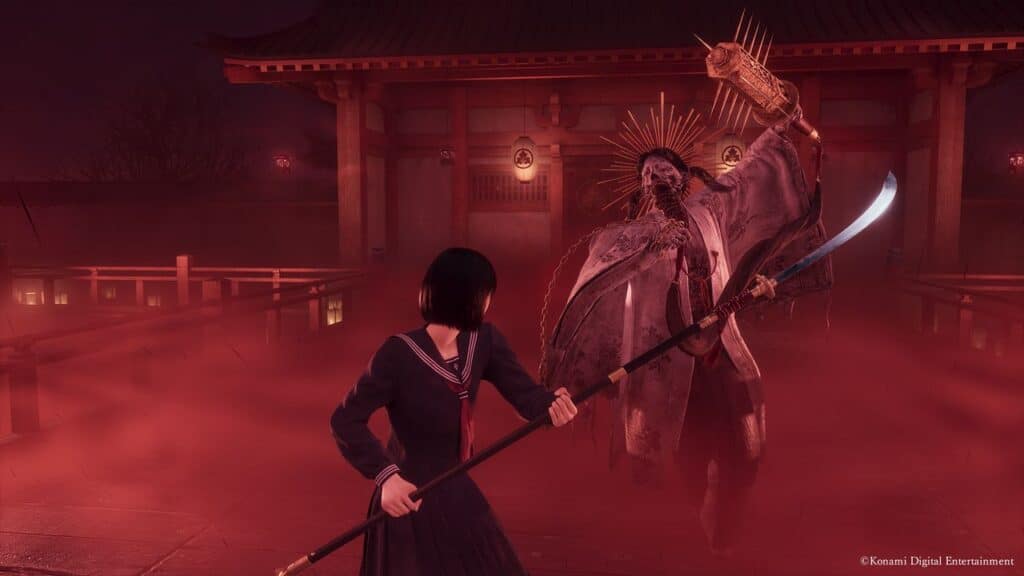
Dodges and counters keep fights from feeling one-note. Nail a perfect dodge and your stamina bar refills, giving you another chance to push back. Some enemy swings even shimmer before connecting, opening the door for a devastating counter. When one lands, it’s pure satisfaction. The durability system forces you to juggle weapons too, with toolkits around for repairs. I usually hate durability in games, but here it felt fair and kept me mixing things up.
Exploration is just as important. Pray points let you save and spend Faith to boost stats or unlock Omamori slots for equippable charms. It’s simple, but it makes every item you pick up feel useful. Hinako’s journal is the real standout, though. It fills with sketches, notes, and lore as you go, tying puzzles and story together.
One puzzle stumped me hard. I spent ages trying to crack a cipher only to realize I’d missed a note in another room. When I finally found it and worked out the code, it felt like Silent Hill at its best. Tough, frustrating, but worth it once the solution clicked.
Visions and Voices of Horror
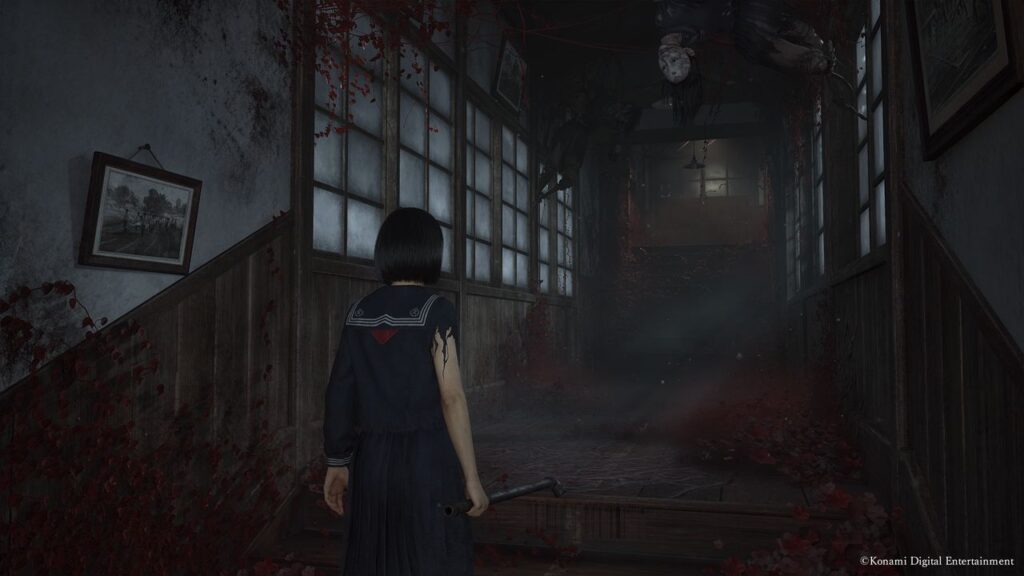
Silent Hill f nails the look and feel right away. Yeah, it runs on Unreal Engine 5, and it looks sharp, but that’s not what stuck with me. What really got me were the design choices that made me stop and take it in. The red spider lilies are everywhere. They crawl over walls, spill into streets, and wrap around bodies in ways that made me flinch. Ebisugaoka itself doesn’t help either. The narrow paths and creaky wooden houses make the whole place feel unstable, like the ground could give out at any second. Walking through it, you always feel like something’s waiting just out of sight.
The monsters seal the deal. One stitched figure shuffled toward me and it looked so wrong I froze in place. Another reminded me of a scarecrow jerking around like it might snap forward any second. They’re new designs, but they carry that disturbing Silent Hill edge that never really leaves your head.

The sound side is just as strong. Yamaoka’s slower, moody tracks clash against Inage’s sharper beats, keeping you on edge. The Japanese voice acting is excellent too. It feels natural and fits the setting perfectly. Between the music, the voices, and the way the flowers creep through every space, Silent Hill f builds an atmosphere that hangs with you even after you turn it off.
Silent Hill f Brings the Horror Back in Full Force
Silent Hill f feels like the series finally moving forward without losing what made it special. The 1960s Japan setting gives the story its own voice, and Hinako’s struggles make the horror feel personal. Folklore, trauma, and survival all collide, and the way the game ties it together through journals and documents kept me hooked.
Gameplay has its ups and downs, but it works. Combat feels heavy, dodges and counters add some spark, and durability makes you think before swinging. The sanity system didn’t go as far as I hoped, but mixing stamina management, shrine upgrades, and puzzles gave me plenty to work with. What surprised me most was how well the game balanced fights with exploration. One never drowned out the other.
The presentation pulls everything together. The spider lilies spread across the world, grotesque enemies stalk you, and both leave a mark. The soundtrack, paired with strong Japanese voice acting, nails the tone. Performance isn’t perfect, but outside of a few dips, it holds steady where it matters.
For me, Silent Hill f wasn’t just another horror game to clear and shelve. It reminded me why I fell for this series in the first place. By the time I finished, I felt drained, satisfied, and ready to sit with it for a while. Silent Hill is back, and Silent Hill f shows it still has stories worth experiencing. The only question is where it goes next.
Silent Hill f Review
Summary
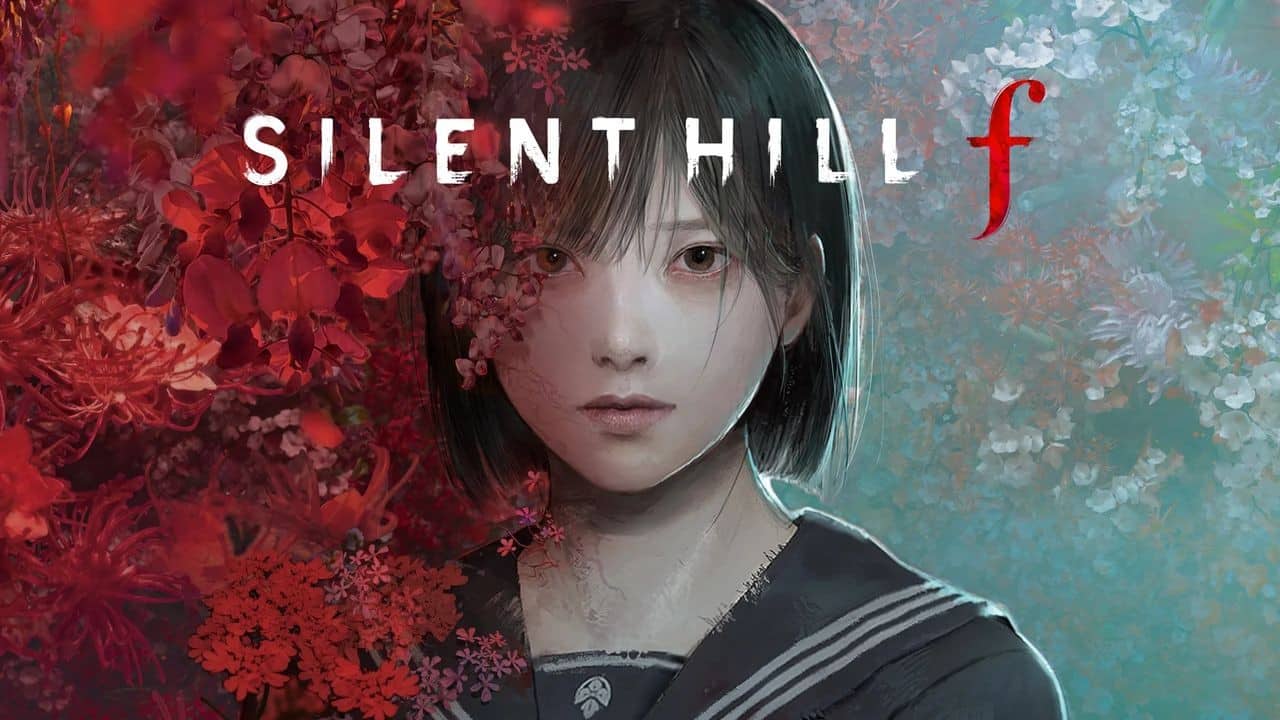
Silent Hill f pulls the series into 1960s Japan with a story that feels personal and unsettling. Combat has weight, puzzles hit hard, and exploration keeps you on edge, even if the sanity system doesn’t fully deliver. The atmosphere is the real star, with grotesque enemies, creeping flora, and a soundtrack that sticks. Silent Hill f isn’t perfect, but it reminded me why this series still matters.



As always, remember to follow us on our social media platforms (e.g., Threads, X (Twitter), Bluesky, YouTube, and Facebook) to stay up-to-date with the latest news. This website contains affiliate links. We may receive a commission when you click on these links and make a purchase, at no extra cost to you. We are an independent site, and the opinions expressed here are our own.