


Splitgate: Arena Reloaded is not trying to pretend its first launch went smoothly. After Splitgate 2 stumbled out of the gate earlier this year, 1047 Games pulled the plug, reworked the experience, and came back with something far more focused. Arena Reloaded isn’t a patch or a small update. It’s a reset built around one clear goal: make Splitgate feel like Splitgate again.
After spending the past week playing, the difference is immediate. The hero-style elements are gone, large-scale modes are out of the way for now, and the game fully commits to tight arena matches built around portals, movement, and gunplay. There’s no story mode here and no attempt to dress this up as anything other than a multiplayer shooter. You jump in, pick your modes, and start playing.

What matters most is whether that refocus actually works. Arena Reloaded feels more confident, more readable, and far more fun to play than Splitgate 2 ever did. It doesn’t hit everything perfectly, but it finally feels like the game understands what made people care about Splitgate in the first place.
Arena Combat, Portals, and Match Flow
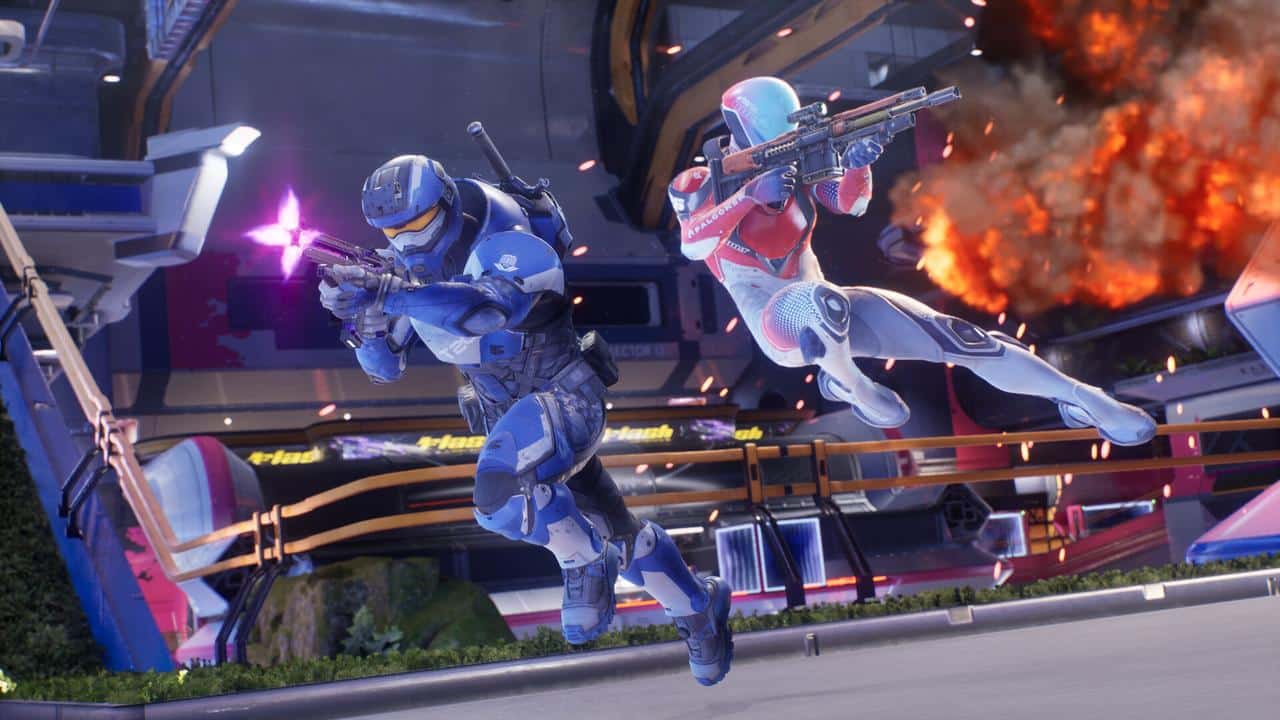
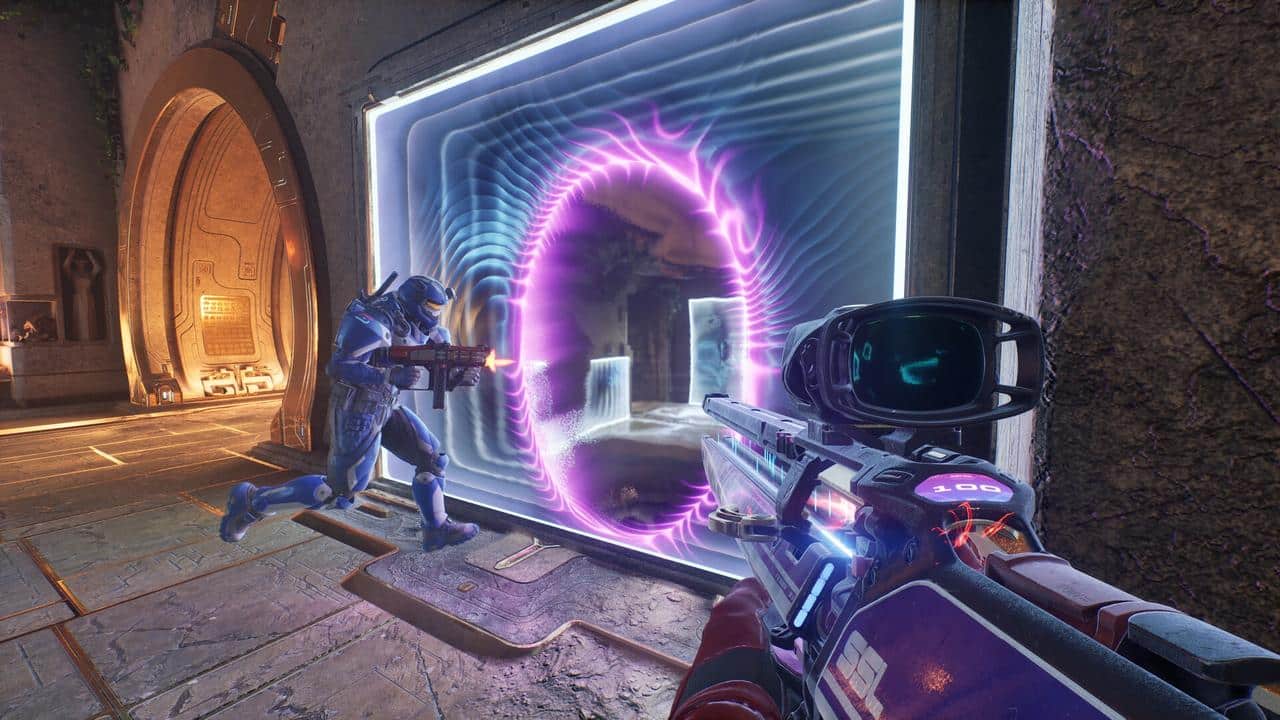
From the first few matches, Splitgate: Arena Reloaded feels sharper than anything Splitgate has been in a long time. Matches move at a steady pace, portals are back at the centre of every fight, and the game feels built around quick decisions instead of layered mechanics pulling attention in different directions.
The biggest change is how clean everything feels moment to moment. With classes gone, you’re free to mix and match guns and perks without being pushed into a role. That freedom makes matches easier to read and more fun to experiment in. You’re thinking about positioning, portal angles, and timing again, not cooldowns or character abilities. It plays closer to classic arena shooters, but still very much Splitgate.
Gunplay comes across better across the board. Weapons respond quickly, and most fights come down to awareness and movement rather than raw stats. Portals create constant chances to flip encounters, escape bad situations, or catch someone off guard. When everything lines up, matches flow in a way that Splitgate 2 never quite reached. You’re always moving, watching angles, and planning your next play.
What surprised me most is how consistently fun it is. Even short matches feel satisfying, and it’s easy to fall into that “one more game” rhythm. For me, this version of Splitgate is more enjoyable than the original. Not because it’s louder or flashier, but because it sticks to what makes the game work.

Picking the Fights You Want
One of the best changes in Splitgate Arena Reloaded is how much control you have over what you’re playing. Being able to pick specific modes for quickplay makes a huge difference. Instead of getting dumped into something you’re not in the mood for, you can focus on the types of matches you actually want to spend time with. That alone makes hopping in feel less random and more intentional.
The current mode lineup keeps things focused on smaller, faster arena matches, and that focus shows. Matches move quickly, teams feel manageable, and portals stay central to how fights play out. There’s a clear rhythm to most games, where positioning and map knowledge matter just as much as aim. Nothing here feels bloated or stretched thin, even if there are modes from past versions that aren’t present right now.
Maps are a big reason why the flow works as well as it does. The remakes of Karman Station and Oasis feel especially good, both visually and in how they play. They keep the layouts you remember but clean them up in ways that make portal movement smoother and firefights easier to read. Most of the map pool is simply fun to move around in, which goes a long way in a game built on constant motion.
Not every map hits the mark. Academy, in particular, feels off. Rooms swing between being too tight and too open, and the outdoor areas often turn into chaos where it’s hard to gain any real footing. It’s the one map that regularly pulls matches out of that steady rhythm the rest of the game manages to maintain.
Match balance has also felt better overall compared to Splitgate 2. I’ve had far fewer games where I felt completely out of place, and matches tend to stay competitive without turning into blowouts. That makes it easier to stick around and play a few more rounds instead of backing out early.
Freedom Without the Class Baggage
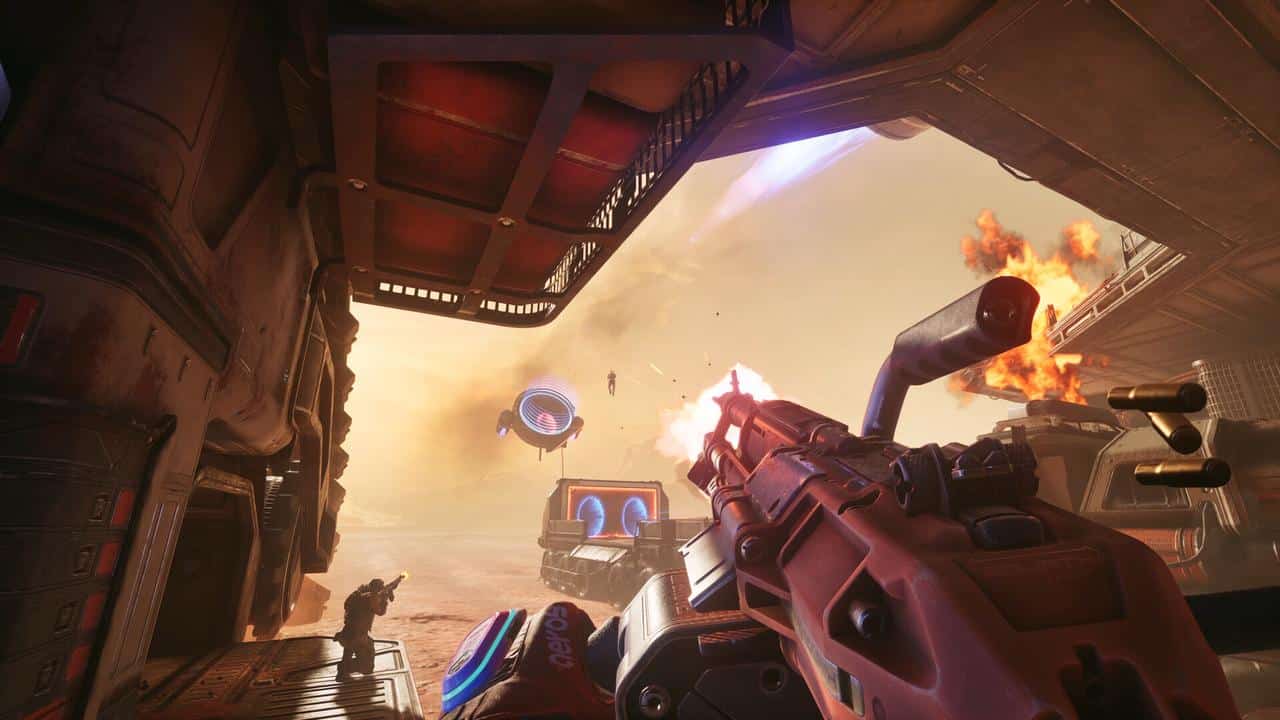
Dropping classes changes how every match plays out. Without being locked into roles, you’re free to build around what feels good rather than what a character kit pushes you toward. Mixing and matching guns and perks feels natural, and it makes adjusting mid-match much easier. If something isn’t working, you swap and keep moving instead of forcing a bad setup.
The weapon pool gives you plenty to experiment with. The new LMGs are a lot of fun to use. They’re heavy, loud, and rewarding, especially if you’ve already spent a lot of time leveling weapons in previous versions. Having fresh guns to work through makes progression feel worthwhile again, and the LMGs all feel distinct enough to justify their place in the lineup.
That said, balance still has a few rough edges. The Blitz reaching as far as it does feels off for a shotgun, especially when you’re getting chipped down from distances that shouldn’t be a threat. SMGs run into a similar issue, with too much effective range turning some fights into spray-heavy exchanges instead of close-quarters battles. These moments don’t break matches, but they do interrupt the flow when they show up repeatedly.
Some mode-specific tuning also feels overdue. In Shotty Snipers, the shotgun no longer hits the way it did in the original Splitgate. At point-blank range, it should be decisive, and right now it isn’t. The Borealis also feels out of place. For me, it’s the least exciting power weapon in the game and doesn’t add much to the overall sandbox compared to what it could be replaced with.
Even with those issues, the lack of classes keeps everything flexible and readable. You’re focused on positioning, portal usage, and timing rather than fighting against loadout restrictions. When things come together, matches feel open-ended without feeling messy, and that freedom makes Arena Reloaded easy to stick with.
Menus, Progression, and the Little Things
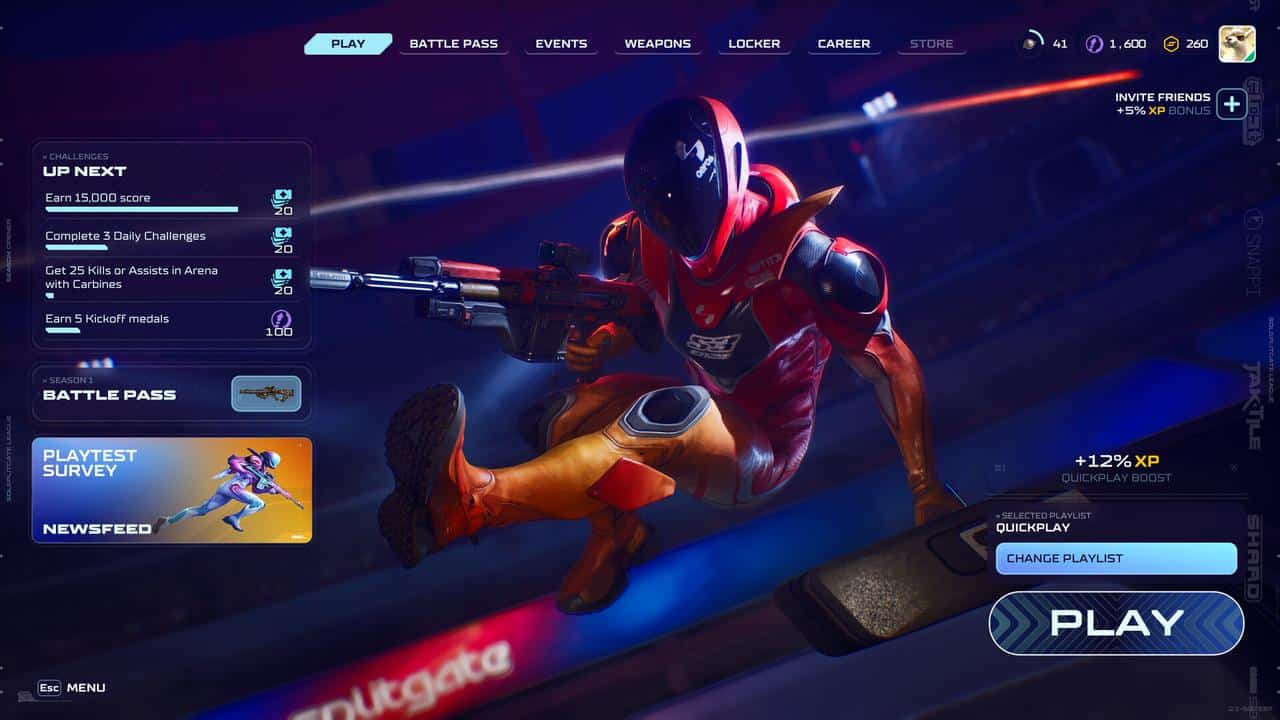
It doesn’t take long to notice how different Arena Reloaded feels once you’re in the menus. The new UI is cleaner, faster to move through, and far easier to read than what Splitgate 2 shipped with. Finding modes, adjusting loadouts, and checking progression all feel straightforward, without extra layers getting in the way. It’s the kind of interface you stop thinking about once you start playing, which is exactly what you want.
Progression also feels more thought-out this time around. There’s a steady sense of progress whether you’re unlocking cosmetics, leveling weapons, or just putting time into the game. It gives you reasons to keep playing without feeling like you’re being pushed toward a checklist. After a few matches, it’s easy to see how the structure encourages consistency rather than quick drop-ins followed by long breaks.
Cosmetics are handled reasonably as well. Prices don’t feel out of line, and there’s a solid mix of styles that fit the game’s tone without going overboard. Nothing here feels like it’s trying to distract you from the gameplay, which helps keep the focus where it belongs. You can customize your look if you want, but it never feels mandatory.
Visually, Arena Reloaded looks sharper across the board. Maps are easier to read during firefights, portals stand out clearly, and the overall aesthetic feels more cohesive than before. Combined with the smoother menus and clearer progression, the presentation side finally matches how good the game feels to play.
Splitgate: Arena Reloaded Feels Like It Found Its Way Back
Splitgate: Arena Reloaded feels like the reset the series needed. By stripping things back and refocusing on tight arena combat, portals, and player choice, the game feels comfortable in its own skin again. Matches are fun more often than not, and it’s easy to keep playing without feeling worn down or pulled in too many directions.
That doesn’t mean everything works perfectly. A few weapons still reach farther than they should, some mode-specific tuning feels overdue, and certain maps stand out for the wrong reasons. These issues don’t ruin the experience, but they do show up often enough to be noticeable, especially if you’re settling in for longer play stretches.
What matters is that the foundation feels right. The freedom from classes makes experimenting enjoyable again, the mode selection gives you control over how you spend your time, and the overall flow of matches plays far better than what Splitgate 2 offered. Even when something frustrates you, it rarely pushes you away from queuing up again.
Splitgate: Arena Reloaded isn’t trying to be everything at once, and that restraint works in its favour. If you’re looking for a multiplayer shooter built around movement, smart positioning, and fast matches that don’t overstay their welcome, this is the strongest Splitgate has felt yet. It doesn’t need big promises or flashy ideas to sell itself. It just needs you to jump in and play.
Splitgate: Arena Reloaded
Summary
Splitgate: Arena Reloaded strips the series back to what made it work in the first place. Arena matches are faster and easier to read, portals matter again, and the removal of classes opens up more freedom in how you play. Strong map remakes, flexible mode selection, and a cleaner look and feel help the game feel more focused overall. As a reset, Arena Reloaded succeeds by keeping things simple and letting the core gameplay carry the experience.
As always, remember to follow us on our social media platforms (e.g., Threads, X (Twitter), Bluesky, YouTube, and Facebook) to stay up-to-date with the latest news. This website contains affiliate links. We may receive a commission when you click on these links and make a purchase, at no extra cost to you. We are an independent site, and the opinions expressed here are our own.