


Star Fox knows exactly which classic it’s drawing from, and that’s not the problem. Fox McCloud’s Nintendo Switch 2 debut takes Star Fox 64’s short-mission design and updates it with better objective tracking, a livelier team, and reasons to replay stages beyond nostalgia.
The campaign is short. You can finish a campaign playthrough in a few hours, depending on how well you know the missions and how much you want to chase medals, hidden exits, and alternate stage conditions. For some games, that would be hard to defend. Here, the length matches the arcade-style pace because Star Fox keeps pointing you toward stage goals, Challenge Mode, Battle Mode, and co-op instead of treating the credits as the end.

Short Missions Keep Star Fox Replayable
Star Fox uses the Star Fox 64 template, and the game doesn’t hide that. Fox McCloud, Falco, Slippy, and Peppy are back in the Arwing, General Pepper sends the team across the Lylat System, and Andross is waiting on Venom. If you know Star Fox 64 or Lylat Wars, you’ll recognize the Corneria-to-Venom push pretty quickly.
Star Fox still follows Star Fox 64 very closely, and that’s the main thing holding it back. This isn’t a brand-new Star Fox adventure with a huge new story, a different campaign, or a completely new way to fly. It keeps the short missions, branching stage map, medals, and quick climb toward Venom. That design still fits the series because Star Fox has always made more sense as an arcade-style shooter than a long campaign game.
Each playthrough moves quickly from planet to planet, with on-rails missions, All-Range missions, and vehicle sections using the Arwing, Landmaster, and Blue Marine. You’re not meant to see everything once and move on. You’re meant to replay stages, save teammates, chase medals, find hidden exits, and improve the way you handle each mission.
I really started to enjoy Star Fox when replaying stages became about more than just seeing the credits again. The fun came from cleaning up mistakes, saving teammates, chasing medals, and getting a little better each time.
Hidden Exits And Objectives Make Replays Easier To Plan
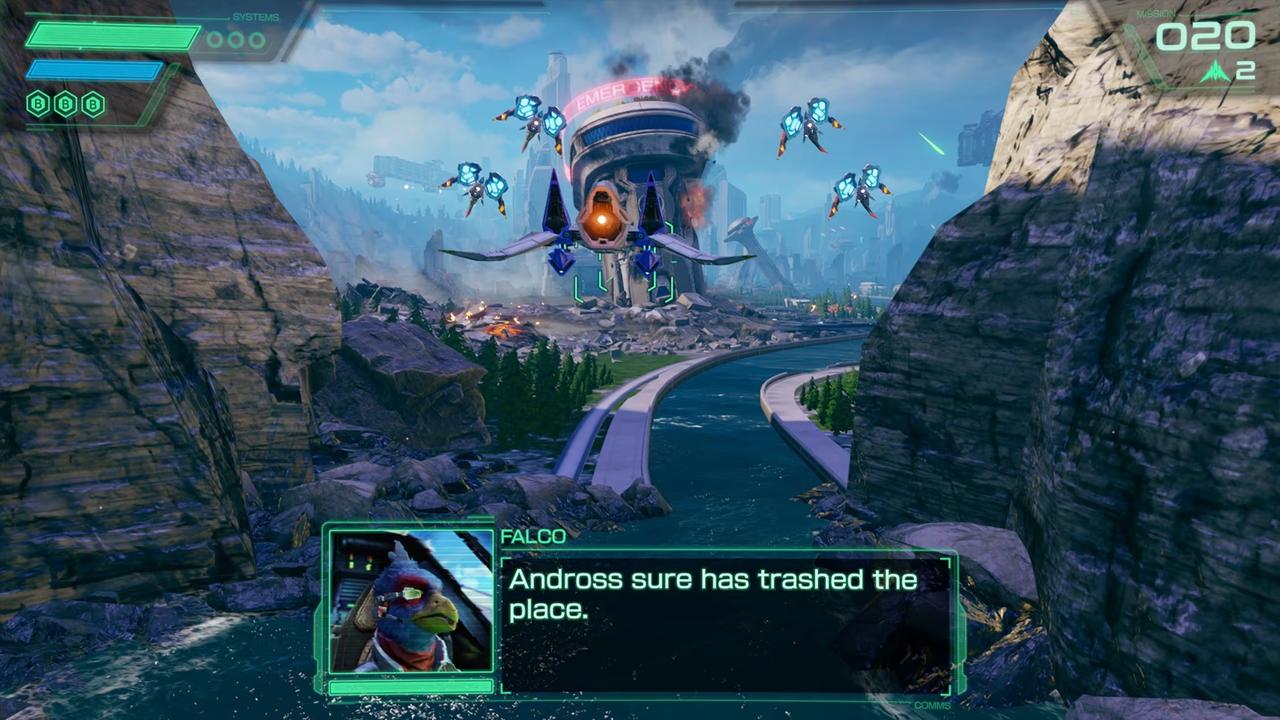
The biggest quality-of-life change is how much easier it is to understand what each stage expects from you. Star Fox 64 had secret exits and alternate stage conditions, but finding them often came down to memory, trial and error, or already knowing what the stage expected. Star Fox on Nintendo Switch 2 explains the requirements better without removing the satisfaction of figuring out a mission split.

The updated map also makes stage goals and medal targets easier to track, which changes the way you approach a campaign playthrough. Instead of blindly hoping you met the right condition, you have a better sense of which objective affects the next mission and why.
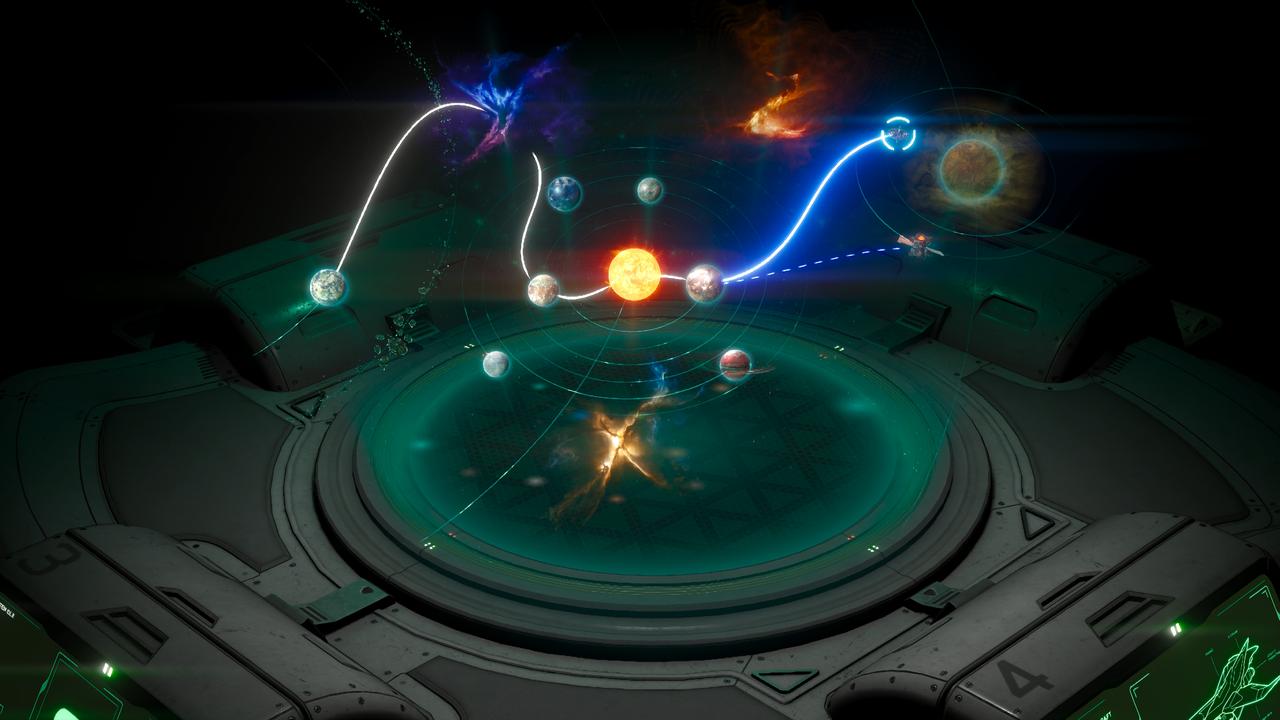
In the stages themselves, mid-mission dialogue points you toward certain objectives, teammates call out threats, and the stage goals tie teammate health, mission conditions, and hit counts into your decisions alongside enemy fire.
I also like that hidden exits aren’t locked behind Nintendo 64 muscle memory anymore. Star Fox still rewards knowledge and repeat attempts, but it points you toward those alternate exits earlier.
New Cutscenes Bring More Personality To The Team
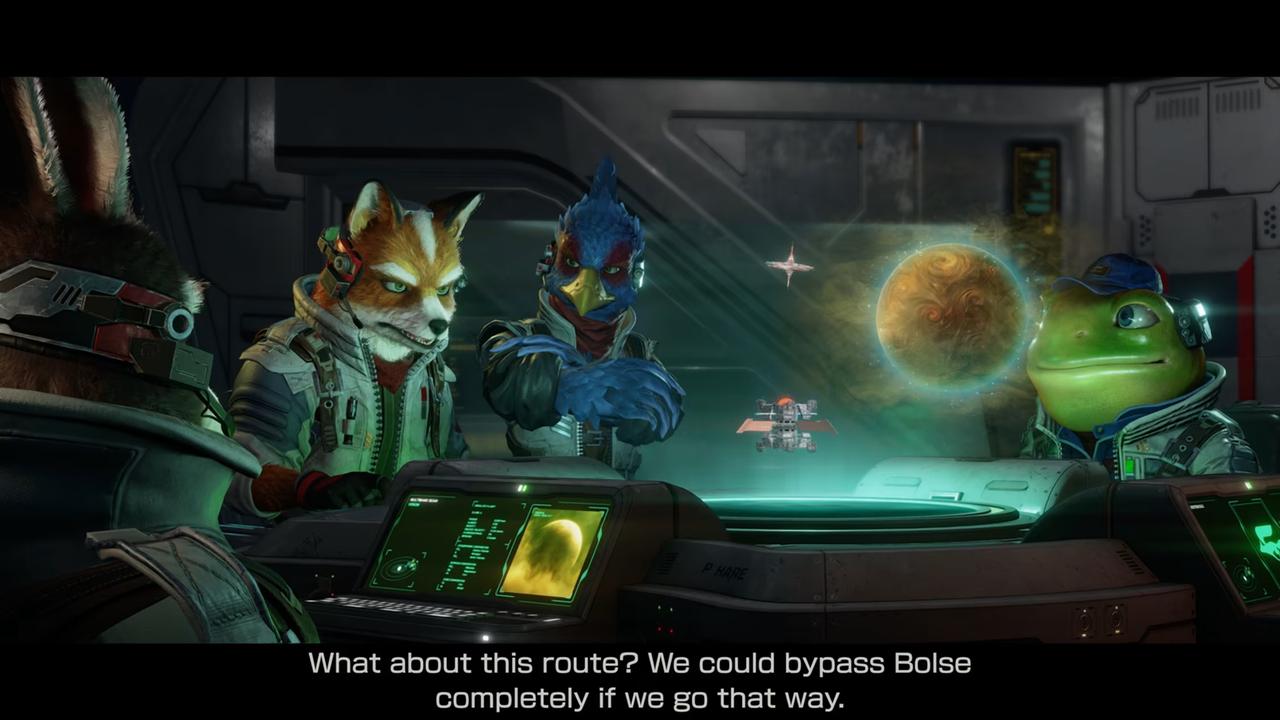
The story still follows the classic Andross threat. General Pepper calls in Star Fox, and Fox McCloud leads the team toward Venom. The difference is that the team gets extra time to talk between missions.
The new prologue with James McCloud and Pigma’s betrayal sets the stakes before Fox takes over. It doesn’t turn Star Fox into a deep story game, but it adds context before the main mission line begins. The extra scenes between missions also show the team beyond radio chatter alone.
Falco’s attitude, Slippy’s role on the team, Peppy’s history, and Fox’s place as leader stand out more. The characters still speak in broad Nintendo adventure terms, but they come across as connected to what’s happening during the campaign. Mission choices also have story context because scenes can react to where the team has been and where it’s heading next.
The story still only goes so far. These scenes make it easier to enjoy, but they don’t turn Star Fox into a fully new chapter for the series. I liked having team banter and better context around the stage choices, even if the added scenes left me wanting a little more from the story.
Battle Mode And Co-Op Stretch The Game Past The Credits
Challenge Mode is the first place Star Fox becomes less dependent on a full campaign playthrough. Instead of replaying the same Corneria-to-Venom playthrough, you can return to stages with specific objectives. That’s the kind of mode Star Fox needed because the campaign already has you replaying stages, raising hit counts, and learning better mission choices.
The challenges make individual stages easier to replay with a specific target in mind. Defeating certain enemies, finishing stages under different conditions, and learning boss patterns all have clearer purpose when you can return to one stage directly. Learning a stage becomes part of the fun instead of something buried inside another full campaign clear.
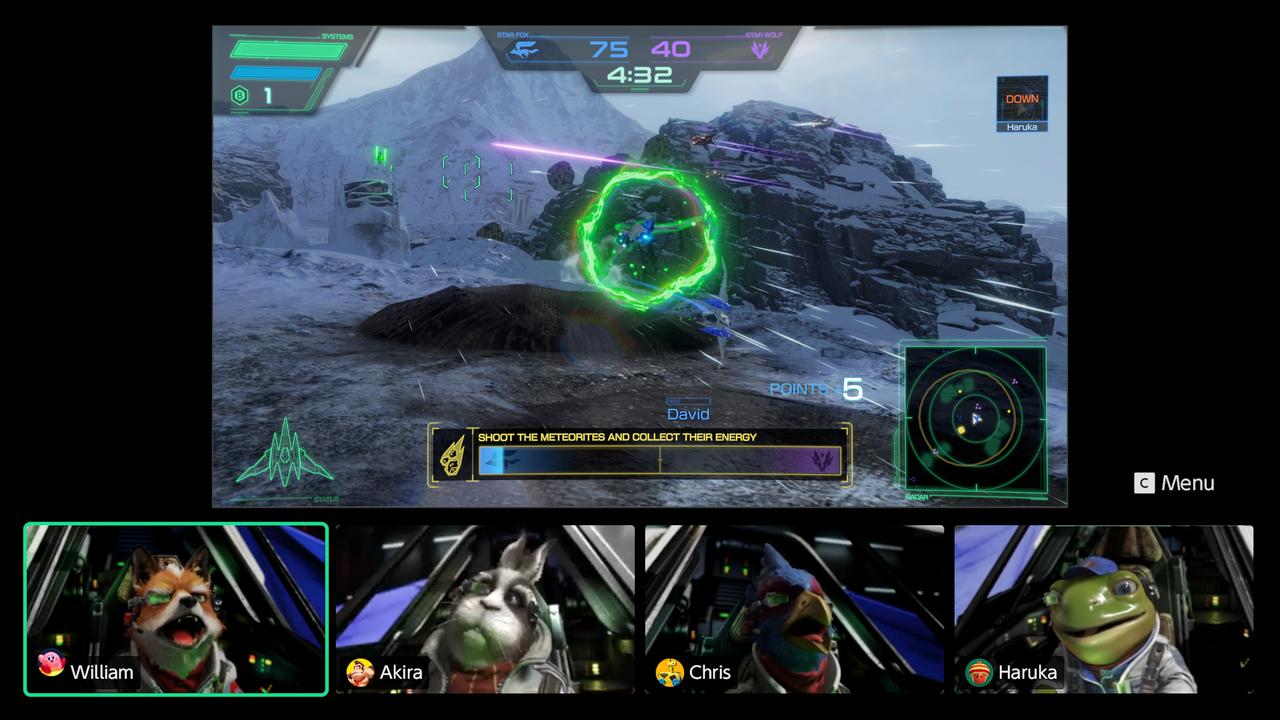
Battle Mode is the other major addition. Star Fox versus Star Wolf becomes 4-vs-4 multiplayer with dogfights, objectives, and team scoring. The mode examples across Corneria, Fichina, and Sector Y suggest more variety than simple ship combat, with objectives like zone control, item collection, and capture the flag-style play.
I wouldn’t buy Star Fox for Battle Mode alone, especially with some online details needing more time after launch. Still, it backs up the short campaign after the credits. A short campaign needs more than nostalgia after the credits, and Challenge Mode, Battle Mode, custom battles, GameShare support, and co-op leave you with more reasons to return.
Joy-Con 2 Mouse Controls Make Star Fox Feel Different In A Big Way
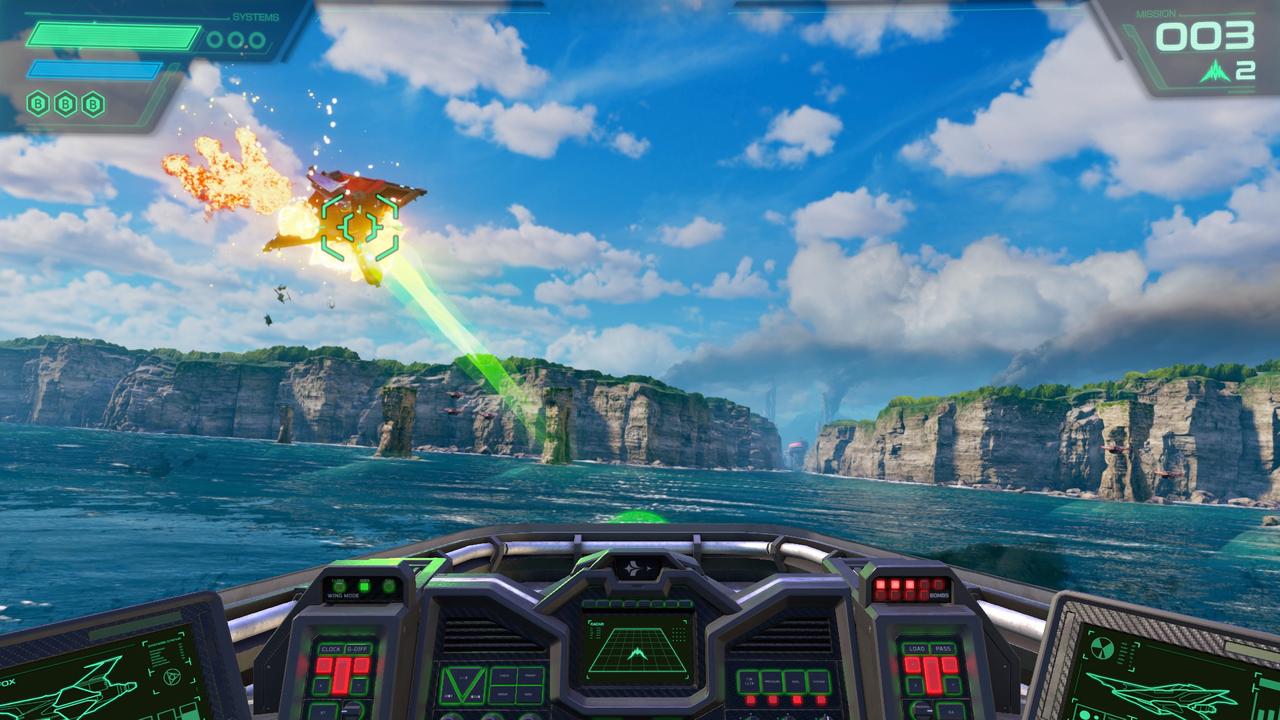
Star Fox introduces optional Joy-Con 2 mouse controls, and I wrestled with them the most. The control concept fits a shooter about fast targeting. The forced first-person cockpit view changes how Star Fox plays more than I wanted.
Traditional controls keep the Arwing easier to track in motion. Barrel rolls, braking, boosting, somersaults, U-Turns, and quick aim adjustments all suit the third-person view better for me. Joy-Con 2 mouse controls line up shots accurately, especially during fast enemy waves. Flying and aiming through the cockpit view is a bigger adjustment than the rest of the game.
Co-op uses the idea better. Splitting flight and aiming between two people is a smart couch-play addition because each person has a clear job. One person handles flight, and the other focuses on firing. That split is a better match for Star Fox than forcing one person to relearn the whole campaign through Joy-Con 2 mouse controls.
HD Rumble 2 is noticeable right away. The feedback supports shots, bumps, and explosions without needing to become the focus. Performance never became a distraction for me, even when stages filled with enemy fire, dialogue, and objectives. When the screen gets packed with enemies and shots, the action can be a lot to track. Even then, I could follow what was happening and react.
Star Fox Is Short And Familiar, But The Replay Chase Got Me
Star Fox’s short arcade-style missions are the reason this debut holds together. The brief campaign has real purpose because each stage is easy to revisit, and Challenge Mode, Battle Mode, co-op, Joy-Con 2 mouse controls, and HD Rumble 2 all build on that replayable format.
It’s also still very close to Star Fox 64. That’s also where the biggest caveat comes in. If you wanted a completely new Star Fox story or a dramatic reinvention of the series, this probably won’t go far enough. The added scenes are welcome, the modes add replay value, and the Star Fox 64 connection is obvious from start to finish.
For me, that isn’t a dealbreaker. I’d point this toward Star Fox fans who still enjoy chasing medals, replaying stages, and improving short arcade-style missions. I’d also point newcomers toward it as long as they understand that the campaign is brief and the game is proud of its Star Fox 64 roots.
Star Fox doesn’t answer every question about where the series should go next. It shows that Fox McCloud, the Arwing, and the Lylat System can still carry a quick arcade shooter when the missions are tight, the hidden exits are easier to chase, and there are enough reasons to keep replaying.
Star Fox
Summary
Star Fox brings Fox McCloud and the Arwing back in a short arcade shooter that makes more sense the more you replay it. The campaign is brief, but medals, hidden exits, and better stage outcomes gave me a reason to keep improving instead of stopping at the credits. The biggest issue is that Star Fox sticks very close to Star Fox 64. Joy-Con 2 mouse controls are interesting, but I kept going back to traditional controls because the Arwing felt better there. Star Fox fans who still enjoy short replayable missions should have the easiest time with it, and newcomers just need to know the campaign is short by design.
As always, remember to follow us on our social media platforms (e.g., Threads, X (Twitter), Bluesky, YouTube, and Facebook) to stay up-to-date with the latest news. This website contains affiliate links. We may receive a commission when you click on these links and make a purchase, at no extra cost to you. We are an independent site, and the opinions expressed here are our own.