


System Era Softworks and Devolver Digital are back at it with their charming sci-fi universe, now with Starseeker: Astroneer Expeditions, available in Early Access on PC, Xbox Series X|S, PlayStation 5 and Nintendo Switch 2. Stepping away from the open-ended survival crafting that made the 2019 original a beloved hit, this ambitious spin-off reorients the core experience around objective-based squad co-op and planetary incursions. The developers are combining the series’ signature terrain-warping elements with polished action gameplay, hoping to attract seasoned Astroneers and modern session-based multiplayer fans alike.
Unraveling the Mysteries of Planet Tephra
The lore surrounding Starseeker: Astroneer Expeditions marks a distinct departure from the isolated survival tone of the original game, pivoting instead toward an organized narrative of galactic discovery. Operating from the central hub of the ESS Starseeker starship, players take on the role of an elite crew tasked with charting completely unknown planetary systems.



This Early Access release is headed primarily for Tephra, a planet of jungles, swamps, and oceanic depths. Under its thick, tangled foliage are the strange, overgrown remains of an earlier EXO Dynamics expedition that met a mysterious and tragic end. As players work together to accomplish mission goals, they unlock logs that slowly shed light on what happened with the lost pioneers, with the story unfolding in tandem with community and squad milestones. This approach makes every drop-in session feel purposeful, enriching the world with narrative without ever slowing the momentum of exploration.
Refining the Core Loop
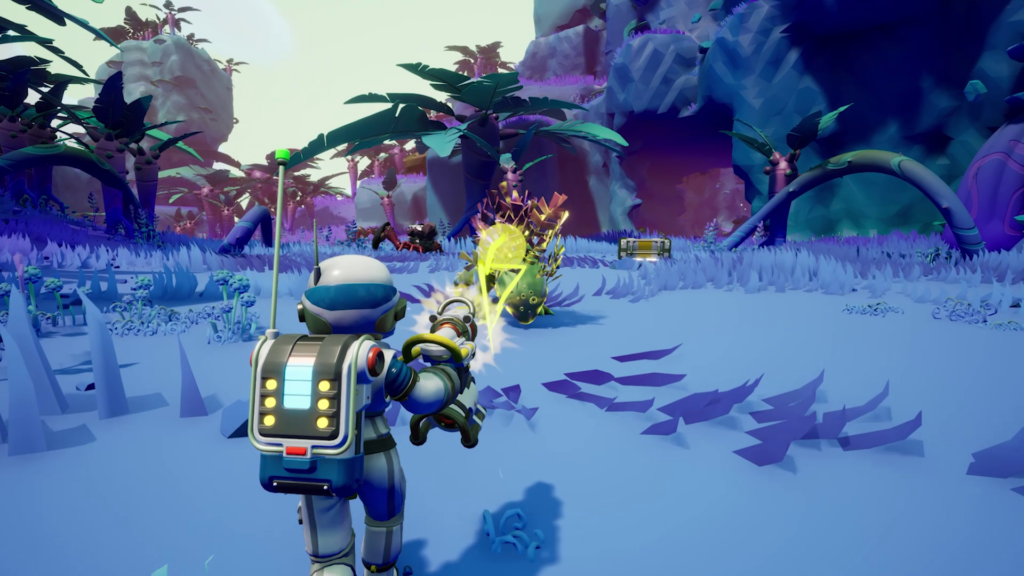
Starseeker: Astroneer Expeditions’ biggest shift is from a sandbox builder to a session-based expedition loop. Rather than spending hours on building a permanent base on a single world, players drop straight from the ESS Starseeker to the surface with timed objectives. Missions include everything from mining and cataloging native flora to deactivating alien relics.
The series’ signature terrain deformation tool remains the basis of gameplay, letting players shape the landscape or extract valuable minerals on the fly. But now it is complemented by an upgraded arsenal of survival and combat equipment. This has made for much more dynamic and dangerous exploration, with local fauna and alien mechanisms demanding active coordination between teammates.
When mission goals have been satisfied, or when the team’s inventory and life support reach critical thresholds, securing extraction becomes the top priority. Players can safely return to the ESS Starseeker and transform their hard-earned resources into equipment upgrades, cosmetic customizations, and advanced tools. This loop of progression flows directly into the next, higher-difficulty incursions. The session-based design provides for an agile pace that is perfect for quick runs while still retaining the core joy of terraforming and bringing a much-needed sense of urgency and structure.
Stylized Aesthetics and Atmospheres
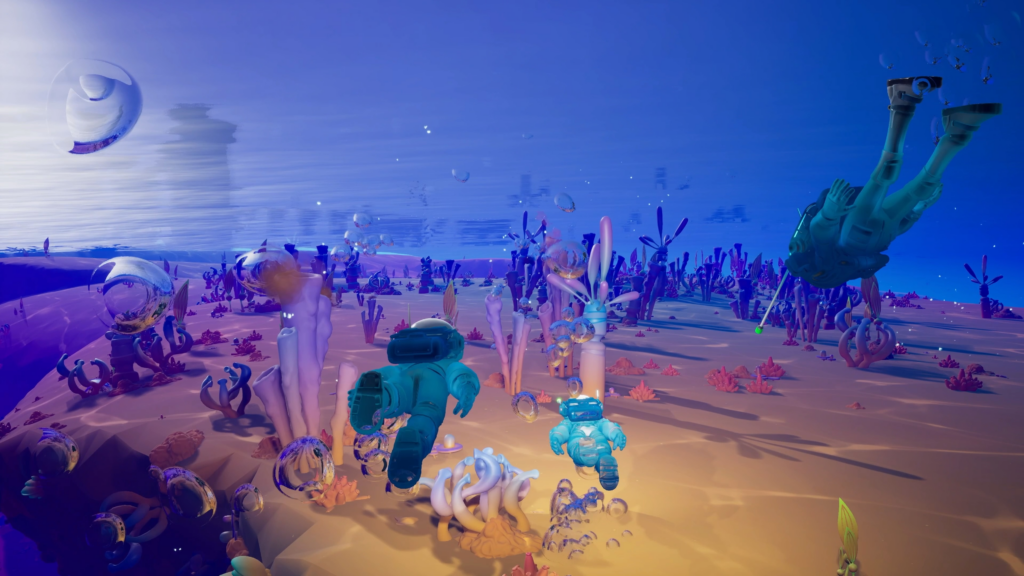
The visuals of Starseeker are a natural evolution of the classic, low-poly art style of the original game, enhanced by modern effects. The planetary biomes feel incredibly alive, with dynamic lighting, reactive vegetation, and thick atmospheric fog giving worlds their own unique visual identity. The aesthetic is enhanced by a synthetic soundtrack, which change in accordance with the gameplay.

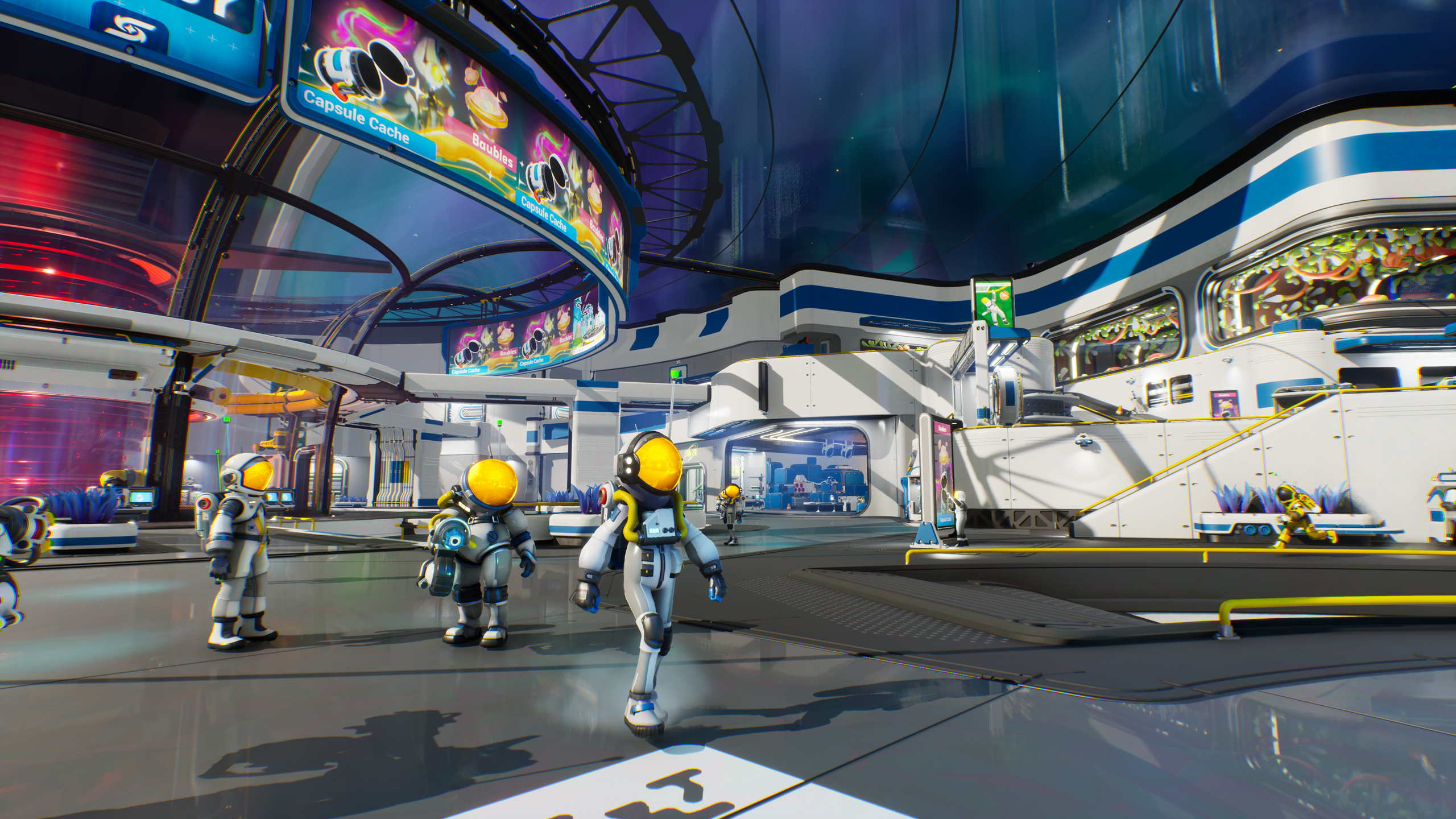
Tech-wise, the performance is solid on both PC and Xbox Series consoles, delivering clean resolutions and stable framerates even during the chaotic terraforming. However, the performance of Nintendo Switch 2 is sometimes visually strained. While exploring the ESS Starseeker’s central hub, the social area where a large number of player avatars were testing the limits of the system’s current optimization, there were particular frame rate drops to be felt. Load times are impressively minimal across every platform.
Squad Dynamics and Social Hub Synergy
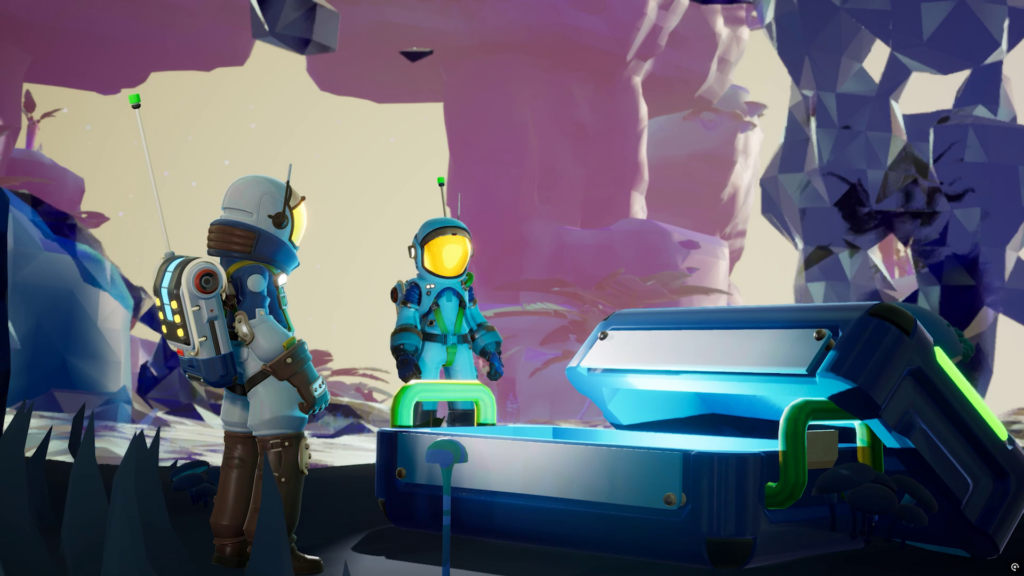
Multiplayer is the undeniable heart and soul. The ESS Starseeker is a lively social hub for players across the globe to meet, showcase their customized suit gear, trade for resources from specialized vendors, and organize their next planetary raid. Matchmaking is surprisingly quick and intuitive, allowing players to easily jump into public four-player teams or create private lobbies with friends.
Coop synergy is key to surviving the hardest challenges of the game. Squad composition is a big deal, as the blend of complementary terrain gadgets, combat tools, and specialized resource harvesters often dictates the success or failure of an expedition in high-tier zones. The game is fully supported for solo play, but the title is undeniably oriented towards group mechanics. Doing missions yourself makes the difficulty curve go through the roof and slows down resource-gathering rates considerably.
Fortunately, character progression is completely shared: all the progress on your account level, unlocked blueprints, and gear upgrades transfer across your profile whether you play solo or in a full squad. And the lack of any aggressive competitive mechanics or high-pressure PvP aspects creates a delightfully inviting and wholesome online community vibe that’s all about constructive teamwork.
A Bold Step Forward in Co-Op Space Exploration
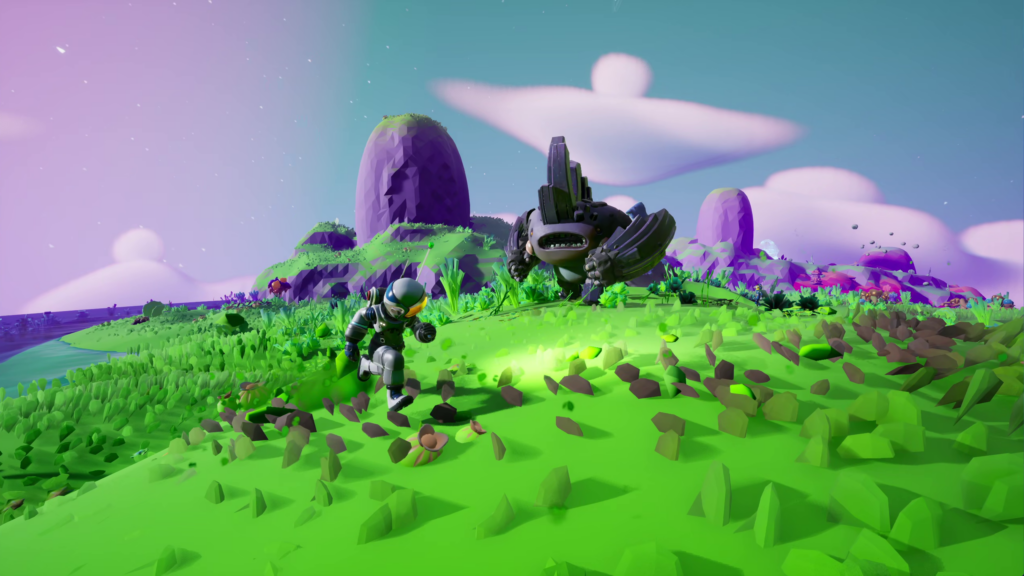
Starseeker: Astroneer Expeditions is a successful evolution of System Era Softworks’ beloved franchise. Pivoting from an open-ended survival sandbox to an objective-driven expedition structure revitalizes the formula, injecting a clear purpose, steady progression, and energetic momentum that some felt was lacking in the original. The perfect mix of terrain manipulation, light combat, and team-focused extraction makes for an addictive and satisfying gameplay loop.
Being an Early Access title, there are minor rough edges. Early on, the lack of variety in planetary biomes and mission types can seem a bit repetitive after extended periods of play, and some of the inventory management screens could benefit from another layer of UI polish. Moreover, platform-specific performance hiccups show optimization is still a work in progress.
There are minor growing pains, but the foundation set here is exceptionally strong. If you like co-op squad games like Deep Rock Galactic or Helldivers 2, this is a game you’ll want to check out, and returning Astroneer players will want to check it out for a new challenge. Starseeker: Astroneer Expeditions is a great cooperative experience that bodes well for the game’s future development.
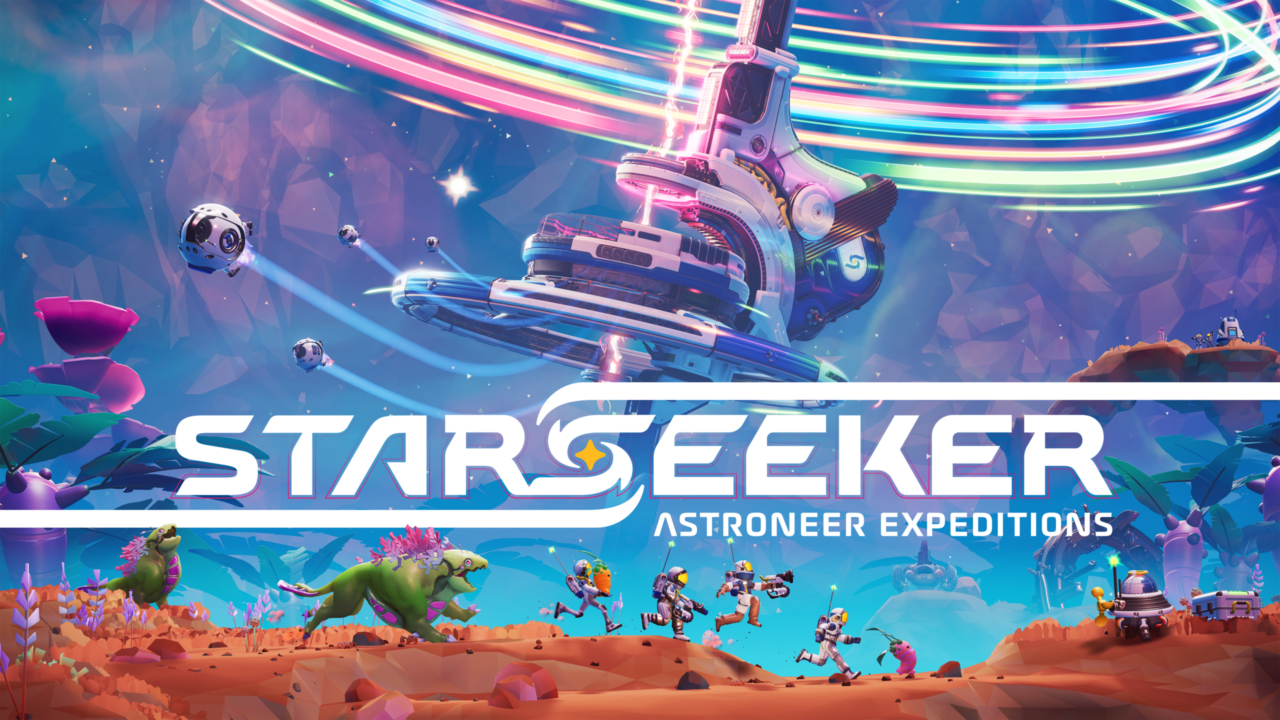
Starseeker: Astroneer Expeditions
Summary
Starseeker: Astroneer Expeditions successfully transforms the franchise’s original formula into an objective-driven cooperative experience. It shines through its gameplay loop, charming visual presentation, and emphasis on rewarding teamwork. While early access content limitations and minor performance stumbles prevent total perfection, it remains a fantastic recommendation for space exploration fans.
Played on Nintendo Switch 2 and ROG Ally Z1E.
As always, remember to follow us on our social media platforms (e.g., Threads, X (Twitter), Bluesky, YouTube, and Facebook) to stay up-to-date with the latest news. This website contains affiliate links. We may receive a commission when you click on these links and make a purchase, at no extra cost to you. We are an independent site, and the opinions expressed here are our own.